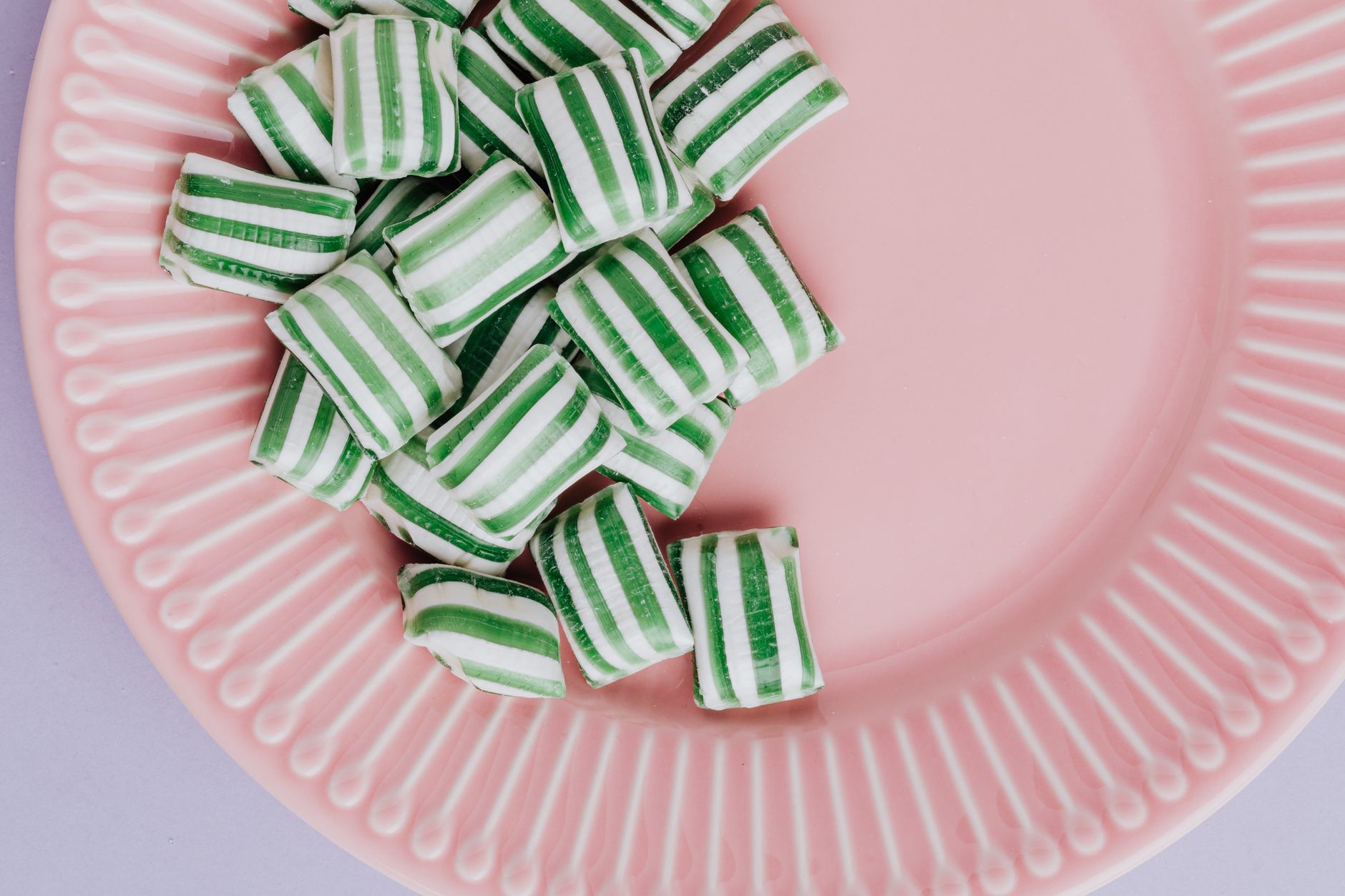
Old-school candies hold a special place in memories for many. These classic candies once filled candy jars and movie nights with rich flavors and simple, delightful textures. But as consumer tastes changed and health trends shifted, many vintage candy brands fell out of favor. Still, exploring these forgotten treats is like opening a sweet time capsule. Whether youre curious about their unique flavors or wondering why they disappeared, this article offers a friendly look at old-school candies and their still-valuable place in confectionery culture.
Decline of Classic Candies
Market and Health Trends Impacting Vintage Sweets
The candy market is constantly evolving, influenced by consumer health awareness and preferences. Rising concern about sugar intake and artificial ingredients shifted demand toward clean label and natural alternatives. Classic candies often contained high levels of sugar, artificial colors, and sometimes gelatin or emulsifiers that no longer aligned with modern health standards or dietary restrictions. This shift reduced shelf space for some old-school candies in favor of newer, health-conscious options.
Ingredient and Regulation Effects
Many vintage candies included ingredients now restricted or discontinued due to safety regulations. For example, some used Red Dye No. 2, now banned in many countries, or high-fructose corn syrup, which consumers actively avoid today. Changes in labeling laws also require transparent allergen and certification disclosures, creating extra hurdles for legacy products that werent originally formulated with such standards in mind.
Examples: Discontinued Recipes
- Licorice candies originally made with natural liquorice extract sometimes switched to artificial flavors.
- Candies with gelatin base faced Halal certification challenges unless carefully reformulated.
- Chocolate sweets using partially hydrogenated oils had to adapt recipes after health concerns about trans fats emerged.
Shifting Consumer Tastes and Competition
New generations gravitated toward innovative candy flavors, texture varieties, and snack styles. The rise of healthier snacks, international brands, and novelty confections pushed many classic sweets out of the limelight. Additionally, nostalgia often favors candies connected to particular cultures or regions, limiting old-school candies global reach.
Top 10 Old-School Candies
1969 Necco Wafers What Made Them Special?
Necco Wafers were thin candy discs with a chalky, mildly sweet and slightly spiced flavor. Their pastel colors and stackable shape made them uniquely nostalgic. A long-standing staple in American candy tins, they offered a distinct texture thats hard to find today.
Why Necco Wafers Faded Away
Production issues and declining sales led to their discontinuation in 2018. Their chalky texture differed sharply from the softer, more indulgent candies preferred by modern consumers.
Where to Find Necco Wafers Today
Occasionally, specialty vintage candy shops or online collectors might stock Necco Wafers, but fresh production is rare. Some revival efforts try to replicate the original recipe, but availability is limited.
Fun Fact
Necco Wafers date back to the 1840s, making them one of the longest-running candy brands in the US.
Mary Jane Peanut Butter & Molasses What Made Them Special?
Mary Janes had a chewy, taffy-like texture with natural peanut butter and molasses flavor. Unlike many modern peanut candies, they balanced sweetness and earthy notes perfectly.
Why Mary Jane Declined
Shifts in packaging trends and peanut allergies affected demand. Larger brands pushed their own peanut confectioneries, overshadowing this homestyle candy.
Availability Today
Mary Jane is occasionally found in retro candy sections but mostly as collectors items. Halal-conscious buyers should check the label carefully for certification.
Fun Memory
Many adults remember trading Mary Janes at school recess, often savoring their peanut flavor as a special treat.
Clark Bar What Made It Special?
Clark Bars combined crunchy peanut butter coating covered by milk chocolate. The contrast of creamy peanut and crispy crunch made it a beloved candy since the early 20th century.
The Decline Story
Ownership changes and competition from brands like Reeses affected Clark Bars production and distribution. Reformulations sometimes altered its classic taste.
Current Market
Clark Bars can still be found in some specialty shops and online but are no longer a mass-market candy staple.
Interesting Tidbit
The Clark Bar inspired the Butterfinger candy, sharing the crunchy peanut butter and chocolate concept.
Bit-O-Honey What Made It Special?
Bit-O-Honey featured small honey-flavored bites with almond bits embedded in chewy taffy. Its subtle sweetness and texture were distinctive among vintage candies.
Fallout Reasons
Health-conscious consumers moved away from sugary taffy, and the brand struggled to update packaging and marketing for new generations.
Where to Buy Bit-O-Honey
Still available in select retailers but less prominent. Online candy stores and retro sections occasionally stock them.
Bit of History
The candy was originally made with natural honey, a rare ingredient in mass candy production.
Good & Plenty What Made Them Special?
Good & Plenty were classic licorice pieces hard-coated with a bright pink shell. Their peppermint flavor blended with licorice made for an unmistakable taste.
Reasons for Decline
Pure licorice candy has niche appeal, and changing preferences to fruit-flavored candies lowered demand.
Availability
Good & Plenty remains in some markets but is no longer a household name.
Fun Note
Its the oldest branded candy in the US, dating back to 1893.
Bit-O-Luck What Made It Special?
Bit-O-Luck was a variation of Bit-O-Honey, featuring a maple flavor with chewy texture and almond pieces.
What Led to Its Disappearance
Bit-O-Luck failed to maintain strong differentiation and was phased out as manufacturers simplified product lines.
Finding Bit-O-Luck Today
Its virtually impossible to find except among collectors.
Flynns Candy Bar What Made It Special?
A milk chocolate bar with crispy peanut butter and rice pieces, Flynns combined creamy and crunchy textures unique to its era.
Market Challenges
Many peanut butter bars flooded the market, overshadowing Flynns niche.
Current Status
Flynns is discontinued but fondly remembered by enthusiasts.
Candy Buttons What Made Them Special?
Rows of brightly colored, sugary candy buttons on paper strips, offering a playful, tactile treat popular with children.
Why They Quietly Vanished
Shifts toward more sophisticated, less sugary snacks reduced their shelf popularity.
Where to Find Candy Buttons
Mostly specialty candy stores and some nostalgic online retailers.
Pal-o-Mine Bar What Made It Special?
Chocolate-covered bar with peanuts and nougat, Pal-o-Mine combined smooth and crunchy textures with old-fashioned charm.
Reason for Fading
Brand acquisitions and marketing complexity lowered its market presence.
Availability
Rare today, sometimes found via retro candy distributors.
Black Jack Gum What Made It Special?
One of the first flavored chewing gums, Black Jack had a distinct licorice taste with a mild sweetness.
Why It Disappeared
Licorice gum struggled to compete with fruit and mint flavors preferred by modern gum buyers.
Finding Black Jack Gum
Occasionally available in vintage candy collections or specialty gum outlets.
Old Candies: Health and Taste Considerations
Unique Flavors Lost Today
Old-school candies offer flavor profiles and textures rarely found in modern sweets. Their rich, simple taste, like molasses and natural peanut butter, appeals to those seeking authentic ingredients rather than overly processed flavors.
Health Risks to Keep in Mind
Many classic candies are high in sugar, often exceeding 15 grams per serving, with little fiber or nutrition. Artificial dyes now flagged by health experts may still be present in some vintage formulations.
Safe Nostalgic Enjoyment
Enjoy these sweets in moderation. Seek products certified Halal by trusted bodies like JAKIM, HMC, or IFANCA, ensuring ingredients and manufacturing meet rigorous standards. Reading labels for sugar content and allergens is equally important for mindful consumption.
Expert Insight
Nutritionists recommend limiting treats to occasional indulgences and pairing sweets with balanced meals to reduce glycemic impact.
Rediscovering Vintage Sweets
Where to Shop
Look for specialty Halal-certified stores, vintage candy shops, and reliable online retailers. These sources often provide freshness guarantees and proper storage details.
Authenticating Vintage Candy
Check packaging dates, certification logos, and ingredient lists carefully. Avoid bulk purchases from unknown vendors to prevent expired or counterfeit products.
Storage Tips
Store candies in cool, dry places below 25C. Most last 612 months unopened; once opened, consume within 12 weeks for best flavor and safety.
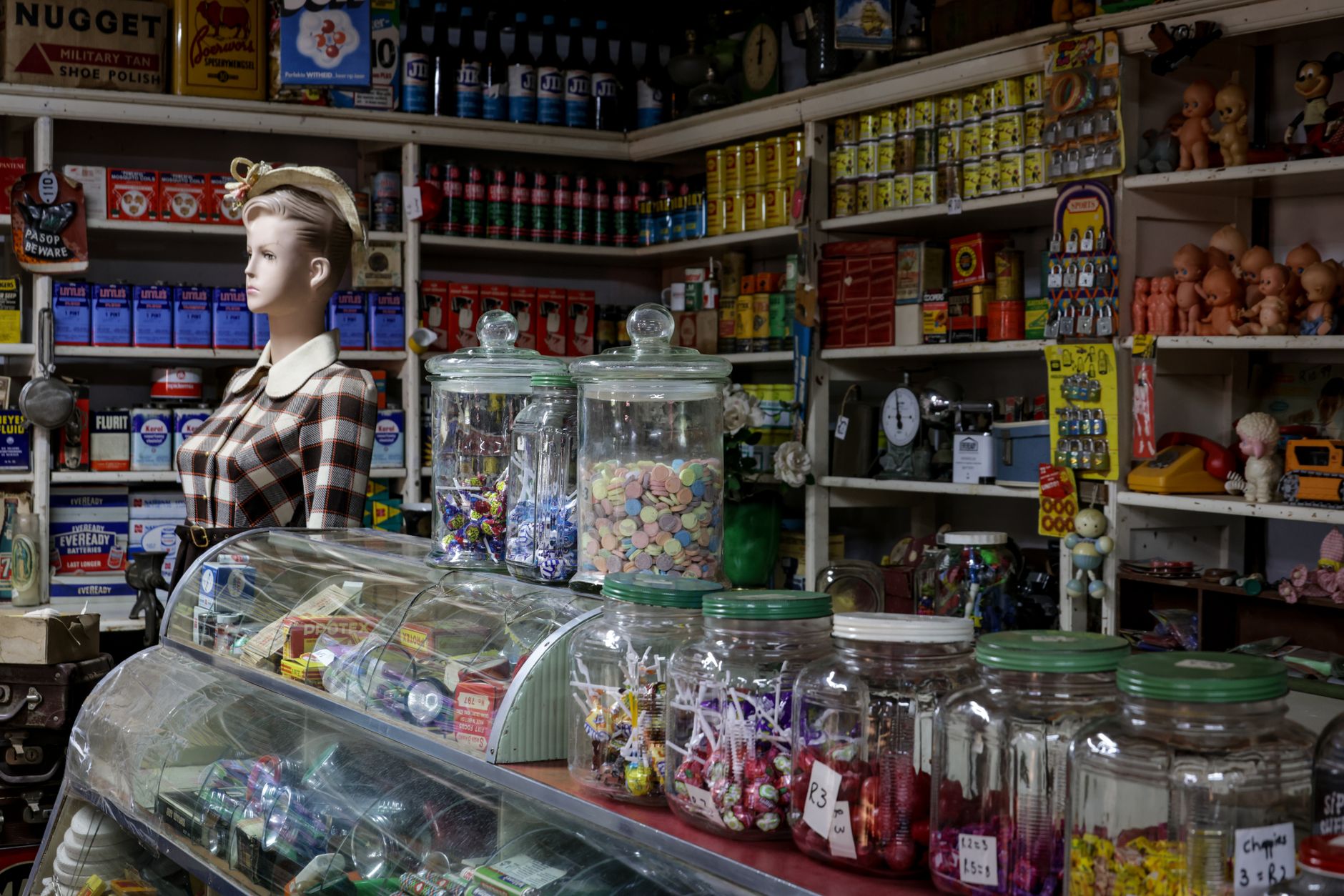
Celebrating Forgotten Candies
Cultural and Sentimental Value
Old-school candies reflect cultural moments and community memories, especially in family gatherings and holidays. Their revival helps preserve culinary heritage and creates bonds across generations.
Connecting Generations Through Sweets
Sharing vintage candy stories or tasting these treats together bridges age gaps, offering opportunities for learning and enjoyment.
Encouragement to Share
Try introducing friends and family to nostalgic candies. You might spark new traditions or rediscover favorite flavors yourself.
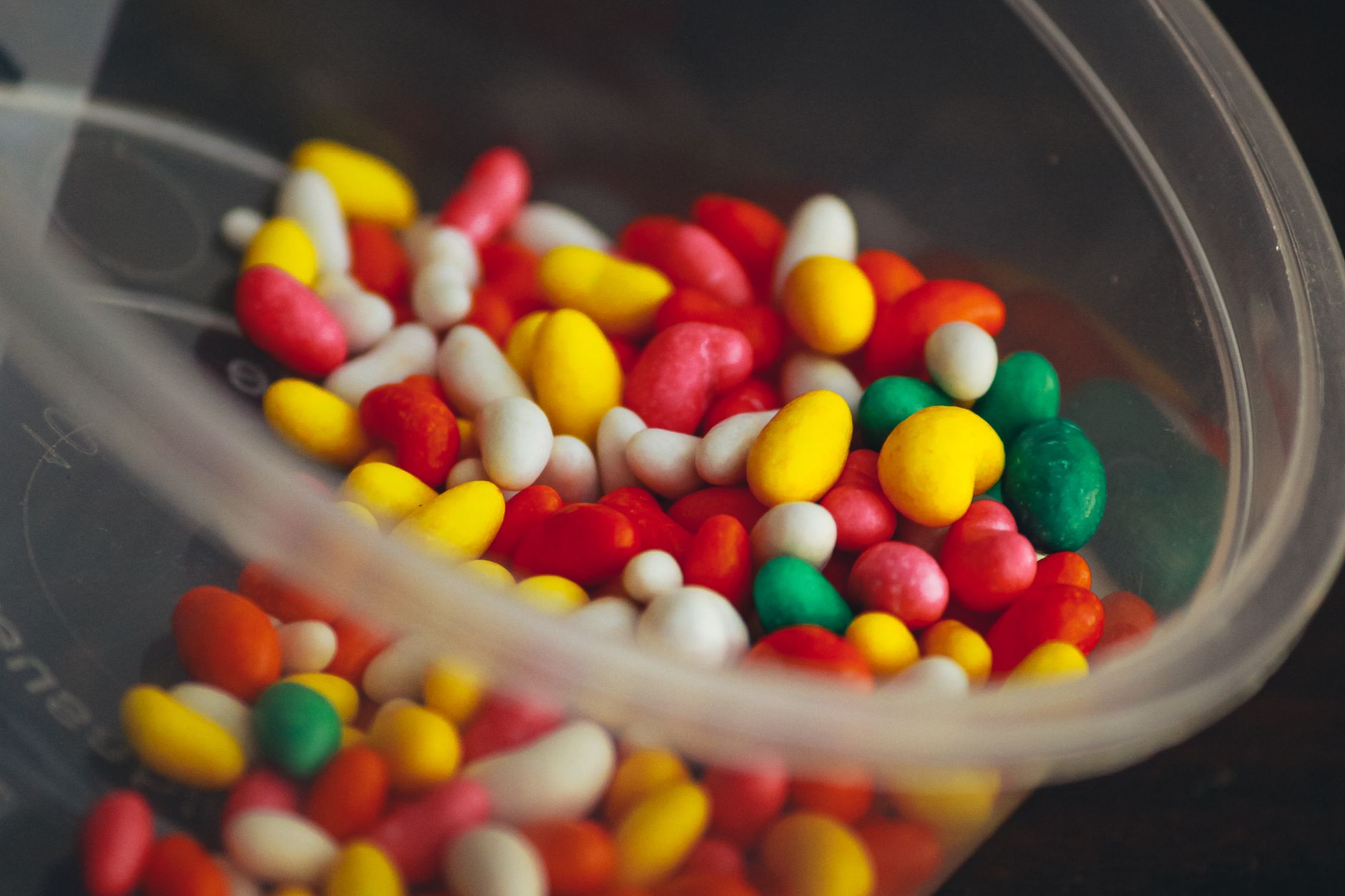
Is old-school candy actually Halal what should I check?
Not all vintage candies are Halal by default. Look for certification logos from trusted bodies like JAKIM, HMC, or IFANCA on packaging. Check ingredient lists for non-Halal animal derivatives such as gelatin or lard. Understanding certification ensures safe, compliant choices.
When is the best time to eat old-school candies?
Enjoy old-school candies as occasional treats, preferably after meals to minimize sugar spikes. They work great as small rewards during the day or shared during nostalgic moments with family and friends.
Are old-school candies more allergenic than modern ones?
Some contain common allergens like nuts, dairy, or soy. Because labeling practices were less strict historically, modern Halal-certified versions often provide clearer allergen warnings, facilitating safer consumption.
Can I trust the labels on retro candy products?
Buy from reputable suppliers to ensure label accuracy. Vintage branding does not guarantee quality, so verify ingredient lists, certification marks, and expiration dates carefully before purchase.
Why do some old-school candies taste chalky or hard?
Many used traditional processing with limited emulsifiers and preservatives, resulting in denser, firmer textures. These features differ from todays softer, creamier candies but offer unique sensory experiences.
Are there Halal-certified chocolate versions of old-school candies?
Yes, some manufacturers reformulate old-school recipes using Halal-certified chocolate. Searching for products with verified Halal marks and clean ingredient profiles ensures compliance without sacrificing taste.
How should I store old-school candies to keep them fresh?
Keep them in airtight containers in cool, dark environments below 25C. Avoid humidity to prevent sogginess. Proper storage maintains texture and flavor for 612 months unopened.
Quick-Reference Table: Old-School Candy Buying Checklist
| Certification | Price Range | Common Formats | Shelf Life | Key Allergens |
|---|---|---|---|---|
| Look for JAKIM, HMC, IFANCA logos | $2$8 per unit | Bars, discs, taffy pieces, coated candies | 612 months unopened | Peanuts, dairy, soy, wheat |
Buying Tips for Vintage Candy
The most overlooked mistake is assuming nostalgia guarantees quality. Low-priced versions often use cheaper ingredients that affect taste and safety. One expert tip: prioritize certified Halal products with clear ingredient sourcing. Quality old-school candies have distinct, rich flavors that cheap imitations lack. Buying from specialty suppliers ensures authenticity and fresh inventory, rather than stale stock from mass retailers.

More You Might Like
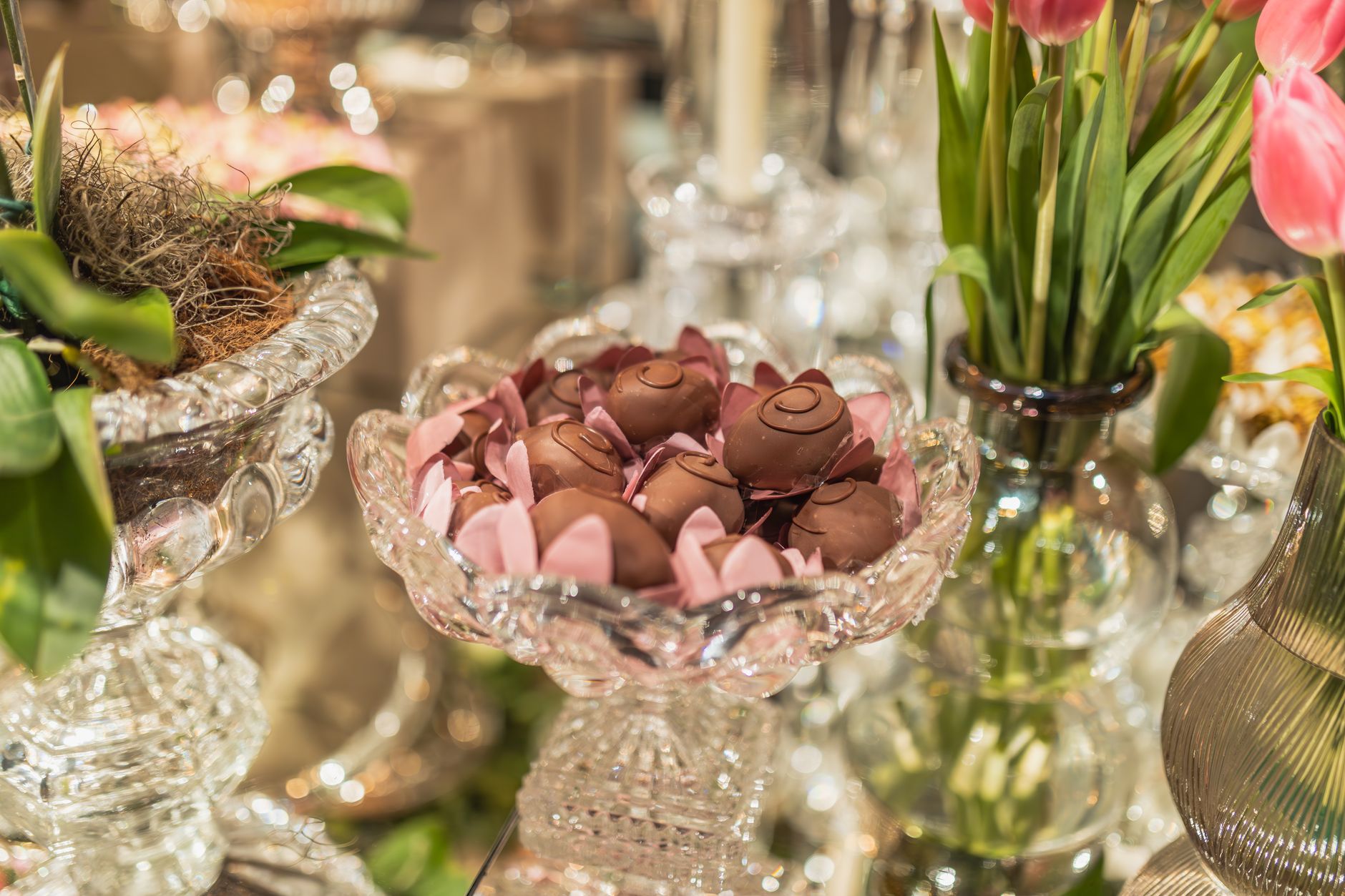
Discover the unique appeal of Ruby chocolate, a new natural chocolate with a pink hue and fruity notes that could complement old-school candy flavor profiles.
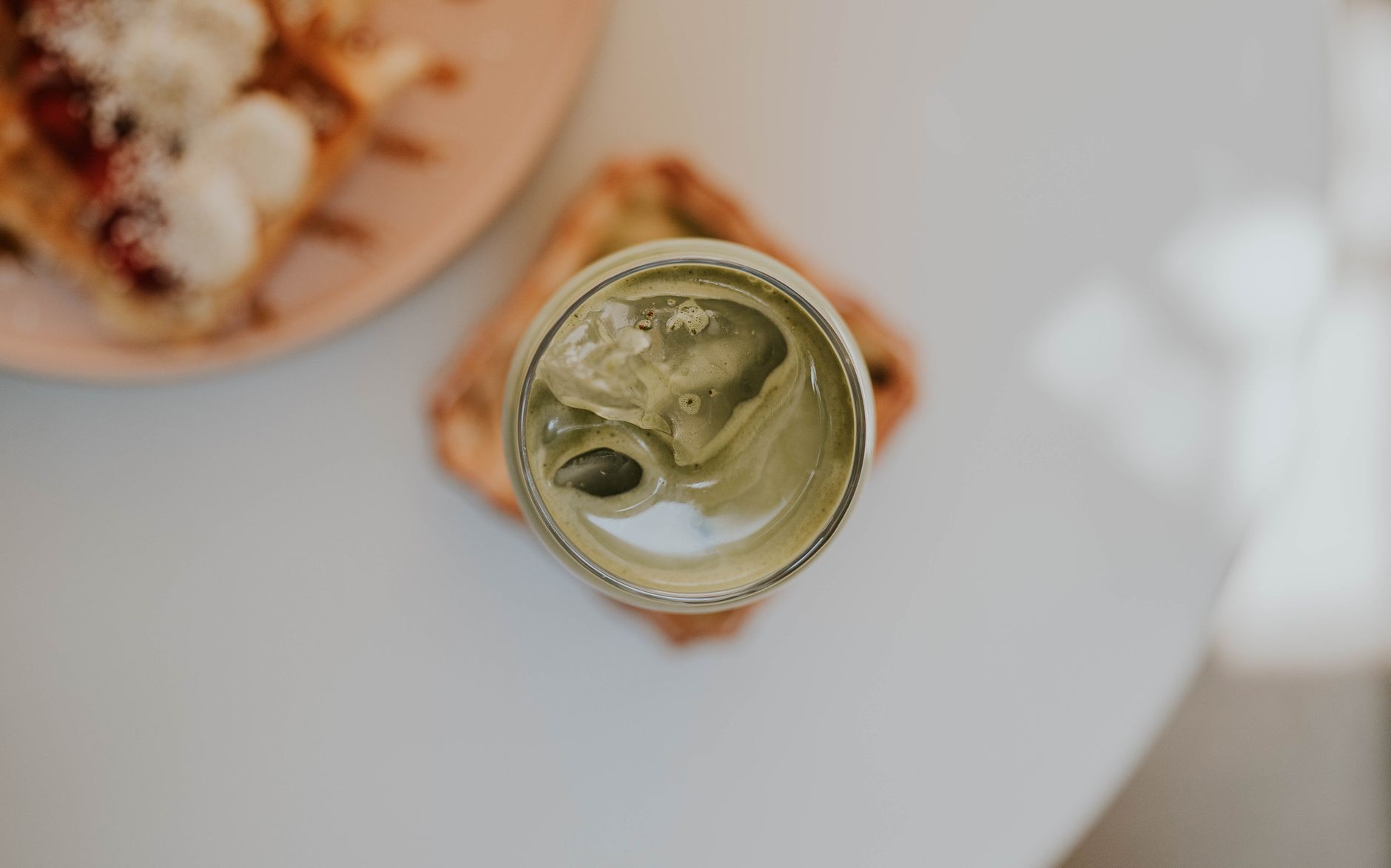
If you enjoy vintage flavors with a modern twist, read about Matcha dessert caffeine and how this green tea powder influences sweetness and energy in contemporary sweets.
Wrapping Up Old-School Candies
Old-school candies remind us that simpler ingredients and unique textures once ruled the confectionery world. While many have quietly vanished, their charm endures for those willing to explore. Next time you shop, check the label for quality, Halal certification, and authentic ingredients. Or invite a friend to share a nostalgic treatsometimes rediscovery is just a sweet bite away.
FAQs
Is old-school candies actually Halal — what should I check on the label?
Not all old-school candies are Halal by default. Check for certification logos from trusted bodies like JAKIM, HMC, or IFANCA. Also review ingredient lists for non-Halal elements like gelatin from animal sources or lard to ensure compliance.
When is the best time to eat old-school candies?
Old-school candies are best enjoyed as occasional treats, ideally after meals to reduce sugar spikes. They also make great small rewards or nostalgic treats to share with family and friends during special moments.
How long do old-school candies last after opening?
Unopened old-school candies typically last 6 to 12 months if stored properly. Once opened, try to consume them within 12 weeks to maintain flavor, texture, and safety.
What makes old-school candies different from modern sweets?
Old-school candies feature simpler ingredients, unique textures like chalky or chewy, and traditional flavors such as molasses and natural peanut butter. Modern candies often favor softer textures and fruitier or more indulgent flavors.
Where can I buy authentic old-school candies today?
Look for specialty vintage candy shops, Halal-certified retailers, and trusted online sellers. Avoid unknown vendors to reduce risk of expired or counterfeit products and ensure freshness and authenticity.