Salmon is one of the most versatile proteins in your kitchen. Its rich, buttery texture pairs well with almost any flavor profile. But the right salmon seasonings can take it from good to unforgettable. Whether you prefer a simple salt-and-pepper crust or a bold spice rub, this guide covers 14 seasonings that will transform your salmon. You will learn which herbs brighten the fish, which spices add warmth, and how to build balanced blends at home.
Why Seasoning Salmon Matters
Seasoning does more than add flavor. It enhances the natural taste of the fish while creating a pleasant crust during cooking. A well-seasoned fillet stays moist inside and develops a golden, crispy exterior. Proper seasoning also allows you to control sodium levels, avoid artificial additives, and tailor the dish to your dietary needs.
According to the USDA FoodData Central, a 3-ounce serving of cooked salmon contains about 22 grams of protein and 177 calories. Adding the right seasonings boosts the eating experience without adding empty calories. For anyone focused on Healthy food weight loss, salmon seasoned with herbs and spices instead of heavy sauces is a smart choice.
What makes salmon seasonings healthy?
Healthy salmon seasonings rely on herbs and spices that provide antioxidants and anti-inflammatory benefits without excess sodium or sugar. Turmeric, garlic, ginger, and oregano each offer documented health advantages when used regularly. Choosing seasonings with clean labels no artificial preservatives or MSG keeps your meal wholesome. Look for blends that list spices first and salt second or third on the ingredient list.
Risks of over-seasoning salmon
Too much seasoning masks the delicate flavor of salmon. Heavy salt or sugar can also overpower the palate and contribute to high sodium intake. A single tablespoon of some commercial seasoning blends contains over 600 milligrams of sodium. The American Heart Association recommends limiting sodium to 2,300 milligrams per day, so portion your seasonings carefully. Stick to about one teaspoon of dry rub per 6-ounce fillet.
Essential Salmon Seasonings
These core seasonings belong in every kitchen. They form the base of most salmon recipes and allow endless variation.
Salt: The foundation of salmon seasoning
Salt draws out moisture, concentrates flavor, and helps create a crisp crust. Use kosher salt or sea salt for even distribution. Avoid table salt, which contains anti-caking agents and tastes harsh. Apply salt 15 minutes before cooking to allow it to penetrate the flesh.
Pepper: Adding heat without overwhelming
Freshly cracked black pepper adds a gentle warmth that complements salmon without masking it. White pepper offers a milder alternative. For a bolder kick, try cayenne or Aleppo pepper in small amounts.
Brown sugar, honey, and maple syrup
Natural sweeteners balance the natural oiliness of salmon. They caramelize under heat, creating a glaze that locks in moisture. Use one teaspoon of brown sugar or one tablespoon of honey per fillet. Pair sweeteners with acidic ingredients like lemon juice or vinegar to prevent cloying sweetness.
Lemon and citrus zest
Citrus brightens salmon and cuts through its richness. Lemon zest delivers concentrated flavor without extra liquid. Lime and orange zest also work well. Apply zest just before cooking to preserve its volatile oils.
Herbs That Bring Salmon to Life
Fresh and dried herbs add layers of aroma and flavor that pair naturally with salmon.
Dill: The classic salmon herb
Dill has a delicate, slightly sweet flavor that matches salmon perfectly. Fresh dill works best for cold preparations like gravlax or smoked salmon. Dried dill holds up well in cooked dishes. Add dill at the end of cooking to preserve its taste.
Rosemary and thyme
These woody herbs stand up to high heat and long cooking times. Rosemary adds a pine-like aroma, while thyme contributes earthy, floral notes. Use them together in rubs for grilled or roasted salmon. Chop fresh rosemary finely to avoid large, tough pieces.
Bold Spices and Rubs to Experiment With
Once you master the classics, try these bolder flavor combinations.
Garlic and smoked paprika
Garlic powder provides savory depth without the moisture of fresh garlic. Smoked paprika adds a subtle smokiness that mimics outdoor grilling. Combine one teaspoon of each with half a teaspoon of salt for a simple rub. Cook on medium heat for 8 minutes per side.
Curry powder
Curry powder introduces warm, complex flavors from cumin, coriander, turmeric, and fenugreek. Use two teaspoons per fillet. Toast the curry powder in oil for 30 seconds before coating the salmon to release its full aroma.
Mustard and soy sauce
Whole-grain mustard and low-sodium soy sauce create an umami-packed paste. Mix one tablespoon of mustard with one tablespoon of soy sauce and brush over the fillet. This combination works especially well for baked salmon. Cook at 375 degrees Fahrenheit for 15 minutes.
Easy and Healthy Salmon Rub Recipes
Here are three rubs you can make in under five minutes. Each yields enough for two 6-ounce fillets.
| Prep time | Cook time | Total time | Servings | Calories | Diet tags |
| 5 minutes | 12 minutes | 17 minutes | 2 | 210 per serving | Halal, Gluten-Free, Low-Carb |
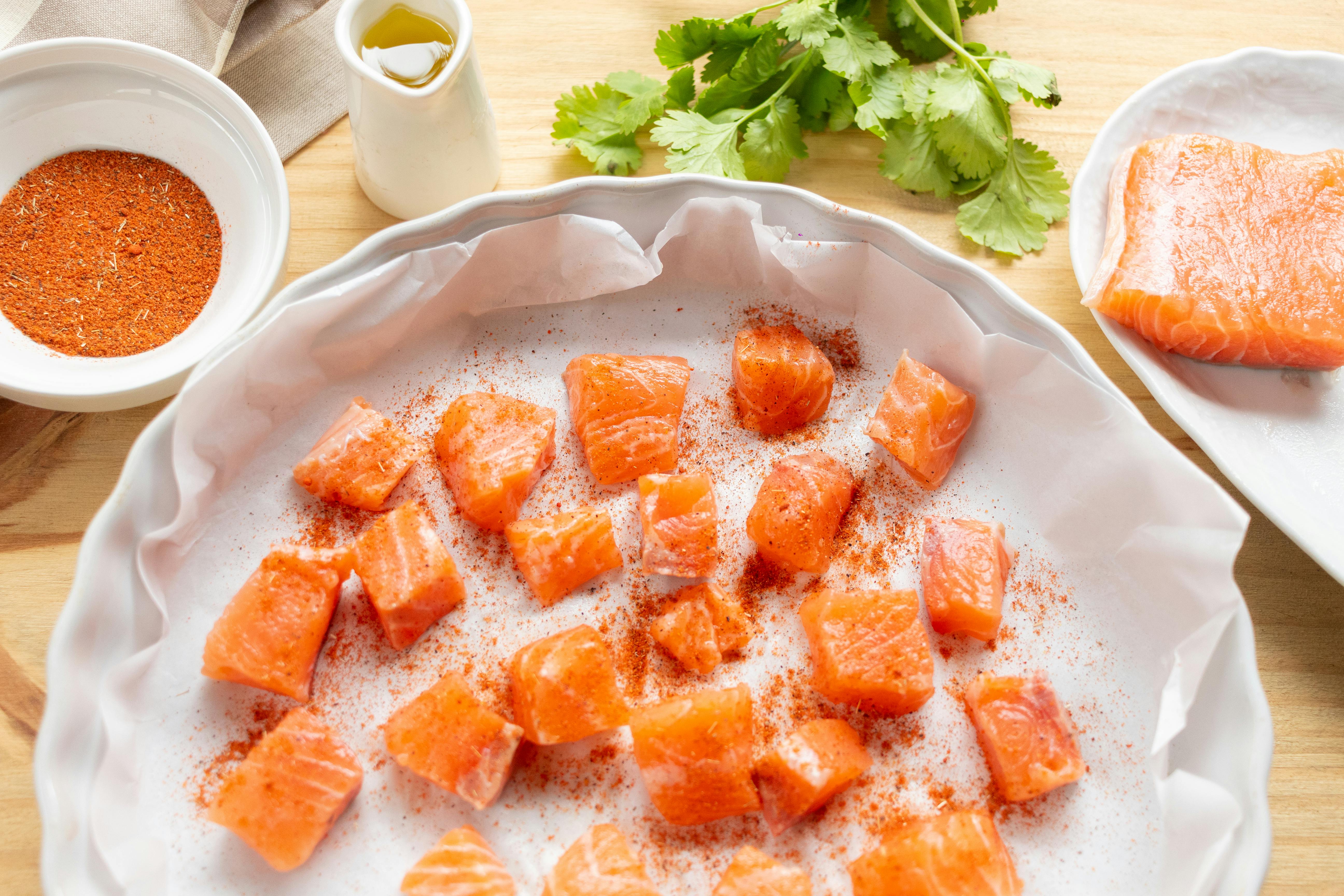
Lemon-Herb Rub: Combine 1 teaspoon dried dill, 1 teaspoon garlic powder, 1 teaspoon lemon zest, and half a teaspoon of sea salt.
Smoky Paprika Rub: Mix 1 teaspoon smoked paprika, 1 teaspoon brown sugar, half a teaspoon garlic powder, and half a teaspoon black pepper.
Curry-Coconut Rub: Blend 1 teaspoon curry powder, 1 teaspoon coconut sugar, half a teaspoon turmeric, and a pinch of cayenne.
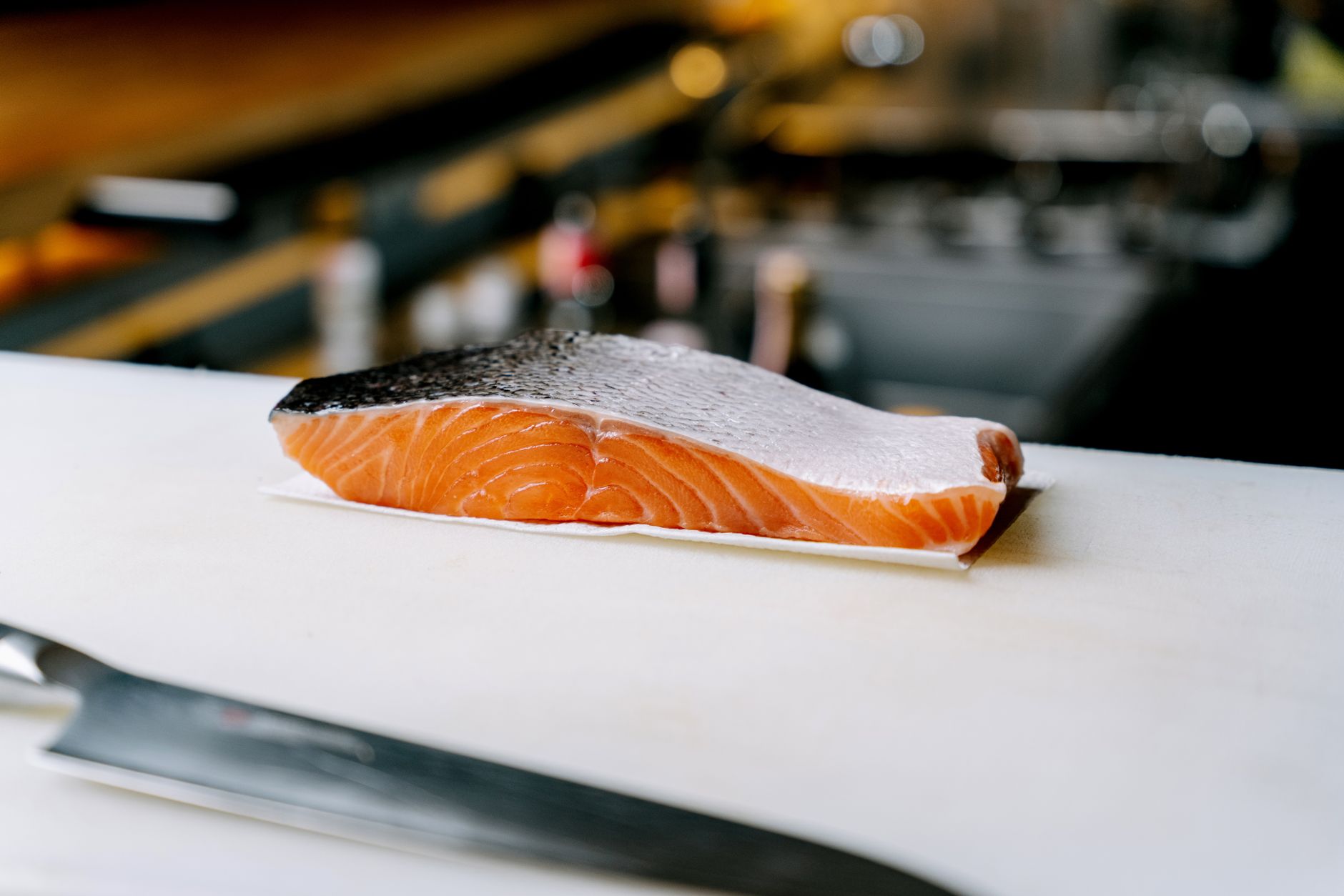
Step 1: Pat the salmon fillets dry with paper towels. Remove any pin bones with tweezers.
Step 2: Apply the rub evenly on all sides. Press gently so the seasoning adheres.
Step 3: Let the seasoned fillets rest at room temperature for 10 minutes.
Step 4: Heat a cast-iron skillet over medium-high heat for 2 minutes. Add one tablespoon of olive oil.
Step 5: Place the fillets skin-side down. Cook for 6 minutes without moving them.
Step 6: Flip carefully and cook for another 4 minutes for medium doneness (internal temperature of 135 degrees Fahrenheit).
Step 7: Rest the salmon for 3 minutes before serving. This allows the juices to redistribute.
Storage: Homemade seasoning blends keep for 5 to 7 days in a sealed container at room temperature. Keep them away from heat and direct sunlight. For longer storage, place them in the refrigerator for up to 2 weeks. Discard if the spices lose their aroma or develop clumps from moisture.
Tips for Seasoning Salmon Skin
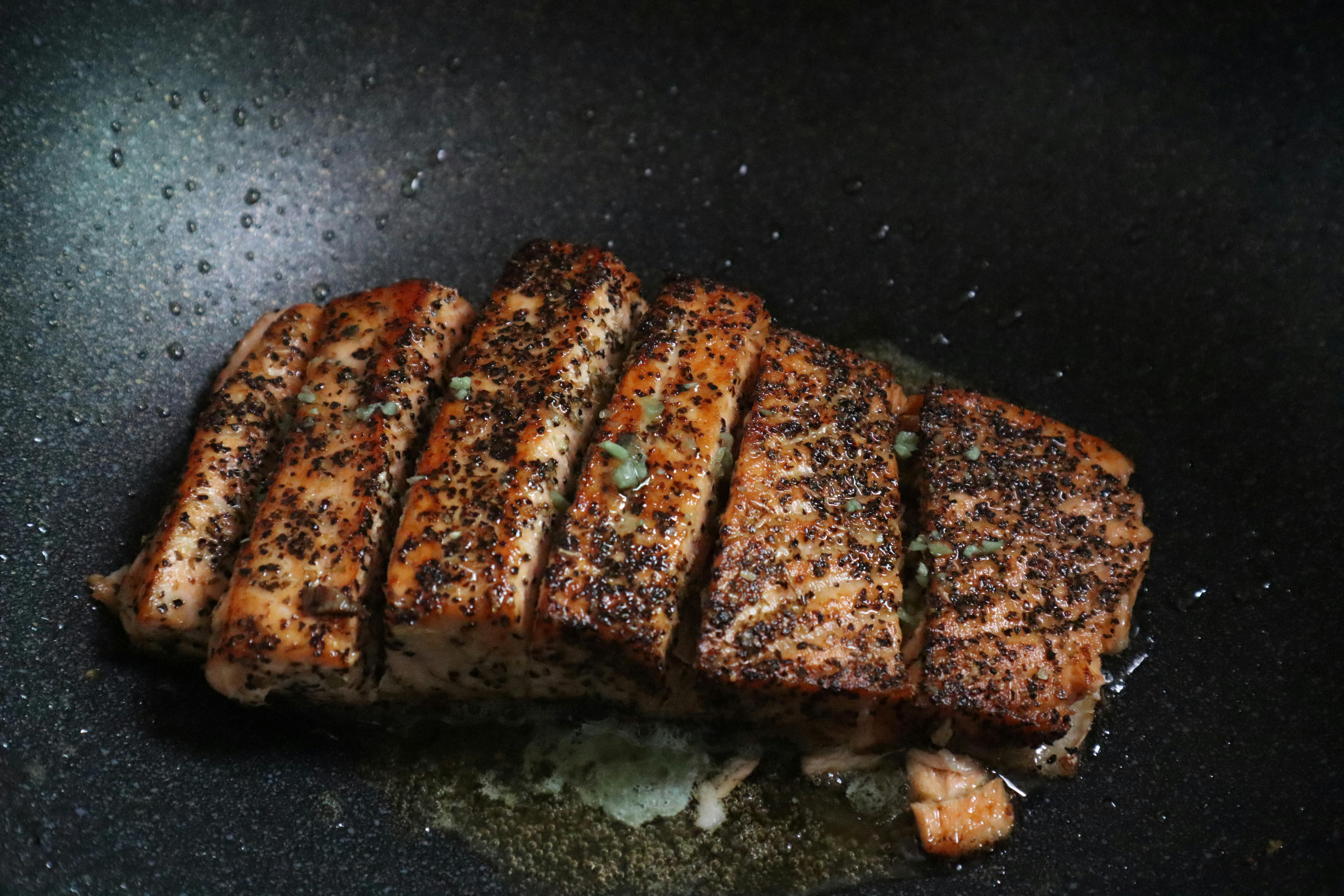
Many people discard the skin, but seasoned properly it becomes the best part. Pat the skin completely dry before seasoning. Use a generous amount of salt on the skin to draw out moisture and ensure crispiness. Avoid sweet ingredients on the skin they burn before the skin crisps. Cook the salmon skin-side down for the majority of the cooking time. A well-seasoned skin should be golden brown and shatteringly crisp after about 7 to 8 minutes over medium heat.
Pro Tips for Perfectly Seasoned Salmon
Seasoning salmon well requires more than just mixing spices. Here are three techniques that make a real difference.
Dry the fillet thoroughly. Moisture is the enemy of seasoning. Water creates a barrier that prevents spices from sticking and leads to steaming instead of searing. Use paper towels to blot both sides until the surface feels tacky.
Season in layers. Apply salt first, then add your rub or herbs. This ensures the salt penetrates the flesh while the other seasonings stay on the surface for maximum flavor impact.
Let the seasoning rest. After applying the rub, let the salmon sit for 10 to 15 minutes at room temperature. This allows the flavors to meld and the salt to begin curing the surface slightly, which improves texture.
A common error beginners make is applying too much rub. A thick layer does not mean more flavor it means a burnt, bitter crust. Use about one tablespoon of rub per 6-ounce fillet and spread it thinly.
Frequently Asked Questions
When is the best time to season salmon before cooking?
Season salmon 15 to 20 minutes before cooking for optimal flavor penetration. If you are short on time, 10 minutes still helps the seasoning adhere. Avoid seasoning more than 30 minutes ahead, as the salt can begin to cure the fish and alter its texture.
Can I use these seasoning blends on frozen salmon?
Yes, but thaw the salmon first for best results. Seasoning does not stick well to frozen surfaces, and the ice crystals dilute the spices during cooking. Thaw in the refrigerator for 8 hours or in cold water for 30 minutes before applying any rub.
How long do homemade seasoning blends stay fresh?
Ground spice blends stay fresh for 1 to 2 months when stored in a cool, dark place. Whole spices last longer up to 6 months. Check the aroma before each use. If the blend smells flat or musty, it has lost its potency and should be replaced.
Are common salmon seasonings Halal-friendly?
Most herbs and spices are naturally Halal. The concern lies in pre-made seasoning blends that may contain non-Halal additives like alcohol-based extracts or undisclosed flavorings. Look for blends with Halal certification from recognized bodies such as JAKIM, IFANCA, or HMC. When making your own rubs, you control every ingredient.
Can I use these rubs on other types of fish?
Absolutely. These rubs work well on trout, cod, sea bass, and mackerel. Adjust cooking times based on the thickness of the fillet. For leaner fish like cod, add a tablespoon of oil to keep the seasoning from drying out during cooking.
What cooking method works best with seasoned salmon?
Pan-searing delivers the best crust for dry rubs. Baking at 375 degrees Fahrenheit works well for wet marinades and glazes. Grilling adds a smoky dimension but requires oil on the grates to prevent sticking. Air-frying at 380 degrees for 10 minutes produces a crisp exterior with minimal oil.
How do I keep seasoning from burning in the pan?
Sugar and garlic powder burn quickly due to their low smoke points. Prevent this by cooking over medium heat rather than high heat. Add a thin layer of oil to the pan before placing the salmon. If you see dark smoke forming, reduce the heat immediately. For sweet rubs, finish the salmon in the oven at 350 degrees instead of cooking entirely on the stovetop.
More You Might Like
If you enjoyed this guide, you may also find our list of 25 foods to eat after wisdom teeth removal helpful properly seasoned salmon is a soft, protein-rich option that fits many recovery diets.
For broader meal planning, our article on Healthy food weight loss includes salmon recipes that pair well with the seasoning blends covered above.
Conclusion
The right salmon seasonings transform a simple fillet into a memorable meal. Start with the basics salt, pepper, and lemon then explore herbs like dill and rosemary, or bolder spices like curry and smoked paprika. Making your own rubs gives you full control over ingredients and flavor. Next time you prepare salmon, try one of the blends above and notice the difference in taste and texture. Experiment with different combinations and let your palate guide you.
FAQs
When is the best time to eat or drink Salmon seasonings?
Salmon seasonings are best applied to the fish 15 to 20 minutes before cooking to allow flavors to penetrate. For dry rubs, season just before cooking. Avoid seasoning too far in advance as salt can alter texture.
What is the shelf life of homemade salmon seasonings after opening?
Homemade salmon seasoning blends stay fresh for 5 to 7 days at room temperature in a sealed container. Refrigerating extends shelf life to 2 weeks. Ground spice blends last 1 to 2 months stored in a cool, dark place. Check aroma before use; if flat, replace.
What is the difference between homemade salmon seasonings and store-bought blends?
Homemade salmon seasonings contain no artificial additives, control sodium, and allow flavor customization. Store-bought blends often include anti-caking agents, MSG, and high salt levels. Homemade rubs are also more cost-effective and Halal-friendly if you source ingredients yourself.
Is it safe to use salmon seasonings daily?
Yes, using salmon seasonings daily is safe when portioned correctly. Limit sodium intake by using about one teaspoon of rub per fillet. Herbs and spices are healthy in moderation. Avoid blends with high sugar or artificial preservatives for regular use.
Where can I buy high-quality salmon seasonings?
You can buy salmon seasonings from grocery stores, specialty spice shops, or online retailers. Look for Halal-certified blends from brands like Badia, Spice World, or local halal markets. For guaranteed freshness, make your own rubs using whole spices.