Frozen pizzas offer a quick, convenient meal solution thats hard to beat. Whether youre juggling work, family, or just craving an easy dinner, frozen pizzas come to the rescue with variety and taste. But not all frozen pizzas meet the same quality standardsespecially when looking for Halal-certified or healthier options. This guide explores what to look for on labels, how to spot quality signals, and ranks popular frozen pizzas from worst to best to help you shop smarter.
Choosing Frozen Pizzas
What to Check on Labels
Reading frozen pizza labels carefully is your best bet for both health and Halal assurance. Start by seeking the Halal certification logo from trusted bodies like JAKIM, HMC, or IFANCA, especially if Halal compliance is important to you.
Ingredients come next. The ingredient list is ordered by weight, so the first few ingredients tell you what really makes up the pizza. Avoid products with excessive artificial preservatives, hydrogenated oils, or unrecognizable additives. Look for whole ingredients like real cheese, natural tomato sauce, and authentic spices.
Nutrition facts also matter, particularly sodium and saturated fat. Many frozen pizzas contain over 600mg sodium per serving, nearly 25% of the recommended daily value, so moderation is key. Some brands have better clean-label options with lower sodium and no added sugars.
Lastly, packaging often highlights brand claims. Watch out for buzzwords like natural or artisan without certification or ingredient transparency. These can sometimes be misleading.
| Certification | Price Range | Common Formats | Shelf Life | Key Allergens |
|---|---|---|---|---|
| JAKIM, HMC, IFANCA | $5$15 | Whole, Thin Crust, Personal Size | 912 months (frozen) | Wheat, Dairy, Soy, Sometimes Nuts |
Quality Signals to Spot
Look for pizzas listing real mozzarella or a blend of cheeses rather than generic cheese product. Ingredient transparency and absence of fillers like textured vegetable protein show higher quality.
Crust ingredients matter, too. Whole-grain flour or stone-baked crusts add fiber and a better texture. Some brands emphasize gluten-free or organic options as well.
Also consider portion size and packaging sizeare slices reasonable or overly large? Packaging thats easy to open and includes separate compartments for toppings can enhance convenience and freshness.
Frozen Pizzas Ranked
16. Totinos
Known for budget-friendly party pizzas, Totinos often sacrifices on quality. The crust is overly soft, and the flavor is quite basic with noticeable fillers. Halal options are limited or unavailable. Best for ultra-budget and casual snack moments.
15. Tombstone
Tombstone offers accessible frozen pizzas with a thicker crust and moderate toppings. Flavor is average, and ingredient quality is standardnot exceptional. Watch for high sodium content. Halal certification is not generally provided.
14. Home Run Inn
Home Run Inn spices up its frozen pizzas with quality cheese and a buttery crust. While better than many mass-market options, it lacks Halal certification, making it less suitable for Muslim consumers seeking assurance.
13. Peps Drafthaus
Peps features casual, easy-to-bake pizzas with balanced flavors. Ingredients tend to be mid-range, with surprising attention to crust texture. Halal certification is rare, so label vigilance is necessary.
12. DiGiorno
DiGiorno is popular for its rising crust and consistent bake quality. The flavor profile is rich but leans on preservatives. Halal sourcing varies by market, so checking labels or contacting manufacturers is recommended for Halal shoppers.
11. Red Baron
Red Baron offers dependable flavor with a thin to medium crust. Ingredient transparency isnt great, and Halal certification is not typical. Its a convenient choice if Halal isnt a priority.
10. Miltons Craft Bakers
Miltons stands out for gluten-free options, making it great for allergy-sensitive consumers. Its ingredients are generally free from artificial colors and flavors. Halal status should be clarified individually.
9. California Pizza Kitchen
Known for fresh style and gourmet appeal, CPK frozen pizzas usually feature higher quality cheese and sauce. Some varieties carry Halal certification, aligning with health-conscious shoppers.
8. Pizza Roncadin
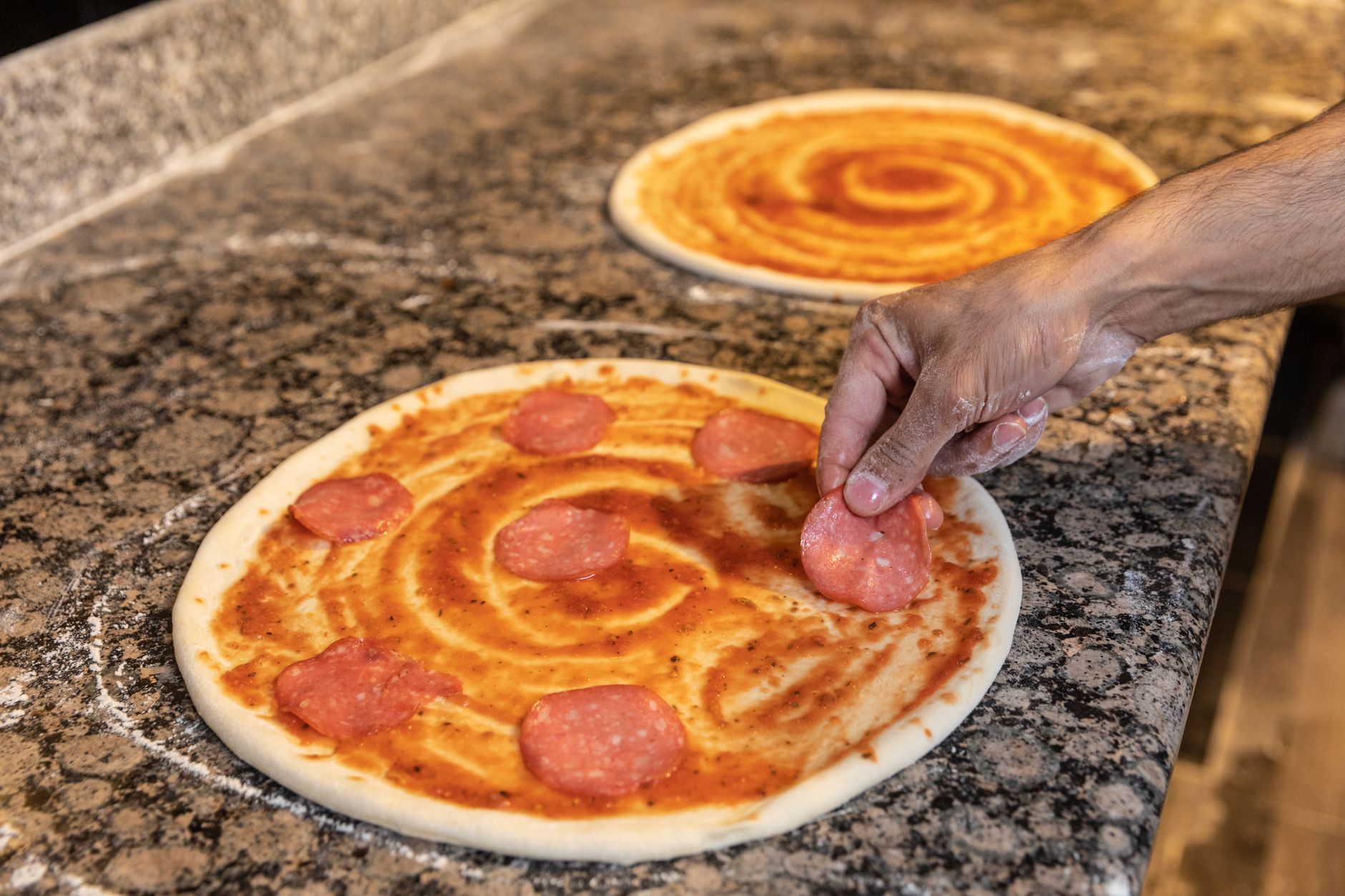
Pizza Roncadin is known for balanced flavor and crisp crust with reasonable prices. Halal-certified packs are sometimes available in select markets. A solid choice for value-conscious shoppers.
7. Amys
Amys highlights organic and vegetarian ingredients. Their pizzas use quality, clean-label components with clear allergen labeling. Some of their varieties are Halal-compliant but always verify on packaging.
6. Sabatassos
Sabatassos focuses on craft-style pizzas with robust flavors and real cheese blends. Their sourcing emphasizes quality, but Halal certification varies, making label awareness important.
5. Kirkland Signature
Kirkland Signature from Costco balances quality and price well. It often includes Halal-certified products with clear labeling. Their pizzas have generous toppings and consistent crust texture.

4. Freschetta
Freschettas claim to fame is a thick, flaky crust and fresh-tasting sauce. Their certified Halal options are limited, but ingredient transparency is strong. Taste and texture are consistently praised.
3. Urban Pie
Urban Pie offers artisan-style pizzas with unique topping blends, appealing to foodies wanting frozen convenience. Halal certification is on select items, so check before buying.
2. Screamin Sicilian
Screamin Sicilian focuses on bold flavors, spicy toppings, and oversized slices. Their ingredient quality aligns with a premium kitchen approach. Verified Halal options exist in some markets, making it a popular choice for many.
1. Authentic Motor City Pizza Co.
At the top of the list is Authentic Motor City Pizza Co., offering genuine flavor with clear Halal certification. Their ingredient sourcing is traceable, and quality is uncompromised. This makes them a leader for Halal and health-conscious consumers.
Benefits & Drawbacks
Why Choose Frozen Pizzas?
Frozen pizzas are a must-have for busy days. They save you cooking time, clean-up hassle, and last for up to 12 months frozen. Ready in 1220 minutes, they beat takeout wait times. The variety available means theres likely an option for every taste and dietary need.
Nutritional Factors
Frozen pizzas can be high in sodium, saturated fat, and sometimes preservatives. According to the USDA FoodData Central, an average frozen pizza slice contains between 420mg and 700mg sodium. Watch your portions and complement your meal with fresh veggies or salads for balance.
Healthier Frozen Pizza Tips
- Choose brands offering organic, whole grain, or gluten-free crusts.
- Look for Halal certification to ensure meat and cheese sources meet your dietary standards.
- Add fresh vegetables or lean proteins after baking to increase nutrients.

Consumer Feedback
Common Complaints
Many customers complain about inconsistent cooking results, especially soggy crusts or burnt edges. Packaging thats hard to open and confusing oven instructions are frequent pain points. Some buyers also expect more toppings for the price paid.
What Customers Love
Fans praise quality Halal-certified pizzas for peace of mind and trustworthy ingredients. Flavorful sauce, crisp crust, and generous cheese often get the highest marks. Convenience and shelf stability also top the list of positives.
Buying Tips
The most overlooked mistake is ignoring certification logos. Many pizzas appear Halal-friendly but lack official approval, risking cross-contamination or non-Halal ingredients.
Cheap versions often cut corners on cheese quality, using blends with fillers, and rely heavily on preservatives. This affects taste and health.
One expert tip: Opt for pizzas with simple ingredient lists and verify the source of meat products. Authentic Halal brands usually list their certification and provide traceability.
For more meal ideas that fit your busy life and dietary priorities, explore Prepared foods delivered options or check out Costco prepared foods.
Is frozen pizza actually Halal what should I check?
Check for trusted Halal certification logos like JAKIM, HMC, or IFANCA on the packaging. Confirm that all meat and dairy ingredients come from Halal sources. Avoid products that lack clear certification or use ambiguous terms like "natural" without proof. When in doubt, contact the manufacturer for details.
How long can frozen pizzas be stored?
Frozen pizzas typically last 912 months when kept continuously frozen at 0F (-18C). Once opened and stored in the refrigerator, consume within 34 days for best quality and safety.
Can frozen pizzas fit into a healthy diet?
Yes, if you manage portion sizes and choose options with lower sodium, fewer additives, and healthier crusts. Adding fresh toppings like vegetables improves nutrition and balance.
What oven temperature is best for cooking frozen pizza?
Most frozen pizzas bake well at 400F (204C) for 1216 minutes. Follow package instructions but keep an eye on crust doneness to avoid burning.
Are gluten-free frozen pizzas safe for people with celiac?
Gluten-free frozen pizzas made in dedicated facilities help reduce cross-contact risks. Always check packaging for gluten-free certification and allergen statements.
Do all frozen pizzas contain animal rennet in cheese?
Not all, but many do. For Halal compliance, look for cheese made with microbial or vegetable rennet. Halal-certified brands will specify rennet sources to assure consumers.
How to reheat leftover frozen pizza?
Preheat oven to 375F (190C), place pizza on a baking sheet, and heat for 810 minutes until thoroughly warmed. Avoid microwaving for best texture.
What ingredients increase frozen pizza shelf life?
Preservatives like sodium propionate and calcium propionate are common. Modified atmosphere packaging and freezing technology also extend shelf life without sacrificing flavor when used properly.
More You Might Like
Discover delicious, time-saving Prepared foods delivered for easy dinners with Halal assurance. Explore how Costco meets diverse dietary needs with their Costco prepared foods selections offering quality, taste, and convenience.
Conclusion
Frozen pizzas provide an easy way to enjoy a tasty meal, especially when you pick carefully. By checking Halal certification, ingredient quality, and nutrition facts, you can find delicious frozen pizzas that fit your health-conscious lifestyle. Next time you shop, take a moment to read the label and enjoy the convenience without compromise. Have your own favorite frozen pizza or tip? Leave a comment below to share!
FAQs
Is frozen pizzas actually Halal — what should I check on the label?
Look for trusted Halal certification logos such as JAKIM, HMC, or IFANCA on the packaging. Confirm that all meat and dairy ingredients come from Halal sources. Avoid products lacking clear certification or using ambiguous terms like "natural" without proof. When unsure, contact the manufacturer for clarification.
How long can frozen pizzas be stored after opening?
Frozen pizzas can be stored in the freezer for 9 to 12 months unopened. Once opened and refrigerated, consume within 3 to 4 days for best quality and safety. Always keep them sealed properly to prevent freezer burn or contamination.
What is the difference between frozen pizzas and freshly made pizzas?
Frozen pizzas offer convenience with longer shelf life and quick preparation but may contain preservatives and less fresh ingredients. Fresh pizzas are made to order with fresher toppings but require more time to prepare and consume.
Are frozen pizzas safe to eat daily for a healthy diet?
While frozen pizzas can fit into a healthy diet if eaten in moderation, watch for high sodium, saturated fat, and preservatives. Choosing brands with better ingredients and adding fresh vegetables can improve nutritional balance.
Where can I buy Halal-certified frozen pizzas?
Halal-certified frozen pizzas are available at many supermarkets, specialty Halal stores, and online retailers. Look for major brands with certification logos or shop at stores known for Halal products to ensure compliance with dietary requirements.