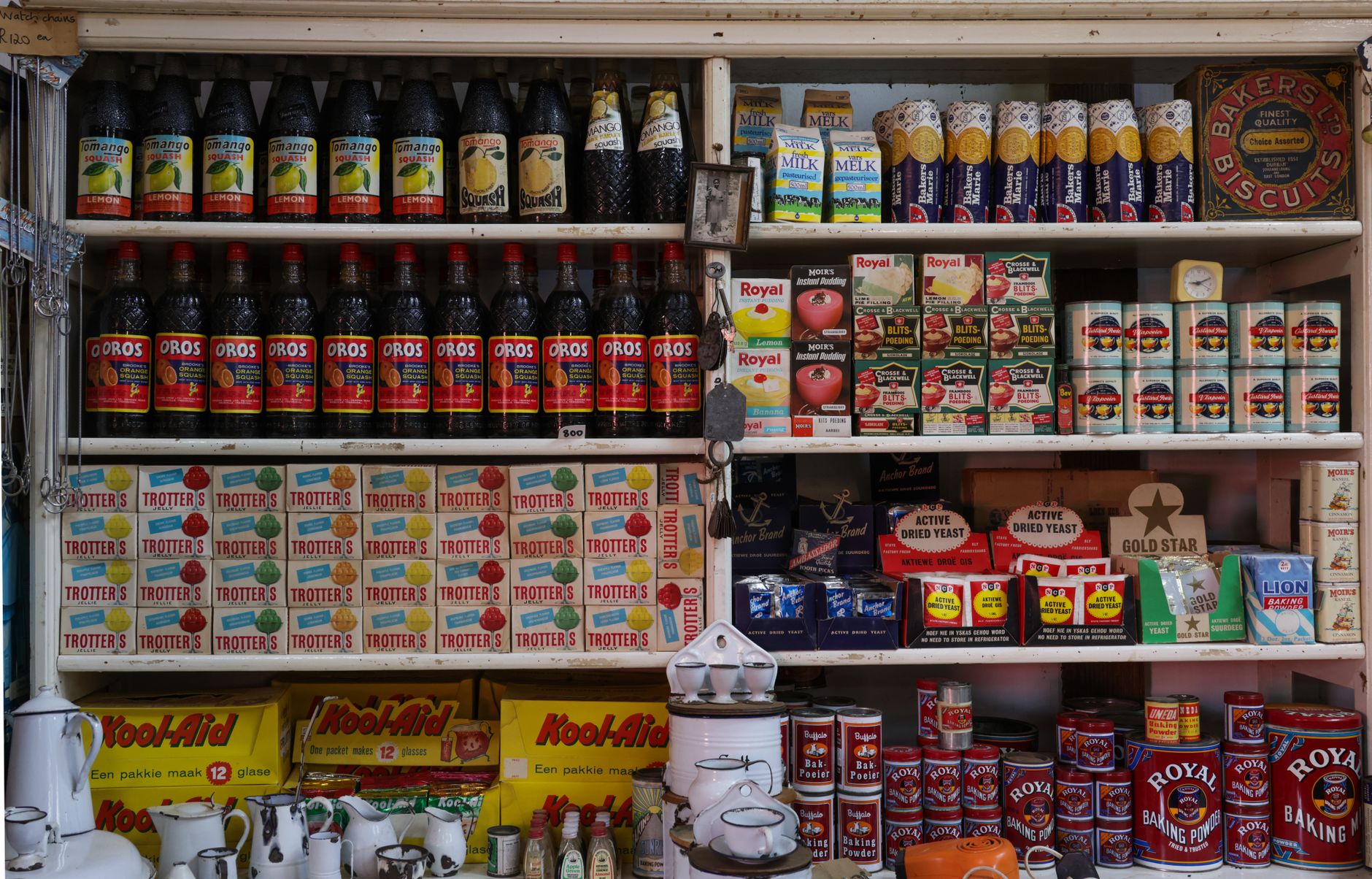
The phrase Great Depression foods often brings to mind recipes born out of desperate times. During the 1930s, people crafted meals using whatever humble ingredients they had on hand. Scarcity pushed cooks to stretch every morsel, inventing dishes that were both resourceful and sometimes downright strange. These foods reveal an eras resilience and shaped American food culture in surprising ways.
What Were Great Depression Foods?
Great Depression foods are defined by simplicity, affordability, and ingenuity. Families relied on staple ingredients that were easy to store, budget-friendly, and versatile. The goal was to create filling meals with minimal waste, often turning to vegetables, dried or canned goods, and inexpensive cuts of meat.
While such dishes helped many stretch their pennies, they also sometimes sacrificed nutritional balance. Relying heavily on starches or preserved items led to vitamin shortages and monotony, but in those days, a full belly was often the primary victory.
What Ingredients Were Commonly Used in Depression Era Recipes?
Starch-based ingredients like potatoes, cornmeal, and beans were common. Prunes and molasses offered inexpensive sweetness. For protein, cheap cuts of meat or dried eggs appeared in recipes, along with canned fish or peanut butter. Foods like dried onions, cabbage, and dandelions helped add variety when fresh produce was scarce.
The availability of ingredients also shifted by region. In the South, cornmeal and black-eyed peas dominated, while the Midwest favored potatoes and canned tomatoes. This regional diversity created subtle recipe variations across the country.
How Did Economic Hardship Shape Food Choices?
When money was tight and unemployment high, stretchability was everything. Food had to last, be filling, and cost as little as possible. Rationing during the era further limited access to meat and dairy.
People often shared recipes and food-saving tips through newspapers or community gatherings. Personal diaries from Depression survivors reveal stories about how families combined prunes with potatoes or squeezed the flavor out of stale bread to avoid waste.
Cooking became an act of creativity and survival. Canning and preserving were essential skills to ensure year-round supply, especially for those with gardens or access to farmland.
Popular and Unusual Depression Era Recipes
Some dishes of the Great Depression era have become culinary curiosities. They demonstrate resourcefulness and the will to adapt to hardship, while others simply showcase what happened when necessity met experimentation.
What is Prune Pudding and Why Was It Popular?
Prune pudding is a sweet, soft dessert made by boiling prunes with sugar, sometimes with a cornmeal base or baked custard format. Prunes provided natural sweetness and dietary fiber, helpful when refined sugars were costly or scarce.
This dish doubled as a treat and a digestive aid, appreciated in many homes. Prune pudding was easy to prepare and used long-lasting dried fruit that could be stored without refrigeration.
How Did Potato Soup Become a Staple Depression Food?
Potato soup emerged as an affordable, satiating meal. Potatoes were plentiful, easy to grow, and versatile. Soup stretched a few ingredients into a filling dish, often enhanced with dried onion, canned broth, or small meat scraps.
The soups creamy texture made it comforting, while using cheap potatoes kept costs low. It became synonymous with family dinners where every bite counted.
What Are Some Truly Bizarre Depression Era Foods?
When options were limited, some combinations sound strange today. A few examples:
- Peanut Butter and Pickle Sandwiches: The salty crunch of pickles paired with creamy peanut butter amazed many, though opinions vary!
- Peanut Butter-Stuffed Onions: Raw onions hollowed and filled with peanut butteran acquired taste that packed protein and bite.
- Dandelion Salad: Wild greens like dandelion leaves added vitamins and variety, though their bitterness divided palates.
These dishes reflect innovation under pressure, mixing flavors and textures out of necessity rather than culinary desire.
| Recipe | Main Ingredients | Flavor Profile | Key Advantage |
|---|---|---|---|
| Prune Pudding | Prunes, cornmeal, sugar | Sweet, mild | Long-lasting, fiber-rich |
| Potato Soup | Potatoes, onion, broth | Savory, creamy | Filling, cheap |
| Hoover Stew | Macaroni, canned tomatoes, hot dogs | Hearty, savory | Stretchable, meat-substitute |

Health and Nutrition
Great Depression foods provided necessary calories during starvation risks but were often low in vitamins A, C, and protein quality. Heavy reliance on starches like potatoes and cornmeal created energy-dense but micronutrient-poor diets.
Experts in nutritional history note that many families experienced deficiencies leading to health issues such as scurvy and anemia. However, food preservation methods like drying fruits and pickling vegetables added some vitamin retention, especially important during winter months.
Were These Foods Nutritious or Just Fillers?
While calorie-rich, many Depression-era dishes fell short on balance. The USDA FoodData Central notes potatoes provide vitamin C, but overcooking diminishes it. Prunes offered iron and potassium but little protein. Meat was scarce, so proteins and fats were minimal, weakening overall diet quality.
Ultimately, these foods were life-saving fillers, not ideal nutrition. They kept hunger at bay when options were limited, though lacked diversity and modern health-conscious standards.
Can Depression Era Foods Still Be Part of a Healthy Diet Today?
Yeswith adjustments. Modern cooks can honor tradition while balancing flavors and nutrition. Enhancing potato soup with fresh herbs and Halal-certified meat adds protein and vitamins. Using natural sweeteners and less refined sugar in prune pudding improves its profile.
Recipes evolved by adding fresh vegetables, lean meats, or probiotic-rich pickles stay hearty yet wholesome. Many ingredients in Depression foodslike prunes and potatoesremain staple healthy options when prepared mindfully.
You may find it interesting how certain brands parallel that mix of convenience and tradition, such as Jimmy dean breakfast sandwiches, which blend heritage flavors with modern Halal practices.
Cultural Legacy and Persistence
Some Depression-era foods persist today as nostalgic or regional staples. Recipes handed down through families keep the resilience and ingenuity alive. They also remind us that good taste often arises from necessity.
What Are Old American Dishes That Originated From the Great Depression?
Dishes like Hoover Stewa mix of macaroni, canned tomatoes, hot dogs, and cornoriginated in these lean years. Water pie, made from water, sugar, flour, and butter, became a surprising dessert with zero-cost ingredients. These simple meals tie directly to Depression-era hardship but celebrated creativity.
Some eateries pay tribute to this era, offering comfort foods steeped in history. If you enjoy modern bakeries rooted in tradition, places like Corner bakery cafe show how heritage and innovation combine.
| Recipe | Traditional Ingredients | Modern Adaptation |
|---|---|---|
| Hoover Stew | Macaroni, canned tomatoes, hot dogs | Add Halal sausage, fresh tomato sauce |
| Water Pie | Water, sugar, flour, butter | Use whole wheat flour, less sugar |
| Prune Pudding | Prunes, sugar, cornmeal | Add spices like cinnamon, use honey |

Depression Era Recipes to Try
| Prep Time | Cook Time | Total Time | Servings | Calories | Diet Tags |
|---|---|---|---|---|---|
| 10 min | 30 min | 40 min | 4 | 180 kcal | Halal, Gluten-Free* |
*Use gluten-free cornmeal for gluten-free adaptation.
Potato Soup Recipe
- Peel and dice 4 medium potatoes into -inch cubes.
- Chop 1 medium onion finely.
- In a large pot, melt 2 tablespoons unsalted butter over medium heat.
- Add onions and cook for 5 minutes, stirring, until translucent.
- Add potatoes and 3 cups Halal-certified vegetable or chicken broth.
- Bring to a boil, then simmer on low heat for 20 minutes, until potatoes are tender.
- Use an immersion blender to puree half the soup for creaminess, leaving some chunks.
- Season with salt (about 1 tsp) and pepper to taste.
- Optional: Stir in cup milk or cream for richer flavor; heat gently for 2 minutes.
- Serve hot with chopped fresh parsley or green onions.
Prune Pudding Recipe
- Chop 1 cup dried, pitted prunes.
- In a saucepan, combine prunes with 2 cups water and cup sugar.
- Bring to a boil and simmer for 15 minutes until prunes soften.
- Mix cup cornmeal with 1 cup milk until smooth.
- Slowly stir cornmeal mixture into prune liquid.
- Cook on low heat for 8 minutes, stirring constantly until thickened.
- Pour into greased baking dish; bake at 350F (175C) for 20 minutes until set.
- Cool 10 minutes before serving. Optionally sprinkle cinnamon on top.
Storage Tips
- Potato soup keeps for 4 days in a sealed container refrigerated at 4C (39F).
- Prune pudding lasts 35 days refrigerated and should be covered tightly.
- Reheat gently on low heat to avoid curdling or drying out.
Pro Tips for Best Flavor
For potato soup, cook potatoes in broth (not water) to boost savory depth. Dont overblend; texture adds interest. For prune pudding, constant stirring during cornmeal cooking prevents lumps and ensures silky texture. Experiment with cinnamon or nutmeg for warmth. Using Halal-certified butter and broth guarantees your dish meets dietary requirements (look for JAKIM or HMC logos on products).
When is the best time to eat Great Depression foods?
These hearty meals work well for lunch or dinner when you want a filling, comforting dish. Potato soup shines during cooler months, offering warmth and satisfaction. Prune pudding is a sweet finish suitable as a snack or dessert after meals.
Is Great Depression food suitable for a Halal diet?
Many Depression-era recipes rely on naturally Halal ingredients like vegetables, fruits, and grains. However, when they include meat, choose Halal-certified options verified by certification bodies such as JAKIM, IFANCA, or HMC to ensure compliance. Always check labels carefully for certification logos.
Can I modify Great Depression recipes to be gluten-free?
Yes. Substitute wheat-based components like all-purpose flour or macaroni with gluten-free versions, such as cornmeal, rice flour, or gluten-free pasta. For prune pudding, use gluten-free cornstarch or cornmeal. Adjust liquid ratios slightly for best texture.
What are common mistakes when making Depression-era recipes?
Overcooking starches can make dishes gummy or bland. Not seasoning adequately results in flat profiles. Underestimating cooking times for dried fruits or legumes can leave tough bits. Taking time to prepare ingredients thoughtfully enhances both taste and nutrition.
How can I balance nutrition in these recipes?
Add fresh vegetables like carrots, spinach, or bell peppers to increase vitamin content. Use Halal lean proteins like chicken or legumes for extra protein. Incorporate herbs and spices to reduce the need for excess salt or sugar.
Are canned and dried ingredients preferable for these recipes?
Canned and dried foods offer long shelf life and were essential during the Great Depression for preservation. Today, quality and nutrition vary, so choose products with no added preservatives or artificial flavors, and check for Halal certification where applicable.
Are there modern alternatives that mimic Great Depression foods?
Many crave nostalgia but want modern convenience and health. Ready meals using Halal grains, fresh vegetables, and natural sweeteners honor the spirit. Brands blending vintage flavors with clean labels are growing popular, offering both comfort and assurance.
More You Might Like
Discover family breakfast options with trusted ingredients like Jimmy dean breakfast sandwiches, perfect for quick mornings. Also, explore classic baked goods and wholesome meals rooted in tradition at Corner bakery cafe.

Great Depression foods remind us of how creativity and careful resource use shaped meals in hard times. Next time you shop, try spotting Halal-certified ingredients and give one of these classic recipes a try. You might just discover new favorites steeped in history and tradition.
FAQs
When is the best time to eat or drink Great Depression foods?
Great Depression foods are best enjoyed at lunch or dinner as hearty, filling meals. Potato soup is especially comforting during cooler months, while prune pudding works well as a sweet snack or dessert after meals.
How long do Great Depression food recipes typically last after preparation?
Potato soup can be refrigerated and kept for up to 4 days in a sealed container, while prune pudding lasts much longer—about 35 days when tightly covered and refrigerated.
How do Great Depression foods differ from typical modern comfort foods?
Great Depression foods focus on simplicity, affordability, and stretching limited ingredients. Unlike modern comfort foods, they often use preserved or inexpensive staples, resulting in lower nutritional variety but higher resourcefulness during hard times.
Are Great Depression foods safe to eat daily?
While they provide necessary calories, many Depression-era foods lack balanced nutrition if eaten daily. Adding fresh vegetables and lean proteins can make these recipes healthier and more suitable for regular consumption.
Where can I find authentic ingredients or recipes for Great Depression foods today?
Ingredients like potatoes, prunes, and cornmeal are widely available in grocery stores. For authentic recipes, look for historical cookbooks, online archives, or specialty blogs dedicated to Depression-era cooking traditions.