You know that feeling. The aroma of garlic butter hits you the second you walk through the door, and suddenly a basket of warm, doughy breadsticks becomes your top priority. But finding the best breadsticks fast food can legally sellwhile also respecting your Halal diettakes a little effort. You need a stick that is soft on the inside, golden on the outside, and completely free of questionable ingredients. Let‘s break down which chain delivers the most satisfying bite, what to look for on the label, and how to make sure every ingredient meets your standards.
What Defines the Best Breadsticks?
How Do Fast Food Breadsticks Compare to Italian Restaurant Breadsticks?
When searching for the best breadsticks fast food chains have to offer, texture is the first battleground. Italian restaurants like Olive Garden serve breadsticks that are pillowy and airy because the dough undergoes a slow, lengthy rise. Fast food versions use a faster proofing process to keep up with demand. This results in a slightly firmer, denser crumb that holds up better inside a takeout bag. The crust is often crunchier, but the interior should still feel tender rather than dry.
What Ingredients Matter Most in Great Breadsticks?
The foundation is simple: high-gluten flour, yeast, water, and a good amount of fat. The real difference comes from the topping. You want real garlic, not just garlic powder, and genuine butter rather than margarine or hydrogenated oils. For Halal-conscious shoppers, the source of the butter and any "natural flavors" in the spread is critical. Some chains use vegetable oil blends to cut costs, but this leaves a greasy film rather than a clean, rich finish.
Spotlight on the Top-Rated Chain
What Does Their Breadstick Recipe Include?
Let‘s look closely at a popular fast food offering, such as the breadsticks from a major pizza chain. The primary ingredients typically include enriched wheat flour, water, soybean oil, yeast, and sugar. The garlic sauce is where you need to pay attention. If the ingredient list says "butter flavor" or "natural flavors" without specifying the source, the chain may not be suitable for Halal diets without further verification. Look for chains that clearly state "real butter" or publish a full allergen and ingredient breakdown online.
Customer Experiences and Reviews
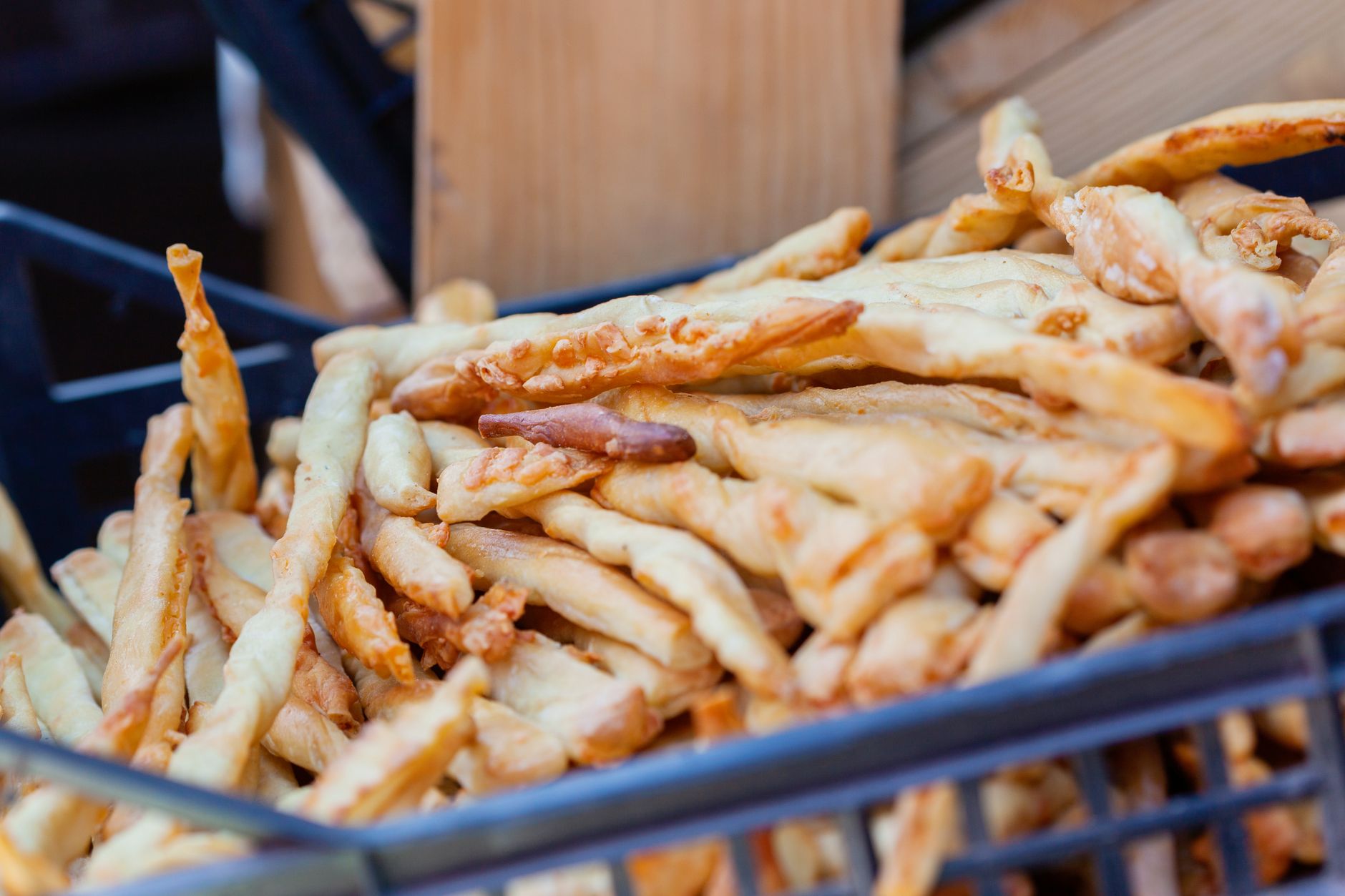
Regular customers consistently praise the chewy interior and the heavy coating of garlic butter. However, freshness is a recurring theme. If the breadsticks sit under a heat lamp for too long, they turn into dry, hard sticks. The best experience comes when you order during peak lunch or dinner hours when turnover is high. A fresh batch, straight from the oven, makes all the difference in texture and overall satisfaction.
Price Comparison: Olive Garden vs. Fast Food Chain
| Breadstick Type | Price per Serving | Portion Size | Taste Rating (out of 5) |
|---|---|---|---|
| Olive Garden Breadsticks | Free with entree | 2 sticks | 4.5 |
| Pizza Hut Breadsticks | $5.49 | 6 sticks | 4.0 |
| Domino‘s Twisted Breadsticks | $6.99 | 8 sticks | 4.2 |
Cheap Italian Breadsticks: Worth It?
Many fast food restaurants offer cheap Italian breadsticks that are essentially baked dough brushed with oil. They satisfy the craving for something bready and salty, but they often lack the rich depth that makes breadsticks memorable. These budget-friendly options sometimes contain hydrogenated oils or high-fructose corn syrup to keep production costs low. If you are health-conscious or following a strict Halal diet, these are the items to scrutinize most carefully. A low price tag often means low-quality fats and ambiguous additives.
Olive Garden vs. Fast Food Chains
Taste, Texture, and Freshness
Olive Garden breadsticks are famous for being soft, warm, and heavily salted. Fast food chains like Domino‘s offer a twisted format that creates more surface area for garlic and herbs, resulting in a crunchier bite. Pizza Hut‘s version is thicker and doughier, mimicking a soft bread roll. Freshness is the great equalizer. A breadstick fresh from the oven is a completely different product from one that has been sitting for twenty minutes. Always ask if a fresh batch is available.
Nutritional Information and Dietary Considerations
A single fast food breadstick contains between 180 and 250 calories. Sodium levels are high, often exceeding 420mg per serving. For Halal eaters, the main concern is the fat source and the dough conditioners. Ingredients like "vegetable monoglycerides" are generally acceptable, but "animal enzymes" require Halal certification to verify the source animal. Always check the chain‘s official allergen and ingredient matrix before ordering.
Choosing Your Ideal Breadsticks
Are You Looking for Flavor or Price?
If deep, buttery garlic flavor is your priority, spending a little more on a chain that uses real butter or a high-quality garlic spread is worth the cost. If you are simply looking for a vehicle for marinara sauce or ranch dressing, a cheaper, plainer breadstick will meet your needs without breaking the bank.
How Important is Authenticity and Italian Flavor?
For a more authentic Italian profile, you want a breadstick with a hint of olive oil, sea salt, and dried herbs like oregano or parsley. Many fast food chains skip the herbs to save money. Seeing "parsley" or "oregano" listed in the ingredients is a good sign of a higher-quality product. These breadsticks pair beautifully with different types of pizza, so feel free to explore our guide on types of pizza for the perfect combination.
Considering Convenience and Location Availability
Not every chain is available in every neighborhood. Sometimes the best option is simply the one closest to you. That said, always verify the Halal status of your local franchise. Some independently owned locations may use different suppliers than the corporate chain, so it pays to ask directly.
Halal Breadsticks Buying Guide
| Certification | Price Range | Common Formats | Shelf Life | Key Allergens |
|---|---|---|---|---|
| IFANCA, HMC, JAKIM | $4.99 - $8.99 | 6-pack, 8-pack, Party Tray | 2 days (room temp), 7 days (fridge) | Wheat, Gluten, Dairy, Soy |
Halal Breadsticks Pro Tips
The most overlooked mistake is assuming a breadstick is Halal simply because it appears vegetarian. "Natural flavors" is a hidden source of non-Halal ingredients. If a chain does not display a certification logo from a recognized body like IFANCA or HMC, request their full ingredient specifications in writing. Cheap versions disappoint because they substitute butter with margarine, creating a greasy feeling on the palate rather than a clean, rich taste.
An expert tip is to look for frozen Halal-certified breadstick brands at your local grocery store. These often have cleaner ingredient lists than fast food chains. Bake them at home in 8 to 10 minutes at 375 degrees Fahrenheit for a fresh, hot result that rivals any drive-thru option.
Breadsticks Storage Guide
If you bring leftover breadstick home, never leave them in the paper bag. Transfer them to an airtight container immediately. They stay fresh at room temperature for up to 2 days. For longer storage, refrigerate them for up to 7 days. To restore their original texture, reheat them in an oven or air fryer at 350 degrees Fahrenheit for 5 minutes. Avoid the microwave at all costs it makes the dough rubbery and tough.
Is best breadsticks fast food actually Halal what should I check?
Not all breadsticks are automatically Halal. You must look for a recognized certification logo from HMC (UK), IFANCA (USA), or JAKIM (Malaysia). If no logo is present, ask the restaurant about the source of the butter, emulsifiers like E471, and any natural flavors used in the garlic spread.
What is the most common Halal certification logo to look for on breadsticks?
The most widely recognized logos are the IFANCA crescent "M" and the HMC mark. In North America, IFANCA is very common. In Europe, HMC is the trusted standard. Always verify the logo directly on the packaging or the chain‘s official website before purchasing.
Are fast food breadsticks generally suitable for vegetarians?
Many are vegetarian, but some contain animal-derived enzymes in the dough or cheese. The garlic butter spread may also contain animal fats. Vegetarians should look for "plant-based butter" or "vegan garlic spread" indicators, which are becoming more common in major fast food chains.
What makes Olive Garden breadsticks so different from fast food ones?
Olive Garden bakes their breadsticks fresh throughout the day using a slow-rising dough. This creates a distinct, airy softness. Fast food chains generally use a faster proofing process and frozen dough, resulting in a denser texture. The generous brushing of salted butter also sets Olive Garden apart from the competition.
Do fast food breadsticks contain dairy or butter?
Most fast food breadsticks contain dairy, usually in the form of butter or whey in the dough. Some chains offer a dairy-free version using margarine or oil, but these are not the standard. If you are lactose intolerant, always request the allergen menu to confirm the fat source used in preparation.
What is the best way to reheat fast food breadsticks?
The best method is an air fryer or conventional oven. Preheat to 350 degrees Fahrenheit, lightly mist the breadsticks with water to add moisture back, and heat for 4 to 6 minutes. This restores a crisp exterior and a soft interior. Avoid microwaving, as it creates a tough, chewy texture.
Are there any low-carb or gluten-free breadstick options at fast food chains?
Gluten-free options are extremely rare in fast food breadsticks due to the high risk of cross-contamination in shared fryers. Some regional chains offer cauliflower-based sticks, but these are not standard. For Halal, low-carb options, you are better off buying certified gluten-free Halal breadsticks from a grocery store and baking them at home.
More You Might Like
If you enjoyed this guide to Halal breadsticks, you might love our breakdown of the best breakfast sandwiches for your morning commute.
Check out our detailed guide on the different types of pizza to find the perfect pairing for your next breadstick order.
Finding the best breadsticks fast food chains serve requires a bit of label reading and a willingness to ask the right questions. Whether you value the soft pull of a fresh dough stick or the crunch of a well-baked twist, prioritizing clean ingredients and proper certification makes the experience much better. Next time a craving hits, check the label, verify the logo, and enjoy your garlicky treat with total confidence. We would love to hear which fast food breadstick wins your top spot.
FAQs
Is best breadsticks fast food actually Halal — what should I check on the label?
Not all fast food breadsticks are automatically Halal. You must look for a recognized certification logo such as IFANCA, HMC, or JAKIM on the packaging or the chain's official website. If no logo is present, ask the restaurant about the source of butter, emulsifiers like E471, and any natural flavors used in the garlic spread. Verifying these ingredients ensures the breadstick meets Halal dietary requirements.
What makes Olive Garden breadsticks different from fast food breadsticks?
Olive Garden uses a slow-rising dough baked fresh throughout the day, resulting in a pillowy, airy texture. Fast food chains rely on faster proofing and often frozen dough, producing a denser, crunchier exterior. The generous brushing of salted butter also sets Olive Garden apart, while fast food versions may use oil blends or margarine to cut costs.
How long do fast food breadsticks stay fresh after opening?
Store leftover breadsticks in an airtight container immediately. They remain fresh at room temperature for up to 2 days. For longer storage, refrigerate them for up to 7 days. To restore texture, reheat in an oven or air fryer at 350°F for 4–6 minutes. Avoid microwaving, as it makes the dough rubbery and tough.
Are fast food breadsticks safe to eat every day?
While not toxic, daily consumption is not recommended due to high sodium levels (over 420 mg per stick) and calorie counts between 180–250. The fat content, often from butter or oil blends, can contribute to an unbalanced diet. Enjoy them as an occasional treat rather than a daily staple, especially if you are monitoring salt or calorie intake.
Where can I buy Halal-certified breadsticks?
Look for frozen Halal-certified breadstick brands at local grocery stores; these often have cleaner ingredient lists than fast food chains. Some major chains like Pizza Hut or Domino's may have independently owned locations that use Halal-certified suppliers. Always check for a clear Halal logo on the packaging or request written ingredient specifications from the restaurant.