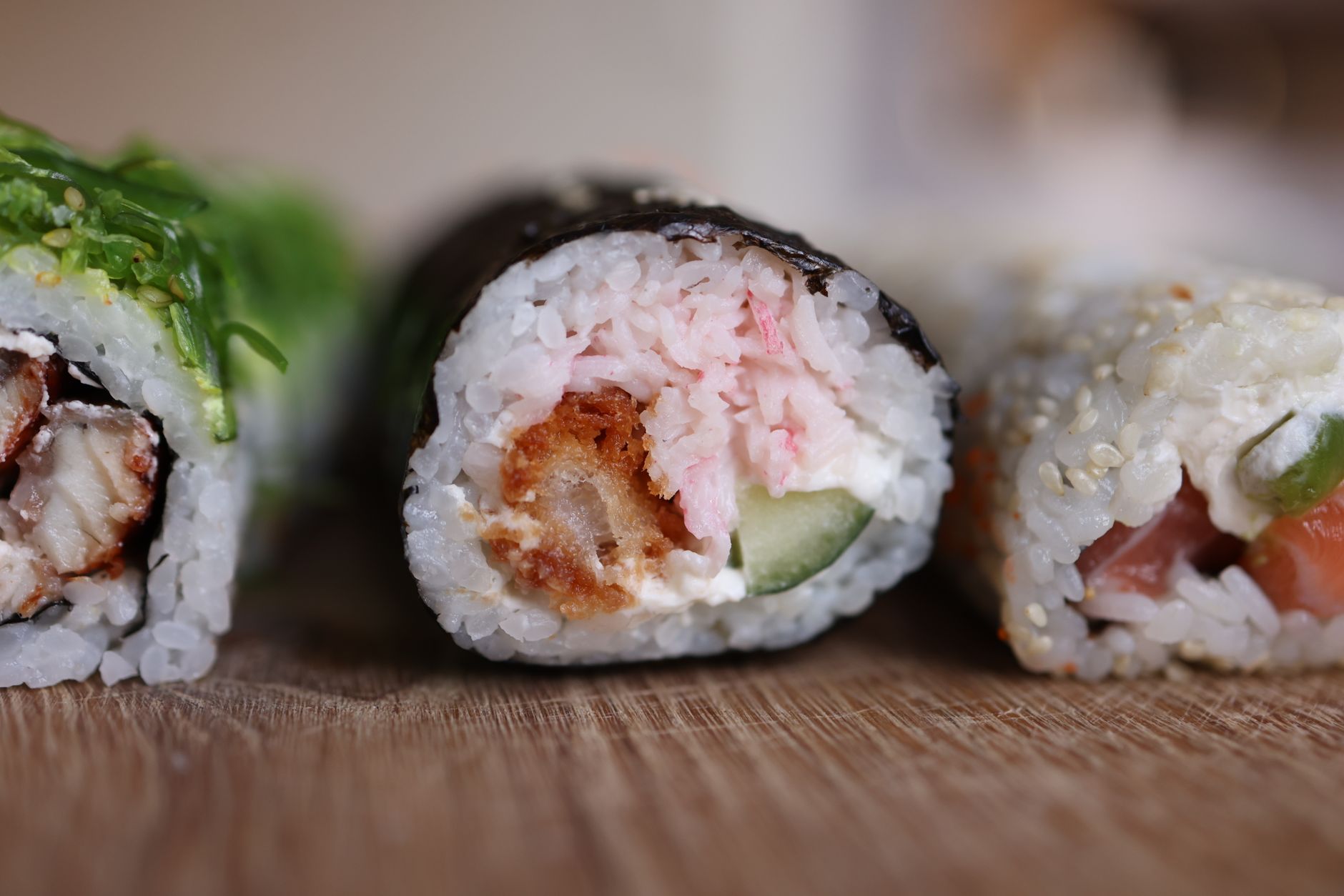
Ever come across a sushi roll so thick and colorful that it feels like a little explosion of flavors? Yeah, thats futomaki sushi for you. Its that traditional sushi roll from Japans Kansai region thats packed with layers of delightful vegetables and other tasty ingredients, rolled up in a seaweed wrap thick enough to hold your attention (and your chopsticks). Seriously, if you think all sushi rolls are just tiny bites of fish and rice, futomaki will pleasantly surprise you.
So, why is this roll suddenly on your must-try list? Because beyond its flavor punch, futomaki sushi carries a tradition that shines brightly during Japanese holidays, yet its simple and flexible enough to enjoy anytime... even if youre just craving something different with your sushi night.
If you've been wondering what makes futomaki sushi so special, how its eaten today, or even how to make your own without breaking a sweat, then hang tight. This pieces got you covered like your favorite sushi master guiding you through the nuances of this big, bold, and beautiful roll.
Futomakis Unique Charm
Lets start with the basics. Futomaki means fat roll, and that name pretty much sums it up. Unlike your typical sushi roll thats lean and small, this ones thick, hearty, and stuffed to the brim. Imagine a sushi roll thats more like a mini sandwich, filled with a variety of flavors and textures that make every bite interesting.
What Exactly Is A Futomaki Sushi Roll?
It usually measures about 2 to 3 inches thick, with a generous helping of sushi rice wrapped tightly inside a sheet of nori (seaweed). The filling? That's where magic happensclassic futomaki combines several ingredients that are mostly vegetarian. Common players include kanpyo (dried gourd strips, which are sweet and chewy), tamagoyaki (Japanese rolled omelet, bringing sweetness and fluffiness), shiitake mushrooms, cucumber, and sometimes pickled vegetables.
Unlike the typical Western sushi rolls that often feature seafood center stage, traditional futomaki keeps it simple yet layered in vibrant veggies and egg, making it a perfect vegetarian sushi roll option too.
Quick tip: If youre experimenting with futomaki at home or ordering out, look for the phrase traditional sushi roll on menus its often a hint youre getting the authentic experience, not the usual fish-and-rice combo.
The Kansai Sushi Recipe: Where Futomaki Has Deep Roots
Futomaki sushi hails particularly from the Kansai region that includes cities like Osaka and Kyoto, where subtle flavors and refined cooking take center stage. The Kansai sushi recipe emphasizes balance and harmony a delicate dance between textures and tastes rather than overwhelming spice or saltiness.
While futomaki from Kansai sticks closely to the vegetarian ingredients I mentioned, regional variations exist. Some versions add grilled eel or fish roe, but the heart of Kansais futomaki has always been about highlighting native produce and simplicity.
By the way, if youre curious about other comforting food rolled up with care, you might want to peek into the art of jelly roll weight loss recipes its a fascinating combo of taste and wellness, somewhat like how futomaki balances flavor and tradition.
How Is Futomaki Eaten Today?
Okay, so youve got this huge, inviting roll in front of you. How do you approach it without turning it into a sushi-making mess? Well, even though futomaki is a traditional sushi roll that has been around for centuries, its remained fresh in Japans sushi scene especially on holidays like Setsubun, a day marking the start of spring. On those occasions, people eat futomaki as a kind of lucky roll they take a bite in silence, hoping to bring happiness and good fortune for the year ahead.
These days, the holiday sushi roll tradition continues in many households, but futuristic twists pop up too like adding avocado or swapping tamagoyaki with tofu to suit modern palates. And honestly, futomaki doesnt have to be a special-occasion-only deal. Its perfect for a weekend treat or a colorful addition to your bento box.
When serving, futomaki pairs beautifully with simple soy sauce, a dab of wasabi if you dare, and the crunchy freshness of pickled ginger. The contrast between the subtle sweetness inside the roll and the salty tang of the soy sauce is downright addictive.
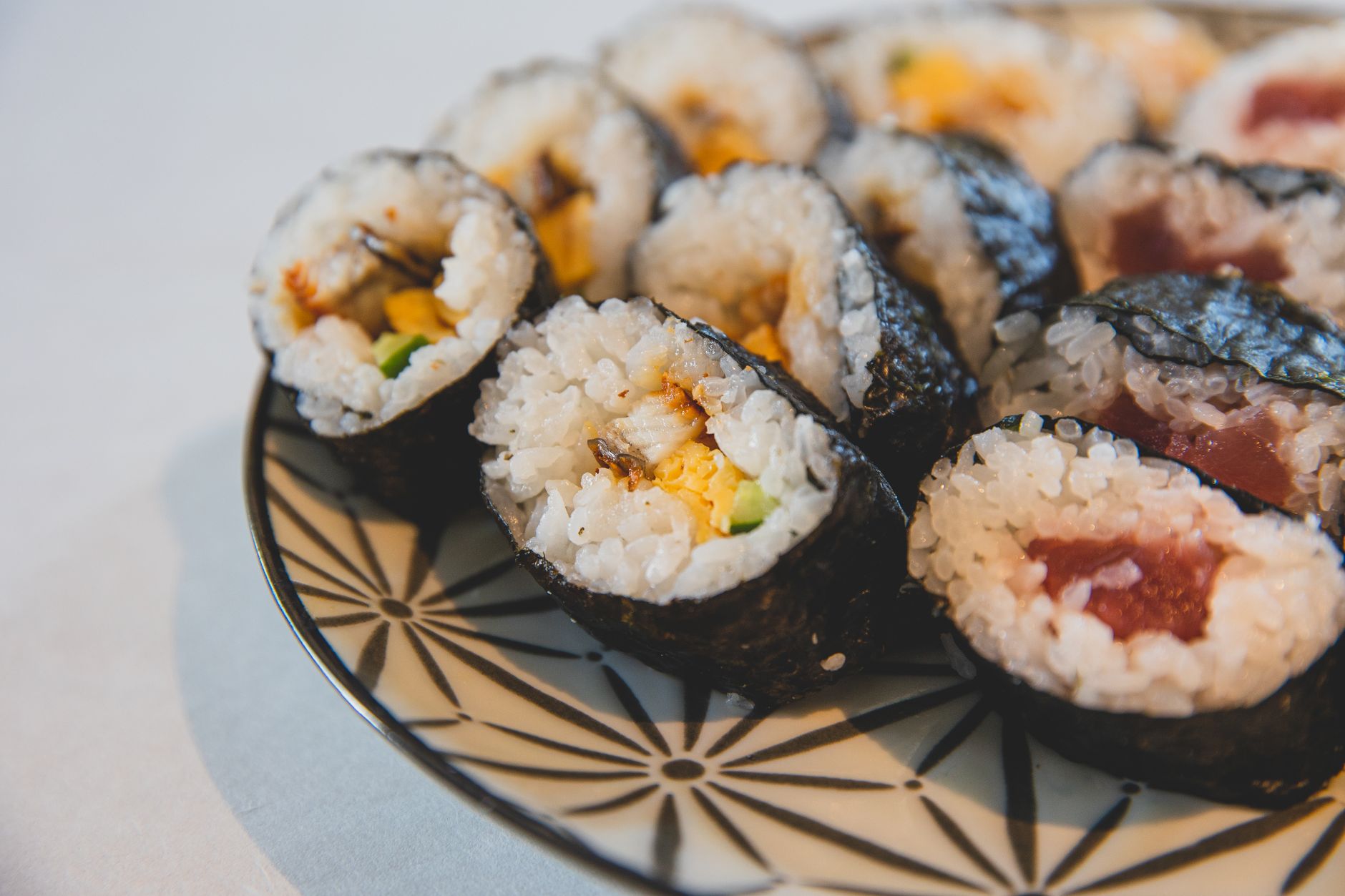
Trust me, tasting futomaki is like having a little celebration inside your mouth and no wonder it's cherished during festivals and gatherings. If youre tapping into the playful side of sushi rolling, give some thought to Jimmy dean breakfast sandwiches too, which some folks adore for their ease and creativity (kind of like building your own futomaki, but breakfast-style!).
Rolling Your Own Futomaki at Home
So you want to jump in and try your hand at futomaki sushi? Awesome choice! Making futomaki at home feels intimidating at first because, well, its big and has lots of fillings, but trust me: once you get the gist, its hugely rewarding.
What Youll Need: Tools and Ingredients
Lets keep it simple but authentic. Start with sushi rice not just any rice, mind you, but the sticky, short-grain Japanese kind. Then youll want nori sheets (seaweed paper), a bamboo rolling mat (makes life so much easier), and fresh ingredients for your filling: kanpyo, tamagoyaki (or you can make this yourself if youre feeling ambitious), shiitake mushrooms, cucumber, carrots, and maybe even some pickled radish.
Dont worry if you cant find kanpyo easily dried gourd strips are specific but sometimes unavailable outside Asian markets. You can substitute with sweet pickled cucumber or carrot strips to keep that sweet-and-sour vibe alive.
Step-by-Step: How to Get That Perfect Roll
Start by seasoning your sushi rice with rice vinegar, sugar, and salt the magic formula that gives sushi rice its distinctive taste. Once your rice is slightly cooled, spread a thin, even layer onto the nori sheet, leaving a 1-inch border at the top (this helps seal the roll later).
Now, line up your fillings across the center of the rice everything in a neat strip so when you roll, it all fits snugly. Roll it up using the bamboo mat; press gently but firmly to keep it compact without squashing the ingredients.
If the first few attempts seem messy, dont sweat it. Like all sushi, futomaki takes a bit of practice and patience. And hey, a little imperfect roll tastes just as great!
Variations for Everyone: Vegetarian Futomaki and More
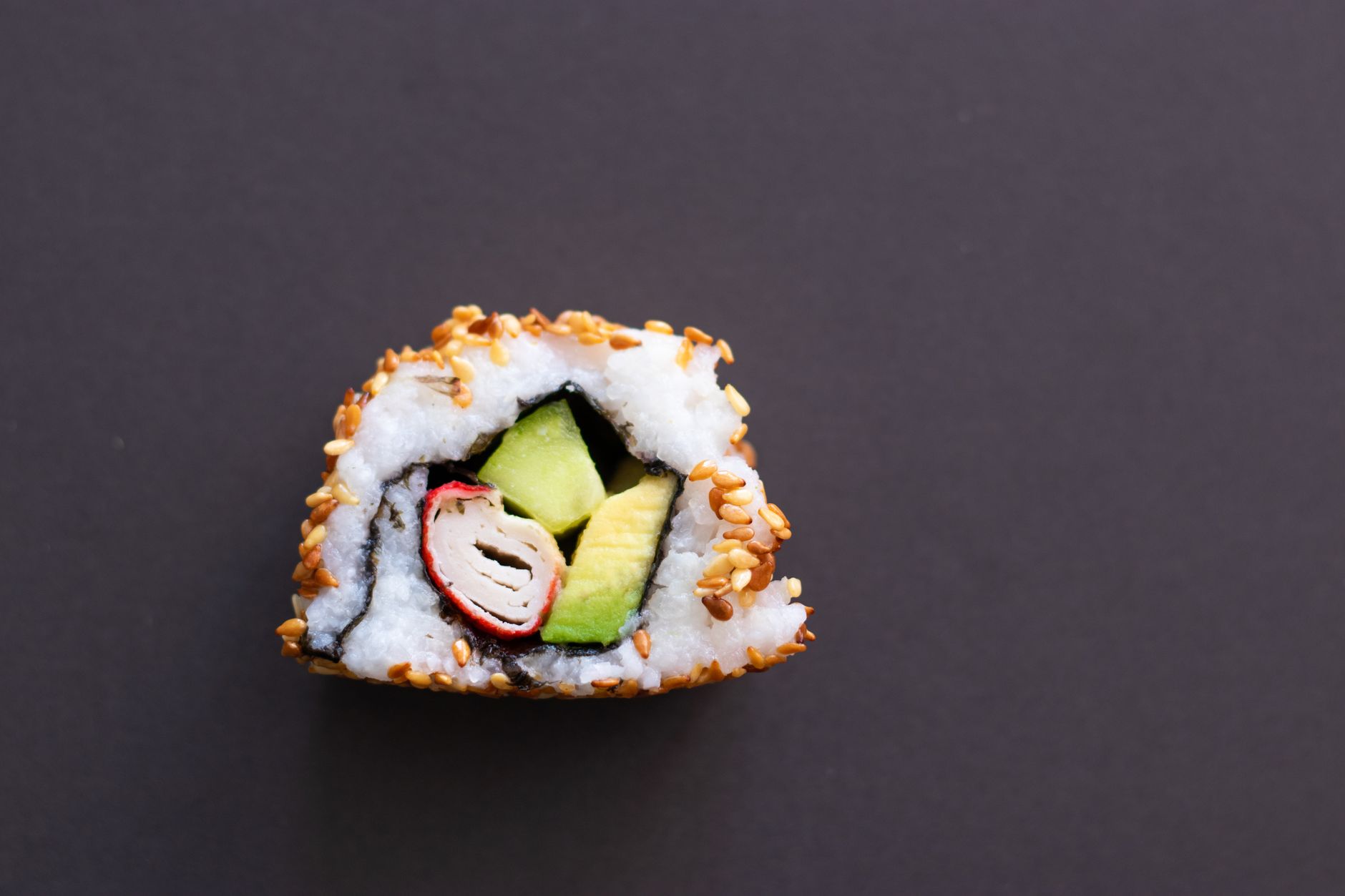
One of the coolest things about futomaki sushi is its flexibility. While traditional recipes lean vegetarian, nothing says you cant add your own twist. Maybe youre vegan, and tamagoyakis off the table? Try a marinated tofuyaki or grilled eggplant strips instead.
Or maybe you want to jazz it up with a splash of smoked salmon or grilled eel these creative takes are part of why futomaki remains a living, evolving tradition.
What You Should Know: Benefits and Considerations
Alright, before you roll up your sleeves and dive headfirst into futomaki land, lets talk about the good and the keep in mind.
The Perks: Why Futomaki Melts Hearts and Minds
This big, veggie-packed sushi roll is basically a nutrient powerhouse wrapped up in seaweed. Youre getting fiber from cucumber and kanpyo, protein and vitamins from tamagoyaki, plus antioxidants from shiitake mushrooms. All those veggies, rolled up with perfectly seasoned sushi rice, make for a light yet filling dish thats surprisingly healthy.
Heads-up: What To Watch Out For
Despite its many benefits, futomaki isnt foolproof for everyone. For starters, some people may have allergies to eggs or soy (often part of tamagoyaki or marinated fillings). And since sushi rice can be slightly sweetened and seasoned, eating large portions might pack on extra calories without you realizing.
Plus, if youre making futomaki with raw or marinated fish variations, freshness matters big time. Always choose high-quality ingredients and consume sushi rolls promptly to avoid any health risks. Moderation and mindfulness are your best pals here.
| Type of Futomaki | Calories (approx.) | Main Nutrients | Diet Suitability |
|---|---|---|---|
| Traditional Vegetarian | 200-250 per roll (6-8 slices) | Fiber, Vitamin A, Protein (from egg) | Vegetarian, can be vegan with egg substitute |
| With Grilled Fish | 270-320 per roll | Omega-3, Protein, Fiber | Not vegetarian, pescatarian-friendly |
Knowing this lets you enjoy futomaki fully without surprises because great food is not just about taste, but how it makes you feel afterward.

Final Thoughts on Futomaki Sushi
Futomaki sushi is so much more than a thick roll of rice and seaweed. Its a celebration of textures, flavors, and a culinary story rooted deep in Japanese culture especially from its charming Kansai region.
Whether you want to savor it as a holiday sushi roll steeped in tradition or experiment with your own vegetarian futomaki creation at home, understanding the ingredients, history, and how to enjoy this roll makes all the difference.
And hey, as with anything worth enjoying, its about balance between the goodness it offers and thoughtful eating to make sure you feel great inside and out.
So, are you ready to roll? Whip up a futomaki sushi night, impress your friends, and maybe start a new tradition of your own. And if you do, dont hesitate to share your experiences because food stories are meant to be shared and savored.
FAQs
What makes futomaki sushi different from regular sushi rolls?
Futomaki sushi is thicker and larger than typical sushi rolls, usually packed with multiple layers of ingredients like vegetables and tamagoyaki, offering a richer variety of flavors and textures.
Can futomaki sushi be made vegetarian or vegan?
Yes, traditional futomaki is mostly vegetarian, using ingredients like kanpyo, shiitake mushrooms, cucumber, and tamagoyaki. For vegans, tamagoyaki can be substituted with tofu or other plant-based options.
How is futomaki traditionally eaten during Japanese holidays?
During holidays like Setsubun, futomaki is eaten silently as a lucky roll to bring happiness and good fortune, often consumed whole or in large bites without speaking.
Is it difficult to make futomaki sushi at home?
While futomaki appears complex due to its size and variety of fillings, with the right tools and a bit of practice, making futomaki sushi at home is achievable and rewarding.
What are some common variations of futomaki sushi?
Apart from the traditional vegetarian fillings, variations include additions like grilled eel, fish roe, or smoked salmon, allowing for more diverse flavors while keeping the classic roll style.