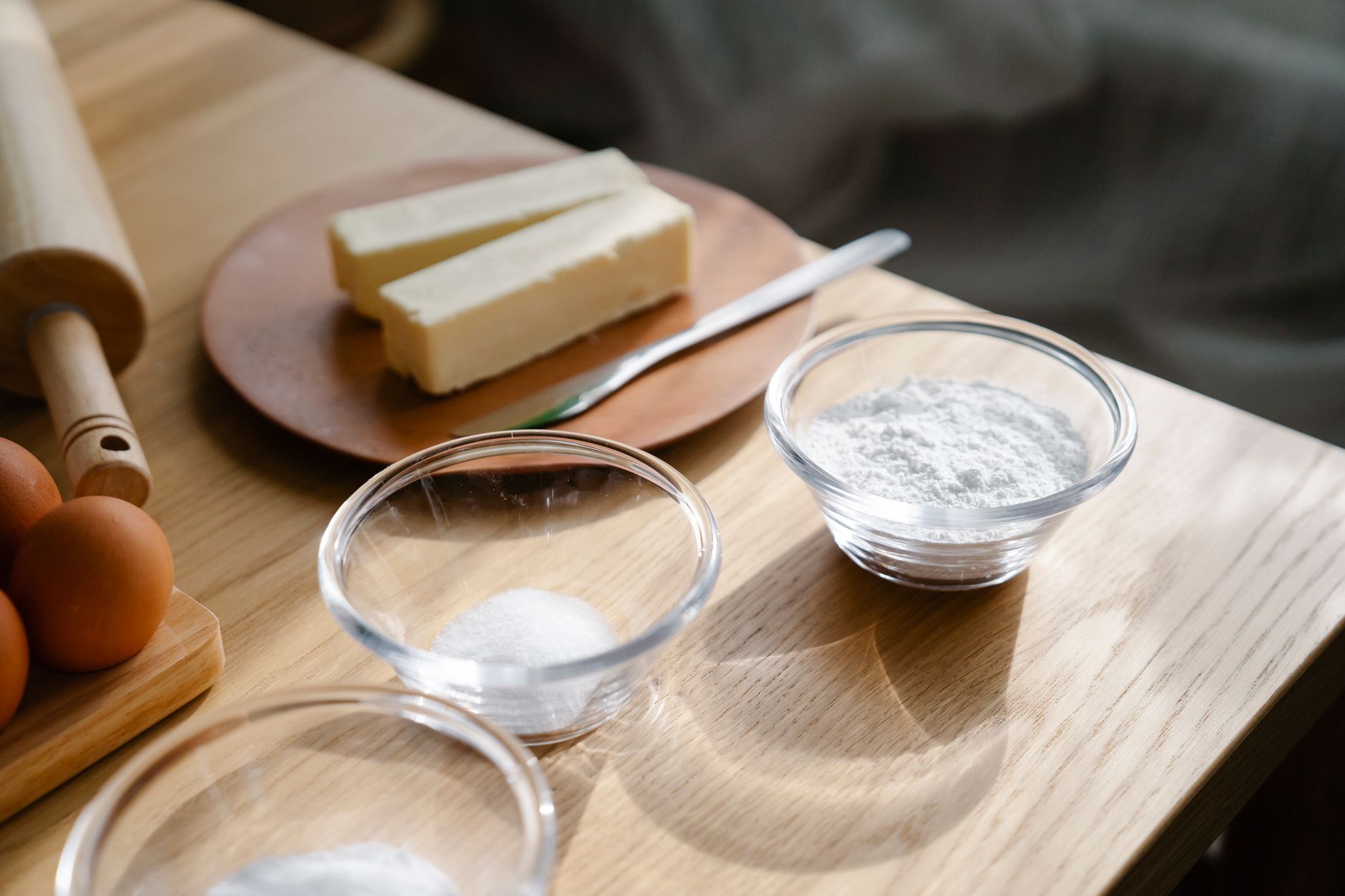
Alright, lets cut to the chase when youre in the middle of baking or cooking, the last thing you want to do is puzzle over butter measurements. So, here it is: 1 cup of butter equals 2 sticks of butter. Yep, its that simple.
But... I know its not always that straightforward. Have you ever opened your fridge, grabbed a butter stick, and wondered, Wait, how the heck do I measure this in cups? Or worse, had a recipe say 1 cup butter, and you had zero clue how many sticks to chop up? Yeah, Ive been there, and trust meit can get messy (literally and mentally).
So lets untangle this butter measurement puzzle together. Ill spill all the tips and tricks on how to measure butter sticks, nail those butter cup conversions, and make your baking buttery-perfect every single time. Sound good? Great. Lets dive in.
Butter Measurements Simplified
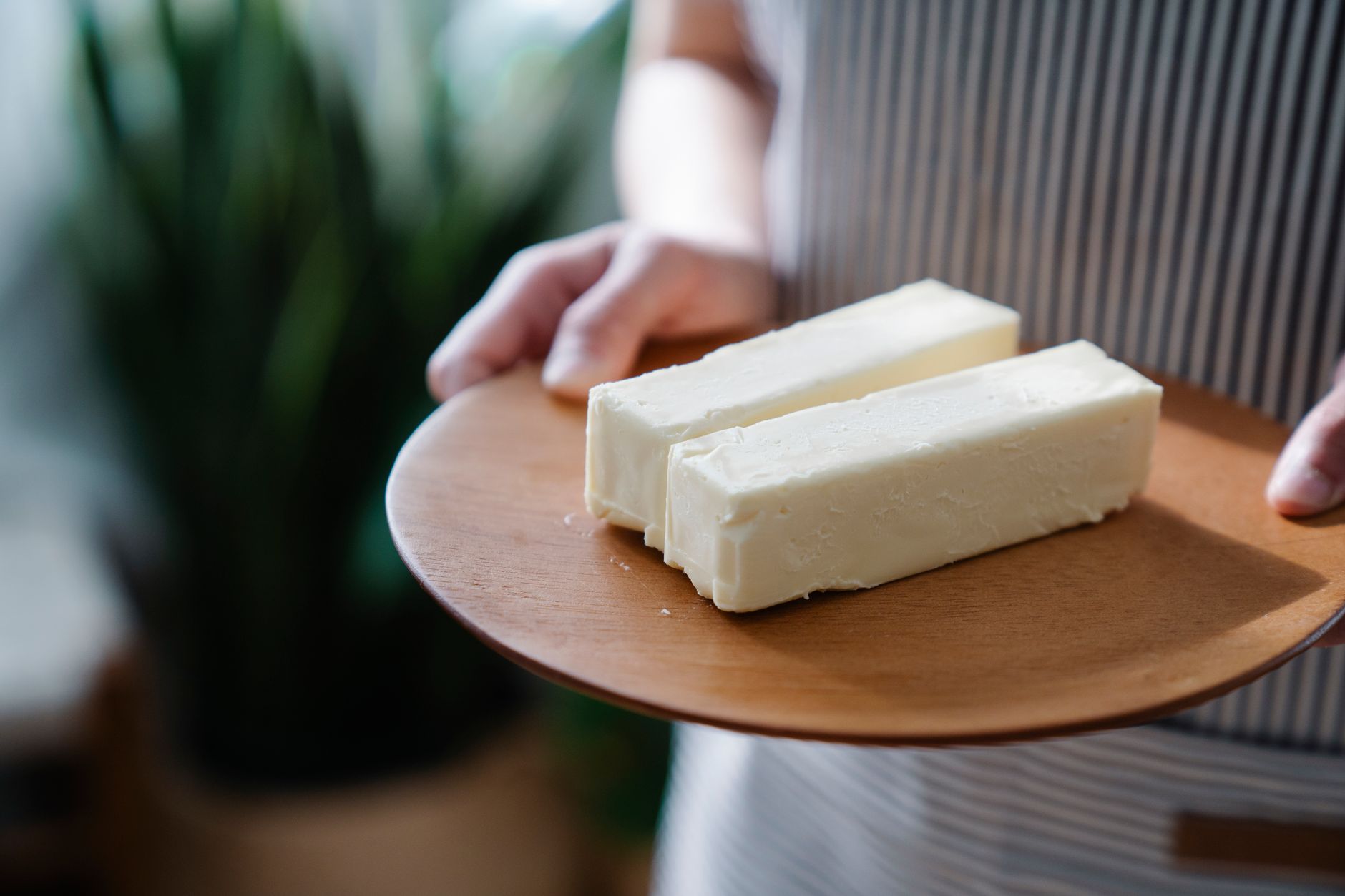
Butter in the U.S. typically comes pre-wrapped in sticks, and this is a blessing for baking because each stick measures out to easy amounts. The standard size? One butter stick equals half a cup or 8 tablespoons. So, when a recipe calls for one cup, thats just two sticks no wizardry necessary.
But when recipes toss instructions back and forth between sticks and cups, confusion steps in. Why do some recipes use sticks and others cups? Well, sometimes its about tradition or regional preferences, but knowing the conversion means youre always ready to roll.
Butter Sticks to Cups: The Quick Numbers
To keep it crystal:
| Butter Form | Equivalent |
|---|---|
| 1 Stick of Butter | Cup or 8 Tablespoons (about 113 grams) |
| 2 Sticks of Butter | 1 Cup or 16 Tablespoons (about 227 grams) |
| 1 Tablespoon | about 14 grams |
Thats your butter-to-cup cheat sheet right there. A quick glance before baking will save you from scrambling down measurement rabbit holes mid-recipe.
What If Your Butter Isnt a Stick?
Now, heres where it gets a little trickier. Butter doesnt always come in neatly divided sticks. Maybe you bought a big block from European brands, or your butter came in a tub rather than a stick shape. No worries. You can still measure butter with confidence.
Most blocks have weight listed in grams or ounces, so a kitchen scale becomes your best friend. And when youre using unsalted butter or specialty kinds not packaged in sticks, that scale helps avoid guesswork and disaster.
Pro tip: Grab a kitchen scale and start weighing butter for baking precision instead of relying on volume measures alone. Weight is king, especially for consistency and repeatable results.
Weighing Butter Like a Pro
Heres a little secret many bakers swear by: scaling butter is more accurate than volumetric cup measures. Just place your bowl or container on the scale, tare it to zero, and add your butter until you hit the desired weight. Easy, right?
For example, if the recipe calls for 1 cup of butter, thats about 227 grams. So instead of fiddling with sticks or trying to eyeball slices, just weigh the butter out no sweat, no mess.
Butter Stick to Cup Conversion Tips
So, you know the basics, but are you actually confident using butter for baking the right way? From experience, even a small slip-up in butter measurement can throw off your entire recipe leaving cookies flat, cakes dense, or pastries greasy instead of flaky.
Getting this right means learning more than just how many sticks in a cupits about understanding texture, temperature, and measurement method. Those little details can make all the difference if you want those warm, crumbly treats to come out perfect every single time.
Measuring Butter Sticks at Different Temperatures
Heres something most people overlook: butter changes with temperature, and that changes how you should measure it. If your recipe calls for softened butter, you probably want to use the markings on the wrapper. Usually, butter sticks come with tablespoon marks on the paperjust slice along the lines!
But when butter is cold and hard, cutting exact portions can be fiddly. You might find yourself squishing and crumbling itthats a no-go.
A good trick? Let the butter sit at room temperature for about 10-15 minutes to soften up before measuring for easier slicing. Or, if time isnt on your side, use the wrappers markings to quickly cut an approximate amount without fuss.
Handy Butter Portioning Tips
- Use a sharp knifeit makes cleaner cuts and avoids squished butter sticks.
- If youre doing a lot of measuring, prep your butter sticks in advance, slicing into portions and wrapping each piece individually.
- For precise baking, always trust weight over volume, but if folding in softened butter, the wrapper marks have you covered.
Common Butter Measurement Mistakes
Look, weve all been there packing butter into a cup measure like it's mashed potatoes or mistaking melted butter for solid butter amounts. These innocent missteps can really mess with your bakes outcome.
Lets break down the usual suspects:
- Overpacking. When you press the butter down in a cup, it ends up heavier than the recipes intent. Use a dry measuring cup and slice the butter to fit instead of stuffing it in.
- Temperature confusion. Recipes are quite specific: softened, melted, or cold. Each requires a different approach to measurement. Melted butter can take up less or more space depending on how its measured.
- Ignoring wrapper markings. Those lines on the wrapper are not just decorationtheyre your measuring buddies when youre using sticks.
Tips for Fixing Butter Measurement Mix-ups
If you suspect your recipe is off because you mismeasured butter, the fix is usually simple: adjust. For example, if you packed a cup too tightly, next time weigh your butter instead. Use a kitchen scale, or slice sticks at the wrapper markings and combine.
Need to tweak a recipe because you dont have sticks, just tubs or blocks? No problemget out that scale and measure butter by weight.
By the way, if you want to better understand ingredient labels and nutrition when baking, like how fat content varies, check out this handy Milk nutrition label guide. Its super informative, trust me.
Butter Measurement Matters Beyond Baking
Okay, so you might be wonderingdoes it really matter if my butter measurement is a little off? For baking, absolutely yes. But beyond tantalizing desserts, accurate measurement matters if you track calories, manage portion control, or need dietary precision (say, if avoiding excess fats for health reasons).
And when scaling recipes for family dinners or potlucks, knowing exactly how many sticks of butter go into a cup helps you keep recipes balanced and consistent.
Wrapping It Up
So, to sum up (but not so quickly you miss the good stuff) remember this golden nugget: 1 cup of butter is 2 sticks. Easy to remember, right? Keep that in your pocket next time youre whipping up cookies, cakes, or any buttery goodness.
Dont forget that butter temperature and how you measurewhether by volume or weightreally affects your bakings success, so give that kitchen scale a shot if you havent yet. Its like having a secret weapon in your baking arsenal.
Now its your turn: what are your butter measuring quirks or hacks? Ever had a baking disaster because of confusing butter amounts? Share your stories or questions below. Seriously, I love swapping tips!
Happy baking, and may your butter always be measured just right!
FAQs
How many sticks of butter are in one cup?
One cup of butter equals two sticks of butter. Each stick represents half a cup or 8 tablespoons.
What is the weight of one stick of butter?
One stick of butter weighs approximately 113 grams or 4 ounces.
Can I measure butter by weight instead of volume?
Yes, measuring butter by weight is more accurate and consistent, especially for baking. One cup of butter weighs about 227 grams.
How do I measure butter if it’s not in sticks?
If your butter comes in blocks or tubs without stick markings, use a kitchen scale to weigh the required amount for accuracy.
Should I measure softened or cold butter differently?
Softened butter can be measured using stick markings or volumetric cups, while cold butter is easier to cut if first softened slightly to avoid crumbling.