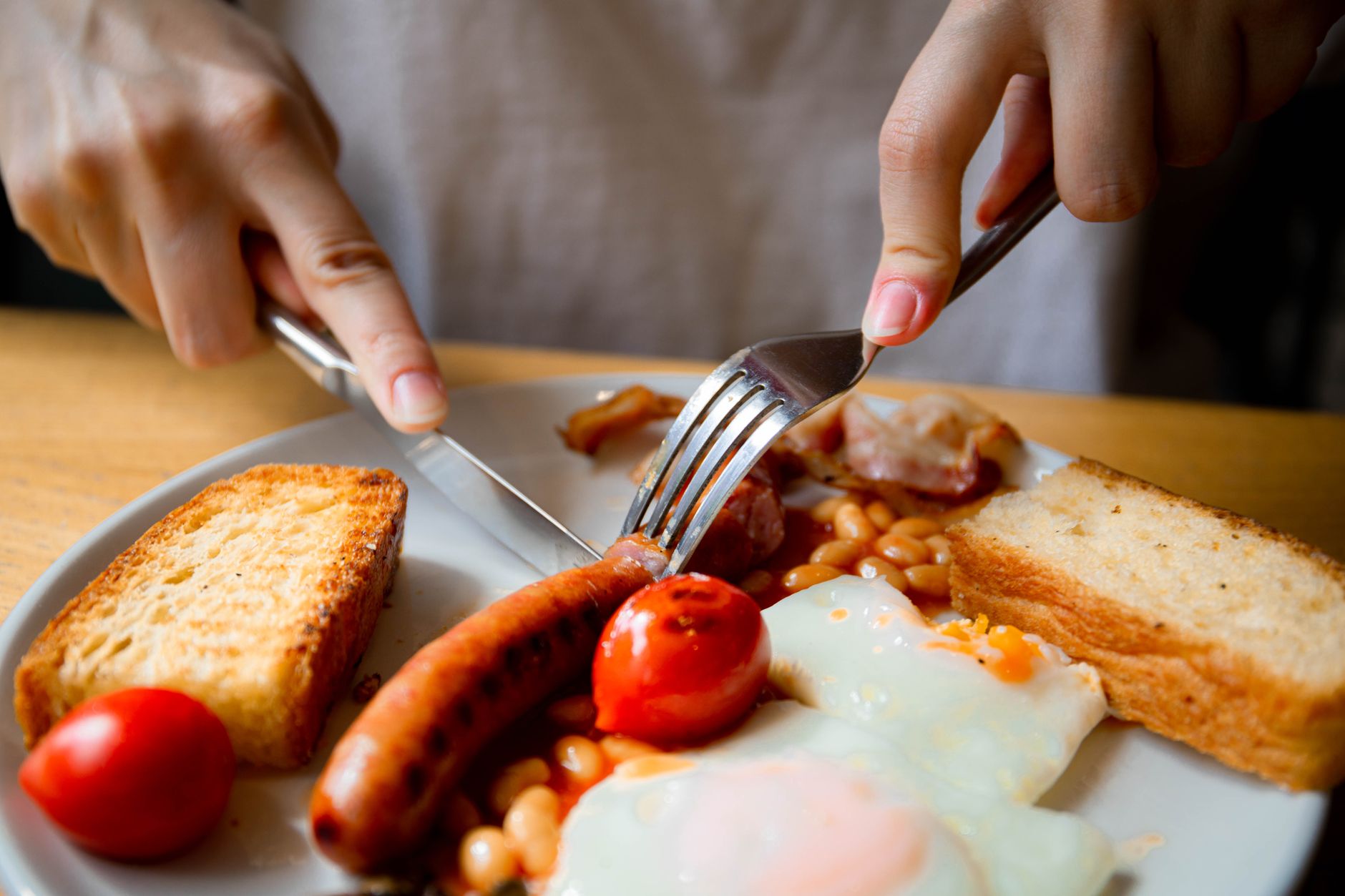
A high protein breakfast has the power to keep you full longer, support muscle repair, and stabilize your energy levels throughout the morning. Whether youre rushing out the door or enjoying a slow start, choosing a meal rich in protein sets a solid tone for your day. Fast food options like Chick-fil-As Egg White Grill offer a convenient way to get a protein boost without the extra calories or fats often present in typical breakfast sandwiches. But what makes a breakfast truly high in protein? Which options are both nutritious and Halal-certified? Lets explore practical ways to enjoy a high protein breakfast that fits your lifestyle and dietary needs.
Benefits of High Protein
Starting your day with a high protein breakfast can improve satiety, meaning you feel full and satisfied longer. This helps curb mid-morning snacking or overeating at lunch. Protein also helps repair muscle tissues and supports metabolism, which is especially useful for those with active lifestyles. However, balance is key: too much protein without enough fiber or healthy fats may leave you feeling sluggish or increase kidney strain over time.
How Much Protein for Breakfast?
Protein needs vary by age, weight, and activity. Most adults benefit from 2030 grams of protein at breakfast to optimize fullness and muscle maintenance, according to nutritionists. Active individuals or athletes might require more, sometimes up to 40 grams. For children or older adults, a moderate 1525 grams may be sufficient. Simple adjustments like adding eggs, Greek yogurt, or lean meats can easily reach these targets.
Balancing Protein with Nutrients
Pairing protein with complex carbohydrates and healthy fats creates a balanced breakfast that sustains energy without spikes and crashes. Whole grain bread, fruits, nuts, and seeds provide fiber and essential nutrients to complement protein-rich foods. This balance supports digestion and nutrient absorption, important factors for overall health.
Chick-fil-As Egg White Grill
Chick-fil-As Egg White Grill is a standout option for those seeking a high protein breakfast thats also lower in calories and fat. Made with grilled, egg whites, extra-lean grilled chicken breast, and a toasted multigrain English muffin, it delivers clean flavors without the heaviness of fried or greasy components. With 30 grams of protein, it beats many breakfast sandwiches for protein content.
How Healthy Is the Egg White Grill?
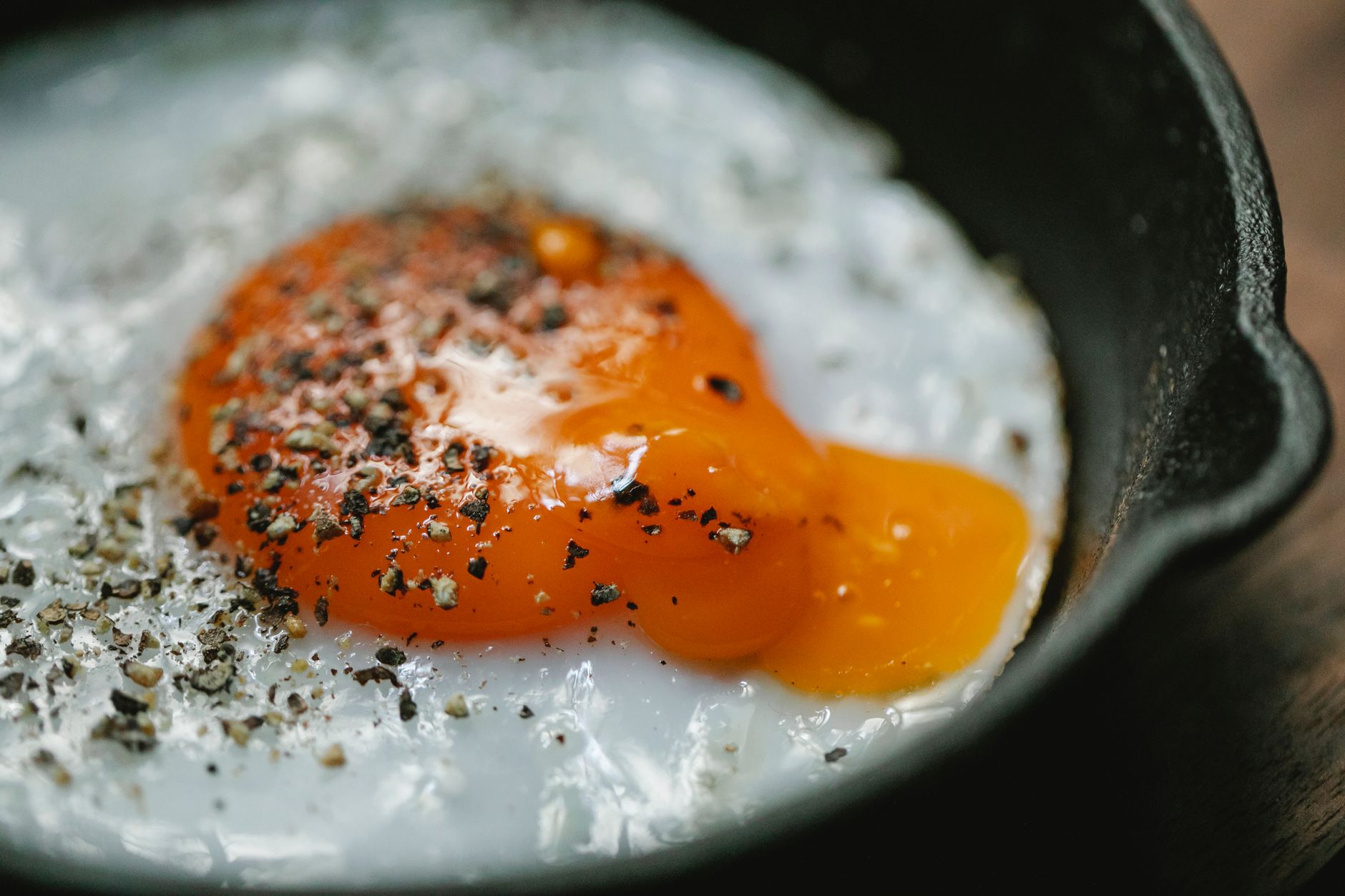
Compared to other fast food breakfasts, the Egg White Grill offers a cleaner profile with fewer calories and less fat. It contains 300 calories, 8 grams of fat, and 840 mg of sodium. While sodium is on the higher sidetypical of fast foodit‘s within reasonable limits if balanced with low-sodium meals later in the day. The grilled chicken breast provides lean protein, excluding skin and breading, which helps reduce saturated fat intake.
Nutritional Comparison Table
| Item | Protein (g) | Calories | Fat (g) | Sodium (mg) |
|---|---|---|---|---|
| Chick-fil-A Egg White Grill | 30 | 300 | 8 | 840 |
| McDonalds Egg McMuffin | 17 | 300 | 12 | 780 |
| Starbucks Sous Vide Egg Bites | 19 | 170 | 10 | 420 |
Other High-Protein Breakfasts
Beyond Chick-fil-A, many fast food chains offer Halal-certified protein breakfasts or can adapt their menus to you. For instance, Starbucks sous vide egg bites provide a moderate protein boost with fewer calories. Panera Bread and Dunkin also have breakfast sandwiches with eggs and lean meats that can help you reach your protein goals. When dining out, confirming Halal certification is essentiallook for JAKIM, HMC, or IFANCA logos to ensure compliance.
Quick Homemade Ideas
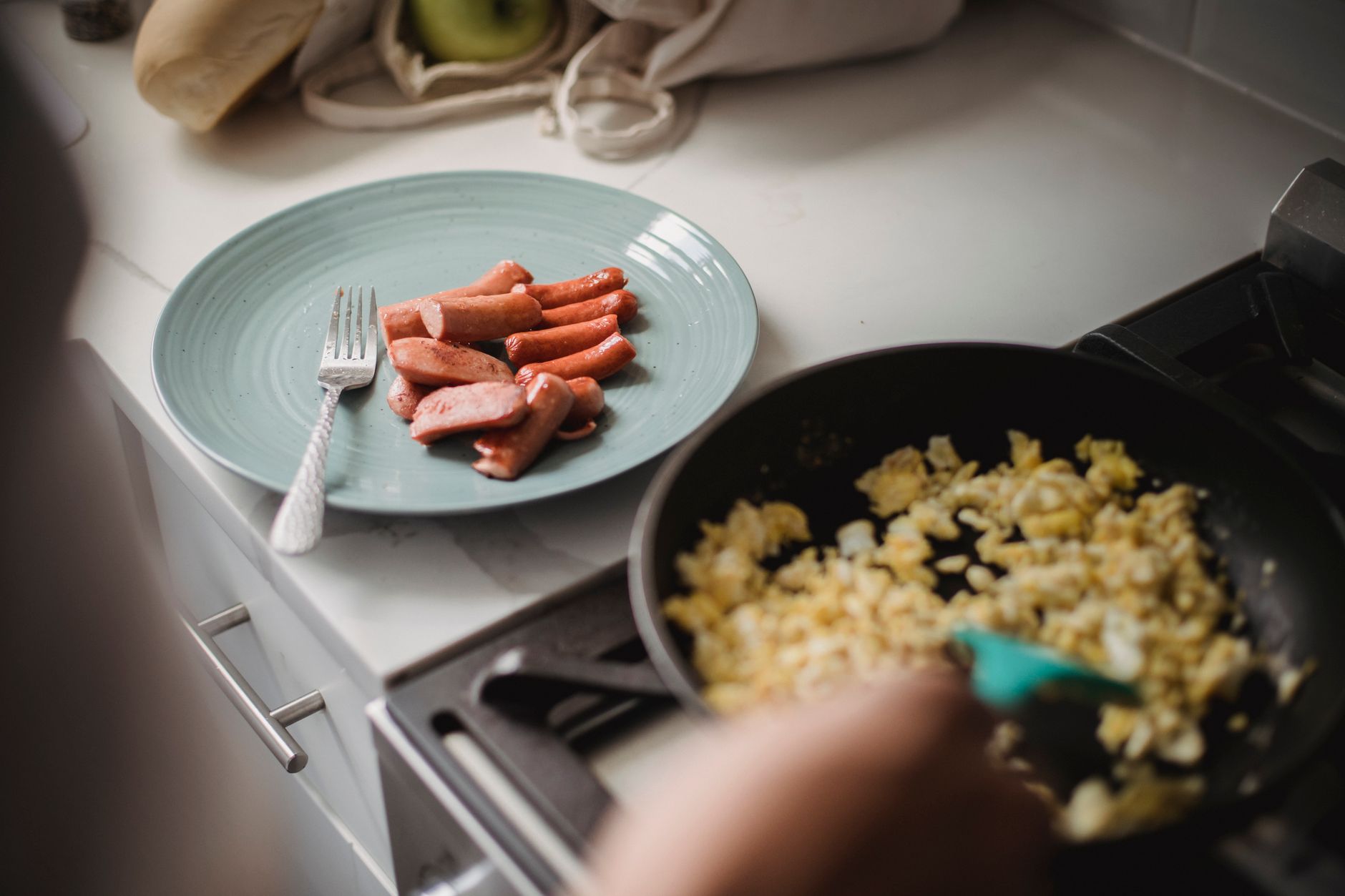
- Egg white and vegetable omelets with herbs and a sprinkle of feta cheese
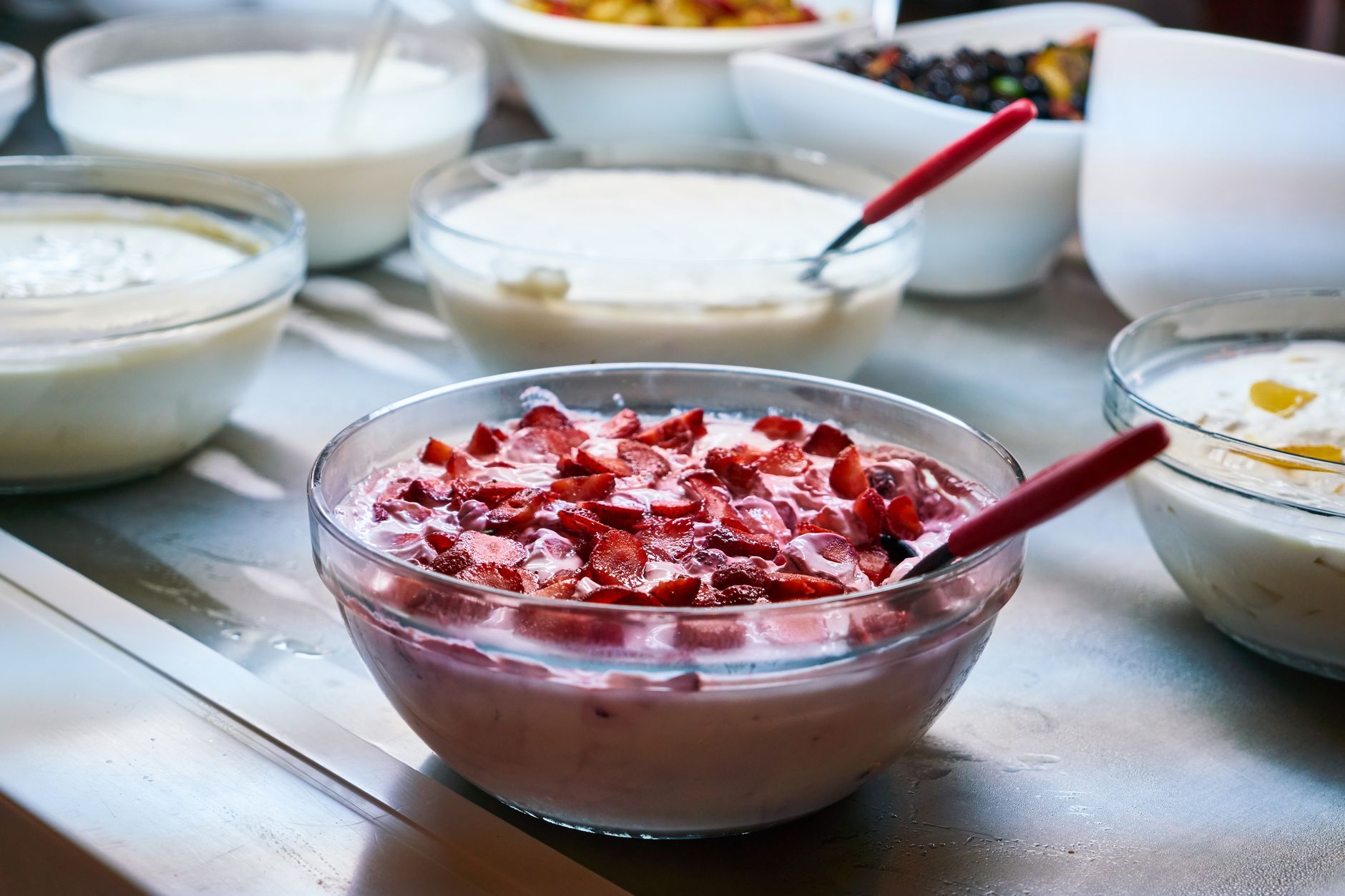
- Greek yogurt parfait with nuts, seeds, and fresh fruit for added fiber
- Protein smoothies combining whey isolate or plant protein with spinach and berries
- Whole grain wraps loaded with grilled chicken and avocado slices
All these options allow you to control ingredients, ensuring Halal compliance and clean nutrition. Experiment with herbs and spices to add flavor without extra sodium. For simple prep, cook eggs or chicken in bulk, then assemble breakfasts quickly during the week.
Smart Breakfast Choices on the Go
When buying high protein breakfasts, reading labels is crucial. Look for foods listing protein as the first or second ingredient. Avoid items packed with sugars or highly processed fillers. Sodium content should ideally be less than 800 mg per serving for fast meals. Certified Halal logos like JAKIM or IFANCA guarantee the food meets your dietary standards.
Balancing convenience with nutritional quality is key, especially on busy mornings. Try ordering grilled instead of fried proteins. Skip heavy sauces or cheese to reduce fat and calories. A smart hack is to pair a smaller fast food item with a piece of fruit or a handful of nuts for a more complete meal.

Is high protein breakfast actually Halal what should I check?
To ensure your high protein breakfast is Halal, always check for certification logos from recognized bodies such as JAKIM, HMC, or IFANCA. Confirm that meat and poultry are sourced from Halal-certified suppliers and prepared according to Islamic dietary laws. Be cautious of cross-contamination and non-Halal additives, which may appear on ingredient labels.
When is the best time to eat a high protein breakfast?
The ideal time is within 12 hours after waking up. This timing helps replenish muscle glycogen stores and jumpstarts metabolism. Eating protein early also stabilizes blood sugar and reduces hunger between meals.
Can high protein breakfasts aid weight loss?
Yes, high protein breakfasts help regulate appetite by increasing feelings of fullness, which may reduce overall calorie intake throughout the day. They also support lean muscle mass, which can boost metabolic rate.
Are plant-based proteins effective for breakfast?
Plant proteins like lentils, chickpeas, and soy provide valuable amino acids. Combining sources such as beans with whole grains ensures a complete protein profile. Many vegetarians and vegans benefit from these options to support muscle repair.
How do I avoid hidden sugars in protein breakfasts?
Always check the nutrition facts label and ingredients list. Ingredients like corn syrup, dextrose, or cane sugar indicate added sugars. Opt for whole foods and choose products labeled no added sugar or unsweetened.
Are fast food breakfasts safe for daily consumption?
Fast food breakfasts can fit into a balanced diet if chosen wisely. Prioritize grilled proteins, watch portions, and balance the rest of your meals with vegetables and whole grains. Avoid daily consumption of fried or high-sodium items.
What certifications indicate quality in packaged breakfast foods?
Look for Halal certifications such as JAKIM or IFANCA, quality seals like ISO or HACCP, and nutrition claims verified by third parties. Clean label products with minimal artificial additives also signal better quality.
Expert Buying Tips
One common mistake is choosing cheap, processed breakfast meats that are low in protein and high in fillers. These often contain unhealthy fats and excessive sodium. Instead, look for lean proteins listed near the top of the ingredients. Another overlooked tip is to verify Halal certification carefullysome products may claim Halal without proper documentation.
Expert nutritionists suggest incorporating a variety of protein sources for a balanced amino acid intake. If you enjoy fast food breakfasts, alternate them with homemade meals to control nutrients and avoid additives. Remember, proteins combined with fiber-rich sides help your digestion and keep you feeling full longer.
More You Might Like
Try learning the Steam broccoli time for a quick, fiber-rich side that pairs well with protein meals.
Check out our guide on the Best foods for hair growth that includes protein-packed options supporting overall health.
Conclusion
A high protein breakfast helps you stay energized, full, and focused throughout the morning. Chick-fil-As Egg White Grill is a tasty, convenient choice if you want a lean, protein-rich meal on the go that meets Halal standards. Next time you shop or order, check the labels carefully to find balanced, nutritious options aligned with your dietary goals. Feel free to share your favorite high protein breakfasts or recipes in the comments below!
FAQs
Is high protein breakfast actually Halal — what should I check on the label?
To ensure your high protein breakfast is Halal, look for certification logos from recognized bodies like JAKIM, HMC, or IFANCA on the packaging. Confirm that the meats are sourced and prepared according to Islamic dietary laws, and watch out for non-Halal additives or cross-contamination risks listed in the ingredients.
When is the best time to eat a high protein breakfast?
The best time to eat a high protein breakfast is within 1-2 hours of waking up. This helps replenish energy stores, jumpstart your metabolism, stabilize blood sugar, and support muscle repair after overnight fasting.
Can I safely eat fast food high protein breakfasts every day?
Fast food high protein breakfasts can fit into your diet if chosen wisely—opt for grilled proteins, watch portion sizes, and avoid fried or high-sodium items daily. Balance your meals with vegetables and whole grains to maintain overall nutritional health.
How much protein should I aim for in my breakfast?
Most adults benefit from 20-30 grams of protein at breakfast to promote fullness and muscle maintenance. Active individuals or athletes may require up to 40 grams, whereas children and older adults might need slightly less, around 15-25 grams.
Are plant-based proteins effective for a high protein breakfast?
Yes, plant-based proteins like lentils, chickpeas, and soy provide essential amino acids. Combining them with whole grains creates complete proteins, making them effective choices for vegetarians, vegans, or anyone seeking a nutritious breakfast.