Have you ever stood in the grocery aisle, staring at rows of brightly packaged items, and wondered which ones are actually okay to eat? You're not alone. Processed foods are everywhereconvenient, tempting, and sometimes downright comforting. But they also raise a lot of questions: Are they bad for you? Can you enjoy them without harming your health? Let's walk through this togetherwarmly, honestly, and with a few practical tips you can use right away.
What are processed foods?
First, let's clear up what we mean by processed foods. Processing is simply any change to a food from its original formso chopping, freezing, fermenting, or adding salt and sugar all count. That means a bag of frozen peas and a microwaveable dinner are both technically processed, but they're not the same kind of beast.
Nutrition experts often use categories to help make sense of things:
- Minimally processed: Washed, cut, or frozen fruits and vegetables, roasted nuts, or plain yogurt.
- Moderately processed: Items with added ingredients like oils, sweeteners, or preservativesthink canned beans with salt or whole-grain bread.
- Highly processed (ultra-processed): Ready-to-eat or ready-to-heat foods with long ingredient listssugary cereals, packaged snacks, instant noodles, and many frozen meals.
See how broad the term can be? Not all processed foods are villains, but some deserve more scrutiny than others.
Why they matter
Why should we care about how processed a food is? Because processing often changes the nutritional profile and the way our bodies respond to what we eat. Highly processed foods frequently have more added sugar, unhealthy fats, sodium, and calories, and less fiber, vitamins, or protein. Over time, relying heavily on them can quietly nudge your health in the wrong directionweight gain, higher blood pressure, and greater risk for chronic conditions like type 2 diabetes and heart disease.
But let's not demonize convenience. Processed foods can also be lifesaversliterallywhen you need accessible, shelf-stable, or fortified options. The trick is learning how to choose wisely.
How processed foods affect your body
Our bodies respond to foods in more ways than just calories. Here are a few practical effects to watch for:
- Blood sugar swings: Many ultra-processed foods are high in refined carbs and added sugars, which can cause quick spikes and crashes in blood sugar. That roller-coaster feeling can leave you tired and reach-for-more-snacks.
- Inflammation: Diets high in processed meat, refined grains, and added sugar may increase low-level inflammation, which is linked to several chronic diseases.
- Digestive health: Lower fiber content in many processed options can affect digestion and gut microbiome diversity. Your gut flora loves whole plant foodsthink of them as tiny party snacks for the good bacteria.
- Sodium and blood pressure: Packaged foods often carry more sodium than we expect. Over time, that can push up blood pressuresomething many people only discover at a checkup.
This isn't meant to scare youit's meant to help you see why making small swaps can add up over months and years.
Simple ways to reduce processed foods
You don't need to become a home-chef overnight. Here are friendly, realistic steps that actually work:
- Start small: Replace one ultra-processed snack a day with a whole-food alternativean apple with nut butter, Greek yogurt with berries, or a handful of almonds.
- Read ingredient lists: If the ingredient list looks more like a science experiment than food, consider skipping it. Shorter lists and recognizable words are a good rule of thumb.
- Cook in batches: Spending an hour on a weekend to prepare grains, roast vegetables, or make a simple soup can create grab-and-go meals for busy weekdays.
- Choose canned and frozen wisely: Canned beans, tomatoes, and frozen veggies are great time-savers. Look for low-sodium or no-sugar-added versions where possible.
- Be mindful with convenience meals: If you use frozen dinners occasionally, scan the label. Some brands are lower in sodium and saturated fat and higher in fiber and protein than others.
Little changes stick better than big, unsustainable ones. Think of this like building a healthier kitchen, step by step.
Healthy swaps that still feel like a treat
One of my favorite ways to make change feel joyful is to swap without sacrificing enjoyment. Here are ideas that taste good and keep your health in mind:
- Replace sugary cereal with oatmeal topped with fruit and a sprinkle of nuts.
- Swap potato chips for air-popped popcorn tossed with a touch of olive oil and sea salt.
- Make smoothies with frozen fruit, spinach, and Greek yogurt instead of pre-made sweetened drinks.
- Turn a jarred pasta sauce into a whole-food meal by stirring in canned tomatoes, fresh herbs, and sauted vegetables.
These small swaps preserve convenience and flavor, while nudging your diet toward more nutrients and less empty calories.
How to read labels without feeling overwhelmed
Labels can feel like reading another language. Heres a friendly cheat sheet to make label-reading quick and useful:
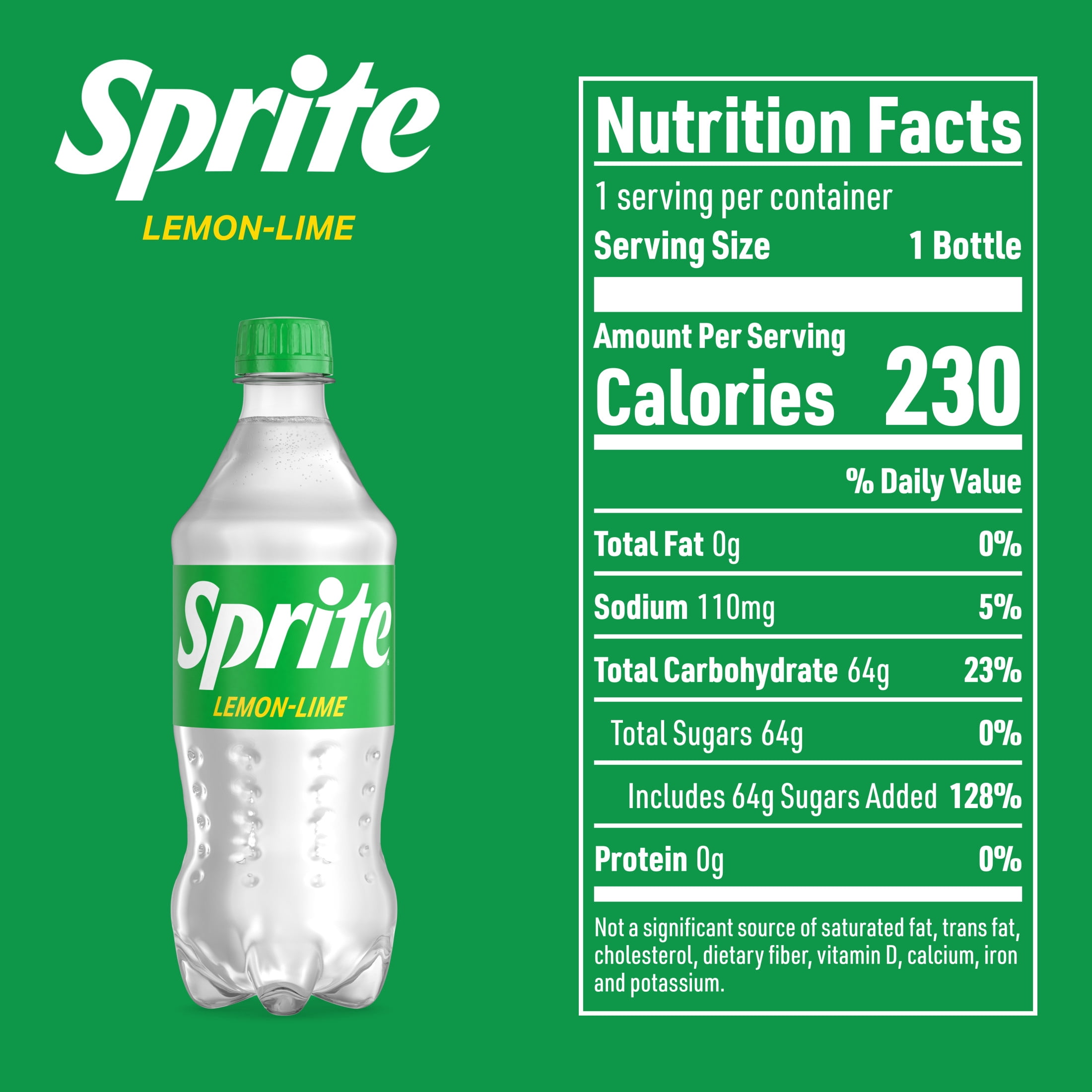
- Serving size: Start here. The calories and nutrients listed are often for a smaller portion than what we actually eat.
- Ingredients list: Ingredients are listed by amount. If sugar, refined flour, or hydrogenated oils are near the top, that's a red flag.
- Added sugars: Check the grams of added sugar. Many products hide sugar under names like maltose, dextrose, or corn syrup.
- Sodium: A high amount per serving can add up fastespecially in soups, breads, and sauces.
Label-reading is a skill that gets easier with practice. Give yourself permission to learn slowly.
When processed foods are actually helpful
There are moments when processed foods are genuinely beneficialand it's okay to rely on them. Consider these examples:
- Frozen fruits and vegetables are excellentthey lock in nutrients at peak ripeness and cut down on waste.
- Fortified foods, like certain cereals or dairy alternatives, can help meet nutrient needs, especially for people with limited food options.
- Ready-to-eat items can be lifesaving when time or energy is low, especially for people juggling work, caregiving, or health issues.
Balance is the key. Use processed foods when they serve you, and lean toward whole foods when you can.
Practical meal ideas with less processing
If you want a few real-world meal ideas that feel doable, here are some favorites that take little time but deliver plenty of nutrition and comfort:
- Breakfast: Overnight oats with milk, chia seeds, banana, and a sprinkle of cinnamon.
- Lunch: Mason jar saladlayered greens, roasted chickpeas, cherry tomatoes, and a simple olive oil-lemon dressing.
- Dinner: One-pan roasted chicken thighs with sweet potatoes and broccoli, tossed with olive oil, garlic, and herbs.
- Snack: Hummus with carrot sticks or whole-grain crackers.
These meals are approachable, nourishing, andimportantlyflexible. Swap ingredients based on what you enjoy or whats on sale.
Mindset shifts that make change stick
Changing eating habits is often more mental than physical. Try these mindset shifts to make the journey kind and sustainable:
- Progress over perfection: A single processed meal won't ruin your health. Focus on overall patterns.
- Curiosity, not guilt: Ask What can I try next? instead of How did I mess up?
- Celebrate small wins: Cooking more than one homemade meal a week? Thats progresshigh five.
- Personalize your approach: Your life, tastes, and energy are unique. The best plan fits you, not a one-size-fits-all rule.
These gentle shifts help create lasting habits without stress or judgment.
When to involve a professional
If you have specific health conditionsdiabetes, high blood pressure, kidney diseaseor symptoms like unexplained weight changes, it's a good idea to talk with a registered dietitian or your healthcare provider. They can offer tailored advice that considers medications, lifestyle, and nutritional needs. Think of them as your diet sidekick for complicated situations.
Wrapping up: small steps, big impact
Processed foods are part of modern life, and trying to eliminate them completely is neither realistic nor necessary. What matters is making informed choicesreplacing some ultra-processed items with minimally processed or whole foods, reading labels smartly, and building routines that fit your life. Over weeks and months, those small choices add up in meaningful ways.
So, what will you try first? Swap one snack, read one label, or cook one simple meal this week. If you want, come back and tell me how it wentId love to hear about your wins and what felt challenging. You don't have to do this perfectly; you just have to start.
Ready for a small challenge? Pick one meal this week and make a swap toward less processed food. Share your experience with a friend or jot it downsometimes that little act of sharing is exactly the encouragement we need.
FAQs
Are all processed foods bad for you?
No. Processing ranges from minimal (frozen vegetables) to ultra-processed (packaged snacks). Many processed items are convenient and nutritious; focus on ingredient quality and nutrient content.
How can I tell if a product is highly processed?
Check the ingredients list for long, unfamiliar names, added sugars, hydrogenated oils, and many additives. Shorter lists with recognizable ingredients usually indicate less processing.
What are easy swaps to cut down on ultra-processed foods?
Simple swaps include oatmeal for sugary cereal, air-popped popcorn for chips, smoothies made from frozen fruit and yogurt, and homemade pasta sauce with extra veggies.
Can processed foods fit into a balanced diet?
Yes. Use minimally processed and fortified foods when helpful, and reserve ultra-processed items for occasional convenience. Balance and overall patterns matter more than perfection.
When should I see a professional about my diet?
If you have conditions like diabetes, high blood pressure, kidney disease, or unexplained weight changes, consult a registered dietitian or healthcare provider for personalized guidance.