Standing in the meat aisle, you grab a pack of ground beef and wonder if it is enough for your family dinner. Too little leaves guests hungry. Too much means leftovers that might go to waste. Knowing the right ground beef per person quantity saves you money, reduces food waste, and makes sure everyone leaves the table satisfied. Whether you are cooking burgers, tacos, or a hearty casserole, a few simple guidelines will help you portion like a pro.
Understanding Ground Beef Quantity Per Person
What is the average ground beef quantity per person?
A standard serving of ground beef per person is 4 to 6 ounces (113 to 170 grams) when raw. This accounts for the moisture and fat that cook off during preparation. For most adult meals, 5 ounces raw is a reliable baseline. Children typically need about 3 ounces raw. These numbers work well for dishes where ground beef is the main protein burgers, meatloaf, or stuffed peppers.
If you are serving ground beef as part of a mixed dish like chili or pasta sauce, you can drop to 3 to 4 ounces raw per person because other ingredients stretch the meal. The key is matching the portion to the role beef plays on the plate.

How to determine meat portion size for different meals
Different recipes demand different amounts. For burgers, plan 5 to 6 ounces raw per patty that gives you a juicy quarter-pound burger after cooking. For tacos, 4 ounces raw per person works well because toppings and shells add volume. For spaghetti bolognese, 3 to 4 ounces raw per person is plenty since the sauce and pasta carry the dish.
Casseroles and lasagnas fall in the middle. Use 4 ounces raw per person and stretch it with vegetables, cheese, or beans. This keeps the dish satisfying without overloading on meat.
Why getting your ground beef quantity right matters
Over-portioning by even 2 ounces per person adds up fast. For a family of four, that is half a pound of wasted meat per meal. At current prices, that waste costs you roughly $2 to $4 per meal. Multiply that across a month and you are throwing away real money.
Under-portioning is just as frustrating. Hungry guests, extra snacking after dinner, or needing to cook a second batch mid-meal creates stress. Getting the quantity right the first time makes cooking smoother and keeps everyone happy.
Recommended Ground Beef Servings Per Person
Standard servings for adults vs. children
Adults generally need 4 to 6 ounces raw of ground beef per meal. Active adults or those with higher protein needs can go up to 8 ounces raw. Children ages 4 to 8 do well with 2 to 3 ounces raw. Teens and older children can handle 4 ounces raw, similar to a light adult portion.
These recommendations come from USDA dietary guidelines, which suggest 5 to 6.5 ounce-equivalents of protein foods per day for adults. A single ground beef serving covers most of that need.
Ground beef servings for different diets and lifestyles
If you follow a high-protein or ketogenic diet, you might want 6 to 8 ounces raw per person. That extra protein supports muscle maintenance and keeps you full longer. For weight loss plans, stick to 3 to 4 ounces raw and load up on vegetables to add bulk without extra calories.
Vegetarians transitioning back to meat or those with smaller appetites often prefer 3 ounces raw. Listen to your body and adjust based on hunger cues rather than rigid rules.
How beef servings per person impact nutrition and health
A 4-ounce raw serving of 80/20 ground beef provides about 20 grams of protein, 22 grams of fat, and 280 calories. Leaner blends like 93/7 drop the fat to 9 grams and calories to 190. Choosing the right blend for your serving size helps you hit your nutritional goals without excess saturated fat.
Health authorities including the American Heart Association recommend limiting red meat to about 3 to 4 ounces cooked per serving, which equals roughly 4 to 5 ounces raw. Staying within these ranges supports heart health while still enjoying beef regularly.
How to Properly Weigh and Measure Ground Beef
Tools you need to measure ground beef accurately
A digital kitchen scale is your best friend for portioning ground beef. It costs about $15 to $25 and gives precise readings in ounces or grams. Measuring cups are less accurate because ground beef density varies depending on how tightly it is packed. For consistent results, always weigh raw meat before cooking.
If you do not have a scale, use visual cues. A 4-ounce portion is roughly the size of a deck of cards or the palm of your hand (without fingers). A 6-ounce portion is about the size of a smartphone.
Step-by-step guide to portioning ground beef for meals
- Place a bowl on your digital scale and press tare to zero it out.
- Add ground beef until the display shows your desired portion weight for example, 5 ounces for an adult burger.
- Shape the meat gently into a patty or leave it loose for sauces and tacos.
- Cook immediately or wrap tightly and refrigerate for up to 2 days.
- For bulk cooking, portion multiple servings at once and freeze in labeled bags.
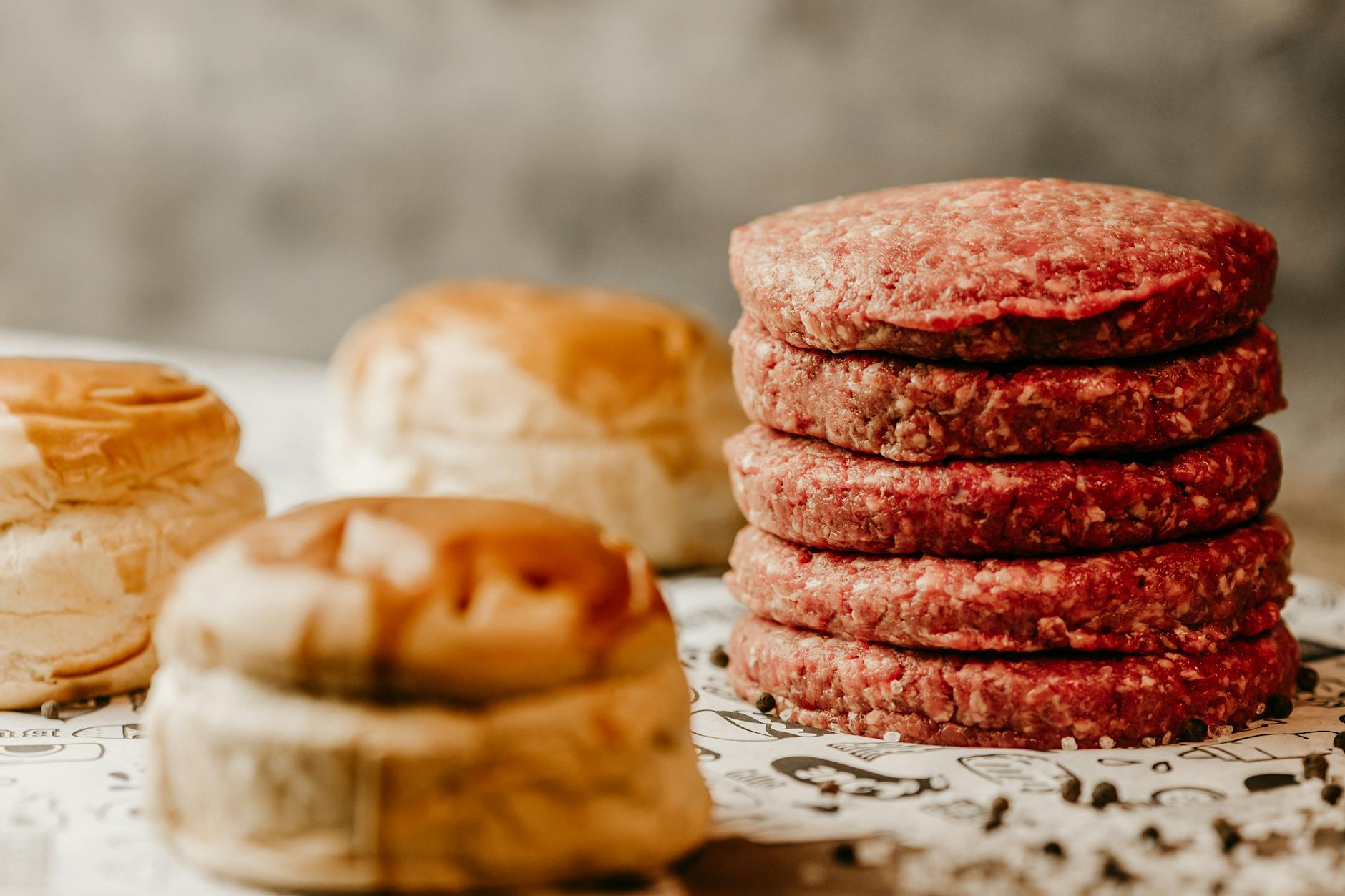
| Raw Portion | Cooked Portion | Best For |
|---|---|---|
| 3 oz (85 g) | 2.25 oz (64 g) | Children, light meals, pasta sauces |
| 4 oz (113 g) | 3 oz (85 g) | Tacos, chili, casseroles |
| 5 oz (142 g) | 3.75 oz (106 g) | Burgers, meatloaf, stuffed peppers |
| 6 oz (170 g) | 4.5 oz (128 g) | Large burgers, high-protein meals |
| 8 oz (227 g) | 6 oz (170 g) | Hearty appetites, athlete refueling |
Common portion size mistakes to avoid
One frequent error is confusing raw weight with cooked weight. Ground beef loses 20 to 30 percent of its weight during cooking due to fat and moisture loss. If you need 4 ounces cooked per person, start with 5 to 5.5 ounces raw.
Another mistake is relying on package labels. A 1-pound package labeled as four 4-ounce servings might shrink differently depending on fat content. Always weigh your own portions for consistency.
Cooking Ground Beef: Tips on Adjusting Quantities
How cooking affects ground beef weight and volume
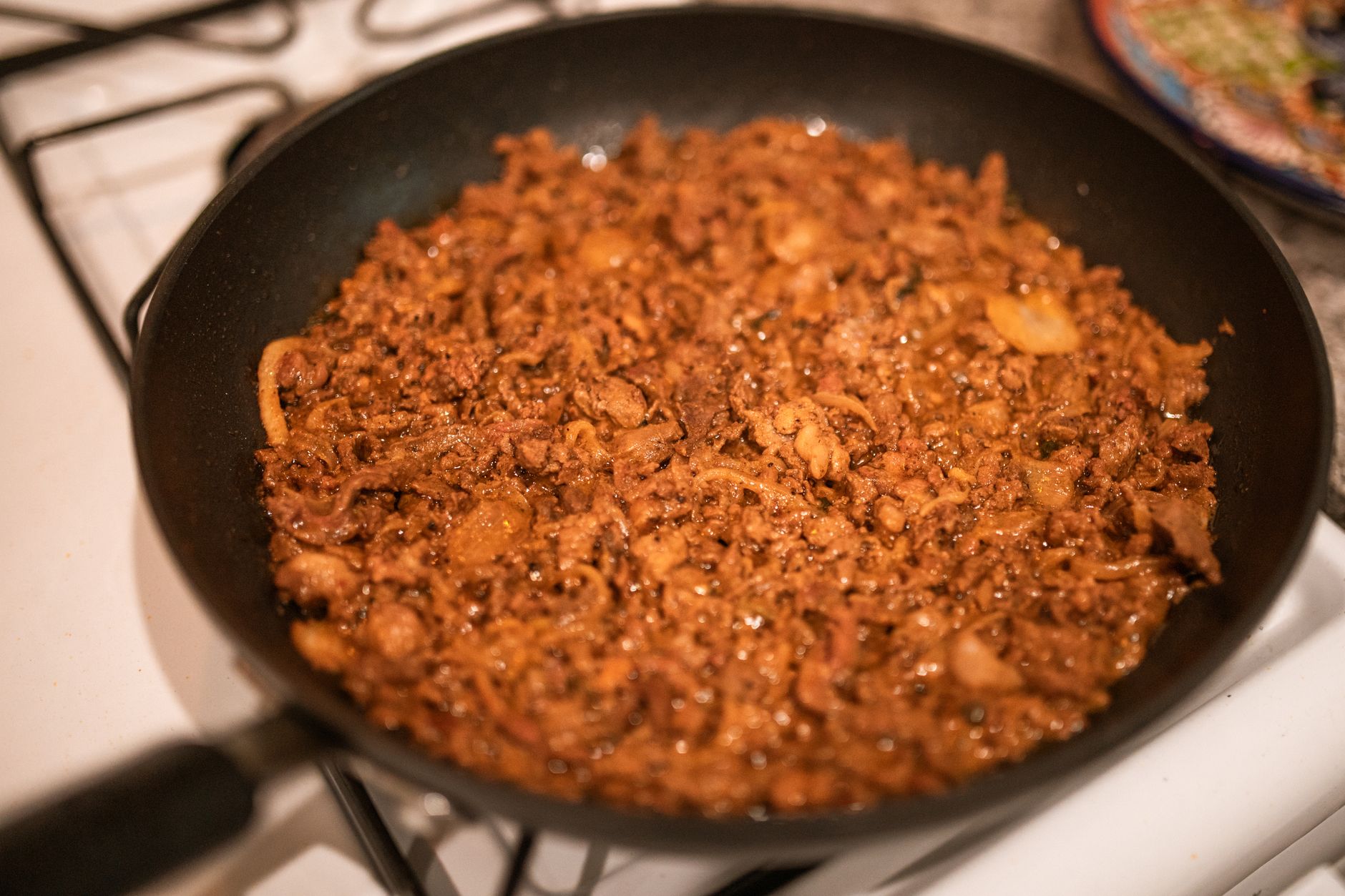
When ground beef cooks, fat renders out and water evaporates. A 5-ounce raw patty typically yields about 3.5 to 3.75 ounces cooked. Higher fat blends like 70/30 lose more weight than lean blends like 93/7. This shrinkage matters when you are cooking for a crowd and need exact yields.
To compensate, add 1 to 1.5 ounces raw per person when using higher-fat ground beef. For lean blends, add 0.5 ounce raw per person to account for minimal shrinkage.
Adjusting quantities if you are cooking for a crowd
For parties or large gatherings, multiply your per-person portion by the number of guests and add 10 percent as a buffer. For 20 adults eating burgers, that means 20 x 5.5 ounces raw = 110 ounces, or about 7 pounds of ground beef. The extra 10 percent covers unexpected appetites or cooking losses.
When cooking for a crowd, consider using two different fat blends. Offer a lean option for health-conscious guests and a standard blend for those who prefer juicier burgers.
Storing and repurposing leftover ground beef safely
Cooked ground beef keeps for 5 to 7 days in a sealed container in the refrigerator at 40F or below. For longer storage, freeze cooked ground beef in portion-sized bags for up to 3 months. Label each bag with the date and portion weight so you know exactly what you have.
Leftover ground beef works well in tacos, stir-fries, soups, and salads. Reheat to an internal temperature of 165F before serving. Never leave cooked ground beef at room temperature for more than 2 hours.
Balancing Benefits and Risks of Ground Beef Consumption Per Person
Nutritional benefits of ground beef in your diet
Ground beef is rich in high-quality protein, iron, zinc, and B vitamins especially B12. A 4-ounce raw serving supplies about 15 percent of your daily iron needs and 35 percent of your B12. These nutrients support energy levels, immune function, and healthy red blood cells.
For Halal-conscious consumers, grass-fed ground beef offers higher omega-3 fatty acids and more conjugated linoleic acid. Look for Halal-certified grass-fed options at specialty markets or through trusted online retailers.
Potential health risks when consuming ground beef excessively
Regularly eating more than 6 ounces cooked of red meat per day has been linked to increased risks of heart disease and certain cancers, according to the World Health Organization. The key is moderation. Sticking to recommended portion sizes helps you enjoy ground beef without exceeding healthy limits.
Processed ground beef products like pre-seasoned patties or meatballs often contain added sodium and preservatives. Check labels for sodium content some products exceed 400mg per serving.
How much is too much? Recommendations from health authorities
The USDA Dietary Guidelines for Americans suggest limiting red meat to about 3 to 4 ounces cooked per serving, with a total weekly intake of no more than 18 ounces cooked. For a person eating ground beef three times per week, that means 6 ounces cooked per meal roughly 8 ounces raw. This aligns well with standard portion sizes for most home cooks.
Choosing lean vs. regular ground beef and its impact on portion size
Lean ground beef (93/7 or leaner) shrinks less during cooking, so you need slightly less raw weight to get the same cooked portion. Regular ground beef (80/20) shrinks more but offers more flavor and juiciness. If you choose regular, add 0.5 to 1 ounce raw per person to compensate for the higher shrinkage.
For health-conscious households, lean ground beef lets you serve a larger-looking portion with fewer calories. A 5-ounce raw serving of 93/7 yields about 4 ounces cooked with only 190 calories.
Expert Insights and Real-Life Examples
Nutritionist advice on portion control for ground beef
Registered dietitian Sarah Mitchell recommends using your palm as a built-in portion guide. "A portion of ground beef should be about the size and thickness of your palm that is roughly 4 to 5 ounces raw for most adults. If you are very active, go up to two palms." This visual cue works well when you do not have a scale handy.
Chef tips for serving ideal amounts in different recipes
Chef Ahmad Hassan, a Halal cuisine specialist, suggests seasoning ground beef generously when using smaller portions. "If you are serving 3 ounces per person in a sauce, boost the flavor with onions, garlic, cumin, and a touch of cinnamon. The spices make the smaller portion feel more satisfying." He also recommends batching and freezing pre-seasoned portions for quick weeknight meals.
Case study: Reducing food waste by mastering ground beef portions
A family of five in Kuala Lumpur tracked their ground beef usage for one month. Before measuring portions, they wasted an average of 1.2 pounds per week about $6 worth of meat. After switching to weighed portions of 4.5 ounces per adult and 3 ounces per child, their waste dropped to nearly zero. They saved roughly $24 per month and reported feeling more confident in their meal planning.
Personal anecdote: How I learned to measure ground beef better and saved money
I used to grab whatever package looked right and hope for the best. More often than not, I ended up with extra cooked beef that nobody finished. After I bought a simple digital scale and started portioning 5 ounces per adult and 3 ounces per child, my grocery bill dropped by about 15 percent on meat. The best part? No more dried-out leftovers sitting in the fridge. Measuring changed how I cook and how much I spend.
When is the best time to eat ground beef for maximum nutrition?
Eating ground beef after a workout or during lunch supports muscle repair and sustained energy. The protein and iron content help replenish nutrients lost during exercise. Avoid eating heavy ground beef meals late at night, as the fat content can disrupt sleep for some people. Midday meals between noon and 2 PM give your body time to digest and use the nutrients efficiently.
Is ground beef actually Halal what should I check?
Not all ground beef is Halal. Look for certification from recognized bodies like JAKIM (Malaysia), HMC (UK), or IFANCA (USA) on the packaging. The certification logo must be clearly printed. Also check that the beef was slaughtered according to Islamic rites and that no non-Halal ingredients were added during grinding. Avoid products with ambiguous labeling if it does not show a certification mark, contact the manufacturer to confirm.
How many ounces of ground beef should I serve per person for tacos?
For tacos, plan 4 ounces raw of ground beef per person. This amount fills about 2 to 3 medium taco shells when combined with toppings like lettuce, tomato, cheese, and salsa. If you are serving a crowd with lots of side dishes, 3 ounces raw per person is sufficient. Scale up to 5 ounces for taco bars where beef is the main attraction.
Does ground beef shrink when cooked and how much?
Yes, ground beef shrinks by 20 to 30 percent during cooking. A 5-ounce raw patty yields roughly 3.5 to 4 ounces cooked. Higher fat blends shrink more because more fat renders out. Lean blends like 93/7 shrink about 15 to 20 percent. Always start with more raw weight than you want cooked to account for this loss.
Can I freeze ground beef in portion-sized amounts?
Yes, freezing ground beef in portion-sized amounts is one of the best ways to reduce waste. Divide raw ground beef into 4-ounce, 5-ounce, or 6-ounce portions based on your typical meal needs. Wrap each portion tightly in plastic wrap, then place in a freezer bag. Label with the date and weight. Frozen ground beef stays safe for 3 to 4 months at 0F. Thaw in the refrigerator overnight before cooking.
What is the difference between lean and regular ground beef for portion control?
Lean ground beef (93/7 or leaner) shrinks less, so you get a larger cooked portion from the same raw weight. Regular ground beef (80/20) shrinks more but delivers richer flavor and moisture. For portion control, lean beef gives you more visual volume on the plate with fewer calories. Regular beef requires adding 0.5 to 1 ounce raw to match the same cooked yield.
How do I measure ground beef without a scale?
Use everyday objects as visual references. A 4-ounce portion is about the size of a deck of cards or the palm of your hand (without fingers). A 6-ounce portion is roughly the size of a smartphone. A 3-ounce portion is about the size of a hockey puck. These visual cues are not as precise as a scale but work well for casual cooking at home.
Is it better to buy ground beef in bulk or pre-portioned packages?
Bulk buying is more cost-effective if you have freezer space and will use the meat within 3 to 4 months. Pre-portioned packages offer convenience and reduce prep time. For best value, buy bulk ground beef, portion it yourself using a scale, and freeze the individual servings. This gives you the savings of bulk pricing with the convenience of ready-to-use portions.
More You Might Like
If you cook ground beef on the grill often, check out our guide on Grill accessories to avoid for a cleaner, safer Halal BBQ experience. Knowing which tools compromise your meat quality helps you invest in the right equipment.
Handling raw meat safely is just as important as portioning it. Our article on Pink pork safety explains proper cooking temperatures that apply to ground beef too because safe cooking starts with knowing your numbers.
Getting your ground beef per person portion right is a small habit that saves money, reduces waste, and makes every meal more enjoyable. Next time you shop, grab a digital scale, check the Halal certification on the package, and portion with confidence. Your wallet and your guests will thank you. Have a portion tip of your own? Share it in the comments below.
FAQs
Is ground beef per person actually Halal — what should I check on the label?
Not all ground beef is Halal. Look for certification from recognized bodies like JAKIM (Malaysia), HMC (UK), or IFANCA (USA) on the packaging. The certification logo must be clearly printed. Also verify that the beef was slaughtered according to Islamic rites and that no non-Halal ingredients were added during grinding. Avoid ambiguous labeling; if no certification mark is shown, contact the manufacturer to confirm.
How long can I store ground beef after opening the package?
Raw ground beef can be refrigerated for up to 2 days after opening. Cooked ground beef keeps for 5 to 7 days in a sealed container at 40°F or below. For longer storage, freeze cooked ground beef in portion-sized bags for up to 3 months. Always reheat leftovers to an internal temperature of 165°F before serving.
What is the difference between lean and regular ground beef for portion control?
Lean ground beef (93/7 or leaner) shrinks less during cooking, giving you a larger cooked portion from the same raw weight. Regular ground beef (80/20) shrinks more but delivers richer flavor and juiciness. For portion control, lean beef provides more volume with fewer calories, while regular beef requires adding 0.5 to 1 ounce raw to match the same cooked yield.
Is it safe to eat ground beef every day? What are the health recommendations?
The USDA recommends limiting red meat to about 3 to 4 ounces cooked per serving, with a total weekly intake of no more than 18 ounces cooked. Eating more than 6 ounces cooked daily has been linked to increased health risks. Stick to recommended portions of 4 to 6 ounces raw per person and vary your protein sources for balanced nutrition.
Is it better to buy ground beef in bulk or pre-portioned packages?
Bulk buying ground beef is more cost-effective if you have freezer space and will use it within 3 to 4 months. Pre-portioned packages offer convenience but cost more per pound. For best value, buy bulk, portion it yourself using a scale, and freeze individual servings. This gives you the savings of bulk pricing with ready-to-use portions.