Quick pickles are a simple way to enjoy tangy crunch without the long wait of traditional fermentation. Perfect for busy days, this vinegar-based method produces crisp, delicious pickles in under 24 hours. If youve ever thought pickling had to be complicated or wait weeks, quick pickles prove otherwise letting you transform everyday vegetables into bright, flavorful snacks or garnishes in no time.
What Are Quick Pickles?
What makes quick pickles different from traditional fermented pickles?
Quick pickles, often called refrigerator pickles, differ from traditional fermented pickles because they use a vinegar-based brine instead of natural fermentation. This means no waiting for bacteria to develop; the acid from the vinegar preserves the vegetables immediately. The typical timeframe for quick pickles is less than 24 hours, making them ideal for anyone who wants tang without the wait.
Traditional fermented pickles rely on lacto-fermentation, developing probiotic goodness over days or weeks. Quick pickles, however, prioritize speed and flavor balance over probiotic benefits. This method involves soaking fresh vegetables in a hot vinegar, salt, and sugar brine that penetrates quickly, resulting in a snappy texture and bright taste.
Which vegetables are best suited for quick pickling?
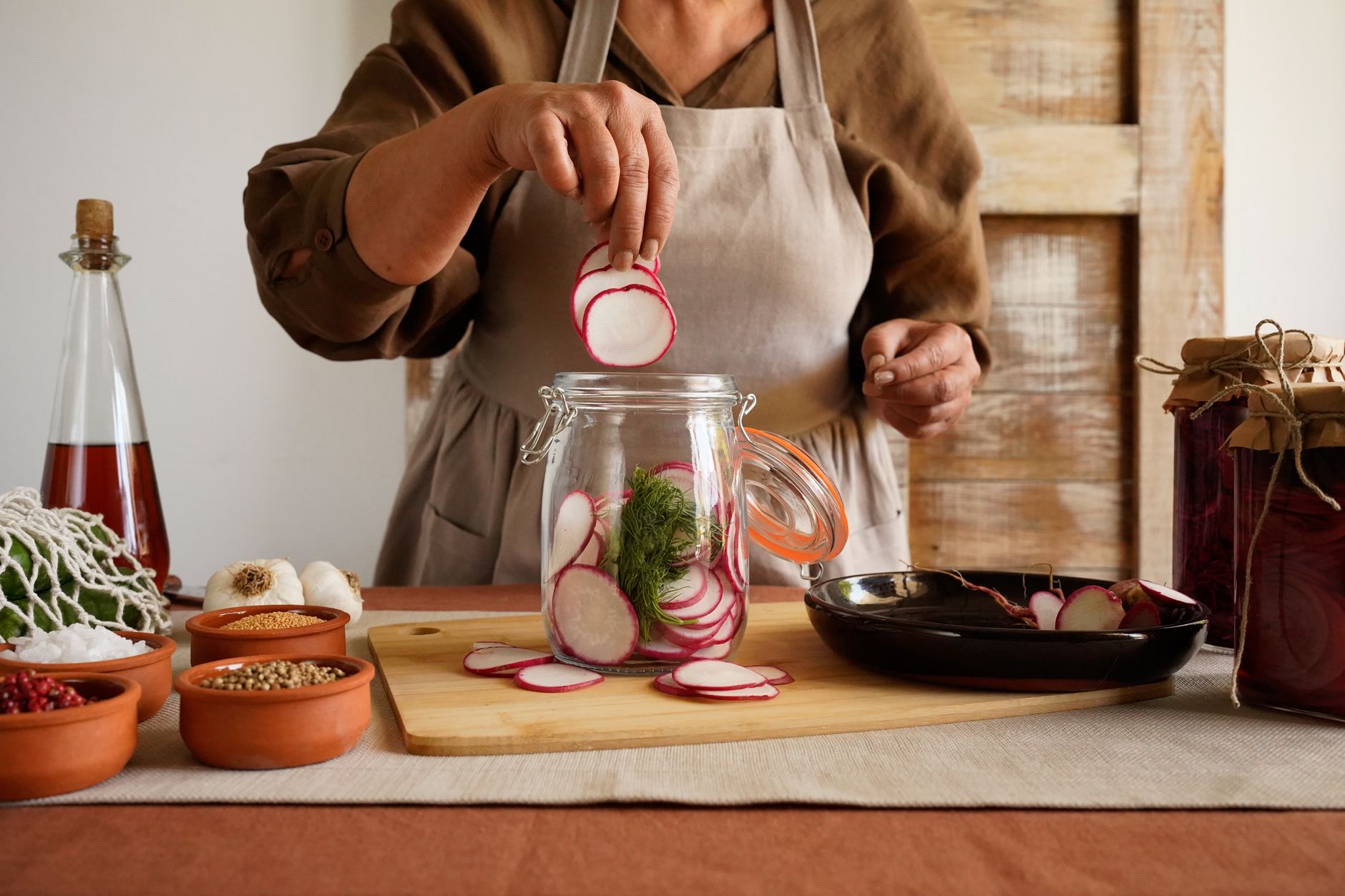
Cucumbers remain the classic choice, thanks to their crunchy texture, but many other vegetables adapt well. Carrots, radishes, green beans, cauliflower florets, and even thin slices of onion or bell pepper all make excellent quick pickles.
Look for firm vegetables with low water content to avoid sogginess. Baby carrots or slender cucumbers retain their crunch best. Larger or overly watery vegetables can become soft if left too long in brine. Quick pickling works best when vegetables are sliced thin or cut into uniform pieces to ensure even flavor absorption.

How to Make Quick Pickles
Essential ingredients and tools
Start with a clean glass jar or food-safe container with a tight lid. For the brine, your star ingredient is vinegar distilled white vinegar, apple cider vinegar, and rice vinegar all bring distinct flavors. White vinegar delivers a sharp, clean acidity, apple cider adds sweetness and fruitiness, while rice vinegar is milder and less acidic.
Balance vinegar with salt and sugar to bring out the best flavor. Kosher salt or pickling salt is preferred to avoid additives that cause cloudiness. Sugar tones down vinegars sharpness and creates a balanced taste. Add your favorite spices and fresh herbs for layers of aroma think garlic cloves, mustard seeds, peppercorns, dill sprigs, or chili flakes.
- Vinegars: white, apple cider, rice vinegar
- Salt: kosher or pickling salt
- Sugar: white granulated or brown sugar
- Spices: mustard seeds, peppercorns, coriander seeds, chili flakes
- Fresh herbs: dill, thyme, rosemary
- Equipment: knife, cutting board, measuring cups, clean jars with lids
Recipe Card: Basic Quick Pickles
| Prep time | 15 minutes | Cook time | 5 minutes |
|---|---|---|---|
| Total time | 20 minutes + 2 hours chilling | Servings | 4 servings |
| Calories | 10 per serving | Diet tags | Halal, Gluten-Free, Vegan |
Preparing vegetables for pickling
Wash vegetables thoroughly and slice them evenly. For cucumbers, cut into thin rounds or spears about -inch thick. Carrots work best sliced into coins or matchsticks. Radishes can be halved or quartered depending on size. Condition matters heredry them completely to avoid diluting your brine.
Packing the jar tightly helps keep vegetables submerged under the brine, enhancing flavor absorption and preserving texture. Leave about half an inch of headspace in the jar for the brine to circulate properly.
Making the brine
Combine vinegar, water, salt, and sugar in a saucepan. A reliable ratio for quick pickles is 1 cup vinegar, 1 cup water, 1 tablespoon salt, and 1 tablespoon sugar. Heat over medium heat until salt and sugar dissolve fully, about 35 minutes. Customize by adding spices or garlic cloves during heating for infused flavor.
Pour the hot brine over the packed vegetables, making sure they are fully submerged. Seal the jar tightly and cool to room temperature before transferring to refrigeration.
Storage and consumption
Quick pickles should be refrigerated immediately after preparation. They are typically ready to eat after about 2 hours chilling, but flavors deepen after 24 hours. Keep pickles refrigerated in airtight containers, and consume within 2 weeks for best crispness and taste.
Remember, because quick pickles lack fermentations long-term preservative benefits, they are not suitable for room temperature storage beyond a few hours. Refrigeration preserves safety and quality.

Common Quick Pickling Mistakes
Why do my quick pickles turn soggy or bland?
Over-processing vegetables, such as cutting them too thick or letting them sit in brine too long, can cause sogginess. Also, certain vegetables release excess water; salt draws this out, creating a watery brine and soft texture. To prevent this, slice vegetables thinly and refrigerate pickles within minutes of brining.
Bland pickles often result from incorrect salt or sugar ratios or too diluted brine. Stick to established brining ratios to keep your pickles pleasantly tangy and well-seasoned.
Can I reuse quick pickle brine?
Reusing brine is not recommended due to food safety risks. Once used, brine contains vegetable juices and potentially bacteria, reducing acidity and increasing spoilage risk. For Halal and health-conscious home cooks, always prepare fresh brine for every batch to ensure safety and quality.
How to balance sourness, saltiness, and sweetness?
Adjust vinegar, salt, and sugar proportionally based on taste tests. If pickles are too sour, add a pinch more sugar. For saltiness, increase salt gradually but avoid overpowering flavors. Taste your cooled brine before pouring it over vegetables to fine-tune the balance.
When are quick pickles not suitable?
If you want long-term preservation without refrigeration, quick pickles aren‘t ideal. They lack probiotic benefits and enduring shelf stability of fermented or canned pickles. Also, some firm vegetables better tolerate traditional fermentation, which enhances texture over time.
Benefits and Risks of Quick Pickles
Nutritional benefits of homemade quick pickles
According to the USDA FoodData Central database, quick pickled cucumbers provide low calories and contain antioxidants. Homemade versions retain vitamins A and C from fresh vegetables, which support immunity and skin health. They also add flavorful, low-calorie options for meals and snacks without artificial preservatives.
Potential risks or downsides
Pickles contain sodium, with quick pickles averaging around 400500mg sodium per serving. Excessive consumption can impact blood pressure, so moderation matters. Unlike fermented pickles, quick pickles do not contain probiotics, which aid digestion and gut health.
Are quick pickles safe for all diets?
Yes, quick pickles suit most diets, including Halal, vegan, gluten-free, and low-fat. When purchasing vinegars or ingredients, look for Halal certification by trusted bodies like JAKIM, HMC, or IFANCA to ensure compliance with religious dietary laws.
Pro Tips for Perfect Quick Pickles
Creative flavor combos to try
Experiment with spices such as star anise, cinnamon sticks, or smoked paprika to add unique aroma. For sweet heat, add sliced jalapeos or chili flakes. Fresh herbs like tarragon or basil can brighten pickles further. These tweaks make your quick pickles a standout side or topping.
Using pickles beyond snacking
Quick pickles are fantastic on sandwiches, including favorite options like Subway breakfast sandwiches, or scattered over salads. Their crunch contrasts beautifully with creamy spreads or tender meats. They also elevate dishes featured in Giant eagle prepared foods by adding fresh zest.
Tweaking pickling time
Shorter pickle times (12 hours) keep veggies crisp and mildly sour, while longer (24 hours) develop deeper flavor but risk softening. Refrigerate promptly and sample your pickles over several days to find your perfect balance.
Quick Pickles FAQs
When is the best time to eat quick pickles?
Quick pickles are best eaten after at least 2 hours in the refrigerator to develop tang and texture. For optimal flavor, wait 1224 hours. They keep fresh and crunchy for up to 2 weeks when refrigerated in sealed containers.
Is quick pickling safe for children?
Yes, quick pickles are safe for children when made with fresh, clean ingredients and consumed within their refrigerated shelf life. Keep sodium intake moderate and avoid spicy additions for young kids.
Can I use distilled vinegar for quick pickles?
Distilled white vinegar is a popular choice due to its neutral, sharp acidity. Its effective for pickling and widely available. Ensure it contains at least 5% acidity for safe preservation.
Do quick pickles have probiotics?
No, quick pickles lack probiotics since they don‘t ferment. If youre seeking probiotic benefits, fermented pickles like naturally brined sauerkraut or kimchi are better options.
Can I pickle fruits using the quick pickle method?
Certain firm fruits like green mango or apples can be quick pickled. Use less sugar in the brine to balance natural fruit sweetness and pickle briefly to preserve texture.
Are quick pickles Halal?
Quick pickles are Halal when made with certified Halal ingredients, including vinegars and spices. Look for certification logos like JAKIM or HMC on packaged products for assurance.
How do I make pickles less salty?
Reduce salt gradually in the brine recipe, balancing with sugar and vinegar to maintain flavor. Rinse vegetables briefly before brining to lower surface salt if needed.
Summary
Quick pickles offer a fast, easy way to enjoy crisp, flavorful pickled veggies at home. Using simple vinegar brine, fresh ingredients, and smart ratios, you can transform ordinary vegetables into vibrant side dishes or toppings. Next time you shop, check labels for Halal certification and clean ingredients to align with your values. Give this method a try, and feel free to experiment with spices and timing until you discover your perfect pickle.
FAQs
When is the best time to eat or drink quick pickles?
Quick pickles are best eaten after chilling at least 2 hours in the refrigerator to develop tangy flavor and crisp texture. For deeper taste, wait 12 to 24 hours. They stay fresh for up to 2 weeks if kept refrigerated in sealed containers.
How long do quick pickles stay good after opening?
After opening, quick pickles should stay refrigerated and are best consumed within 2 weeks. Keeping them sealed and submerged in brine preserves crunch and flavor, while preventing spoilage and loss of quality.
What is the main difference between quick pickles and fermented pickles?
Quick pickles use a vinegar-based brine and are ready in hours, focusing on fast tangy flavor. Fermented pickles rely on natural lacto-fermentation, taking days or weeks, producing probiotics and deeper preservation.
Are quick pickles safe to eat daily?
Yes, quick pickles are safe for daily consumption but watch sodium intake, as they contain moderate salt levels. Eating in moderation as part of a balanced diet is recommended to avoid high sodium-related health issues.
Where can I buy halal-certified quick pickles?
Halal-certified quick pickles can be found in specialty grocery stores, halal markets, or online retailers. Check labels for certification logos like JAKIM, HMC, or IFANCA to ensure compliance with halal dietary standards.