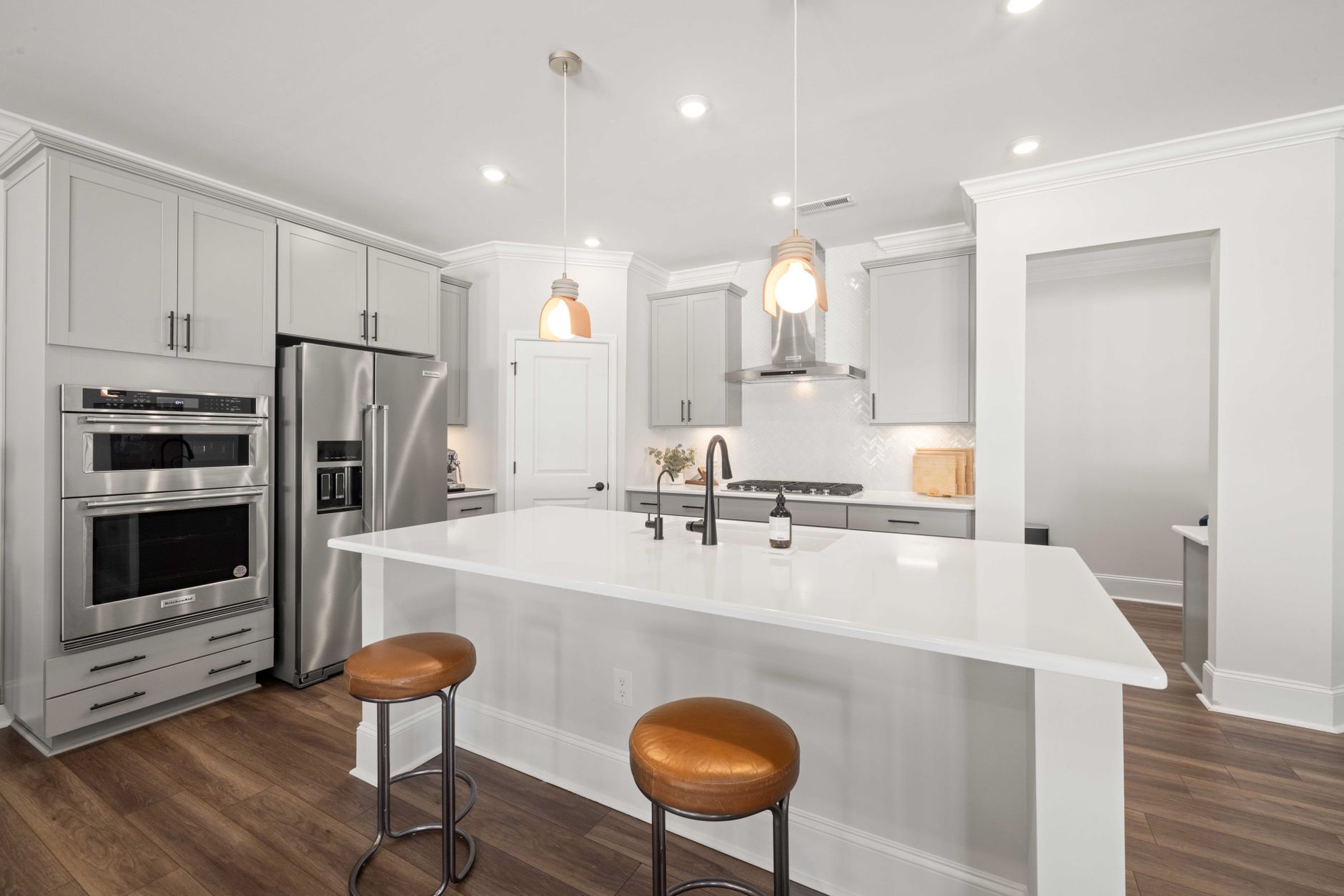
You might think choosing between granite and quartzite for your kitchen countertops comes down to looks alone. But any home cook knows the surface you prep on affects your daily routine especially if you follow Halal food practices where cleanliness and material safety matter. Granite offers classic appeal and solid durability, while quartzite brings extreme hardness and a sleek finish. One suits busy family kitchens better; the other shines in spaces where style meets heavy use. Let‘s break down what each delivers so you can pick the right fit for your cooking space.
Understanding Granite and Quartzite Countertops
What Are Granite and Quartzite?
Granite is an igneous rock formed from cooled magma deep underground. Its speckled, grainy appearance comes from quartz, feldspar, and mica crystals locked together under intense heat. Quartzite starts as sandstone and transforms under extreme pressure and temperature into a metamorphic rock that‘s even harder than granite. Both materials are natural stone, but their formation processes give them different strengths. For a Halal kitchen where food contacts surfaces directly, understanding porosity and hardness helps you choose a countertop that stays hygienic and easy to clean.
Appearance and Aesthetics Differences
Granite offers a wide range of colors deep blacks, warm browns, greens, blues, and speckled whites. Its pattern tends to be more uniform with small flecks and veins. Quartzite often mimics marble with dramatic veining and softer backgrounds in white, gray, or beige tones. If your kitchen leans toward a traditional or rustic style, granite blends naturally with wood cabinets and warm lighting. For modern or minimalist spaces, quartzite‘s clean lines and subtle movement create a polished, high-end look. Both options bring natural variation, so you get a truly one-of-a-kind surface.
Durability and Maintenance: What You Should Expect
How Durable Are Granite and Quartzite Countertops?
Granite ranks around 6 to 7 on the Mohs hardness scale. It resists scratches from knives and withstands heat from hot pans without damage. Quartzite ranks higher at 7 to 8, making it even more scratch-resistant and less likely to chip. Neither material cracks easily under normal use, but quartzite handles heavy impact slightly better. For a busy Halal kitchen where you frequently roll dough, chop vegetables, or place hot pots, both options perform well. Quartzite holds an edge for longevity, but granite still delivers decades of reliable service when sealed properly.
Cleaning and Upkeep Tips for Each Material
Clean both surfaces daily with mild soap and warm water. Avoid acidic cleaners like vinegar or lemon juice they etch the sealant over time. Granite needs resealing every 12 to 18 months depending on how often you cook. Quartzite requires less frequent sealing, typically every 2 to 3 years, because its denser structure resists penetration. For Halal kitchens where raw meat and poultry are prepared, wiping down with a food-safe disinfectant after each use keeps surfaces sanitary. Apply a stone-specific sealer recommended by your fabricator to maintain stain resistance and protect against bacteria growth.
Cost and Value: Budgeting for Your Kitchen Countertops
Price Range Comparison Between Granite and Quartzite
Granite typically costs between $40 and $100 per square foot installed, depending on color rarity and edge detail. Mid-range colors like tan or gray fall on the lower end, while exotic patterns push the price higher. Quartzite runs $70 to $150 per square foot installed, reflecting its greater hardness and quarry difficulty. Both materials add resale value to your home. If your budget stays under $100 per square foot, granite offers the best balance of durability and cost. For long-term investment with a premium look, quartzite justifies the extra expense.
Additional Considerations for Budgeting
Installation costs include template creation, cutting, polishing, and mounting the slabs. Complex cuts for sink openings or backsplashes add $10 to $30 per square foot. Transportation and slab selection also affect the final price thicker stones weigh more and require extra support beneath cabinets. For a typical 40-square-foot kitchen, expect total costs between $1,600 and $6,000 depending on material choice. Factor in sealing supplies every year or two, and consider edge profiles like bullnose or beveled which add $5 to $15 per linear foot.
Pros and Cons: Weighing Up the Options
Key Benefits of Granite Countertops
Granite delivers a classic look that never feels outdated. Its natural resistance to heat means you can set hot pans directly on the surface without worry. The wide availability of colors and price points makes it accessible for most budgets. Granite also stands up well to daily knife use and accidental impacts. For Halal home cooks who prepare large meals frequently, granite‘s durability and easy maintenance save time and hassle.
Key Benefits of Quartzite Countertops
Quartzite surpasses granite in hardness, making it one of the most durable natural stones available. Its resistance to scratching and etching keeps the surface looking new for decades. The visual resemblance to marble adds elegance without the high maintenance of actual marble. Quartzite also tolerates heat exceptionally well a key advantage for bakers and cooks who work with hot equipment. Its non-porous nature when properly sealed makes it a strong choice for hygienic food preparation in a Halal kitchen.
Comprehensive Comparison Table
| Feature | Granite | Quartzite |
|---|---|---|
| Durability | High good heat and scratch resistance | Higher extremely hard and scratch-resistant |
| Maintenance | Needs sealing every 1218 months | Needs sealing less frequently (23 years) |
| Appearance | Speckled patterns, classic warmth | Veined, often marble-like elegance |
| Cost | $40$100 per sq ft installed | $70$150 per sq ft installed |
| Resale Value | Solid return on investment | Strong premium for high-end buyers |
How to Choose the Best Kitchen Countertop Material for You
Matching Countertop Materials to Your Lifestyle
Do you cook daily with heavy pots and sharp knives? Quartzite handles the wear better over decades. Do you prefer changing your kitchen decor every few years? Granite‘s lower cost lets you remodel without overspending. If children or elderly family members use the kitchen frequently, quartzite‘s scratch resistance keeps the surface looking pristine longer. For Halal households that prepare multiple dishes simultaneously, choosing a non-porous, easy-to-sanitize surface supports safe food handling practices.
Considering Your Kitchen Design and Personal Style
Your countertop should complement your cabinetry, flooring, and backsplash. Granite pairs well with warm wood tones and textured tile. Quartzite works beautifully with white shaker cabinets and metallic fixtures. Bring samples home and view them in natural and artificial lighting before committing. Both materials can accommodate under-mount sinks, cooktops, and backsplashes seamlessly. Trust your eye the countertop you love looking at daily will make your kitchen feel more inviting.
Experts‘ Final Recommendations
Kitchen designers suggest choosing quartzite if you want maximum durability and a luxury aesthetic that holds up over time. They recommend granite for homeowners who want reliable performance at a more accessible price point. For Halal-focused kitchens, both materials work well when sealed with food-safe products. Always request samples from your local stone yard and test them with oil, red wine, and water to see how they resist staining. One common tip: select a slab with minimal veining if you plan to place hot pots directly on the surface fewer weak points mean better heat resistance.
| Certification | Price Range | Common Formats | Shelf Life | Key Allergens |
|---|---|---|---|---|
| NSF/ANSI 51 (food zone safety) | $40$150 per sq ft installed | Slabs, tiles, prefabricated shapes | 2030+ years with proper sealing | None natural stone is non-allergenic |
When is the best time to replace kitchen countertops?
Replace countertops during a full kitchen remodel when removing old surfaces won‘t damage new cabinets. Schedule fabrication and installation 4 to 6 weeks before your target completion date. Spring and fall offer moderate temperatures for sealant curing and easier contractor scheduling.
Is granite safe for Halal food preparation?
Yes, granite is safe for Halal food preparation when sealed with a food-grade sealer. The non-porous surface prevents bacteria from harboring in cracks. Wipe down with hot water and mild soap after handling raw meat to maintain cleanliness according to Halal hygiene standards.
Does quartzite require sealing like granite?
Quartzite requires sealing less frequently than granite typically every 2 to 3 years instead of every 12 to 18 months. Its denser structure resists liquid absorption better. Always use a stone-specific, food-safe sealer to maintain stain protection and hygiene.
Can I place hot pans directly on granite or quartzite?
Both materials tolerate heat well, but quartzite handles high temperatures slightly better due to its greater density. Granite can withstand brief contact with hot pans, but repeated exposure may weaken the sealant over time. Using trivets or hot pads protects the surface and extends its lifespan.
Which countertop is more affordable for a typical kitchen?
Granite is more affordable for most kitchens, ranging from $40 to $100 per square foot installed. Quartzite costs $70 to $150 per square foot. For a 40-square-foot kitchen, granite saves $1,200 to $2,000 on average while still providing excellent durability and style.
How do I clean a natural stone countertop without damaging it?
Use a pH-neutral stone cleaner or mild dish soap with warm water. Apply with a soft cloth or sponge, rinse thoroughly, and dry immediately. Avoid bleach, vinegar, ammonia, or citrus-based cleaners they etch the sealant and dull the surface. For deep sanitation, use a food-grade disinfectant safe for stone.
What thickness should I choose for kitchen countertops?
Standard thickness options are 2 cm and 3 cm. A 3 cm slab provides more strength and a substantial look, requiring less support underneath. A 2 cm slab costs less but needs plywood reinforcement. For both granite and quartzite, 3 cm is the preferred choice for durability in a working kitchen.
Pro Tips for Choosing Countertops
One mistake many first-time buyers make is choosing a slab based solely on a small sample. Natural stone varies greatly what looks subtle in a 4-inch square can become busy across a full island. Always view full slabs at the yard before purchasing. Another overlooked detail: dark granite shows dust and fingerprints more visibly, while lighter quartzite hides crumbs between uses. If you cook with turmeric, beetroot, or red sauces, test your top three slab candidates with a splash of each to confirm stain resistance before installing. An expert tip from fabricators: request a honed finish for quartzite if you prefer a matte look it hides water spots better than polished surfaces.
More You Might Like
If you‘re reorganizing your kitchen for better workflow, check out our guide on a Paper plate dispenser it keeps disposables tidy and frees up counter space for food prep. For sourcing quality ingredients that complement your new kitchen, explore our Healthy market recommendations featuring Halal-certified meats, dairy, and pantry staples.
Conclusion
Choosing between granite and quartzite for your kitchen countertops doesn‘t have to be overwhelming. Granite delivers proven durability and classic beauty at a reasonable price, while quartzite offers superior hardness and a marble-inspired look for those willing to invest more. Both materials support hygienic food preparation when sealed and maintained correctly essential for any Halal kitchen. Visit a local stone yard, request samples, and test them in your own light. The right countertop makes daily cooking more enjoyable and adds lasting value to your home.
FAQs
Is kitchen countertops actually Halal — what should I check on the label?
Natural stone countertops like granite and quartzite are inherently Halal as they are non-animal-based. However, ensure the sealer used is food-grade and labeled safe for food contact. Check for NSF/ANSI 51 certification for food zone safety. Avoid sealers with harmful chemicals. Properly sealed, they are hygienic for Halal food preparation.
How long do granite and quartzite countertops last?
Both materials are extremely durable and can last 20 to 30 years or more with proper sealing and care. Granite requires resealing every 12-18 months, while quartzite needs resealing every 2-3 years. Avoid harsh cleaners to extend lifespan.
What is the difference between granite and quartzite countertops?
Granite is an igneous rock with speckled patterns, while quartzite is a metamorphic rock with marble-like veining. Quartzite is harder (7-8 Mohs) than granite (6-7) and more scratch-resistant. Granite is generally more affordable ($40-$100/sq ft) than quartzite ($70-$150/sq ft). Both are natural stones but differ in appearance, hardness, and price.
Are granite and quartzite countertops safe for daily food preparation?
Yes, both are safe when sealed with a food-grade sealer. They are non-porous, preventing bacteria harboring. Clean with mild soap and warm water after each use, especially after handling raw meat. Avoid acidic cleaners that can damage the sealant. They meet hygiene standards for daily cooking.
Where can I buy quality granite or quartzite countertops?
Purchase from local stone yards, kitchen remodeling suppliers, or specialty countertop fabricators. Visit showrooms to view full slabs and test stain resistance. Look for sellers offering NSF-certified materials and professional installation. Online marketplaces like Home Depot or Lowe's also offer options.