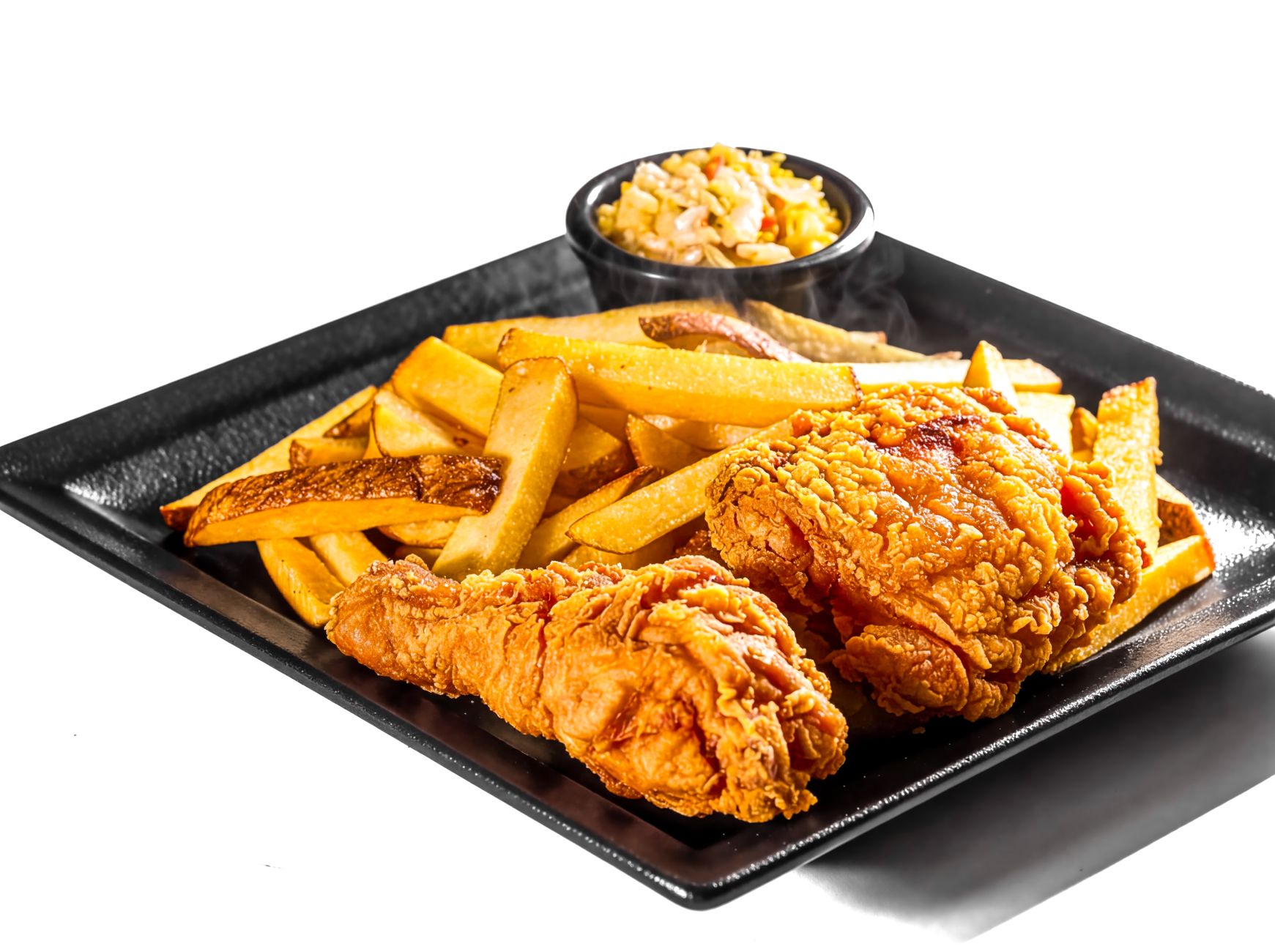
Choosing the best oil fried chicken means more than just seasoning right or picking the tenderest meat. The type of oil you fry your chicken in profoundly impacts the taste, crispiness, and even the cost of your meal. Many home cooks and even foodies unknowingly make an oily mistakeusing expensive or low smoke point oils like olive oilthat wastes money and spoils the flavor. If you want fried chicken thats perfectly crispy, delicious, and affordable, understanding which oil to choose is key.
Why Oil Choice Matters
The oil you use for frying chicken sets the stage for flavor, texture, and healthiness. Fried chicken owes its signature crunch to oil that heats evenly at the right temperature without breaking down or adding off-flavors. High smoke point oils allow you to fry at optimal temperatures, sealing the chickens moisture inside while creating a golden crust. Meanwhile, oil choice also affects how long you can reuse the oil, which matters if you love making fried chicken regularly.
Selecting the wrong oil leads to soggy, greasy fried chicken with spoiled taste. Plus, oils that break down quickly can release harmful compounds and burn your wallet due to waste. Knowing the smoke points and flavor profiles helps ensure your oil works with, not against, your recipe.
What Happens When You Use the Wrong Oil?
When oil breaks down under heat, its molecules degrade and form unpleasant flavorssometimes bitter or acridthat ruin your fried chickens taste. For example, olive oils smoke point is around 375F (190C), often too low for frying, causing the oil to smoke and burn. Overheated oil can also release harmful free radicals, affecting health.
Using an expensive oil with a low smoke point results in tossing lots of wasted oil after one use. This waste hikes your cooking cost, especially when frying in large batches. Soggy chicken is another symptom, as overheated or degraded oil fails to create the signature crunchy coating.
| Oil Type | Smoke Point (F) | Flavor Profile | Typical Cost (per liter) |
|---|---|---|---|
| Vegetable Oil | 400-450 | Neutral | Low |
| Peanut Oil | 450 | Mild, nutty | Moderate |
| Canola Oil | 400 | Neutral | Low |
| Olive Oil (Extra Virgin) | 375 | Fruity, strong | High |
| Sunflower Oil | 440 | Neutral | Moderate |
The Costly Mistake: Avoid Olive Oil
Olive oil often gets mistaken as a healthy all-rounder, but its not ideal for frying fried chicken. Its relatively low smoke point causes it to break down quickly at frying temperatures, around 350375F (175190C). This breakdown creates burnt flavors that mask the chickens natural juiciness and spices.
More importantly, olive oils bold flavor can clash with traditional fried chicken seasonings. Unlike neutral oils, the fruity, sometimes peppery olive oil taste doesnt complement the crispy crust you want. And its pricier, making it an inefficient choice if you discard it after every fry session.
Professional kitchens and experienced home cooks alike favor oils with higher smoke points and neutral flavors to keep fried chicken crispy and affordable. Cooking shows and culinary institutes consistently recommend oils like peanut or canola for their heat stability.
Is Olive Oil Healthy for Frying?
Olive oil has excellent health qualities due to its monounsaturated fats and antioxidants. However, when heated beyond its smoke point, these benefits degrade, and harmful compounds may form. For frying, oils like high-oleic sunflower or peanut oil maintain stability and some healthful fats better under heat.
If you prefer olive oil for health reasons, consider using it for sauting or dressings rather than deep frying. This way, you retain its nutritious properties without risking flavor or safety.
Best Oils for Affordable Crispy Fried Chicken
When selecting the best oil fried chicken option, your goal is to find oils that balance taste, smoke point, availability, and price. Neutral-flavored oils with smoke points above 400F (204C) serve you best. Here are top candidates:
- Peanut Oil: High smoke point (450F), light nutty flavor, repeated use possible. Ideal for a crisp crust.
- Canola Oil: Affordable, neutral taste, smoke point ~400F, widely available and versatile.
- Vegetable Oil Blend: Usually made of soy or corn oil, neutral flavor, smoke points 400450F, budget-friendly.
- Sunflower Oil (High Oleic): Mild taste, smoke point ~440F, stable under heat and suitable for frying chicken.
Using these oils helps achieve that golden, crispy skin and juicy interior that define great fried chicken. Plus, their cost and reusability make cooking more sustainable and wallet-friendly.
You can explore other meat preparation ideas like head cheese to diversify your menu using similar principles.
Choosing Based on Budget and Taste
If youre aiming for regular homemade fried chicken, canola or vegetable oils offer excellent results without breaking the bank. Have some peanut oil on hand to impress guests with signature crispy, subtly nutty fried chicken on special occasions.
Buying oils in larger sizes often reduces cost per use. Also, reusing oil correctly extends both value and flavor. Filter oil after use, store in a dark container, and avoid overheating it repeatedly to keep it fresh.
| Certification | Price Range | Common Formats | Shelf Life | Key Allergens |
|---|---|---|---|---|
| Halal Certified (JAKIM, HMC) | $3$10/liter | Bottle, Bulk | 1218 months unopened | Possible allergen: Peanut Oil |
How to Avoid Common Pitfalls
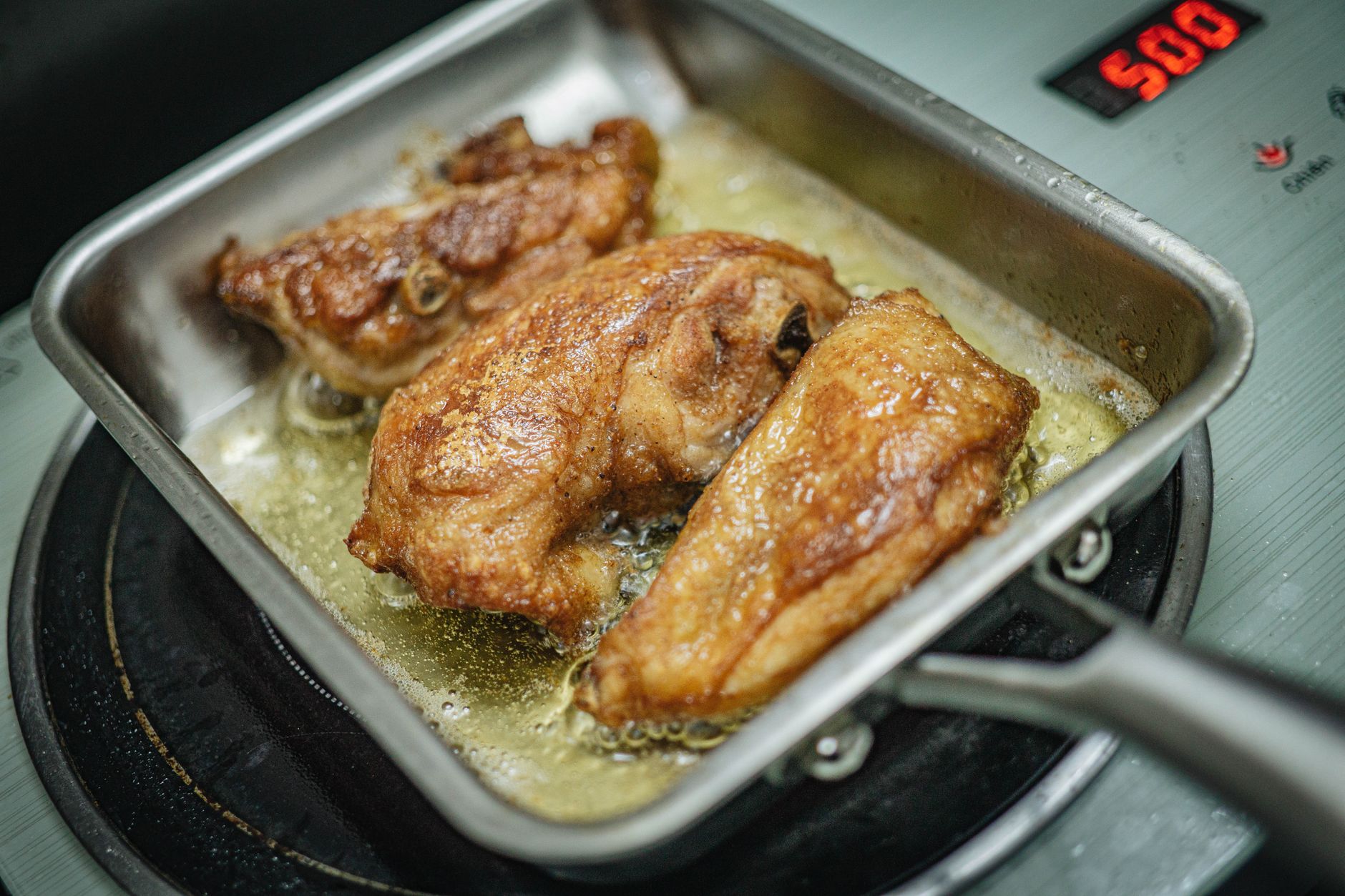
Choosing oil is crucial, but frying technique matters just as much. Too low temperature results in greasy chicken. Too high causes burning. Overcrowding the pan lowers oil temperature, making the crust soggy. Using a food thermometer ensures oil stays between 350F and 375F for best texture and flavor.
Practice patience dont flip chicken too often. Drain fried pieces on paper towels or a wire rack to preserve crispiness. Dont reuse oil more than 34 times, and discard it once it smells rancid or darkens considerably.
Tips for Crispy Chicken and Longer Oil Life
- Use a deep fry thermometer to monitor oil temperature closely.
- Heat oil gradually to avoid thermal shock and prolong its life.
- Strain oil after each use to remove food particles that cause faster deterioration.
- Rest battered chicken before frying to let moisture escape, preventing soggy crusts.
- Keep fried chicken warm in a low oven (around 200F) while finishing batches to maintain crispiness.
You might also enjoy the perfectly cooked tenderness of blue rare steak for a different meat experience.
Step-by-Step Fried Chicken Oil Guide
If youre new to frying, follow these exact steps to maximize your oil and chicken quality:
- Choose your oil (peanut or canola recommended) and fill a deep pot no more than half full with oil (about 34 inches deep).
- Heat oil over medium heat, using a thermometer until it reaches 350F.
- Pat chicken pieces dry and coat with your preferred seasoned flour or batter mix.
- Carefully lower chicken into hot oil without overcrowding (cook in batches of 34 pieces).
- Fry each batch for 1215 minutes, turning halfway, maintaining oil temp at 350375F.
- Remove chicken using tongs; place on wire rack or paper towels to drain excess oil.
- Let oil cool slightly, then filter through a fine sieve into a clean container for reuse.
- Store used oil in a sealed container, away from light and heat, for up to one week.

How Long Can You Keep Used Frying Oil?
Used frying oil keeps well for 57 days if strained, stored airtight, and refrigerated. Avoid storing oil at room temperature for long periods as it oxidizes faster, resulting in rancidity and off-flavors. Always discard oil with dark color or foul smell.
Is the Best Oil Fried Chicken Actually Halal?
To ensure your fried chicken is Halal, select oils certified by reputable bodies such as JAKIM, HMC, or IFANCA. Most plant-based oils like peanut, canola, or sunflower oil are naturally Halal, but look for a Halal logo on packaging to confirm traceability and handling compliance. This is especially important if oil is processed in facilities also handling questionable ingredients.
Can You Mix Different Oils for Frying Chicken?
Mixing oils is generally not recommended unless you know the combined smoke points and flavors. Mixing low and high smoke point oils can reduce overall stability, leading to faster breakdown. Stick to one quality, neutral oil per frying session for best results.
Does Reusing Oil Affect Fried Chicken Quality?
Reusing oil up to 34 times is acceptable if filtered and stored correctly. Beyond that, oil degrades and imparts off-flavors. Each reuse also lowers the smoke point, increasing the risk of burning chicken and affecting texture.
What Oil Temperature Produces Crispy Fried Chicken?
The ideal frying temperature is 350375F. This range crisps the coating quickly, locks in juices, and prevents excessive oil absorption. Temperatures below 350F lead to greasy chicken; above 375F cause burning or uneven cooking.
Can I Use Olive Oil for a Healthier Fried Chicken Alternative?
While olive oil boasts health benefits, its low smoke point (~375F) and strong flavor make it unsuitable for deep frying chicken. Use it instead for pan-frying at lower heat or as a finishing oil to retain its nutrients and taste.
How Do I Know When Oil Is Ready for Frying?
Use a thermometer to ensure oil reaches 350F. Without one, test by dropping a small piece of bread or batter into the oilit should sizzle and brown within 60 seconds without smoking or burning.
Pro Tips for Perfect Fried Chicken Oil Use
- Always buy oils with a clear Halal certification seal, such as JAKIM or HMC, for peace of mind.
- Cheap oils often have quality inconsistencies, reducing smoke point and flavor; invest in mid-range oils for best results and health safety.
- Heat oil in small batches to maintain consistent temperature throughout frying.
- Use a spider skimmer to remove crumbs from oil after each batch; this prevents burning and contamination.
More You Might Like
If you enjoy exploring savory meat specialties, check out our detailed guide on Head cheesea Halal-friendly delicacy full of rich flavor and history.
Or try different cuts and cooking styles with our article on Blue rare steak that offers a tender and perfectly seared experience for steak lovers.
Conclusion
The best oil fried chicken comes down to picking an oil that balances heat tolerance, flavor neutrality, and price. Avoid the costly mistake of frying with olive oil; instead, select peanut, canola, or vegetable oils certified Halal for crispy, delicious, and affordable results. Next time you cook fried chicken, note the oil on the label and try these tipsyoull taste the difference and preserve your oil better. Share your experience or favorite oil below!
FAQs
Is best oil fried chicken actually Halal — what should I check on the label?
To ensure fried chicken is Halal, select oils certified by recognized bodies like JAKIM or HMC. Most plant-based oils are naturally Halal, but always look for a Halal certification logo on packaging to guarantee compliance with Halal standards and traceability.
What is the typical shelf life of used frying oil after opening?
Used frying oil can last 5 to 7 days if strained, stored airtight, and refrigerated. Avoid storing oil at room temperature, as it oxidizes faster. Discard oil that darkens significantly or develops a rancid or off smell.
How does using peanut oil differ from olive oil for frying chicken?
Peanut oil has a high smoke point (~450°F) and a mild nutty flavor ideal for crispy fried chicken. Olive oil has a lower smoke point (~375°F) and strong flavor that can burn quickly and overpower seasoning, making it less suitable for deep frying.
Is it safe to reuse frying oil daily for cooking fried chicken?
Reusing oil 3 to 4 times is generally safe if filtered after each use and stored properly. Repeated use lowers smoke point and oil quality, so discard it once it smells rancid, darkens, or imparts off-flavors to food.
Where can I buy the best oils for frying chicken that are Halal certified?
You can find Halal-certified frying oils like peanut, canola, or sunflower oil in specialty grocery stores, online Halal food retailers, and some major supermarkets. Always check for a clear Halal certification mark on the label before purchasing.