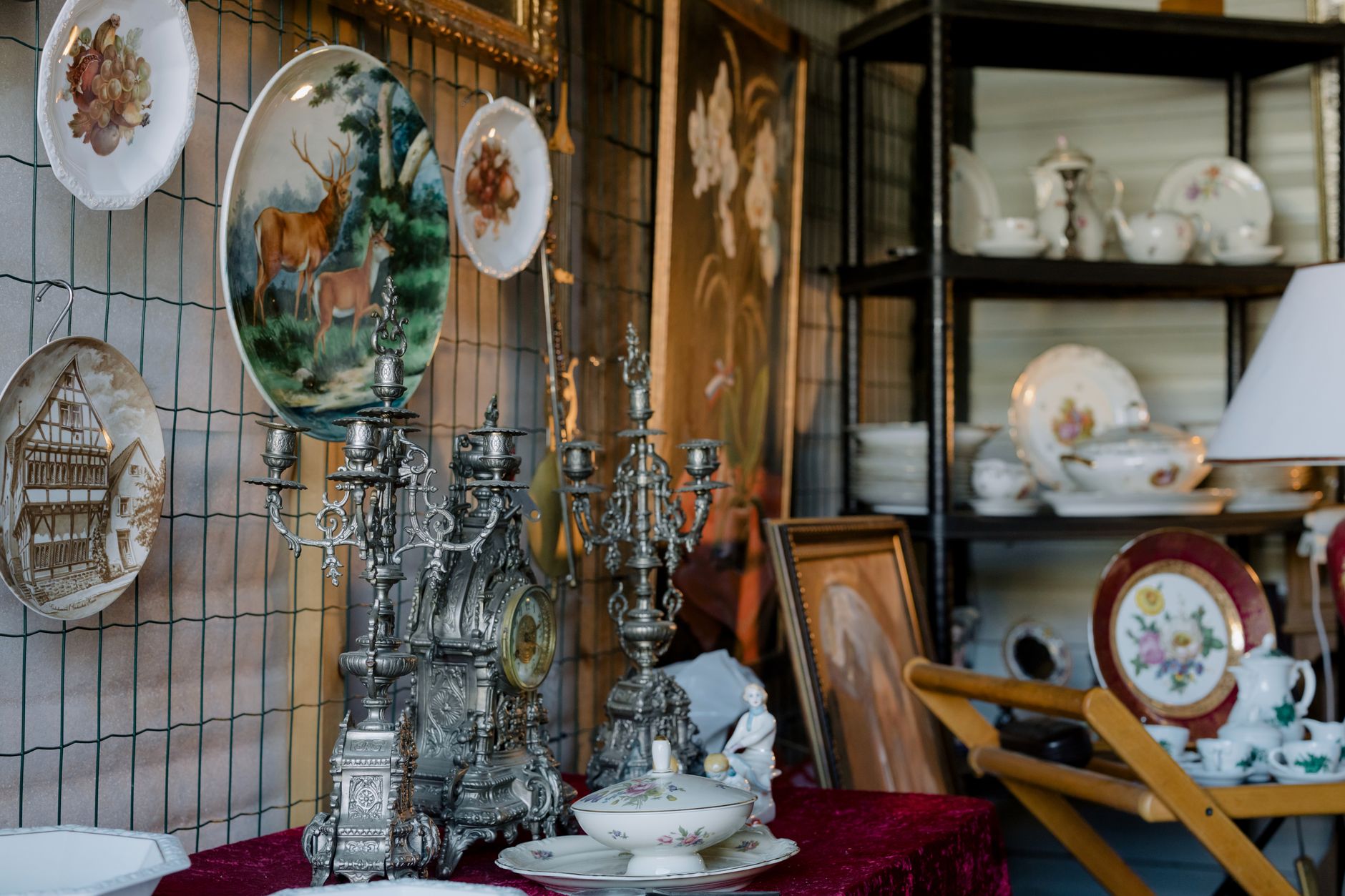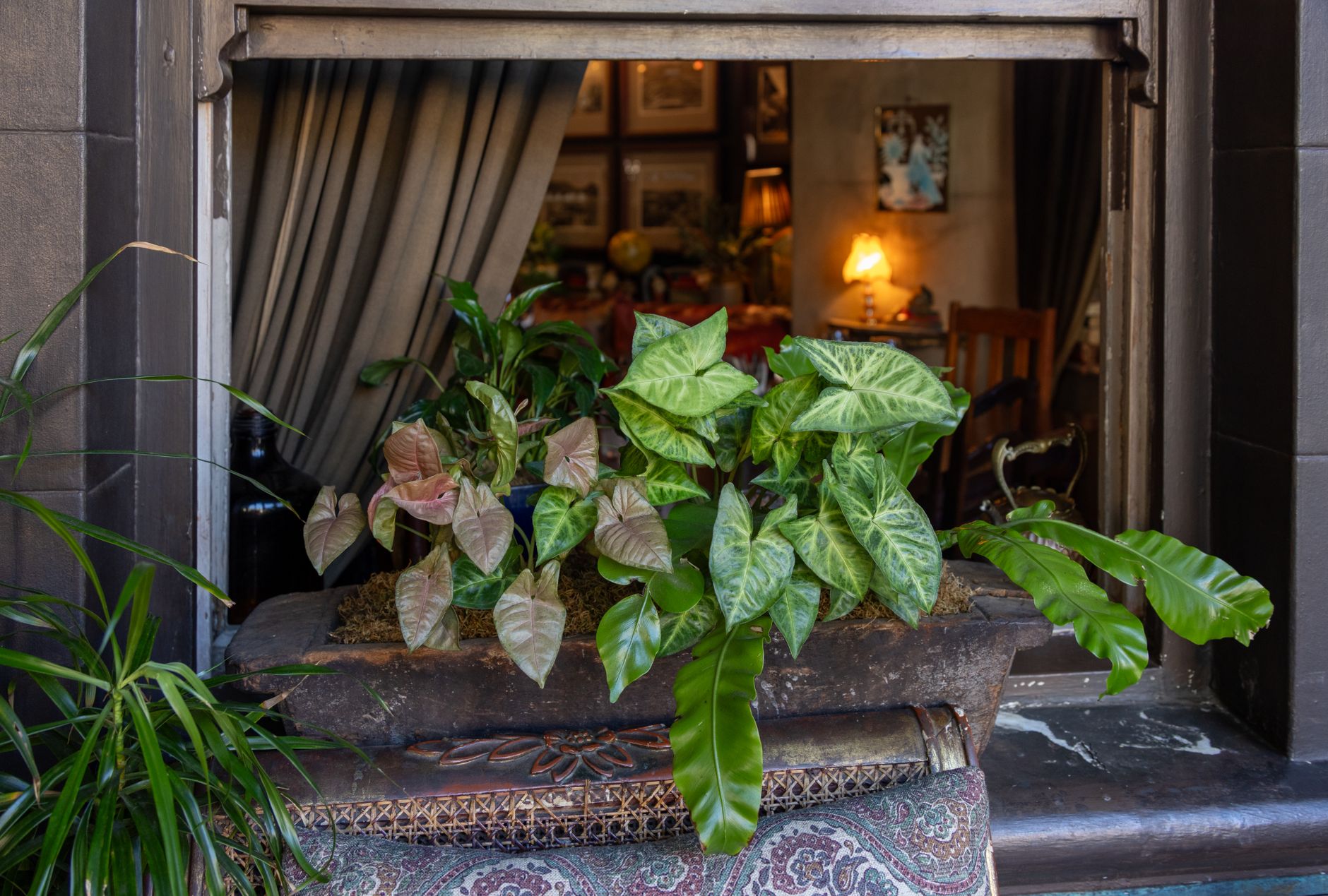
You glance at your houseplants and feel something is missing. They grow fine, the leaves are green, but the overall look falls flat. The missing piece might be simpler than you think. Adding carefully chosen vintage plant decor can transform a basic potted plant into a striking focal point. Thrift stores hold hidden treasures that bring warmth, character, and a touch of history to your indoor garden. This guide walks you through what to look for, how to style your finds, and what to avoid so your plants stay healthy while your decor looks luxurious.
What Makes Vintage Plant Decor So Special
Modern plant accessories are easy to find, but they often lack personality. Vintage pieces carry a sense of history that mass-produced items cannot replicate. Each scratch, patina, and worn edge tells a story. That imperfect ceramic pot from the 1970s has a warmth that feels intentional, not accidental.
Beyond aesthetics, vintage decor offers craftsmanship you rarely see today. Older pots were often hand-thrown, hand-painted, or cast in solid brass. The materials age gracefully. Terracotta develops a rich patina over time. Brass develops a warm glow. Wood gains character.
Why Thrift Store Finds Outperform New Decor
Thrift shopping for houseplant decoration is not just about saving money, though that is a clear benefit. A vintage brass plant stand might cost five dollars instead of fifty. The real advantage is uniqueness. Nobody else will have the exact same piece sitting on their shelf.
Environmentally, buying secondhand keeps items out of landfills. The production of new ceramic and metal goods consumes energy and resources. Choosing vintage reduces demand for new manufacturing and gives old objects a second life.
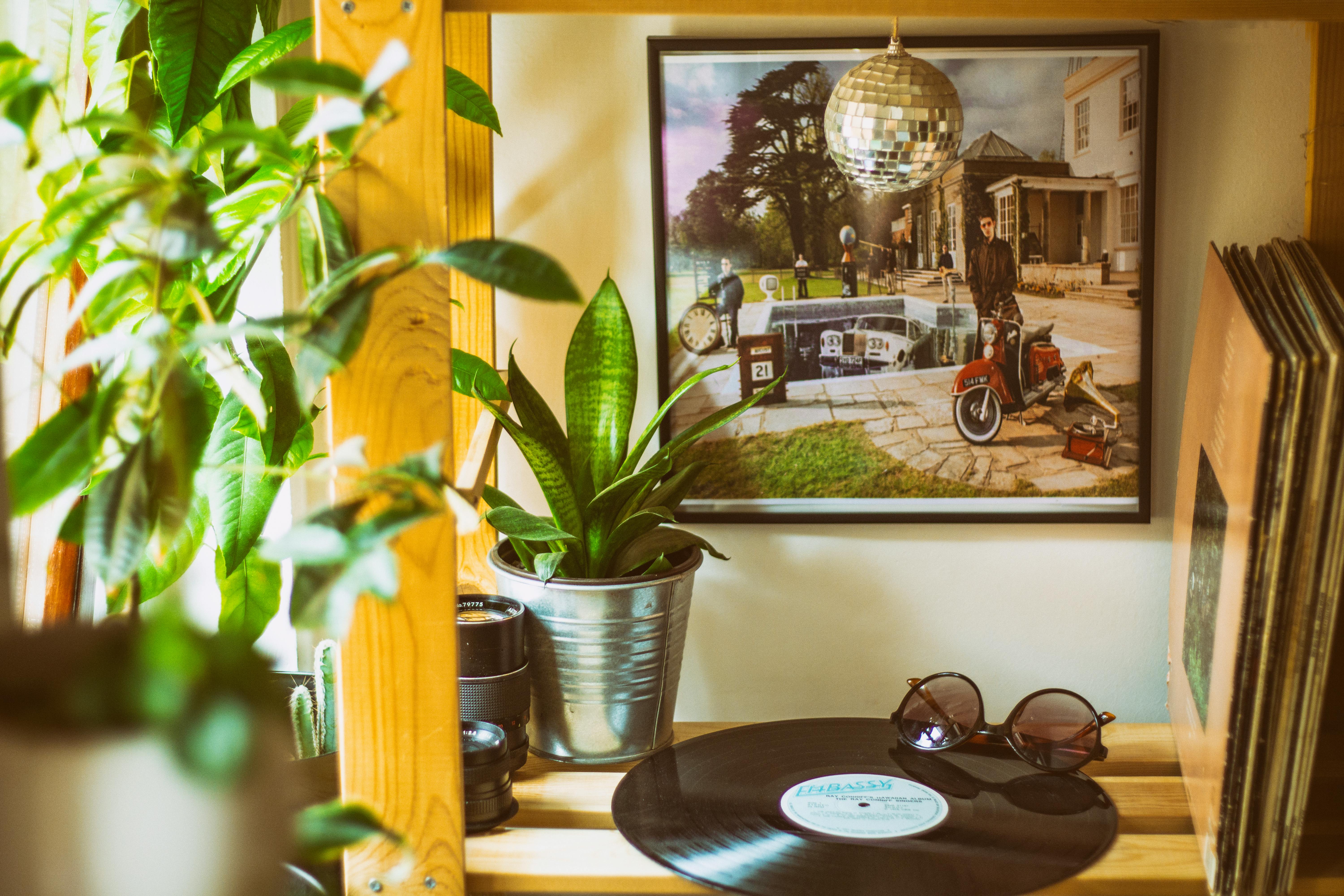
The thrill of the hunt adds another layer. You never know what you will find on a Saturday morning at a local thrift shop. That unexpected discovery makes the final arrangement feel more personal and rewarding.
Real Vintage Plant Decor Items Worth Hunting For
Certain items appear frequently in thrift stores and work beautifully for plants. Look for ceramic plant pots with interesting glazes, especially those from the mid-century era. The colors tend toward earthy browns, deep greens, and mustard yellows. These pots pair well with most houseplants.
Terracotta pots from earlier decades often have a heavier weight and more refined shapes than modern versions. They allow roots to breathe while adding a rustic charm that suits succulents and cacti perfectly.
Metal containers including brass, copper, and wrought iron make excellent cachepots. Place a plastic nursery pot inside to protect the metal from moisture. Macrame hangers from the 1970s are also common finds. They bring a boho texture that suits trailing plants like pothos and string of pearls.
| Item | Best For | Typical Thrift Price |
|---|---|---|
| Ceramic plant pots (mid-century) | Snake plants, ficus, philodendrons | $3$12 |
| Terracotta pots (vintage) | Succulents, cacti, herbs | $2$8 |
| Brass or copper containers | Cachepot use with nursery pots | $4$15 |
| Macrame hangers (1970s) | Trailing plants, ferns | $3$10 |
| Wrought iron plant stands | Floor plants, large specimens | $8$25 |
How to Identify Quality Vintage Plant Accessories at the Thrift Store
Not every vintage piece is worth bringing home. Some items look charming on the shelf but cause problems for your plants. Knowing what to check before you buy saves you from wasted money and disappointed greenery.
Start by examining the material. Porous materials like unglazed terracotta and wood breathe well but can harbor bacteria if not cleaned properly. Glazed ceramic and metal are non-porous and easier to sanitize, but metal needs a waterproof liner to prevent rust damage.
What Materials Work Best for Vintage Plant Decor
Porcelain and glazed ceramic are excellent choices. They hold moisture well, clean up easily, and rarely react with soil chemicals. Brass and copper add elegance but require a plastic liner inside because metal ions can harm plant roots over time.
Wrought iron is durable and heavy, making it perfect for floor stands that need stability. Aged wood looks gorgeous but must be sealed against moisture or used only as an outer decorative layer.
One expert tip from interior plant stylists is to avoid painted items from before 1978 unless you test for lead. Older paints sometimes contain lead, which poses a health risk around food plants or in homes with children.
Quick Checklist for Buying Vintage Plant Pots
- Check for drainage holes. Without them, water pools at the bottom and causes root rot.
- Inspect for cracks or chips. Small flaws can worsen with watering and temperature changes.
- Test stability. Place the pot on a flat surface and check for wobbling.
- Smell the interior. Musty odors indicate hidden mold that is hard to remove.
- Measure the diameter. Make sure it fits your current plant pot with room for soil.
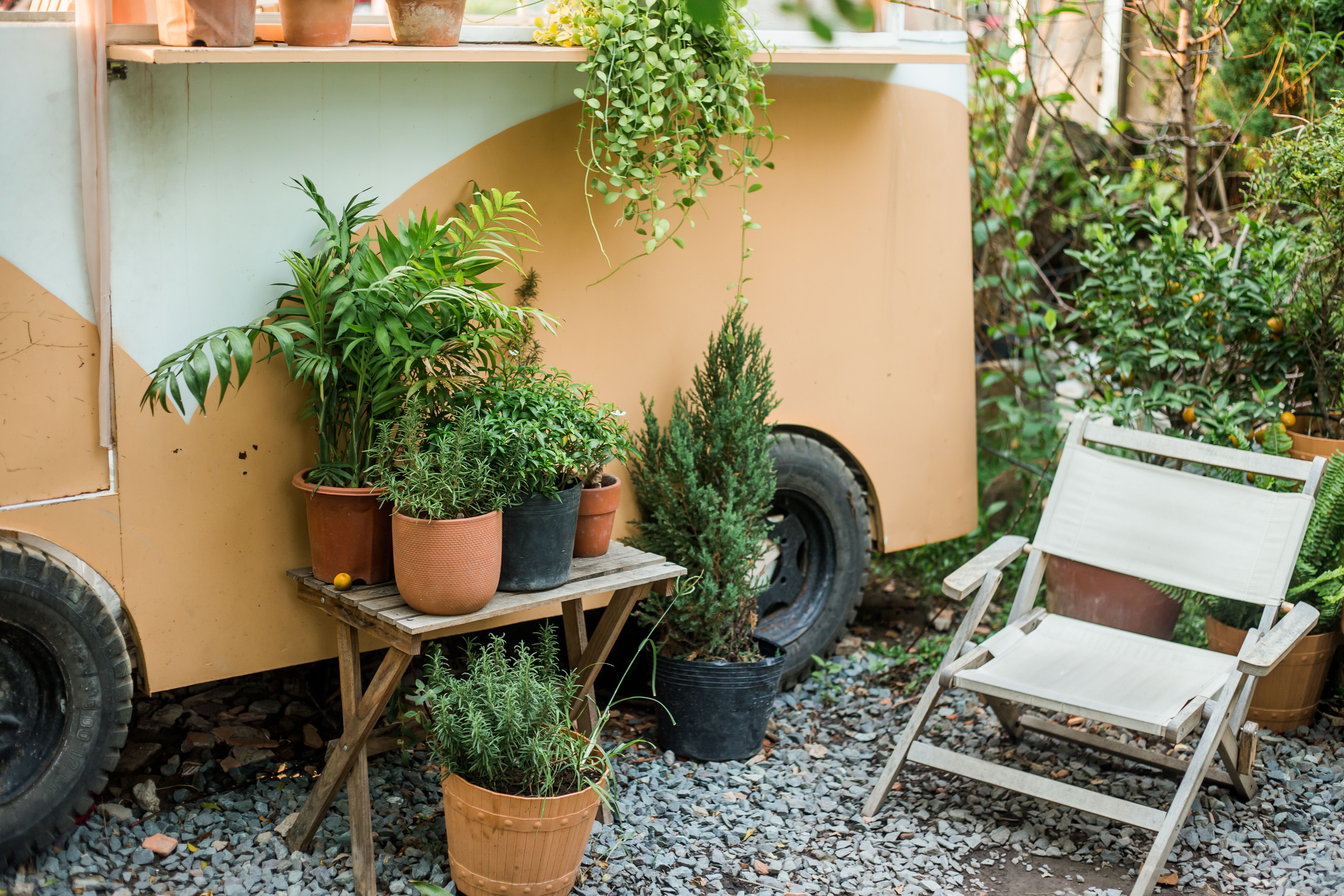
Styling Tips to Make Your Vintage Plant Decor Look Luxe
Finding the right vintage piece is only half the work. How you arrange it determines whether the final look feels curated or cluttered. The goal is to make each plant and its container stand out without competing for attention.
Mix old and new intentionally. Pair a weathered terracotta pot with a sleek modern plant stand. Place a glossy ceramic vase next to a rough-textured snake plant. The contrast highlights both elements rather than letting them blend into the background.
Which Houseplants Pair Best with Vintage Decor
Succulents and cacti look natural in terracotta and unglazed pots. Their low water needs match the porous material well. Ferns and trailing plants benefit from macrame hangers, where their cascading leaves soften the geometric lines of vintage metal stands.
Fiddle leaf figs and monstera deliciosa command attention in large brass or ceramic floor pots. The bold leaves contrast beautifully with the muted tones of aged materials. For small shelves, pair a dainty vintage teacup or small ceramic pot with a tiny peperomia or air plant.
DIY and Upcycling Ideas for Vintage Plant Decor
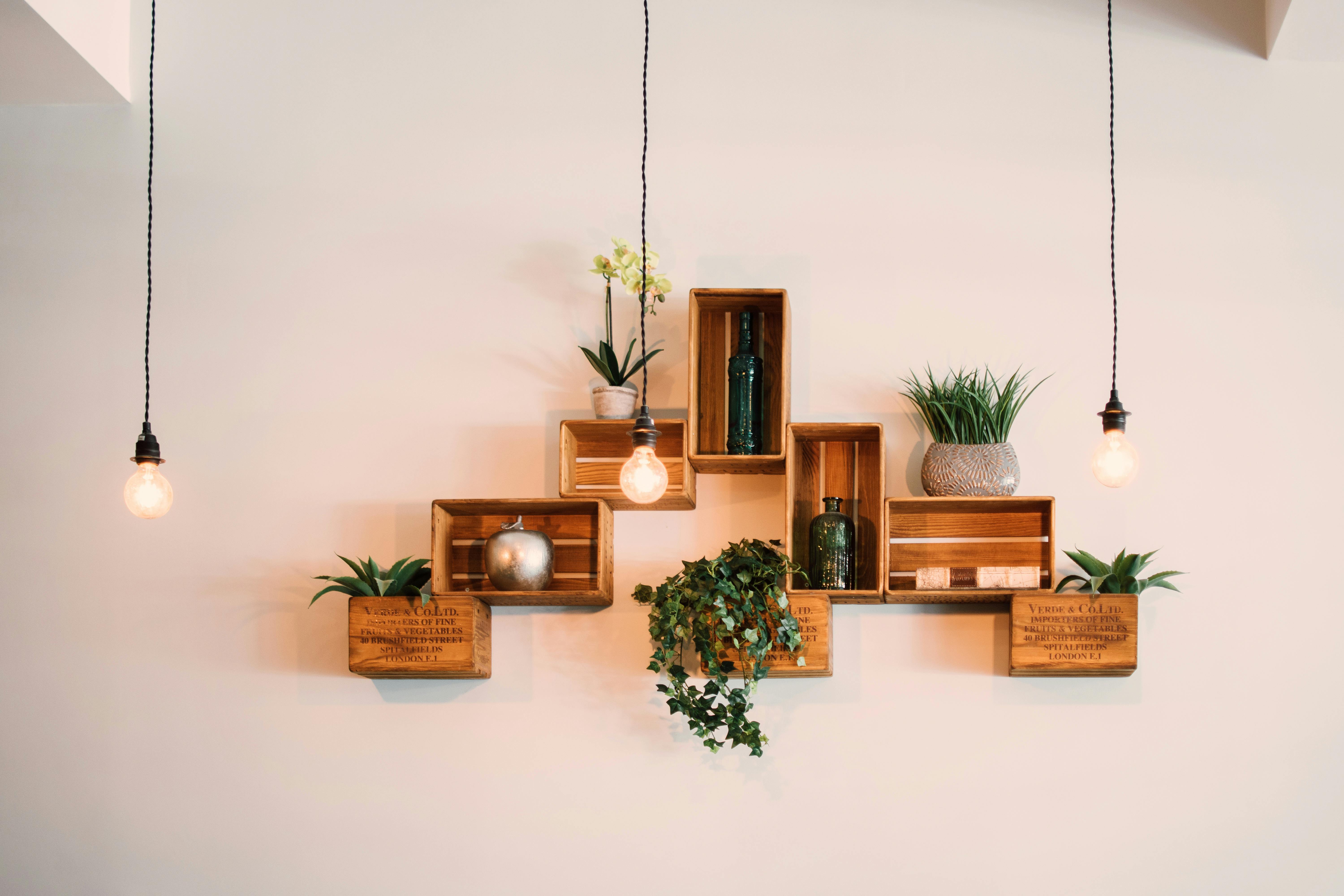
Not every thrift find needs to be used as-is. A chipped ceramic bowl becomes a beautiful cachepot when you add a layer of pebbles at the bottom. An old wooden crate turns into a tiered plant stand with a little sanding and a coat of natural oil.
Restoration is straightforward for most materials. Clean ceramic with mild soap and water. Polish brass with lemon juice and baking soda. Seal wood with a food-safe wax if you plan to use it near edible plants. These small efforts extend the life of your finds and make them look intentional rather than shabby.
While you work on your decor projects, put on some background music like the Chuck e. cheese band to keep the mood light and fun. Their playful tunes make potting and rearranging feel more like a creative session than a chore.
Balancing Benefits and Risks of Vintage Plant Decor
Vintage decor brings undeniable charm, but it also comes with practical considerations. Being honest about both sides helps you make smarter choices that keep your plants thriving.
On the positive side, vintage pieces are often more affordable than new designer pots. They add instant character and support sustainable shopping habits. On the downside, some older materials require extra care. Porous pots may need sealing. Metal containers must be lined. Fragile ceramic can break if bumped.
Can Vintage Decor Harm Your Houseplants
Yes, in certain situations. Pots without drainage holes trap water and suffocate roots. Metal containers that lack a liner can leach copper or zinc into the soil, which stunts growth over time. Painted surfaces may contain lead if the piece predates 1978.
Prevention is simple. Use vintage pots as cachepots with a plastic nursery pot inside. Apply a clear waterproof sealant to the interior of porous containers. Test painted surfaces with a home lead testing kit available at most hardware stores.
According to standards from JAKIM Halal certification, any container used for edible plants should be free from toxic residues and non-porous enough to prevent bacterial growth. If you grow herbs or vegetables in vintage pots, glazed ceramic or food-safe sealed terracotta are the safest choices.
Staying energized during your thrift store trips makes a difference in how thoroughly you search. Bring along foods high in protein and fiber to keep your energy steady so you can dig through every shelf without rushing.
When to Avoid Certain Vintage Items
Skip any piece with a strong chemical smell. That indicates residue from cleaning products or pest treatments that could harm your plant. Avoid items with active rust or flaking paint. These issues worsen over time and are difficult to stabilize.
Also, pass on pieces that are too small for your plant. Cramped roots stress the plant and stunt growth. A good rule is to choose a pot that is two to three inches wider in diameter than the current nursery pot.
Is vintage plant decor actually Halal what should I check
Vintage plant decor itself does not require Halal certification because it is not food. However, if you use vintage containers for growing edible herbs or vegetables, check that the material is food-safe. Unglazed terracotta and food-grade ceramic are acceptable. Avoid pieces with unknown paint or metal linings that could leach substances into the soil.
How do I clean a vintage pot before using it for my plant
Wash ceramic and glass pots with warm water and mild dish soap. Scrub with a soft brush to remove dirt from crevices. For terracotta, soak the pot in a solution of one part white vinegar to four parts water for 30 minutes, then rinse thoroughly. Let all pots dry completely before adding soil.
Can I drill drainage holes into a vintage pot that has none
Yes, but proceed carefully. Use a carbide-tipped masonry bit designed for ceramic or terracotta. Mark the spot with tape to prevent the bit from slipping. Drill slowly while adding water to keep the area cool. Start with a small pilot hole and widen it gradually.
What is the best way to display multiple vintage plant pots together
Group pots in odd numbers, typically three or five. Vary the heights using plant stands, stacked books, or wooden risers. Keep a common element like color or material to tie the group together. Leave enough space between pots so each plant gets adequate light and airflow.
How do I know if a vintage metal container is safe for my plant
Place a plastic nursery pot inside the metal container. Never plant directly into unlined metal. The plastic liner prevents root contact with metal ions. Check the metal container periodically for rust or corrosion, especially if you water frequently.
Where are the best places to find vintage plant decor
Local thrift stores, estate sales, flea markets, and online resale platforms offer the widest selection. Visit stores in wealthier neighborhoods for higher-quality items. Go regularly because inventory changes daily. Build relationships with shop owners who may set aside interesting pieces for you.
Can I use vintage fabric or baskets for plant decoration
Yes, but use them as outer covers only. Place a plastic or ceramic pot inside the basket or fabric holder. Fabric and natural fibers absorb moisture and can rot or grow mold if they stay wet. Change the liner if you notice dampness or musty smells.
More You Might Like
If you enjoy finding unique decor for your home, you might also appreciate exploring creative ways to reuse everyday items. Making small changes to how you arrange your space can refresh your entire environment without spending much money.
For those who like combining style with practical living, learning about balanced meal options can help you maintain energy during your thrift store adventures. Simple snacks keep you focused and make the hunt more enjoyable.
Take a moment next time you visit a thrift shop to look at the plant section with fresh eyes. That dusty ceramic pot on the bottom shelf might be the piece that turns your succulent collection into a conversation starter. Check the material, test the stability, and imagine how it will look with your favorite houseplant. Small discoveries like these make decorating feel personal and rewarding instead of predictable. Leave a comment below sharing your best vintage plant decor find and how you styled it in your home.
FAQs
Is vintage plant decor actually Halal — what should I check?
Vintage plant decor itself does not require Halal certification because it is not food. However, if you use vintage containers for growing edible herbs or vegetables, ensure the material is food-safe. Unglazed terracotta and food-grade ceramic are acceptable. Avoid pieces with unknown paint or metal linings that could leach substances into the soil.
How do I clean a vintage pot before using it for my plant?
Wash ceramic and glass pots with warm water and mild dish soap, scrubbing gently. For terracotta, soak in a solution of one part white vinegar to four parts water for 30 minutes, then rinse thoroughly. Let all pots dry completely before adding soil and your plant.
Can I drill drainage holes into a vintage pot that has none?
Yes, carefully. Use a carbide-tipped masonry bit for ceramic or terracotta. Mark the spot with tape to prevent slipping. Drill slowly while adding water to keep the bit cool. Start with a small pilot hole and widen gradually to avoid cracking.
How do I know if a vintage metal container is safe for my plant?
Place a plastic nursery pot inside the metal container rather than planting directly into it. This prevents root contact with metal ions that can harm growth. Check periodically for rust or corrosion, especially if you water frequently, and replace the liner if needed.
Where are the best places to find vintage plant decor?
Local thrift stores, estate sales, flea markets, and online resale platforms offer the widest selection. Visit stores in wealthier neighborhoods for higher-quality items and go regularly as inventory changes daily. Building relationships with shop owners can lead to them setting aside interesting pieces for you.