If youve ever stood at a food truck menu wondering what to pick, the choice between cheese curds and mozzarella sticks can feel impossible. Both are golden, crispy, and irresistibly cheesy. But dig a little deeper, and youll find they come from two completely different worlds of dairy. Understanding cheese curds vs mozzarella helps you choose the right snack for your taste, texture preference, and even your dietary needs. And if you follow Halal guidelines, knowing the source and production method matters even more. Lets break down everything you need to know no fluff, just the facts.
Cheese Curds vs Mozzarella: Basics and Origins
What Are Cheese Curds?
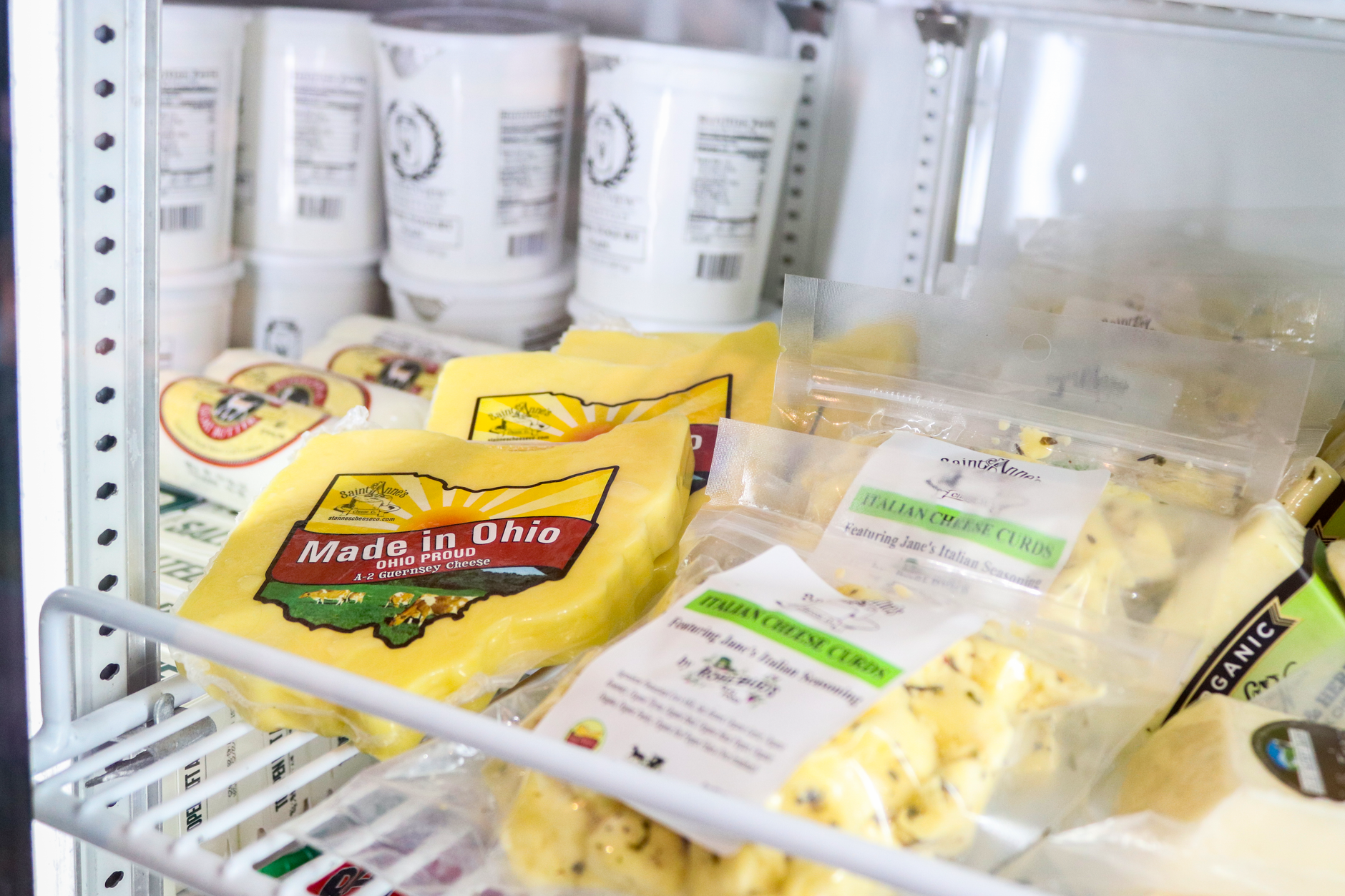
Cheese curds are the fresh, unaged pieces of curd that form during the cheesemaking process. They are essentially the building blocks of cheddar or other aged cheeses. Unlike aged cheeses, curds are eaten fresh often within 24 hours of production which gives them their signature squeaky texture. When you bite into a fresh cheese curd, the rubbery squeak against your teeth is a sign of quality. They are a staple in the Midwest and Canada, often served poutine-style with gravy and fries, or simply breaded and fried.
Because cheese curds are not aged, they have a very mild, slightly salty flavor and a soft, springy bite. They also retain more moisture than aged cheeses, which is why they behave differently when heated. For Halal-conscious buyers, always look for curds made with microbial or Halal-certified rennet. According to IFANCA standards, cheese curds should carry a clear Halal logo if sourced from non-halal slaughterhouses.
What Is Mozzarella Cheese?
Mozzarella is a stretched-curd cheese traditionally made from water buffalo milk, but today most commercial mozzarella comes from cows milk. It has a smooth, elastic texture and a mild, milky flavor. Fresh mozzarella is packed in brine, while low-moisture mozzarella (the kind used for sticks) is firmer and melts beautifully. Mozzarella sticks are made by cutting low-moisture mozzarella into sticks, breading them, and freezing them before frying. This process prevents the cheese from leaking out during cooking.
The moisture content is a key difference: mozzarella sticks contain around 4248% moisture, while cheese curds are closer to 5055%. This higher moisture makes curds more tender but also more delicate when fried. If youre watching your intake, remember that mozzarella sticks calories average around 85100 calories per stick (depending on breading and oil), while fried cheese curds can reach 120150 per serving due to thicker breading and higher fat content.
Comparison Table: Cheese Curds vs Mozzarella
| Aspect | Cheese Curds | Mozzarella (for sticks) |
|---|---|---|
| Appearance | Irregular nuggets, yellowish-white | Uniform rectangular sticks, white to pale yellow |
| Texture | Springy, squeaky, slightly crumbly when aged | Elastic, stretchy, smooth |
| Flavor | Very mild, salty, slightly tangy | Mild, milky, sometimes buttery |
| Culinary uses | Fried snacks, poutine, salads, cheese curds recipes | Mozzarella sticks, pizza, caprese salad |

Nutritional Differences and Health Considerations
Cheese Curds Nutrition Breakdown
Per 100 grams, cheese curds contain roughly 320 calories, 24 grams of fat, 17 grams of protein, and 720 mg of sodium. They are rich in calcium (about 600 mg per 100 g) and also provide vitamin A and B12. However, because curds are fresh, they retain more whey protein than aged cheese, which can be beneficial for muscle repair. On the downside, the high sodium content can add up quickly if youre eating a whole serving of fried curds (about 150 g).
Mozzarella Sticks Calories and Nutrition
A single breaded mozzarella stick (about 30 g) contains roughly 95 calories, 6 grams of fat, 4 grams of protein, and 215 mg of sodium. Compared to cheese curds, mozzarella sticks have a lower fat-to-protein ratio because the breading dilutes the cheese percentage. Most of the calories come from the frying oil and breadcrumbs. If you bake them instead, you can cut calories by about 2030% without sacrificing the gooey texture.
When comparing fried cheese differences, the breading on mozzarella sticks is typically thicker and absorbs more oil, making them slightly heavier per bite than a plain cheese curd. If youre health-conscious, look for air-fried or baked versions. Also, always check the label for Halal certification many mozzarella sticks use rennet from non-halal sources.
Tips for Healthier Enjoyment
- Choose baked or air-fried options instead of deep-fried.
- Pair with a vegetable side like celery or carrot sticks to balance the meal.
- Limit portion size to one serving (around 56 curds or 3 sticks).
- Look for low-moisture part-skim mozzarella sticks to reduce fat.
Taste and Texture Differences in Everyday Eating
How Cheese Curds Taste and Feel Compared to Mozzarella Sticks
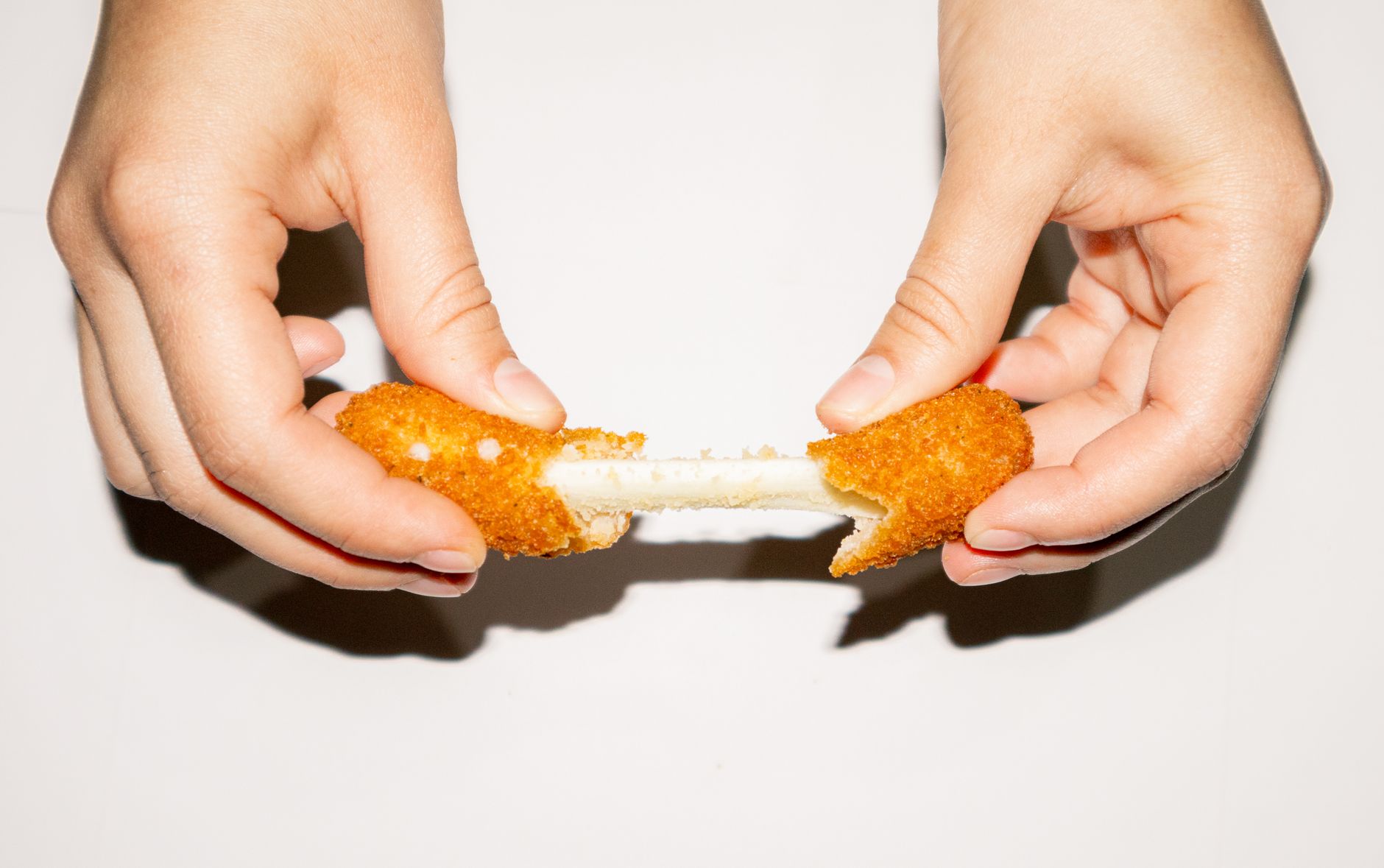
Biting into a fresh cheese curd is a unique experience. The squeak is unmistakable a result of the high moisture and calcium phosphate still intact. The texture is firm yet tender, and the flavor is clean and salty. In contrast, a mozzarella stick is all about the stretch. When you pull it apart, strings of elastic cheese extend for inches. The taste is mild and milky, with the breading adding a crunchy, savory layer. People who love cheese curds often appreciate the subtle tang and less greasy feel, while mozzarella stick fans enjoy the dramatic melt and familiar comfort-food flavor.
Why Do Cheese Curds Squeak?
The squeak comes from the protein structure of fresh curds. The curd proteins are still tightly bonded to calcium and moisture, so when you bite down, the protein strands rub against your teeth creating that high-pitched sound. As curds age (even a day or two), the bonds weaken and the squeak disappears. Thats why truly fresh curds are always squeaky. If your curds dont squeak, they likely arent fresh. This is also why cheese curds are best eaten within 2448 hours of production.

Food Pairing and Serving Ideas
Cheese curds pair beautifully with tangy sauces like ranch, fry sauce, or a simple garlic aioli. For drinks, try a crisp lager or iced tea to cut through the richness. Mozzarella sticks are classic with marinara sauce, but also work well with pesto or spicy chipotle mayo. A cold soda or lemonade complements the fried coating nicely.
Culinary Uses and Cheese Curds Recipes
Popular Cheese Curds Recipes You Can Try at Home
One of the simplest homemade snacks is crispy fried cheese curds. Heres a quick recipe table to get you started.
| Prep time | Cook time | Total time | Servings | Calories per serving | Diet tags |
|---|---|---|---|---|---|
| 10 min | 3 min | 13 min | 4 | 220 | Halal, Vegetarian (if rennet-free) |
Step-by-step instructions:
- Prepare the coating: Whisk 1 cup all-purpose flour with 1 teaspoon salt, 1/2 teaspoon paprika, and 1/2 teaspoon garlic powder.
- Batter the curds: In a separate bowl, beat 2 eggs with 2 tablespoons of milk. Dip each cheese curd into the egg wash, then coat thoroughly with the seasoned flour.
- Heat the oil: Pour about 2 inches of vegetable oil into a deep pan or Dutch oven. Heat to 350F (175C). Use a thermometer for accuracy.
- Fry the curds: Carefully drop the coated curds into the hot oil in small batches. Fry for exactly 4560 seconds, until golden brown. Do not overcrowd the pan.
- Drain and serve: Use a slotted spoon to transfer curds to a paper towel-lined plate. Sprinkle with a pinch of salt. Serve immediately while squeaky.
Mozzarella Snacks Beyond the Stick
Besides the classic breaded stick, mozzarella can be made into poppers, fried rounds, or even baked into crispy cheese cups. For a quick snack, cut fresh mozzarella into cubes, coat in seasoned breadcrumbs, and bake at 400F (200C) for 68 minutes until golden. Pair with milk nutrition label insights to choose a low-fat milk for dipping.
Cooking Tips for Both Cheese Types
- For cheese curds: Keep them refrigerated and fry within 2 days of purchase for maximum squeak. Do not freeze fresh curds freezing destroys the texture.
- For mozzarella sticks: Freeze them solid before frying. This prevents the cheese from melting out too quickly. Fry at 350F (175C) for 23 minutes until golden.
- For both: Use a neutral oil like canola or sunflower with a high smoke point (400F+).
Common Misconceptions and FAQ
Is cheese curds vs mozzarella actually Halal what should I check?
Both cheese curds and mozzarella can be Halal if made with microbial rennet or Halal-certified animal rennet. Look for logos from JAKIM, IFANCA, or HMC on the packaging. Avoid any cheese labeled enzymes without specifying source, as it may come from non-Halal animals. Also check that the breading contains no alcohol-based flavorings or lard.
Are cheese curds and mozzarella the same cheese?
No. Cheese curds are fresh, unaged cheddar curds, while mozzarella is a pasta filata (stretched curd) cheese. The production process is completely different: curds are cut, salted, and eaten fresh; mozzarella is heated, stretched, and formed into balls or blocks.
Do cheese curds and mozzarella sticks taste the same when fried?
Not at all. Fried cheese curds retain a squeaky interior and a mild salty tang, while fried mozzarella sticks produce a gooey, stretchy melt with a mild, milky flavor. The breading also differs: curds usually have a thin, crispy coating, whereas sticks have a thicker, crunchier breadcrumb layer.
Can I substitute cheese curds for mozzarella in recipes?
Yes, but only for dishes where the texture doesnt matter. For example, in a baked casserole or a salad, cheese curds can replace mozzarella cubes. However, on pizza or in a grilled cheese sandwich, curds will not melt as smoothly and may become rubbery. For a stretchy melt, stick with mozzarella.
Why are cheese curds not as common as mozzarella sticks?
Cheese curds have a very short shelf life (35 days in the fridge) and are highly perishable. Mozzarella sticks, being frozen, have a much longer shelf life (612 months in the freezer). This makes mozzarella sticks more convenient for mass production and distribution.
Can I freeze cheese curds at home?
You can freeze them, but the texture will change. Frozen cheese curds lose their squeak and become crumbly and watery when thawed. If you plan to use them in cooking (like in casseroles), freezing is acceptable. But for snacking, always buy fresh. For tips on handling frozen cheese, read our guide on how to freeze cream cheese similar principles apply to curds.
Which cheese is healthier: cheese curds or mozzarella sticks?
It depends on your goals. Cheese curds have more protein and calcium per serving, but also more fat and sodium. Mozzarella sticks have fewer calories per piece but contain more carbohydrates from breading. If youre on a low-carb diet, cheese curds are the better choice. If youre watching fat intake, baked mozzarella sticks may be preferable.
What to Look For When Buying Halal Cheese Curds or Mozzarella
When shopping, always read the label. Look for these five factors to ensure youre getting a quality, Halal-friendly product.
| Certification | Price Range | Common Formats | Shelf Life | Key Allergens |
|---|---|---|---|---|
| JAKIM, IFANCA, HMC, or other Halal body logo | $37 per 8 oz block (curds); $49 per pack of sticks | Bulk bags (curds); frozen boxes (sticks) | Fresh curds: 35 days; frozen sticks: 612 months | Milk, gluten (in breading), soy (in some breading oils) |
Pro Tips for the Best Fried Cheese Experience
- Most overlooked mistake: Frying curds or sticks from room temperature. Always chill or freeze them before frying to prevent the cheese from leaking into the oil.
- Why cheap versions disappoint: Cheap mozzarella sticks often use imitation cheese or high-moisture mozzarella that oozes out, leaving a hollow breaded shell. Invest in a brand that lists low-moisture part-skim mozzarella as the first ingredient.
- Expert tip: For the perfect crunch, double-coat your cheese curds: dip in flour, then egg wash, then flour again. This creates a thick crust that stays crispy for 57 minutes after frying.
More You Might Like
If you enjoyed learning about cheese curds vs mozzarella, you might also like our guide to reading milk nutrition label to choose the best dairy for your kitchen. Or explore how to properly freeze cream cheese without ruining its texture a skill that comes in handy for any cheese lover.
Conclusion
The next time youre craving a cheesy snack, youll know exactly what to expect from each option. Cheese curds deliver a squeaky, mildly tangy bite with a tender interior, while mozzarella sticks offer a gooey, stretchy melt wrapped in a crunchy shell. Both can be part of a Halal-friendly diet if you check the certification and ingredients. Understanding the differences between cheese curds vs mozzarella helps you choose based on texture, nutrition, and cooking method not just what looks good on a menu. Next time you shop, glance at the label. Your taste buds will thank you. Leave a comment below with your favorite way to enjoy either cheese.
FAQs
Is cheese curds vs mozzarella actually Halal — what should I check on the label?
Both can be Halal if made with microbial rennet or Halal-certified animal rennet. Look for logos from JAKIM, IFANCA, or HMC on the packaging. Avoid products labeled only "enzymes" without specifying the source. Also verify that breading contains no alcohol-based flavorings or lard.
Are cheese curds and mozzarella the same cheese?
No. Cheese curds are fresh, unaged cheddar curds with a squeaky texture, while mozzarella is a stretched-curd cheese that becomes elastic when melted. They are made through completely different processes and have distinct flavors and uses.
How long do cheese curds and mozzarella sticks last after opening?
Fresh cheese curds last 3–5 days in the refrigerator and should be eaten within 48 hours for the best squeak. Frozen mozzarella sticks can be stored for 6–12 months; once thawed, use within 2–3 days if kept refrigerated.
Can I eat cheese curds or mozzarella sticks every day?
In moderation, yes, but watch your sodium and fat intake. Cheese curds have more protein and calcium but also higher sodium. Mozzarella sticks contain fewer calories per piece but add carbs from breading. Limit to one serving (5–6 curds or 3 sticks) and balance with vegetables.
Where can I find Halal-certified cheese curds and mozzarella?
Look for products with a clear Halal certification logo (e.g., IFANCA, JAKIM, HMC) in the ingredient list. Many specialty grocery stores and online halal retailers carry certified cheese curds and mozzarella sticks. Always check the label for rennet source and any non-Halal additives.