Wondering about the salt in butter and how it affects your cooking and health? Salted butter isnt just about tasteit contains a measurable amount of sodium that can impact your recipe and daily intake. Understanding the salt content in butter helps you make smarter choices, whether you want rich flavor or need precise control in baking. Lets unpack the facts, so you know exactly whats going on inside that buttery goodness.
Salt Content in Butter
Salted butter contains added salt that gives it a distinctive tang and helps extend shelf life. But how much salt is really inside your butter? Typically, salted butter has around 1.5% to 2% salt by weight. That may sound small, but it adds up in cooking and eating.
How Much Salt Is Actually in a Stick of Salted Butter?
On average, a standard 113-gram stick of salted butter contains about 1.7 to 2 grams of salt. To put this into perspective, that equates to roughly 680 to 800 milligrams of sodium per stick. Per tablespoon (which is about 14 grams), salted butter usually has around 90 to 100 mg of sodium.
Considering the American Heart Association recommends limiting sodium intake to 1,500 to 2,300 mg per day, a tablespoon of salted butter delivers about 4-7% of that limit. If you use multiple tablespoons in recipes or daily spreads, the sodium adds up quickly.
Ingredients like salted butter show why its important to check your sodium intake carefully. Using unsalted butter gives you more control over how much salt goes into your meals.
Salted Butter Nutrition Facts Breakdown
| Nutrient | Salted Butter (per tbsp) | Unsalted Butter (per tbsp) |
|---|---|---|
| Sodium (mg) | 90100 | 0 |
| Calories | 100 | 100 |
| Total Fat (g) | 11 | 11 |
Salt doesnt change the calorie or fat content appreciably, but it does enhance butters flavor and shelf life. That salty tang comes from sodium chloride, mixed evenly during production. Salt helps slow spoilage by reducing moisture and creating a less hospitable environment for bacteria.

Salted vs Unsalted Butter
Which should you reach for: salted or unsalted butter? Both have their place, depending on your recipe and lifestyle.
When to Choose Salted Butter
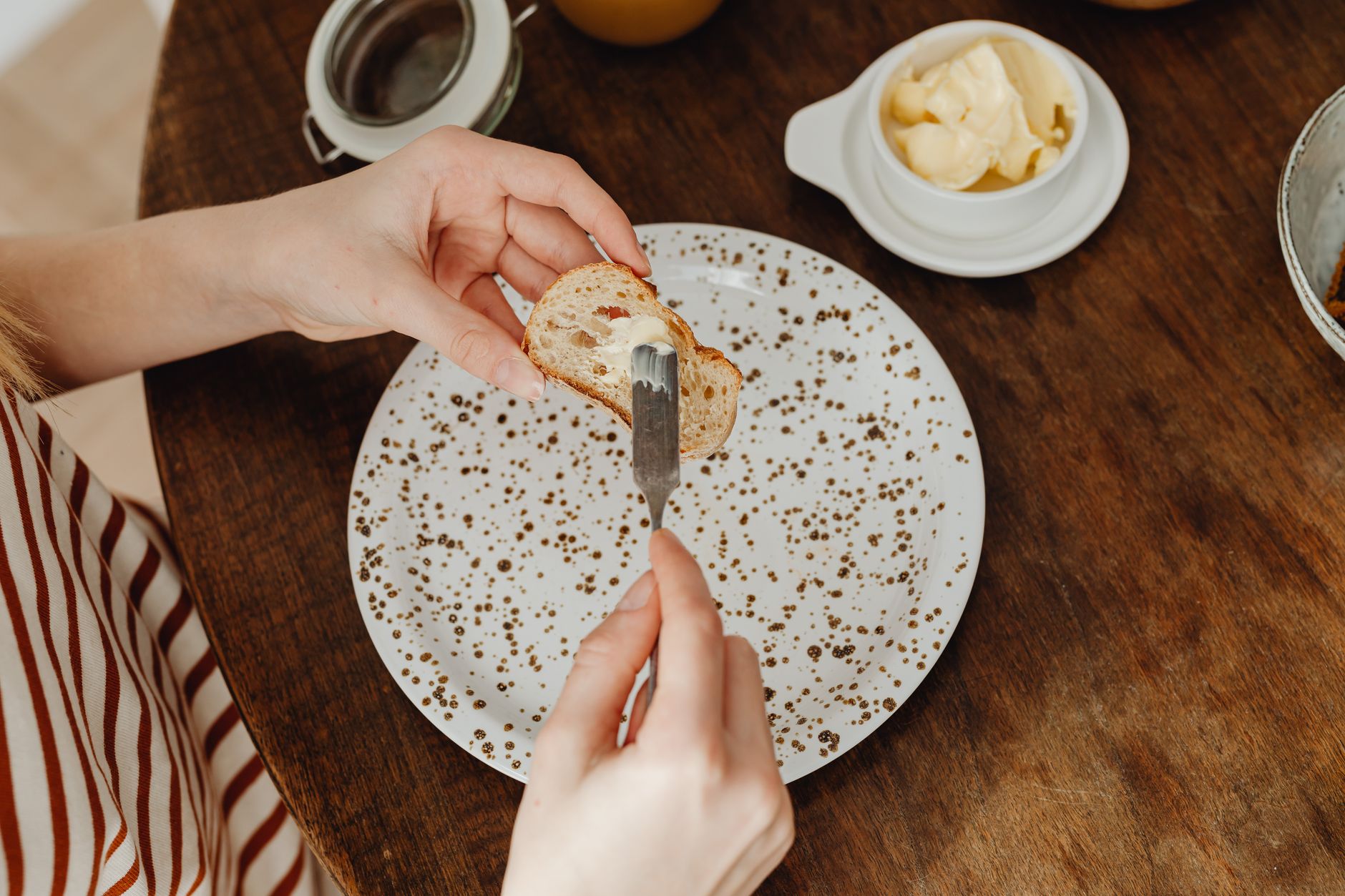
- Everyday uses like spreading on bread or simple pan frying.
- Recipes where a little saltiness supports the overall flavor without precise measurement.
- Enhancing rich foods with a subtle salty note, such as melted butter drizzled on steamed vegetables.
For casual cooking, salted butter can add delicious depth with minimal effort.
When Unsalted Butter Is a Smarter Pick
- Baking recipes requiring exact salt measurements, like cakes or pastries.
- Low-sodium diets or if you want to control overall daily salt intake.
- DIY flavored butters where you add salt progressively to taste.
Unsalted butter gives you a clean slate; you decide how salty your food will become.
Quick Tips for Substituting One for the Other
- If a recipe calls for salted butter but you only have unsalted, add about 1/4 teaspoon of salt per stick (113g) of butter.
- When using salted butter instead of unsalted, reduce added salt by roughly 1/4 teaspoon per stick to keep flavor balanced.
- Remember that some salts are finer or coarser, so adjust to taste if needed.
Benefits and Risks of Salt in Butter
Salt in butter contributes more than just flavor. It has culinary and health impacts worth considering.
Is Salted Butter Bad for You? Separating Fact from Fiction
Salted butter does contain sodium, but compared to other processed foods, its salt content is moderate. According to the USDA FoodData Central, a tablespoon has about 100 mg of sodiummuch less than some cheeses or processed snacks. For most people without restrictions, salted butter in moderation is fine.
However, people managing blood pressure or sodium-sensitive conditions should use unsalted butter and monitor overall salt intake carefully.
The Role of Salt in Butters Shelf Life and Safety
Salt reduces the risk of spoilage by lowering water activity, which helps inhibit microbial growth. Salted butter lasts longer both unopened and after opening compared to unsalted butter. With good refrigeration, salted butter can keep well for 2 to 3 months unopened and about 1 month once opened. Unsalted butter, by contrast, is best used within 2 weeks after opening.
Pro Tips: Read Butter Labels Carefully
When shopping, the label is your best tool to understand salt content and Halal certification. Look for the words Salted or Unsalted clearly printed. Check the Nutrition Facts panel for sodiumanything above 80 mg per serving usually means salted butter. Sometimes lightly salted products have less sodium but still some added salt.
Certified Halal symbols such as JAKIM, HMC, or IFANCA should be visible if youre looking for assurance about the products compliance with Islamic dietary laws.
Beware of flavored butters or spreads that might contain hidden salt or additiveseven if labeled Halal. Reading ingredient lists helps you avoid surprises.
Best soft serve and baked goods often use unsalted butter for precise salt control.
Is salt in butter actually Halal what should I check?
Butter itself is Halal if made from cows milk and no non-Halal additives are included. Salt is naturally Halal. To be sure, look for recognized certification logos like JAKIM (Malaysia), HMC (UK), or IFANCA (USA) on the packaging. These verify that all ingredients and processes meet Halal standards.
Does salted butter have more calories than unsalted?
No, salted and unsalted butter have almost identical calorie countsabout 100 calories per tablespoon. Salt adds flavor but negligible calories.
Can I freeze salted butter to extend its shelf life?
Yes. Salted butter freezes well for up to six months without losing quality. Wrap it tightly in foil or airtight containers to prevent freezer burn. Thaw in the fridge before use.
Does salt alter the melting point of butter?
Salt slightly lowers butter‘s melting point, making salted butter often melt a bit faster than unsalted. This can influence texture in cooking or baking.
Is salted butter better for savory recipes?
Generally yes. Its added salt enhances savory flavors. However, when recipes require total salt control, unsalted butter is preferable.
How much sodium is in lightly salted butter?
Lightly salted butter usually contains about 50 mg sodium per tablespoonless than regular salted butter, but more than unsalted. Always check the label.
Can I make my own salted butter at home?
Yes. Simply start with unsalted butter and mix in fine sea salt at about 1/4 teaspoon per 113g stick. This method allows total control over saltiness and flavor.
More You Might Like
Discover the Freeze cheese curds tips to keep your dairy fresher longer, or explore sweet treats and textures with our guide to Best soft serve varieties.
Conclusion
Salt in butter may be modest, but it plays a big role in flavor and preservation. Knowing exactly how much sodium youre getting helps balance taste with health goals. Next time you choose between salted and unsalted butter, check the label, consider your recipe, and enjoy butter your way. Feel free to share your experiences or questions about using salted butter below!
FAQs
Is salt in butter actually Halal — what should I check on the label?
Butter is Halal if made from cow’s milk with no non-Halal additives. Salt is naturally Halal. Look for recognized Halal certification logos like JAKIM, HMC, or IFANCA on the packaging to ensure compliance with Islamic dietary laws.
How long does salted butter last after opening?
Salted butter typically lasts about 1 month after opening when refrigerated properly. Its salt content helps slow spoilage compared to unsalted butter, which is best used within 2 weeks after opening.
What is the difference between salted and unsalted butter?
Salted butter contains added salt (about 1.5%-2%) for flavor and preservation, while unsalted butter has no added salt, giving you full control over salt levels in recipes and diets.
Is salted butter safe to consume daily with respect to sodium?
Yes, salted butter has moderate sodium (around 90-100 mg per tablespoon) and can be part of a balanced diet. However, people on low-sodium diets should prefer unsalted butter and monitor total salt intake.
Where can I buy Halal certified salted butter?
Halal certified salted butter is available in specialty halal markets, many supermarkets, and online retailers. Always check for certification logos like JAKIM, HMC, or IFANCA on the product packaging before purchasing.