Cooking with stinky cheese might sound intimidating, but these boldly flavorful cheeses can transform your dishes into rich, memorable meals. Their intense aroma and complex taste often scare first-timers away, yet with a bit of know-how, you can integrate pungent cheeses in a way that elevates your cooking while striking the perfect balance. Ready to spice up your recipes with stinky cheese?
Understanding Stinky Cheese
What Makes Cheese Stinky?
The hallmark of stinky cheeses is their strong aroma, which comes from specific bacteria, molds, and the aging process. These microbes break down fats and proteins, producing ammonia and sulfur compounds that give off their signature pungency. For example, cheeses like Epoisses are washed with brine or wine during aging, encouraging bacteria that create their distinct smell. The intensity varies widely: Limburger is famously strong, while Taleggio offers a milder pungency with a creamy texture. Understanding these processes helps you appreciate the cheeses flavor depth beyond its powerful scent.
Popular Stinky Cheeses to Cook With
Not all stinky cheeses are created equal. These are some favorites that work well in cooking:
- Roquefort: A sharp blue cheese with a crumbly texture and tangy, salty bite.
- Epoisses de Bourgogne: A soft, washed-rind cheese with a creamy center and a strong aroma.
- Taleggio: Mildly pungent with a fruity tang and smooth melt.
- Limburger: Known for its intense smell but surprisingly smooth flavor when cooked properly.
Choose cheeses that match your recipes style; for example, blue cheeses add a bold kick to dressings, while Taleggio melts perfectly on pizzas or pasta.
Balancing Strong Flavors
When cooking with strong cheese varieties, moderation is key. The goal is to enhance your dish without overpowering other ingredients. Mixing pungent cheese with neutral or sweet elements like honey, nuts, or mild vegetables can round out the flavor. Avoid adding stinky cheese in large quantities right away; start small, taste often, and build your dishs profile gradually. Additionally, pairing with citrus or acidic components can lighten the richness and aroma.
Practical Cooking Tips
Preparing Pungent Cheese for Cooking
Before adding stinky cheese to your dish, consider its texture and aroma strength. Crumble firmer cheeses like Roquefort, slice washed-rind cheeses thinly, and room temperature the cheese for about 15 minutes before use so it melts evenly. Store pungent cheeses wrapped tightly in parchment paper in a sealed container inside your fridges vegetable drawer, where they keep for 12 weeks. Avoid plastic wrap as it traps moisture and intensifies odor.
Best Techniques to Use
Baking, melting, and incorporating pungent cheese into sauces are excellent ways to balance intensity and texture. Baking mellow out sharp aromastry adding Epoisses or Taleggio atop a tart or casserole. Blue cheeses are fantastic stirred into creamy dressings or steak sauces where their flavor disperses evenly. Use low and slow heat to avoid scorching the cheeses delicate fats and proteins, which can create bitter notes.

Step-by-Step Mini Recipes
- Stinky Cheese Omelet: Whisk 3 eggs with salt. Melt 30g Taleggio in a non-stick pan on medium-low heat for 2 minutes. Pour eggs in and cook gently for 4 minutes. Fold and serve topped with fresh herbs.
- Pungent Cheese Pasta: Cook 150g pasta. In a pan, melt 50g Roquefort with 60ml cream on low heat for 5 minutes. Toss pasta in sauce and season with pepper.
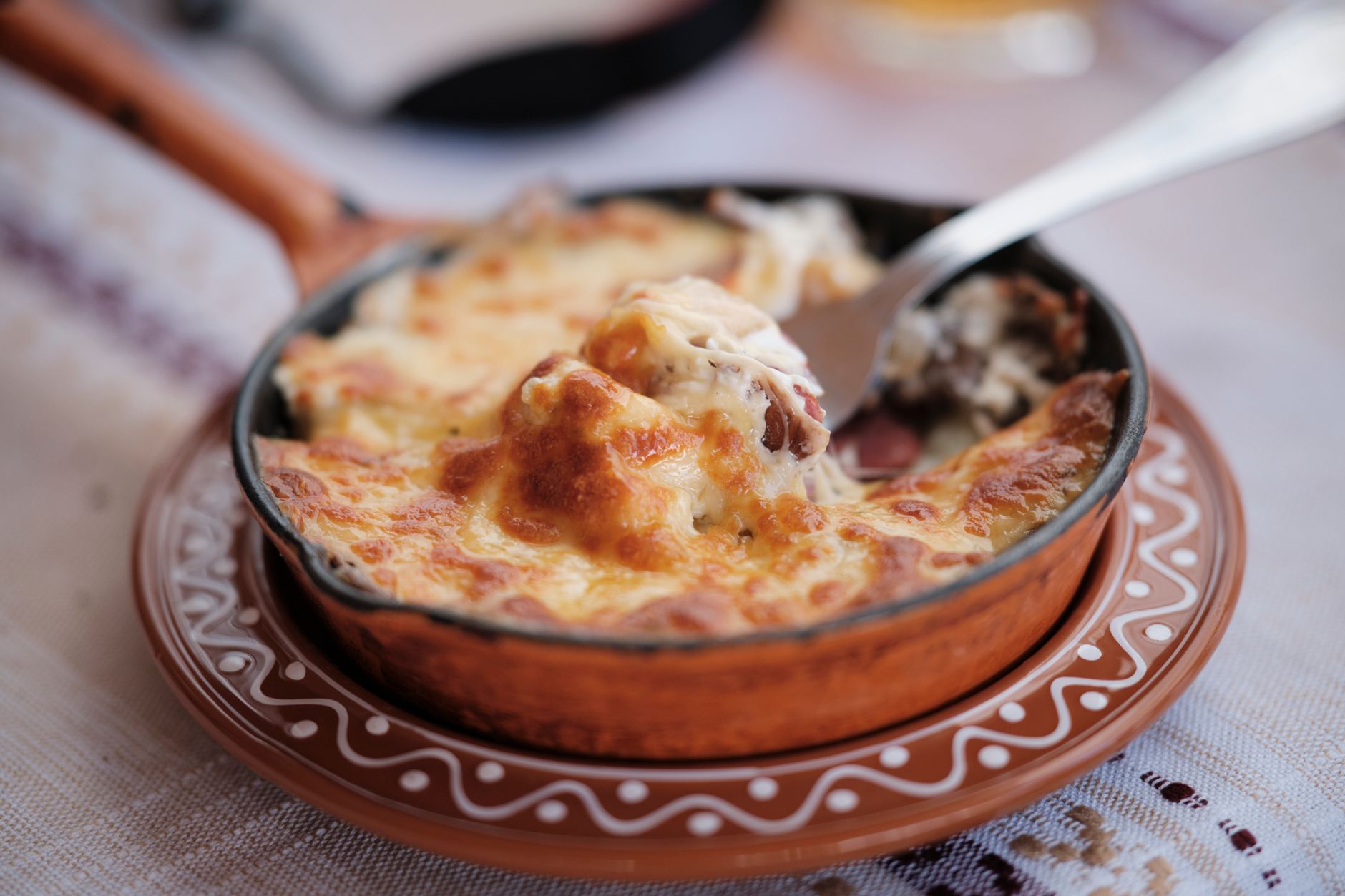
- Veggie Gratin with Stinky Cheese: Layer thin sliced zucchini and potatoes in a baking dish. Pour sauce made from 100ml milk and 60g melted Limburger cheese. Bake at 180C (350F) for 25 minutes until golden.
Delicious Stinky Cheese Recipes
Strong Cheese Dishes to Try
These recipes highlight pungent cheeses beautifully, offering a tasty experience without overwhelming the palate.
- Blue Cheese Steak Sauce: Blend 100g blue cheese, 100ml sour cream, 1 tbsp Dijon mustard, salt, and pepper; serve with grilled steak.
- Roquefort Salad Dressing: Whisk 50g Roquefort, 60ml olive oil, 30ml white wine vinegar, and a pinch of garlic powder for a rich salad topping.
- Epoisses Tartlets: Fill puff pastry shells with 40g Epoisses and caramelized onions. Bake at 200C (400F) for 12 minutes.
Everyday Meals with Pungent Cheese
Incorporate strong cheeses into your regular cooking with simple swaps. Sprinkle blue cheese on your morning salad. Add Taleggio to sandwiches for creamy depth. Use Limburger in your cheese board paired with fruit for a quick snack. These small additions make a big difference without much effort.

Thinking about dairy staples? We recently explored various options in Butter sticks cup guides, perfect if you want to complement your cheese dishes with fresh, halal-certified butters.
Health Benefits and Risks
Advantages of Strong Cheeses
Stinky cheeses can be surprisingly nutritious. They tend to be rich in calcium, protein, and natural probiotics beneficial for gut health, according to the USDA FoodData Central. The aging process encourages beneficial bacteria and enzymes that may improve digestion when consumed in moderation. Choose halal-certified brands that follow JAKIM or IFANCA standards to ensure compliance with dietary laws.
Risks and Precautions
Some individuals may face allergies or lactose intolerance issues with strong cheese varieties. Additionally, their high sodium contentoften 400600mg per 30g servingcan be a concern for those monitoring salt intake. Balance pungent cheeses with fresh vegetables or grains to moderate the overall meals impact. For safety, keep opened strong cheese refrigerated and consume within 57 days to avoid spoilage.
If you find fresh cheese curds appealing, but worry about storage, check our tips on how to Freeze cheese curds properly for longer freshness.
When is the best time to eat stinky cheese?
Stinky cheeses are versatile and can be enjoyed any time of day. Breakfast omelets, lunch salads, or dinner sauces all work well. Because of their bold flavors, many find them best in moderate amounts at meals rather than snacks. Pairing with fruits or nuts can balance the stronger aroma and taste.
Can you cook with stinky cheese without overpowering the dish?
Yes, start by using small quantities and taste as you go. Combine the cheese with mild or sweet ingredients to balance intensity. Cooking methods like baking or simmering can mellow strength. Always remember that a little pungent cheese often goes a long way.
How do you store strong cheeses before and after cooking?
Keep stinky cheese refrigerated, loosely wrapped in parchment, and sealed in an airtight container in the vegetable drawer. This environment helps regulate humidity and temperature. Consume within 57 days after opening to maintain freshness and avoid overly strong odors.
What dishes pair best with stinky cheese?
Stinky cheeses pair beautifully with roasted meats, bitter greens like arugula, sweet fruits such as pears or figs, and nuts. They enhance creamy sauces, savory tarts, and even grain bowls, offering a flavorful contrast to simple bases.
Are all stinky cheeses suitable for melting or baking?
Not all. Softer washed-rind cheeses like Taleggio and Epoisses melt well and are ideal for cooking. Blue cheeses also soften but can become oily if overheated. Harder stinky cheeses may retain texture better. Knowing each types melting behavior helps select the right one for your recipe.
Is cooking with stinky cheese halal?
Strong cheeses can be halal if certified by reputable bodies like JAKIM, HMC, or IFANCA. Check for these logos on packaging and ensure that the cheese was made without prohibited enzymes or additives. Many European cheeses are not halal by default due to animal rennet usage, so careful label reading is essential.
Pro Tips for Best Results
- Use pungent cheese as a flavor enhancer, not the base. This prevents overpowering your dish.
- Avoid cheap versions; quality stinky cheeses have balanced aromas and complex flavors rather than just strong smells.
- Allow cheese to warm to room temperature before cooking to ensure even melting and flavor release.
- For layered dishes, add stinky cheese in the final minutes of cooking or as a finishing touch to keep aroma balanced.
- Experiment with complementary ingredients like honey, nuts, or fresh herbs to elevate your recipe.
More You Might Like
If you enjoy exploring cheese and dairy, check out our guide on the best Butter sticks cup options for cooking and baking with rich, halal-certified butter.
Planning to extend the shelf life of your cheese? Learn how to Freeze cheese curds properly without losing texture and flavor.

Cooking with stinky cheese invites creativity and bold flavors into your kitchen. Striking the right balance turns these pungent cheeses from off-putting to unforgettable. Next time you shop, check the label carefully for Halal certification and choose the right cheese type for your recipe. Dont hesitate to experiment your taste buds will thank you.
FAQs
When is the best time to eat or drink Cooking with stinky cheese?
Stinky cheeses are versatile and can be enjoyed any time of day, including breakfast, lunch, or dinner. Their bold flavors work best in moderate amounts during meals and pair well with fruits or nuts to balance the aroma and taste.
How long does stinky cheese last after opening and how should it be stored?
After opening, stinky cheese should be consumed within 5 to 7 days for best quality. Store it refrigerated, loosely wrapped in parchment paper, inside an airtight container placed in the vegetable drawer to keep humidity and odors controlled.
What makes stinky cheese different from regular cheese?
Stinky cheeses are characterized by their strong aromas and complex flavors caused by specific bacteria, mold, and aging methods. They produce compounds like ammonia and sulfur which give them their pungency, unlike milder, younger cheeses with subtler tastes.
Is it safe to eat stinky cheese every day?
Eating stinky cheese in moderation is generally safe and can offer nutritional benefits like calcium and probiotics. However, their high sodium content means daily consumption should be balanced with other fresh foods to avoid excessive salt intake.
Where can I buy halal-certified stinky cheese?
Halal-certified stinky cheese can be found at specialty halal grocery stores or online shops that verify products through certifiers like JAKIM, HMC, or IFANCA. Always check packaging for halal logos and ingredient details to ensure compliance.