If youve ever wondered why some baked goods come out perfectly golden while others look uneven or undercooked, the secret often lies in understanding convection baking. Convection baking is a modern cooking technique that uses a fan to circulate hot air inside the oven, ensuring more even heat distribution. This method differs from regular baking and can transform how you prepare everything from roasting to bread baking. Lets explore how convection baking works, its benefits, and how you can get the best results in your kitchen.
How Convection Works
What Happens Inside a Convection Oven?
Convection baking uses a built-in fan and exhaust system to circulate hot air throughout the oven cavity. This constant airflow eliminates hot spots and promotes uniform heat distribution around your food. With the heat moving steadily, your dishes cook more evenly and usually faster than with traditional ovens.
This fan-driven heat circulation also helps moisture escape, which leads to better browning and crisping of foods like roasted meats or baked snacks. Unlike regular baking, where heat comes mostly from the top or bottom heating elements, convection ensures every side of your food faces consistent heat.
What Is Regular Baking?
Regular baking, often called conventional baking, relies on radiant heat generated by the ovens heating coils, typically located at the top and bottom. The heat rises and moves unevenly, often creating hotter spots near the elements and cooler areas elsewhere. This can cause uneven cooking for example, some parts of a cake might cook faster, edges might burn before the center is done, or cookies may bake unevenly.
This method lacks air circulation, which is why baked goods cooked this way might be softer or moister but less crispy compared to convection results.
Convection vs Regular Baking Comparison
| Feature | Convection Baking | Regular Baking |
|---|---|---|
| Heat Distribution | Even, with fan circulation | Uneven, radiant heat only |
| Cooking Time | Generally 25% faster | Standard, longer |
| Temperature Setting | Reduced by 25F (15C) recommended | Standard recipe temperature |
| Food Texture | Crispier, better browning | Softer, moister |
| Energy Efficiency | More efficient due to shorter times | Less efficient, longer cooking |
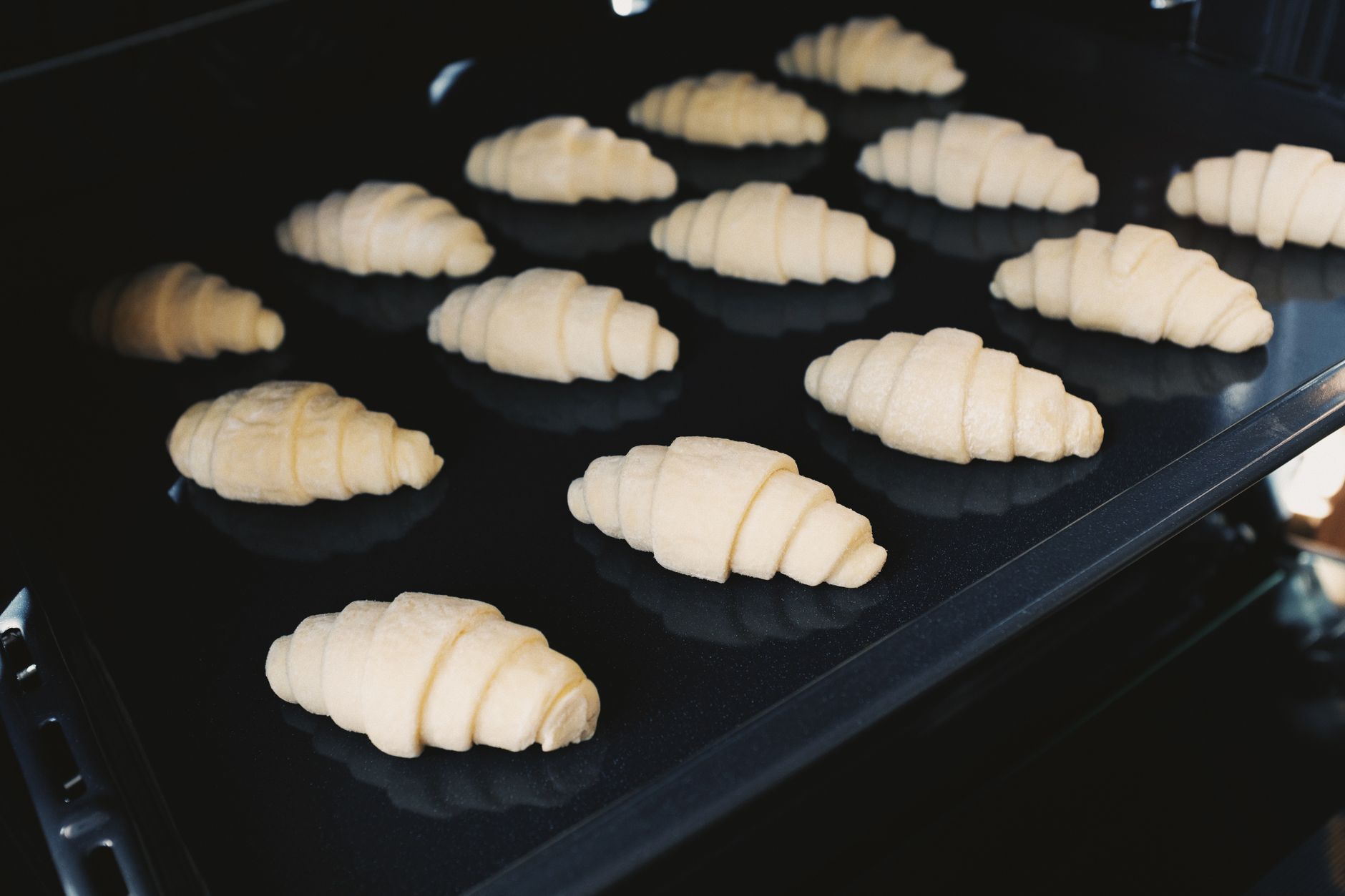
Understanding the basics of convection heat transfer shown here by the moving air replacing static heat zones helps explain why your food can cook faster without losing quality. Oven manufacturers often suggest reducing recipe temperatures to compensate for this efficiency, but always verify for your specific model.
Convection Benefits
Main Advantages of Convection Baking
- Faster, even cooking: The fan moves hot air continuously, so every inch of your food cooks at the same rate.
- Better browning and crispiness: Circulated air helps dry the surface, which is ideal for roasting meats or getting golden crusts on bread.
- Energy savings: Shorter cooking times mean less electricity or gas used, which is better for your wallet and the environment.
- Multiple rack baking: The even heat allows you to bake multiple trays simultaneously without worrying about uneven results.
Best Foods for Convection Baking
Convection ovens shine with foods that benefit from dry, circulating heat including:
- Roasted poultry and meats (like chicken thighs or beef roasts)
- Vegetables for crisp roasting
- Cookies and biscuits needing uniform color
- Artisan breads with crusty exteriors
However, delicate baked goods such as custards, souffls, or cakes can dry out or develop uneven textures with convection. For these, sticking to regular baking settings is often better.

Using Oven Settings Correctly
Adjusting Temperature for Convection
Because convection ovens cook faster, its recommended to reduce your baking temperature by about 25F (15C) compared to regular baking. For example, if your recipe says 350F (175C), set your convection oven to 325F (160C). This prevents overcooking or burning on the outside while ensuring proper doneness inside.
The science behind this is clear: circulating air transfers heat more efficiently, so less temperature is needed to achieve the same cooking effect.
Choosing the Right Oven Setting
Most modern convection ovens offer multiple modes:
- Convection Bake: Fan and lower heating element on for even baking.
- Convection Roast: Fan plus both heating elements for high, radiant heat, great for meats.
- Fan Only or Air Fry: Some settings activate only the fanused for drying, crisping, or low-temp cooking.
Select the mode that best suits your recipe. For example, cookies might do best under convection bake, while whole chickens roast beautifully on convection roast.
Baking Temperature Chart
| Food | Regular Temperature | Convection Temperature | Regular Time | Convection Time |
|---|---|---|---|---|
| Roast Chicken | 375F (190C) | 350F (175C) | 1 hour 20 min | 1 hour 10 min |
| Cookies | 350F (175C) | 325F (160C) | 12 min | 10 min |
| Bread Loaves | 375F (190C) | 350F (175C) | 30 min | 25 min |
Refer to your oven manual for exact temperature adjustments. Keep in mind that some ovens may vary in airflow strength or heating styles.

Drawbacks of Convection Baking
Potential Challenges
While convection baking offers many benefits, its not without some drawbacks to consider:
- Food drying out: The fans air circulation can remove moisture quickly, which risks drying delicate items like cakes or custards.
- Uneven cooking in some cases: When baking very thin or delicate pastries, the rapid air movement might cook edges faster than centers.
- Adjustment needed by user: Recipes often require modification, so baking times and temperatures can cause confusion for beginners.
How to Avoid Common Mistakes
- Rack placement matters: Center racks allow best airflow; avoid overcrowding pans.
- Use suitable bakeware: Light-colored or shiny pans reflect heat and reduce browning, which can offset convection benefits.
- Cover sensitive food: Shield cakes or delicate dishes with foil to prevent drying.
- Turn off convection for specific recipes: When baking souffls or cheesecakes, switch to traditional bake mode.
Troubleshooting Guide
| Issue | Cause | Fix |
|---|---|---|
| Dry Cake | Air circulation too strong, baking time too long | Reduce baking time by 1015%, cover top with foil |
| Bread Not Rising Properly | Too much heat, drying crust forms early | Use lower temperature or disable convection |
| Uneven Cookie Coloring | Racks overcrowded or dark pans used | Space cookies evenly, use light pans |
Many home bakers find convection returns rewarding once they learn these simple tweaks. Even chefs at places like Costco bakery value convection ovens for speed and consistency.
Can You Use Convection for Everything?
Not quite. For some recipes, especially delicate or custardy desserts, convections drying effect is too strong. Knowing when to switch convection off can be as important as knowing when to use it.
Common Questions About Convection Baking
Can I use convection baking for all Halal-certified foods?
Yes, convection baking works perfectly with Halal-certified products, including meats and bakery items. Just ensure the foods ingredients and any seasoning comply with Halal standards, such as those defined by JAKIM or IFANCA certification bodies.
Do I need special bakeware for convection ovens?
Its best to use shallow pans made of light-colored metal or glass. Dark pans absorb more heat and can cause over-browning. Avoid deep pans that block airflow, reducing convection effectiveness.
How much faster does convection baking cook food?
Typically, convection baking cuts cooking time by about 25%. For example, a dish that normally takes 60 minutes can often finish in 45 minutes. Always check food early to prevent overcooking.
Is convection baking healthier?
Convection baking can be considered healthier because it often requires less oil or fat to achieve crispy textures. The efficient cooking also better preserves nutrients by minimizing overcooking times.
Does all convection oven airflow work the same way?
No. Some ovens use a true convection fan with an exhaust vent that circulates air continuously, while others have a fan that only moves air without venting. True convection yields more consistent results.
Can convection baking affect food texture?
Yes, convection encourages a drier, crisper exterior and can firm up crusts faster. This is excellent for roasted meats but might make some baked goods drier if not carefully monitored.
Should I always lower the temperature when using convection?
Generally, yes. Reducing temperature by 25F (15C) helps prevent burning or drying out. However, follow your ovens manual and recipe recommendations as some modern ovens adjust automatically.
More You Might Like
If you enjoy exploring baking techniques, check out our guide to the Levain bakery, famous for its rich, crumbly cookies made with exact baking precision.
Curious about where to find robust, reliable bakery products? Our overview of the Costco bakery offers insights on high-quality, Halal-certified bakery goods that you can trust.
Conclusion
Convection baking offers an excellent way to cook faster and achieve beautifully browned, crispy results with many dishes. By knowing how to adjust temperature and time, and when to avoid convection for delicate items, you can elevate your baking game. Next time you prepare a roast or bake bread, try convection settings and notice the difference. Feel free to share your experiences or questions below were here to help you bake with confidence!
FAQs
Is convection baking actually Halal — what should I check on the label?
Yes, convection baking itself is Halal as it refers to the baking method, not the ingredients. To ensure the food is Halal, check that all ingredients and seasonings comply with Halal standards based on certifications like JAKIM or IFANCA.
What temperature adjustment is needed for convection baking?
Typically, reduce the baking temperature by 25°F (15°C) from the regular recipe setting to prevent overcooking since convection ovens cook food faster with better heat circulation.
Can convection baking cause foods to dry out?
Yes, the circulating hot air can dry out delicate items like cakes or custards. To avoid this, reduce baking time, use foil covers, or choose traditional baking for these sensitive foods.
How much faster does convection baking cook compared to regular baking?
Convection baking generally reduces cooking time by about 25%, meaning a dish taking 60 minutes normally could finish in around 45 minutes.
What types of bakeware are best for convection ovens?
Use light-colored, shallow pans made of metal or glass. Dark or deep pans can absorb or block heat unevenly, reducing convection airflow and causing uneven baking.