Picking the right deep frying oil isnt just kitchen guessworkit completely changes how your fried fish tastes and feels. The oil affects crispiness, oil absorption, and even health impact. If you want golden, crunchy fish without that greasy aftertaste or unhealthy fat overload, choosing the proper deep frying oil is key. This guide walks you through the best oils for deep frying fish, plus how to balance flavor, cooking performance, and health.
Deep Frying Oil Basics
What makes an oil good for deep frying? Its more than just grabbing the cheapest bottle on the shelf. Oils behave differently under high heat. The main things to watch are smoke point, flavor neutrality, heat stability, and health factors. Fish is delicate in taste, so your oil choice isnt just functional; it also impacts flavor and texture.
What Is the Smoke Point, and Why Does It Matter?
The smoke point is the temperature where oil starts to smoke and break down. When oil smokes, it releases harmful compounds and tastes bitter, ruining your fried fish. For deep frying, you want an oil with a smoke point roughly above 375F (190C) so it remains stable throughout cooking. For example, olive oil has a lower smoke point (~375F) and isnt ideal. In contrast, peanut oil can handle heat up to about 450F without breaking down.
How Does Oil Flavor Affect the Taste of Fried Fish?
Oils can have mild to distinct flavors. When frying fish, too much oil flavor can overpower the natural taste. Neutral oils like canola or vegetable oil let the fishs fresh flavor shine through. Others, like peanut oil, add a subtle nutty note that can complement fried dishes beautifully. Avoid oils with strong or off flavors unless youre aiming for a very specific taste profile.
What Are the Health Considerations When Choosing Deep Frying Oil?
Not all fats are equal. Oils high in saturated fats (like palm or coconut oil) tend to increase cholesterol levels. Unsaturated fats, especially monounsaturated fats found in peanut or canola oils, are considered healthier. Reusing oil repeatedly increases oxidation and formation of harmful trans fats, so fresh oil or proper straining and storage is crucial. Also, check for oils free from hydrogenation or artificial additives for a cleaner choice.
Top Oils for Deep Frying Fish
Here are the oils that balance smoke point, flavor, and health nicely for frying fish.
Best Oil Recommendations
- Peanut Oil: High smoke point, mild nutty flavor, rich in monounsaturated fats. Great for crispy fish with subtle added flavor.
- Canola Oil: Neutral flavor, affordable, low saturated fat. Perfect budget neutral choice that wont mask fish taste.
- Sunflower Oil: Light flavor with high vitamin E. Good for light frying and preserving fishs delicate texture.
- Vegetable Oil: Usually a blend; neutral and commonly available with decent smoke point. Versatile but varies by brand.
| Oil Type | Smoke Point (F) | Flavor Profile | Health Notes | Price Range | Best Use Scenario |
|---|---|---|---|---|---|
| Peanut Oil | ~450 | Mild, nutty | High monounsaturated fats | Mid to high | Ideal for crispy fried fish |
| Canola Oil | ~400 | Neutral | Low saturated fat | Low to mid | Budget-friendly, neutral flavor |
| Sunflower Oil | ~440 | Mild | High in vitamin E | Mid | Light fried foods, delicate texture |
| Vegetable Oil | ~400 | Neutral | Varies (blend of oils) | Low | General deep frying |
Healthier Frying Oils
Can deep frying be healthy at all? While fried foods arent the top pick for health, your choice of oil and frying technique makes a difference. Oils rich in monounsaturated fats and omega-3 fatty acids tend to be better for heart health.
Are There Heart-Healthy Deep Frying Oils?
Oils like canola and peanut contain better fatty acid profileshigher monounsaturated and lower saturated fatsmaking them comparatively better options. According to USDA FoodData Central, peanut oil contains about 49% monounsaturated fat and only 17% saturated fat. These oils also withstand heating better, reducing harmful oxidation. Regularly replacing oil when it darkens or smells off limits health risks.
How to Maintain Oil Quality When Deep Frying
- Filter oil after use to remove food particles.
- Store oil in a cool, dark place sealed tightly.
- Avoid overheating: keep frying temperature between 350F375F.
- Dont reuse oil more than 23 times for best taste and safety.
Following these tips protects oil quality, preserving flavor and lowering exposure to degraded compounds.
Alternatives to Deep Frying Oil
If health or Halal-certified oil availability is a concern, consider alternatives to deep frying fish. Air frying drastically cuts oil usage but still delivers crispiness. Shallow frying with a small amount of oil also reduces fat intake. Baking with a light olive or avocado oil spray can create a tender finish without deep fryings excess oil.
For a Halal-conscious kitchen, always look for oils certified by trusted bodies like JAKIM, the Halal Monitoring Committee (HMC), or IFANCA. This ensures no cross-contamination or questionable ingredients.
Also, some consumers wonder why are groceries so expensive. Knowing how oil prices and certification impact the cost might explain why some Halal oils cost a bit more.
Practical Buying Checklist
| Certification | Price Range | Common Formats | Shelf Life | Key Allergens |
|---|---|---|---|---|
| JAKIM, HMC, IFANCA | Mid to high | Bottle (500ml-2L), Bulk | 1218 months unopened; 3 months opened | Peanuts (for peanut oil), none for canola/sunflower |
Is deep frying oil actually Halal what should I check?
To ensure your oil is Halal, check for certification logos like JAKIM or IFANCA on the label. They guarantee the oil hasnt been cross-contaminated with Haram substances. Also, verify the production method; some refined oils may use processing aids that arent Halal. Trusted Halal certification will list these details clearly.
What common mistakes do people make buying deep frying oil?
Choosing oil solely by price often leads to poor frying resultscheap oils may have lower smoke points or be blends with additives. Another mistake is ignoring certification; not all oils in markets are Halal-certified. Lastly, forgetting to check the oils freshness can cause off-flavors.
How do I prevent oil from smelling rancid?
Store oil in a cool, dark place away from heat and light. Use airtight containers to limit exposure to oxygen. Avoid frequent temperature changes and do not keep oil after extended frying sessionsusually no longer than 3 months opened.
Can I reuse deep frying oil safely?
Yes, but only 2 to 3 times maximum, depending on what you fry. Filter out debris after each use, and keep an eye on oil color and smell. Discard if it darkens excessively, smells sour, or smokes earlier than usual.
What oil is best for flavor-sensitive fried fish?
Neutral-flavored oils like canola or light vegetable oil work best to showcase fishs natural taste. Peanut oil adds a mild nuttiness that complements fried fish well without overwhelming it.
Why does oil matter for crispy results?
Oils with higher smoke points allow better temperature control, creating a quick crust and preventing sogginess. If the oil heats too slowly or breaks down, food absorbs more oil and becomes greasy.
How can I tell if an oil is fresh in the store?
Check the bottling or expiration date. Look for dark glass or opaque containers that protect oil from light. Avoid bottles with sediment or cloudy appearance. Also, purchasing from reliable sellers with good turnover usually means fresher stock.
Buying Tips
- Watch for certification: Always buy oils with trusted Halal logos to avoid contamination.
- Avoid cheap blends: Blended oils can have lower smoke points and inconsistent quality.
- Expert tip: Buy oils in smaller bottles if you dont fry often to maintain freshness and avoid waste.
More You Might Like
Curious about alternatives for seasoning your fried dishes? Check out our guide on Soy sauce substitute for versatile seasoning ideas. Also, a peek into Why are groceries so expensive might help you understand price differences in oils and other products.
Conclusion
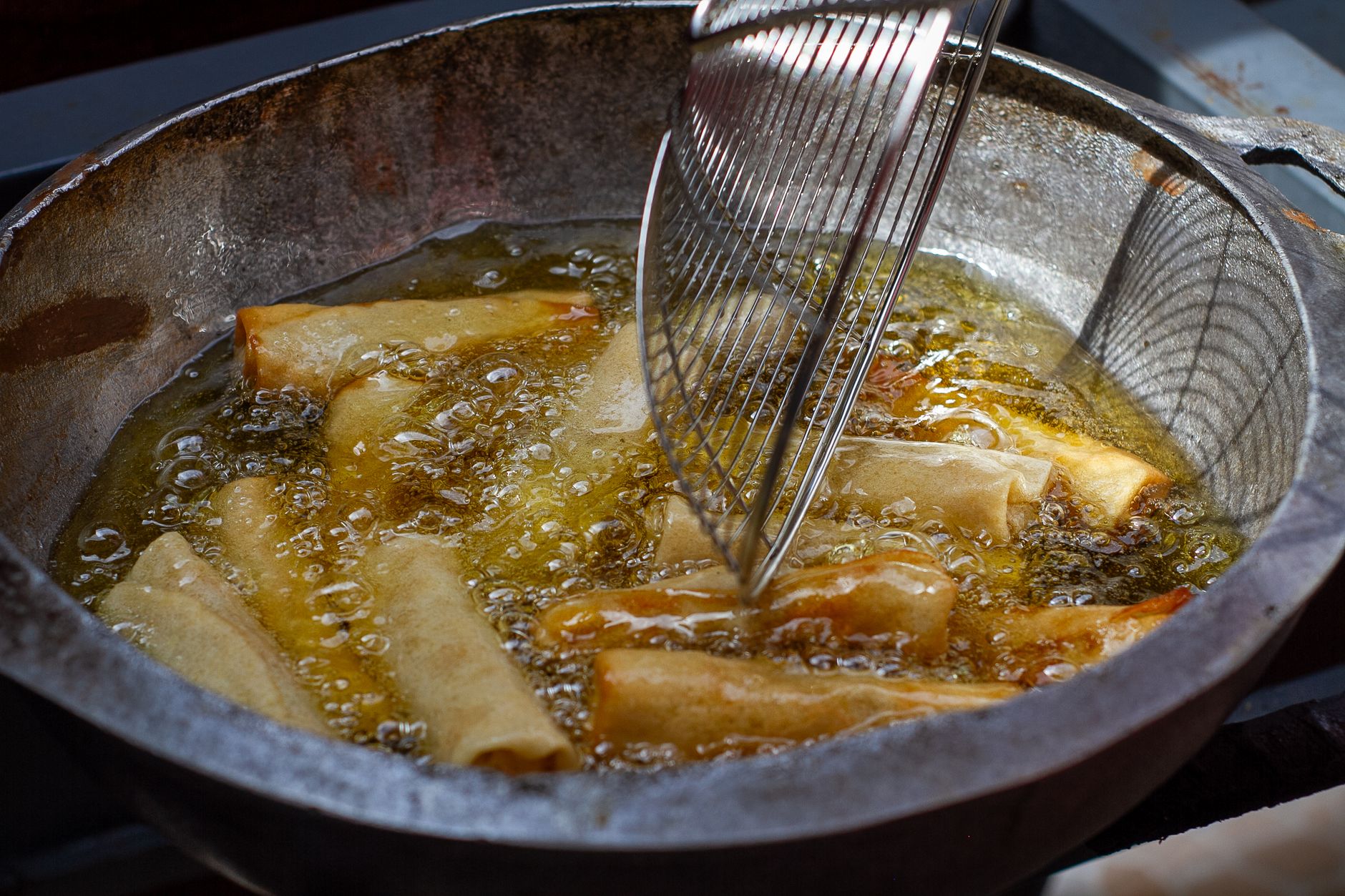
Choosing the right deep frying oil makes all the difference in how crispy, tasty, and healthy your fried fish turns out. Focus on oils with high smoke points and neutral or mild flavors like peanut, canola, or sunflower oil. Balance your flavor preferences with health and cooking performance for the best results. Next time you shop, check the label carefully, and enjoy perfectly fried fish with the right oil on your shelf.
FAQs
Is deep frying oil actually Halal — what should I check on the label?
To ensure deep frying oil is Halal, look for certification logos such as JAKIM, IFANCA, or HMC on the packaging. These guarantees confirm the oil hasn’t been cross-contaminated with Haram substances. Also, verify the production methods to avoid non-Halal processing aids.
What is the shelf life of deep frying oil after opening?
Once opened, deep frying oil typically lasts about 3 months if stored properly in a cool, dark place with a tight seal. Avoid using oil that smells rancid, darkens in color, or smokes at lower temperatures.
How does deep frying oil differ from other cooking oils?
Deep frying oils have higher smoke points and greater heat stability compared to common cooking oils. This prevents breakdown at frying temperatures and results in a crisp, less greasy texture, unlike low smoke point oils better suited for salad dressings or low-heat cooking.
Is it safe to reuse deep frying oil regularly?
Yes, but limit reuse to 2–3 times. Always strain out food particles after each use and watch for changes in color, smell, or smoke point. Discard oil if it darkens excessively or develops off-odors to avoid harmful compounds.
Where is the best place to buy quality deep frying oil?
Purchase deep frying oil from reputable grocery stores or specialty Halal retailers. Look for fresh stock with clear labeling and reliable Halal certification. Buying from trusted sellers ensures a quality product and proper storage conditions.