You stand at the stove, wok in hand, ready for a perfect dinner. But when you take that first bite, the noodles collapse into a limp, wet heap. Soggy chow mein ruins the entire dish. The texture goes from satisfyingly chewy to something closer to wet cardboard. I have been there more times than I care to admit. The good news? The problem is almost always fixable, and prevention is simpler than you think.
The main reasons for soggy chow mein come down to three things: too much liquid in the pan, heat that is not high enough to evaporate moisture, and vegetables that release water at the wrong time. Fix those, and your noodles will stay firm, bouncy, and delicious.
In this guide, you will learn exactly why your chow mein turns soggy, how to rescue it when it happens, and the cooking techniques that keep your noodles crisp every single time.
Understanding Why Chow Mein Gets Soggy
Before you can fix soggy chow mein, you need to know what causes it. The science is straightforward: noodles are starchy, and starch absorbs water. When too much moisture sits in the pan, the noodles soak it up and turn soft.
What Causes Chow Mein to Become Soggy?
Four common mistakes lead to soggy noodles more often than anything else.
- Excess liquid from sauces Many recipes call for soy sauce, oyster sauce, and broth. When you add them all at once, the noodles have no time to cook off the moisture before they start absorbing it.
- Insufficient heat Chow mein needs high, consistent heat. If your burner is set to medium or the pan is overcrowded, the temperature drops. Moisture builds up instead of evaporating.
- Overcrowding the pan Noodles need space to sear. When you pile too many into the wok, they steam rather than stir-fry. Steam equals sogginess.
- Vegetables added too early Vegetables release water as they cook. If they go into the pan before the noodles have a chance to crisp, that water soaks straight into the starch.
How Vegetables Affect Noodle Texture
Vegetables are mostly water. Cabbage, bean sprouts, and bok choy can contain over 90 percent water by weight. When you toss them into the wok, that water releases into the pan. If the heat is not high enough to evaporate it instantly, your noodles absorb it instead.
The solution is to cook dense vegetables like carrots and bell peppers first, then add high-water vegetables like bean sprouts and cabbage near the end. This way, the moisture has less time to affect the noodles.
| Vegetable | Water Content (%) | Best Cooking Method to Avoid Sogginess |
|---|---|---|
| Cabbage | 92% | Stir-fry quickly at high heat |
| Bean Sprouts | 90% | Add late, cook briefly |
| Carrots | 88% | Julienne and cook separately |
| Bok Choy | 95% | Separate stems from leaves, add stems first |
| Bell Peppers | 92% | Sear quickly, remove before adding noodles |

How to Fix Soggy Chow Mein Noodles
Sometimes the damage is already done. Your chow mein is sitting in the pan, looking sad and wet. Do not throw it out. You can still save it with a few quick moves.
Immediate Fixes When Chow Mein Is Already Soggy
If your noodles have gone soft, act fast. Turn the heat to high and spread the noodles in a single layer. Let them sit undisturbed for about 60 seconds. This allows the moisture to evaporate and the bottom to crisp up slightly. Toss them, then repeat once more.
Another trick is to add a small amount of dry, fresh noodles torn into pieces. They will absorb excess moisture and add a contrasting texture. You can also toss in toasted sesame seeds, crushed peanuts, or crispy fried shallots to mask the softness with crunch.
Can You Rescue Leftover Soggy Chow Mein?
Leftover chow mein is harder to fix because the noodles have already absorbed maximum moisture. However, you can reheat it in a dry pan over high heat without any oil. Spread the noodles thin and let them crisp on one side for 2 minutes. Flip and repeat. The result will not be as good as fresh, but it will be far better than microwaved mush.
Step-by-Step Guide: Reviving Soggy Chow Mein in 5 Minutes
- Heat a dry wok or non-stick pan over high heat for 60 seconds.
- Spread the soggy noodles in a thin, even layer. Do not overcrowd.
- Cook without moving for 90 seconds. Listen for a sizzle.
- Flip sections with a spatula and cook another 90 seconds.
- Add 1 teaspoon of sesame oil, toss, and serve immediately.
Essential Chow Mein Cooking Tips to Prevent Sogginess
Prevention is far easier than rescue. Follow these tips every time you cook chow mein, and soggy noodles will become a thing of the past.
Choosing the Right Noodles for Chow Mein
Fresh chow mein noodles are the best choice. They have a chewy, springy texture that holds up well to high heat. Dried noodles work too, but you must undercook them by about 1 minute so they finish cooking in the wok. Par-cooked noodles from the refrigerated section are convenient but often contain more moisture, making them prone to sogginess if not drained properly.
Halal-certified fresh noodles are widely available in Asian grocery stores. Look for brands with clear certification from JAKIM, HMC, or IFANCA on the package.
How to Cook Noodles Perfectly Every Time
Boil fresh noodles for exactly 2 minutes. Drain them immediately and rinse under cold water to stop the cooking. Toss them with 1 teaspoon of sesame oil to prevent sticking. Let them sit in a colander for at least 5 minutes to drain thoroughly. Any water left clinging to the noodles will end up in your wok.
Managing Sauce and Liquid Amounts
Less is more when it comes to chow mein sauce. For every 200 grams of cooked noodles, use no more than 3 tablespoons of combined sauce. Mix your soy sauce, oyster sauce, and broth in a small bowl before cooking. Add it in a slow stream around the edges of the wok, not directly on top of the noodles. This allows the heat to reduce the sauce immediately.
Stir-Fry Techniques for Crispy Chow Mein
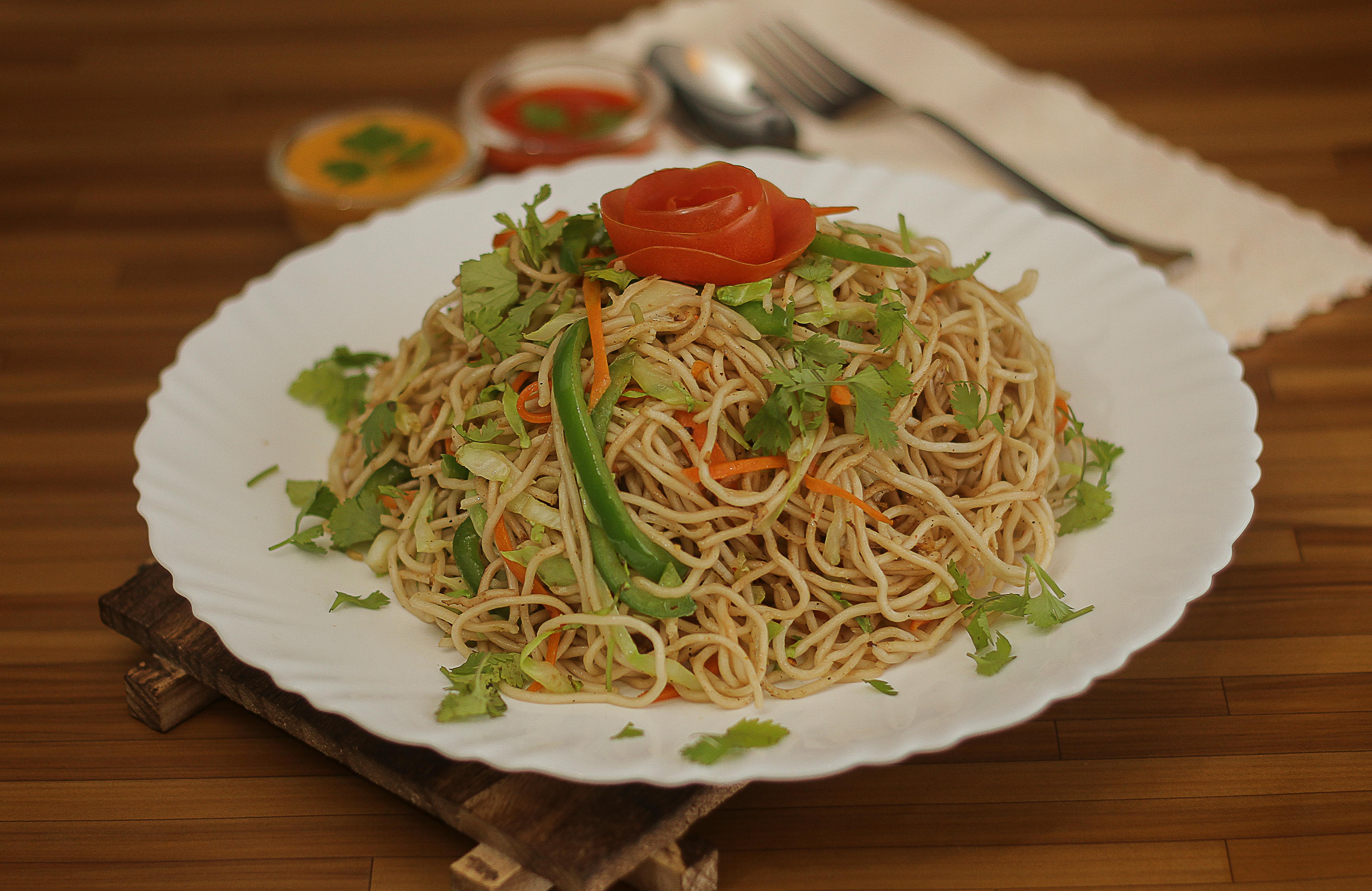
Heat your wok until it smokes lightly. Add oil and swirl to coat. The oil should shimmer before you add anything. Cook noodles in small batches. A single serving of noodles needs about one-third of a standard wok surface. If you fill it more than that, you will steam instead of sear. Let the noodles sit for 30 to 45 seconds before tossing to develop a light crust.
Tips for Cooking Vegetables to Keep Chow Mein Crisp
Cut vegetables into uniform pieces so they cook at the same rate. Cook hard vegetables like carrots and broccoli stems first for 2 minutes, then remove them from the wok. Add tender vegetables like bean sprouts and cabbage leaves only in the final 60 seconds of cooking. This keeps their water content from soaking your noodles.
Chow Mein Cooking Tips Checklist for Quick Reference
- Use fresh noodles whenever possible.
- Boil for exactly 2 minutes, rinse, and drain well.
- Toss with oil and let drain for 5 minutes.
- Heat wok until smoking before adding oil.
- Cook noodles in small batches.
- Add sauce in a slow stream around the wok edge.
- Cook high-water vegetables separately or add last.
Perfect Halal Chow Mein Recipe
Now that you know how to prevent sogginess, here is a complete recipe that puts those techniques into practice. This version is fully Halal-certified and uses ingredients you can find at most grocery stores.
| Prep time | Cook time | Total time | Servings | Calories | Diet tags |
|---|---|---|---|---|---|
| 15 minutes | 10 minutes | 25 minutes | 2 | 380 per serving | Halal, Dairy-Free option |
Ingredients
- 200 g fresh chow mein noodles (Halal-certified)
- 2 tablespoons vegetable oil
- 1 cup shredded cabbage
- 1 cup bean sprouts
- 1 medium carrot, julienned
- 2 green onions, sliced
- 2 tablespoons soy sauce (Halal-certified)
- 1 tablespoon oyster sauce (Halal-certified)
- 1 teaspoon sesame oil
- 1 teaspoon sugar
Step-by-Step Instructions
Step 1 Prepare the noodles. Bring a pot of water to a rolling boil. Add the fresh noodles and cook for exactly 2 minutes. Drain immediately and rinse under cold running water for 15 seconds. Toss with 1 teaspoon sesame oil and let drain in a colander for 5 minutes.
Step 2 Prepare the sauce. In a small bowl, combine the soy sauce, oyster sauce, and sugar. Stir until the sugar dissolves. Set aside.
Step 3 Sear the vegetables. Heat a wok over high heat for 60 seconds. Add 1 tablespoon of vegetable oil and swirl to coat. Add the carrot and cabbage. Stir-fry for 2 minutes. Remove the vegetables from the wok and set aside.
Step 4 Cook the noodles. Add the remaining 1 tablespoon of oil to the hot wok. Spread the drained noodles in an even layer. Let them cook undisturbed for 45 seconds. Toss and repeat for another 30 seconds. You want a light golden crust on some of the noodles.
Step 5 Combine everything. Return the cooked vegetables to the wok. Add the bean sprouts and green onions. Pour the sauce around the edges of the wok, not directly on the noodles. Toss everything together for 60 seconds until the sauce is absorbed and the bean sprouts are just tender.
Step 6 Serve immediately. Drizzle with a few drops of sesame oil and serve hot.
Storage: This chow mein is best eaten fresh. If you have leftovers, store them in a sealed container in the refrigerator for up to 2 days. Reheat in a dry pan over high heat for 3 minutes, flipping once, to restore some texture.
Balancing Flavor, Texture, and Moisture in Chow Mein
Perfect chow mein is about balance. You want the noodles to be tender but not mushy, the vegetables to be crisp but not raw, and the sauce to coat every strand without pooling at the bottom of the bowl.
Understanding the Trade-offs: Crispy vs. Soft Noodles
Some people prefer their chow mein with a slight chew rather than full crunch. That is fine. The goal is not bone-dry noodles but noodles that hold their structure. A small amount of residual moisture is acceptable as long as the noodles spring back when pressed. If they collapse into a paste, you have gone too far.

Incorporating Vegetables Without Sacrificing Texture
You can still enjoy a vegetable-heavy chow mein without sogginess. The trick is to treat the vegetables almost as a separate dish. Cook them quickly at high heat, remove them, and add them back only at the end. This keeps their moisture contained and away from the noodles during the critical crisping phase.
If you enjoy experimenting with global flavors, you might also like exploring Iceland unique foods for inspiration on how other cuisines handle texture and moisture in their dishes.
When Is the Best Time to Eat Chow Mein?
Chow mein is best eaten immediately after cooking. The texture starts to decline within 15 minutes as residual heat continues to soften the noodles. If you are serving it as part of a larger meal, cook the chow mein last and bring it to the table right away.
What Type of Wok Works Best for Crispy Chow Mein?
A carbon steel wok is the best choice. It heats quickly, retains high temperatures, and develops a natural non-stick surface over time. Stainless steel works too but requires more oil to prevent sticking. Non-stick woks are not ideal because they cannot reach the high temperatures needed for good searing without damaging the coating.
Can You Make Chow Mein with Gluten-Free Noodles?
Yes, but the texture will be different. Rice noodles and mung bean noodles are the most common gluten-free options. They absorb moisture faster than wheat-based chow mein noodles, so you need to reduce the sauce amount by about one-third and cook them at even higher heat. Look for Halal-certified and gluten-free labels on the package.
How Much Oil Should You Use for Stir-Frying Chow Mein?
Use about 1 tablespoon of oil per 200 grams of noodles. Too little oil causes sticking and uneven cooking. Too much oil makes the noodles greasy and prevents the sauce from coating them properly. Choose a neutral oil with a high smoke point, such as vegetable oil, peanut oil, or avocado oil.
Does the Type of Soy Sauce Affect Sogginess?
Yes. Dark soy sauce is thicker and contains more sugar, which can make noodles sticky and soft if overused. Light soy sauce has a thinner consistency and less sugar, making it a better choice for chow mein. Always check for Halal certification on your soy sauce, as some brands use alcohol in the brewing process.
What Is the Ideal Noodle-to-Vegetable Ratio for Chow Mein?
A good starting point is 2 parts noodles to 1 part vegetables by weight. This gives you enough vegetables for flavor and nutrition without overwhelming the noodles with moisture. If you want extra vegetables, cook them separately and add them as a side rather than mixing them all into the wok.
How Do You Know When Chow Mein Noodles Are Cooked Correctly?
Perfectly cooked chow mein noodles should be tender with a slight spring when you bite into them. They should not stick to your teeth or feel gummy in the center. If a noodle breaks easily when you pull it apart, it is overcooked. If it feels firm and bounces back, it is ready.
Pro Tips for Perfect Chow Mein Every Time
After years of trial and error, here are the three most valuable techniques I have learned.
The biggest mistake most cooks make is adding the sauce too early. Sauce should go into the wok only in the final 60 seconds of cooking. This gives it time to coat the noodles and reduce slightly, but not enough time to soak in and make them soggy.
Cheaper noodles disappoint because they are often made with lower protein flour, which absorbs water faster and turns mushy more easily. Spend a little extra on fresh noodles from a reputable brand. The texture difference is dramatic.
One expert upgrade is to blanch your vegetables in boiling water for 30 seconds before stir-frying. This sets their color and partially cooks them, so they need less time in the wok and release less water. Drain them well before adding to the pan.
And if you are planning a family meal, you might appreciate knowing about Kids eat free texas roadhouse deals for those nights when you want a break from cooking.
More You Might Like
How to Choose the Best Halal Soy Sauce for Stir-Fries Not all soy sauces are created equal. Learn which brands carry Halal certification and how to read labels for hidden non-Halal ingredients.
The Complete Guide to Halal Noodles From ramen to rice vermicelli, this guide covers everything you need to know about Halal-certified noodles and where to buy them.
Conclusion
Soggy chow mein is almost always a result of too much moisture, not enough heat, or vegetables releasing water at the wrong time. By choosing the right noodles, managing your sauce amounts, and cooking vegetables separately, you can achieve the firm, springy texture that makes this dish so satisfying. Next time you cook chow mein, pay attention to the heat and the timing. Your noodles will thank you. Have you tried any of these techniques? Leave a comment below and let me know what works best in your kitchen.
FAQs
When is the best time to eat or drink chow mein soggy?
Chow mein is best eaten immediately after cooking, ideally within 15 minutes. The texture starts to decline as residual heat softens the noodles. It is a food, not a drink, so enjoy it right away. If you must keep it longer, reheat in a dry pan to restore some crispness.
How should I store leftover chow mein to keep it from getting soggier?
Store leftover chow mein in a sealed container in the refrigerator for up to 2 days. To reheat, spread noodles in a dry pan over high heat for 3 minutes, flipping once. Avoid microwaving, as it adds steam and makes the noodles mushy. Fresh is always best.
What is the difference between chow mein and lo mein noodles?
Chow mein uses fresh, thin noodles stir‑fried at high heat until slightly crispy and dry. Lo mein uses thicker, softer noodles that are boiled and then tossed in a heavier sauce. Chow mein is chewy with a seared crust, while lo mein is soft and saucy. Both can be halal with proper ingredients.
Is it safe to reheat chow mein leftovers?
Yes, if stored correctly in the fridge. Reheat in a dry pan over high heat for 3 minutes, flipping once, until steaming hot (165°F internal). Do not reheat more than once to avoid food safety risks. Discard leftovers after 2 days.
Where can I buy halal‑certified chow mein noodles?
Halal‑certified fresh chow mein noodles are available at Asian grocery stores. Look for brands with JAKIM, HMC, or IFANCA certification. Halal soy sauce, such as Kikkoman Halal or Lee Kum Kee Halal, can be found in the same stores or online. Always check the label.