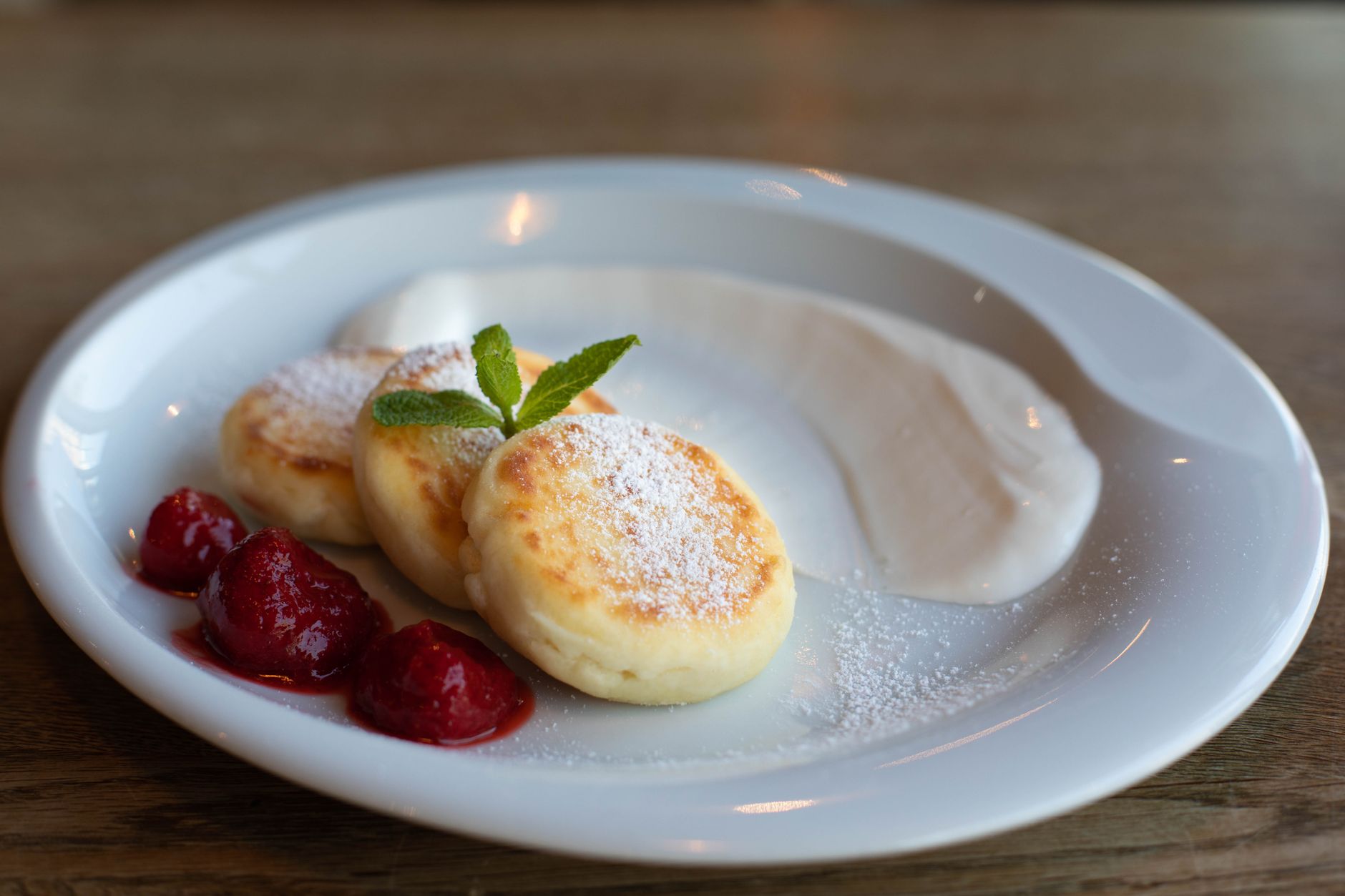
Cottage cheese is a popular, protein-packed dairy staple in many households. But what if you find yourself with extra cottage cheese or want to extend its usability? Can you freeze cottage cheese? The short answer is yesyou can freeze cottage cheese to reduce waste and keep it on hand longer. However, freezing cottage cheese changes its texture, so knowing how to freeze and thaw it the right way will help you maintain its taste and avoid unpleasant surprises in the kitchen.
Freezing Effects
What Happens to Cottage Cheese When Frozen?
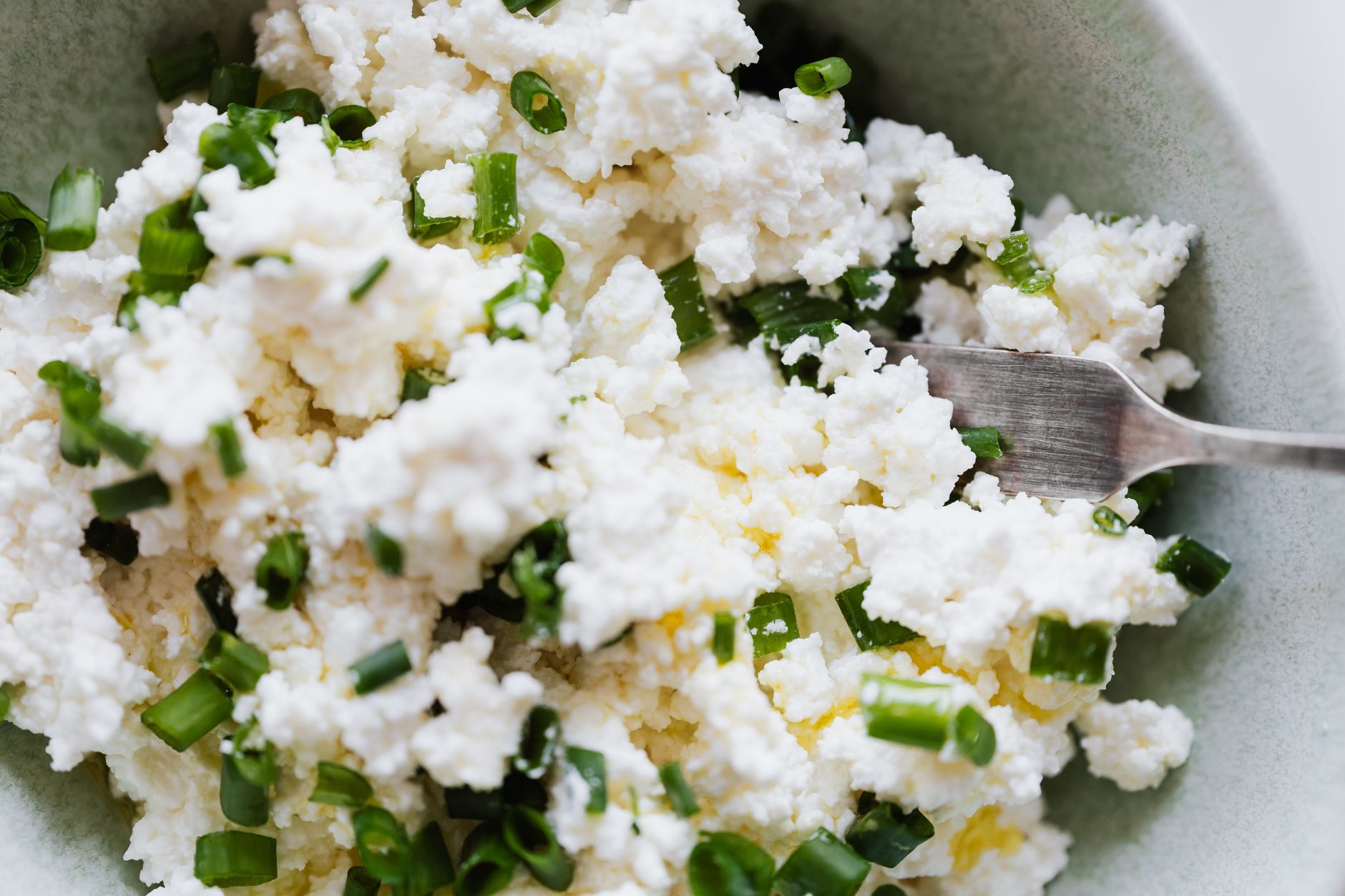
When cottage cheese freezes, the water inside the curds expands, causing the curds to separate from the creamy liquid (whey). This leads to a grainy, watery texture once thawed. The flavor generally remains intact, but the texture change can make it less appealing if eaten plain or fresh.
This separation happens because water molecules form ice crystals during freezing, disrupting the delicate curd structure. The mild, slightly tangy flavor stays consistent because freezing doesnt significantly affect the dairys taste compounds.
Is It Safe to Freeze Cottage Cheese?
Yes, freezing cottage cheese is safe. Freezing significantly slows bacterial growth but does not kill bacteria completely. According to the USDA FoodData Central, freezing dairy products like cottage cheese can extend shelf life beyond normal refrigeration limits. However, proper packaging and storage conditions are essential to prevent freezer burn and spoilage after thawing.
Make sure your cottage cheese is fresh and hasnt passed its expiry to begin with. Freezing can extend its lifespan for 1-2 months but wont fix preexisting spoilage.
Freezing Tips
How to Prepare Cottage Cheese for Freezing?
Start with fresh cottage cheese, ideally unopened or just opened less than 1-2 days ago. Portion the cheese into airtight freezer-safe containers or heavy-duty freezer bags to avoid exposure to air, which can cause freezer burn and flavor loss.
Remove as much air as possible if using bags, or consider vacuum sealing for best results. Label each container with the freezing date for easy tracking. Portioning into cup or 1-cup servings can make it easier to thaw only what you need later.
How Long Can You Freeze Cottage Cheese?
For best quality, freeze cottage cheese for up to 1-2 months. Beyond that, texture and flavor deteriorate more noticeably. Frozen cottage cheese stored properly retains safety longer but will have increased risk of freezer burn and off flavors.
If you notice dark spots, unusual ice crystals, or a sour smell after thawing, its best to discard.
Freezing Durations for Dairy Products
| Dairy Product | Recommended Freeze Time | Notes |
|---|---|---|
| Cottage Cheese | 1-2 months | Best consumed soon after thawing |
| Yogurt | 1-2 months | May separate upon thaw |
| Cream Cheese | 2 months | Texture may change significantly |
| Milk | 3 months | Requires shaking after thaw |
Thawing Cottage Cheese
Whats the Best Way to Thaw Frozen Cottage Cheese?
Thaw cottage cheese slowly in the refrigerator for 24 hours. This gentle thawing preserves quality and reduces spoilage risks. Avoid thawing at room temperature, which encourages bacterial growth and affects safety.
If pressed for time, you can thaw smaller portions by placing sealed containers in cold water for 1-2 hours. Avoid microwaving or hot water thawing, as these methods degrade texture and flavor quickly.
How to Restore Texture After Thawing?
Since curds and whey separate during freezing, stirring the cottage cheese well after thawing redistributes moisture and improves consistency. The texture will still be less creamy, so use thawed cottage cheese mostly in cooked dishes, smoothies, or baking where texture is less critical.
Using thawed cottage cheese in recipes like pancakes or casseroles helps mask textural changes while preserving its rich protein content and flavor.
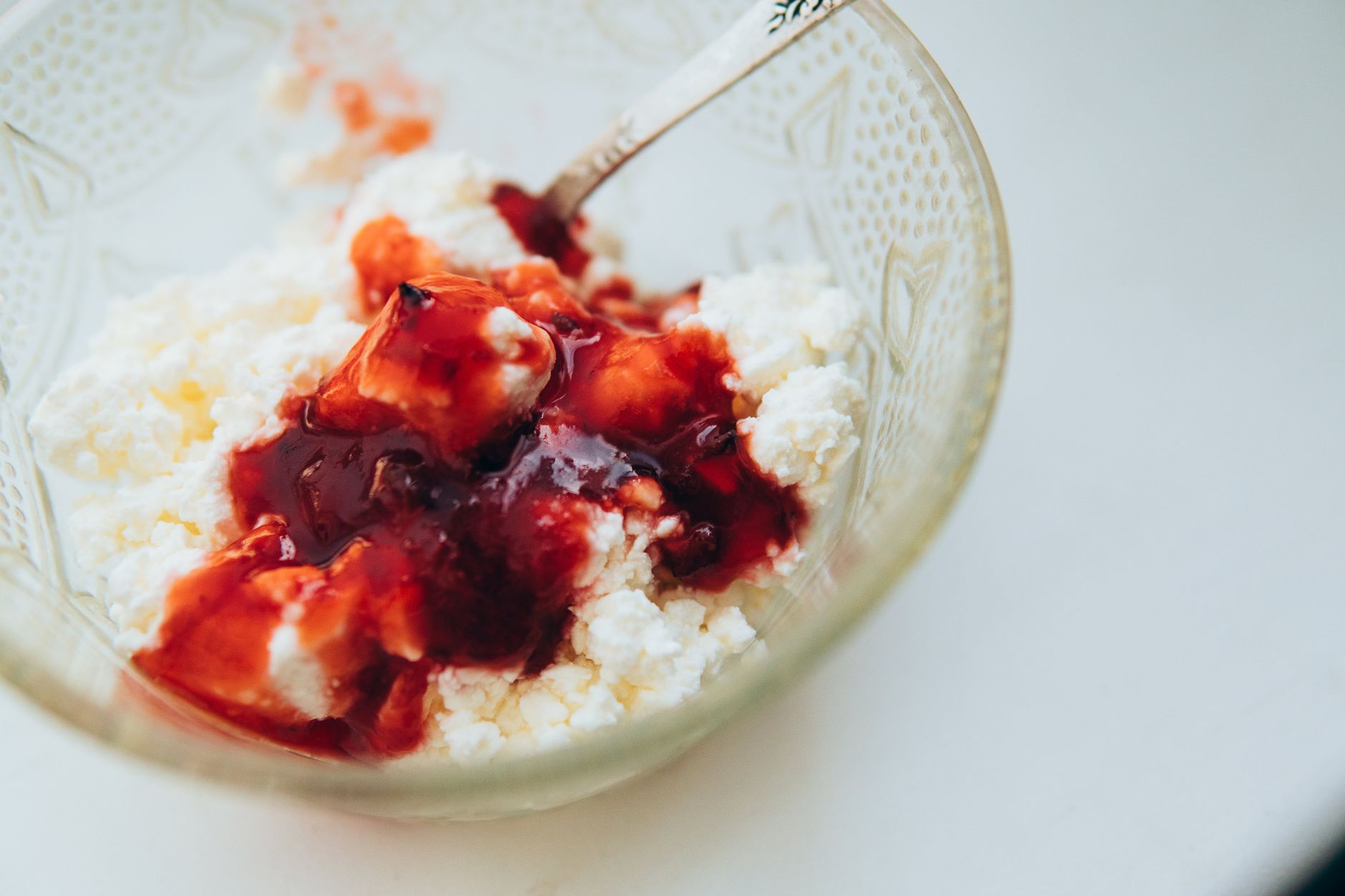
Recipe Ideas
Best Uses for Frozen and Thawed Cottage Cheese
Since freezing alters cottage cheese texture, using it fresh in salads or as a snack isnt ideal. Instead, freeze extra cottage cheese for cooking and blending. It adds a creamy, tangy richness to many dishes:
- Smoothies: Blend thawed cottage cheese with fruits for protein-packed drinks.
- Casseroles and Bakes: Incorporate cottage cheese as a creamy layer in vegetable or pasta bakes.
- Dips and Spreads: Whip thawed cottage cheese with herbs and spices for savory dips.
- Baked Goods: Use in recipes like pancakes or muffins to boost moisture and protein.
Cottage Cheese Pancakes Recipe
| Prep time | Cook time | Total time | Servings | Calories | Diet tags |
|---|---|---|---|---|---|
| 10 minutes | 10 minutes | 20 minutes | 4 | 180 | Halal, Gluten-Free |
- 1 cup thawed cottage cheese
- 3 eggs
- cup oat flour or all-purpose flour
- 1 tsp baking powder
- 1 tbsp honey or sugar (optional)
- Pinch of salt
- Butter or oil for cooking
Steps:
- In a bowl, whisk eggs until smooth.
- Add the cottage cheese and mix well to combine.
- Mix the flour, baking powder, salt, and sweetener in a separate bowl.
- Fold the dry ingredients into the wet cottage cheese mixture until just combined. Do not overmix.
- Heat a non-stick pan over medium heat and add butter or oil.
- Pour cup batter per pancake onto the pan.
- Cook for 3-4 minutes until bubbles form on top, then flip and cook another 3 minutes until golden brown.
- Serve warm with your favorite toppings like fresh fruit or syrup.

Fridge Storage Tips
How to Store Cottage Cheese in the Fridge?
Keep cottage cheese refrigerated at 14C (3439F) in its original sealed container or transfer to an airtight container. For opened containers, consume within 57 days for optimal freshness and taste.
Always use a clean spoon to avoid contamination and reseal tightly after each use. If you notice sour smell, discoloration, or mold, discard immediately.
Other Freezing Options
You might wonder if other high-protein dairy products freeze equally well. Cream cheese freezes better than cottage cheese, maintaining smoother texture though still slightly crumbly after thawing.
Yogurt can be frozen but often separates, making it suitable mostly for cooking or smoothies post-thaw. Milk freezes well but requires shaking after thaw to redistribute fat and liquid evenly.
For more on dairy labels and quality, check out our detailed Milk nutrition label guide.
Pros and Cons
Benefits of Freezing Cottage Cheese
- Extends shelf life by up to 2 months and reduces food waste.
- Allows bulk buying and convenient meal prep with portion sizes.
- Preserves flavor adequately when stored properly.
Drawbacks and Risks
- Texture changesgrainy and watery after thawingmakes it less suitable for direct consumption.
- Potential for freezer burn if packaging is not airtight.
- Some nutrient loss, especially in texture-dependent quality, may occur.

Is frozen cottage cheese still Halal certified?
Cottage cheese that carries Halal certification, such as logos from JAKIM, HMC, or IFANCA, remains Halal after freezing, as freezing does not alter the ingredients or processing that affect certification. Always ensure packaging includes a valid Halal logo to guarantee compliance.
Can freezing ruin the taste of cottage cheese?
Freezing won‘t ruin the taste outright but can affect the texture, making it grainier and watery. The flavor stays mildly tangy and creamy but is less pleasant when eaten fresh. Using thawed cottage cheese in recipes helps mask these changes.
How to prevent cottage cheese from becoming watery after freezing?
You cannot fully prevent water separation after freezing due to ice crystal formation. However, packaging airtight and thawing slowly in the fridge can reduce excess moisture. Stirring well after thawing also helps improve consistency.
Can I refreeze thawed cottage cheese?
Its not recommended to refreeze thawed cottage cheese as repeated freezing and thawing accelerate texture degradation and increase spoilage risk.
Does freezing affect the protein content?
Freezing does not significantly reduce the protein content of cottage cheese. The nutritional value, including protein, remains stable, making it a good ingredient for high-protein recipes after freezing.
Is there a difference between freezing homemade and store-bought cottage cheese?
Homemade cottage cheese can separate more easily because it lacks stabilizers found in many store-bought varieties. Freezing affects both similarly, but packaged commercial cottage cheese may better withstand freezing due to additives.
What to do if frozen cottage cheese smells sour after thawing?
A sour smell indicates spoilage, likely from bacterial growth if it was improperly stored or thawed at unsafe temperatures. Discard cottage cheese immediately if it smells off or shows mold.
Pro Tips
- Most overlooked mistake: Freezing cottage cheese in its original container can trap air and moisture, causing freezer burn. Transfer to airtight containers before freezing.
- Why cheap versions disappoint: Low-quality cottage cheese with additives or higher water content tends to separate more noticeably after freezing.
- Expert tip: Add a pinch of salt or fresh herbs before freezing to improve flavor profile and mask any texture loss when used in recipes.
More You Might Like
If you enjoy dairy-based treats, discover the Best soft serve options with Halal certification for guilt-free indulgence.
For an in-depth understanding of your dairy products, especially when choosing Halal-certified options, check our detailed Milk nutrition label guide to know what to look for.
Conclusion
Freezing cottage cheese can be a smart way to extend its shelf life and reduce waste, especially when bought in bulk. While freezing changes the texture, proper preparation and thawing make it practical for cooking, baking, and smoothies. Next time you shop, consider your storage plan and dont hesitate to freeze your extra cottage cheese. If you have your own freezing tips or favorite recipes, share them in the commentswed love to hear from you.
FAQs
Is freeze cottage cheese actually Halal — what should I check on the label?
Cottage cheese remains Halal after freezing if it originally carried a valid Halal certification from authorities like JAKIM or IFANCA. Always check the packaging for a clear Halal logo before purchase to ensure compliance.
How long does cottage cheese last after opening in the fridge?
Once opened, cottage cheese should be consumed within 5–7 days when kept refrigerated at 3–4°C (37–39°F) to maintain freshness and prevent spoilage.
What is the difference between freezing cottage cheese and cream cheese?
Freezing cream cheese generally results in a smoother texture after thawing compared to cottage cheese, which tends to become grainy and watery due to curd separation.
Is it safe to eat cottage cheese daily, and does freezing affect safety?
Eating cottage cheese daily is safe for most people as part of a balanced diet. Freezing preserves safety by slowing bacterial growth but does not kill bacteria, so proper thawing and storage are essential.
Where can I buy good quality halal cottage cheese suitable for freezing?
Good quality Halal cottage cheese is available at specialty grocery stores, Islamic markets, and reputable online retailers. Look for fresh, well-sealed packaging with clear Halal certification logos.