Whats the donut secret ingredient that gives your favorite treats that perfect balance of tangy and sweet? It isnt just sugar and flour. This one special component transforms ordinary donuts into irresistibly light, fresh, and flavorful delights. For anyone seeking a homemade or Halal-friendly bakery experience that stands out, knowing this secret can make all the difference.
Whether you bake donuts occasionally or want to elevate your daily sweet bread routine, understanding the role of this ingredient can bring gourmet qualityright on your countertop. This article explores the science behind the donut secret ingredient, how to use it properly, and tips for baking that soft, flavorful donut you crave.
What Is The Secret Ingredient?
The Science Behind The Secret Ingredient
The donut secret ingredient many bakers swear by is cultured dairy, most commonly buttermilk. Unlike plain milk, buttermilk is fermented with friendly bacteria, giving it a mild acidity and tang. This acidity reacts with leavening agents like baking soda, creating tiny bubbles that lighten the dough. It also tenderizes the gluten network, resulting in a soft, velvety crumb inside your donut.
Buttermilk or similar cultured dairy products introduce lactic acid, which gently breaks down proteins in the flour. This process improves moisture retention and adds complexity to the flavor, balancing the usually high sweetness with subtle tartness. These combined effects create that delightful melt-in-the-mouth sensation.
In bakery circles, the science is clear: acidity and fermentation contribute to both texture and flavor depth. Claire Saffitz, a respected figure in culinary media, highlights this as her donut secret ingredient. Its the reason many traditional and artisanal donut recipes call for a splash of buttermilk or yogurt instead of plain milk.
Using The Secret Ingredient
How To Incorporate Buttermilk In Donuts
Adding buttermilk is straightforward but requires careful timing and measurement. The best point to incorporate it is during the dough-making stage. Replace the regular milk with an equal amount of buttermilk to benefit from acidity without disrupting the dough structure. Typically, recipes call for about cup buttermilk per 3 cups of flour, but this can be adjusted slightly depending on flour type and humidity.
Using buttermilk in the glaze is also a creative twist but less common. For dough, ensure its at room temperature to combine well with yeast or baking powder. If you dont have buttermilk, credible substitutes include plain yogurt diluted with water or sour cream thinned with milk.
Remember, the acidity activates baking soda, so you might want a teaspoon less to avoid over-leavening. This balance prevents holes or collapsed donuts and keeps your dough smooth enough for shaping and frying or baking.
Common Mistakes To Avoid
- Overuse: Too much buttermilk makes the dough too wet or sour, resulting in dense donuts.
- Ignoring sweetness: Tangy donuts require slight sweetness adjustment; keep sugar balanced so tanginess doesnt overpower.
- Incorrect dough temperature: Cold buttermilk slows yeast activity, affecting rise.
- Substitution without adjustment: Using yogurt or sour cream without thinning makes the dough too thick.
With attention to these details, you ensure your donuts retain that fluffy, tender quality the secret ingredient promises.

Enhancing Your Donut Recipes
Tips From Expert Bakers
Claire Saffitz and other pros emphasize flour choice, yeast quality, and proofing times when using buttermilk. For Halal-certified baking, seek flours and yeast vetted for compliance with regional standards such as JAKIM or HMC.
Use all-purpose flour for a tender texture or cake flour for extra softness. Avoid flours with added bleaching agents if you want the cleanest label. Proof the dough in a warm, draft-free spot for 6090 minutes until doubled in size to allow the buttermilks acid and yeast to work harmoniously.
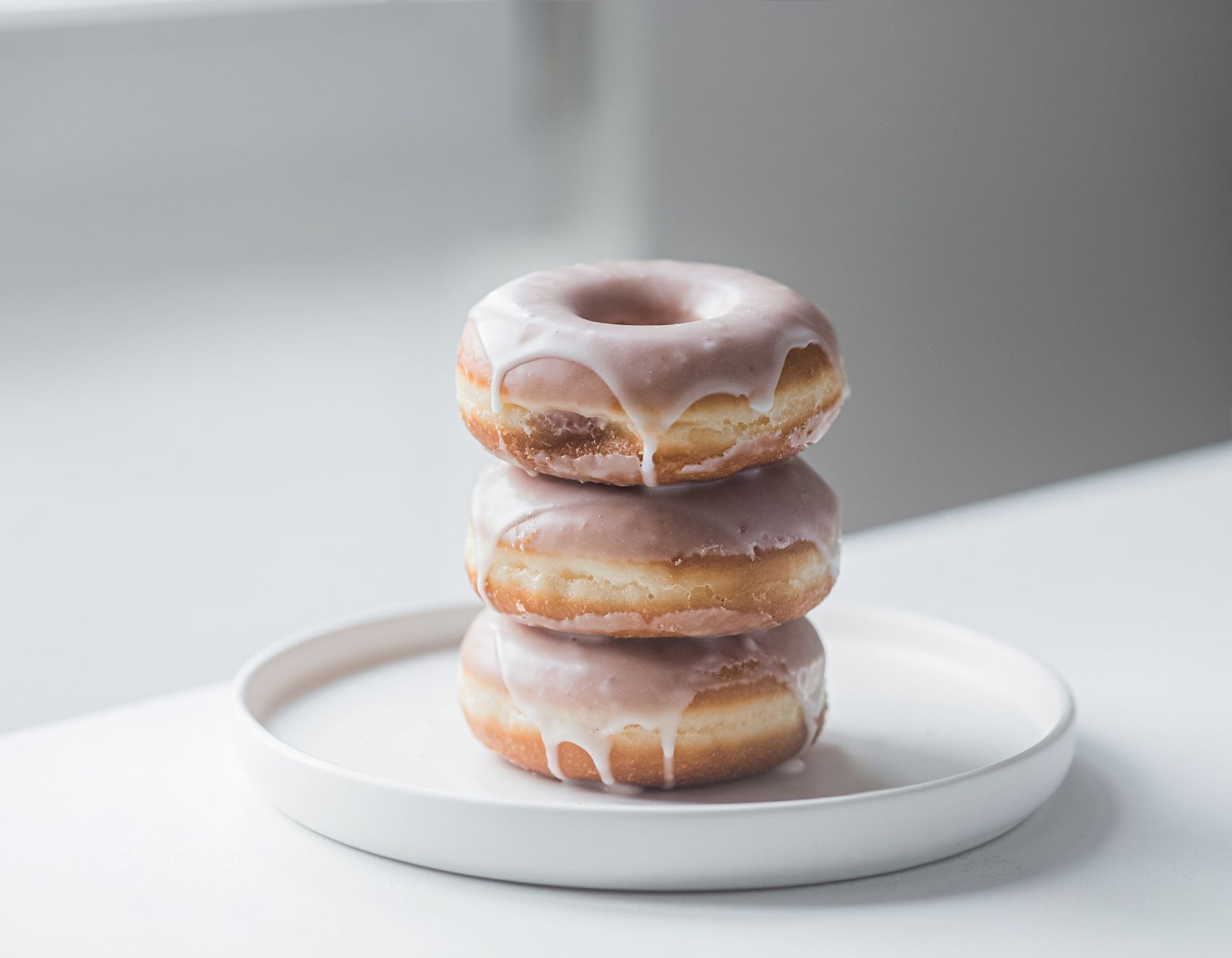
The glaze complements the tang perfectly. A classic vanilla or citrus glazesuch as lemon or orange zestadds brightness. Mixing a little buttermilk into the glaze can enhance richness, while experimenting with spices like cardamom or cinnamon adds warmth.
For inspiration on reliable sources and where to find quality ingredients, you can explore trusted options like Bakery near me or specialty boutiques such as Magnolia bakery for premium Halal-certified bakery goods.
Glaze Variations To Explore
Try these variations to highlight the tangy-sweet profile:
- Citrus Buttermilk Glaze: Combine powdered sugar, fresh lemon juice, a splash of buttermilk, and grated zest.
- Vanilla Yogurt Glaze: Mix Greek yogurt with vanilla extract and honey for a creamy finish.
- Seasonal Fruit Glaze: Use pureed berries or mangoes dissolved in a light sugar glaze for natural fruit tang.
These glazes elevate the simple donut into a visually stunning and vibrant treat without compromising the essential tangy balance.
Benefits and Considerations
Health and Flavor Benefits
Incorporating buttermilk or cultured dairy improves donut freshness. The acidity slows staling, helping donuts stay tender up to 34 days when stored in an airtight container at room temperature, avoiding condensation.
Reducing sugar while adding natural tang creates a less overpowering sweetness, appealing to health-conscious consumers. This aligns well with Halal standards advocating clean, balanced nutrition. Buttermilk also adds calcium and probiotics, though some probiotic benefits diminish during cooking.
Potential Drawbacks
Those with dairy allergies or lactose intolerance must seek alternatives such as cultured coconut or almond milk, but textures vary significantly. The tang flavor might surprise those accustomed to ultra-sweet, neutral donuts. Adjusting sugar levels and trying different glazes helps ease this transition.
Keep in mind, not all Halal certifications include bakery dairy products, so sourcing certified buttermilk or alternatives is vital to respect dietary laws verified by JAKIM, HMC, or IFANCA logos on packaging.

Recipe Card: Classic Buttermilk Donuts
| Prep time | 20 minutes | Cook time | 8 minutes |
|---|---|---|---|
| Total time | 1 hour 30 minutes (including proofing) | Servings | 12 donuts |
| Calories | 220 per donut | Diet tags | Halal, Gluten-Free Alternative possible |
Ingredients
- 3 cups all-purpose flour
- cup buttermilk, room temperature
- 2 tsp baking powder
- tsp baking soda
- cup granulated sugar
- 2 tbsp unsalted butter, melted
- 1 large egg
- tsp salt
- Vegetable oil for frying
- Powdered sugar or glaze of choice
Step-by-Step Instructions
- In a large bowl, whisk together flour, baking powder, baking soda, sugar, and salt.
- In a separate bowl, mix buttermilk, melted butter, and egg until combined.
- Slowly add wet mixture to dry ingredients; stir until just combined. Dough will be soft but not sticky.
- Turn dough onto a floured surface and gently knead 3-4 times to shape into a disc.
- Wrap dough in plastic wrap and refrigerate for 30 minutes to firm up.
- Roll out dough to about inch thickness; cut donuts using a donut cutter or two round cutters.
- Heat oil in a deep fryer or heavy pot to 180C (350F).
- Fry donuts, 2-3 at a time, for 1-2 minutes each side until golden brown.
- Drain on paper towels. Cool slightly, then glaze or dust with powdered sugar.
- Serve warm for best flavor and texture.
Storage Instructions
Store leftover donuts in an airtight container at room temperature for 2-3 days. For longer storage, freeze wrapped donuts for up to 1 month. Thaw at room temperature, then warm in an oven at 150C (300F) for 5 minutes to refresh texture.
Pro Tips
- Keep buttermilk at room temperature for active baking reactions.
- Dont over-knead; overdeveloping gluten causes hardness.
- Adjust sugar slightly if using fruit-flavored glazes.
- Maintain oil temperature rigorously to avoid oily or undercooked donuts.
When is the best time to eat donuts featuring this secret ingredient?
Freshly made donuts with buttermilk are best enjoyed within a few hours of frying, while still warm or at room temperature. The tender, moist crumb and balanced tangy sweetness taste richest then. If stored properly, consuming within 2-3 days preserves texture and flavor well.
Is the donut secret ingredient actually Halal what should I check?
Buttermilk and cultured dairy are generally Halal, but always verify certifications (JAKIM, HMC, IFANCA) on packaging. Avoid dairy processed in facilities also handling non-Halal products without proper segregation, to ensure compliance.
Can I substitute the secret ingredient for non-dairy options?
You can try cultured plant-based milks like coconut yogurt or almond buttermilk substitutes. However, their acidity and texture profiles differ, possibly changing donut softness and taste. Experiment slowly to find a balance.
How does acidity affect yeast activity in donut dough?
Acidity from buttermilk mildly lowers dough pH, which slows yeast fermentation slightly, requiring longer proofing. It also enhances flavor complexity and improves shelf life by reducing spoilage.
Why do some donuts become dense when using cultured dairy?
Too much acidic liquid or overworking the dough can cause dense texture. Balance liquid ratios and avoid excessive kneading to keep donuts airy and tender.
Does the secret ingredient impact frying oil quality?
Buttermilk in the dough does not significantly affect oil lifespan but ensure frying temperature stays consistent to avoid excess oil absorption.
Can I bake these donuts instead of frying?
Yes, baking at 190C (375F) for 1012 minutes yields lighter donuts, though texture differs from fried variety. The secret ingredient still enhances softness and flavor in baked versions.
What to Look For: Halal Buttermilk and Cultured Dairy
| Certification | Price Range | Common Formats | Shelf Life | Key Allergens |
|---|---|---|---|---|
| JAKIM, HMC, IFANCA Logos | $2$5 per 500ml | Liquid cartons, Powdered, Cultured yogurt | 714 days refrigerated (liquid), 6 months powdered | Dairy (milk proteins, lactose) |
Most Overlooked Mistake When Using This Ingredient
Many bakers underestimate dough consistency changes when adding buttermilk. It liquefies dough more than milk, so failing to adjust flour or resting time results in sticky dough hard to shape. Always check dough texture mid-mix and adjust gradually.
Why Cheap Buttermilk Versions Often Disappoint
Lower-quality buttermilk may lack sufficient acidity or contain additives that dull flavor and interaction with leaveners. Opting for fresh, certified products ensures the flavor complexity and lift expected from the secret ingredient.
One Expert Tip To Upgrade Your Donuts
After frying, immediately glaze while donuts are warm and place on a wire rack. This technique locks moisture inside while letting excess glaze drip away, giving a shiny finish and perfect texture contrast.
More You Might Like
If you enjoy exploring bakery secrets, check out this detailed guide on Bakery near me to find trusted Halal-certified bakeries locally.
For inspiration on U.S.-style donuts and cakes with Halal assurance, read about Magnolia bakerys product offerings and brand story.
Conclusion
The donut secret ingredientcultured dairy such as buttermilkbrings a unique tangy sweetness and tender crumb that elevates your baking. Its chemistry balances flavors while keeping donuts fresh longer, perfect for Halal-conscious bakers wanting rich flavors with wholesome ingredients. Next time you shop or bake, consider adding this special component and share your tasty creations with friends or family.
FAQs
When is the best time to eat or drink donut secret ingredient?
Donuts made with the secret ingredient buttermilk are best enjoyed fresh within a few hours of frying while still warm or at room temperature. This timing ensures the tender, moist crumb and balanced tangy sweetness are at their peak flavor and texture. Properly stored donuts remain good for 2-3 days.
Is donut secret ingredient actually Halal — what should I check on the label?
Buttermilk and cultured dairy are generally Halal, but always check for certifications like JAKIM, HMC, or IFANCA logos on packaging. Ensure the dairy is processed in facilities that comply with Halal standards and avoid any cross-contamination with non-Halal products to maintain compliance.
How long does the donut secret ingredient keep donuts fresh after opening?
Incorporating buttermilk extends donut freshness by slowing staling. When stored in an airtight container at room temperature, donuts remain tender for up to 3-4 days. Refrigeration is not recommended as it can dry them out faster.
What makes the donut secret ingredient better than using plain milk?
Unlike plain milk, the secret ingredient buttermilk is cultured and acidic, which reacts with baking soda to produce lift and tenderizes gluten for a softer crumb. It also adds a pleasant tangy flavor, balancing sweetness and enhancing freshness—qualities plain milk lacks.
Where can I buy Halal-certified buttermilk or cultured dairy products?
Halal-certified buttermilk and cultured dairy can be found in specialty supermarkets, halal grocery stores, and online retailers. Look for products bearing recognized Halal certification logos like JAKIM, HMC, or IFANCA to ensure compliance with dietary standards.