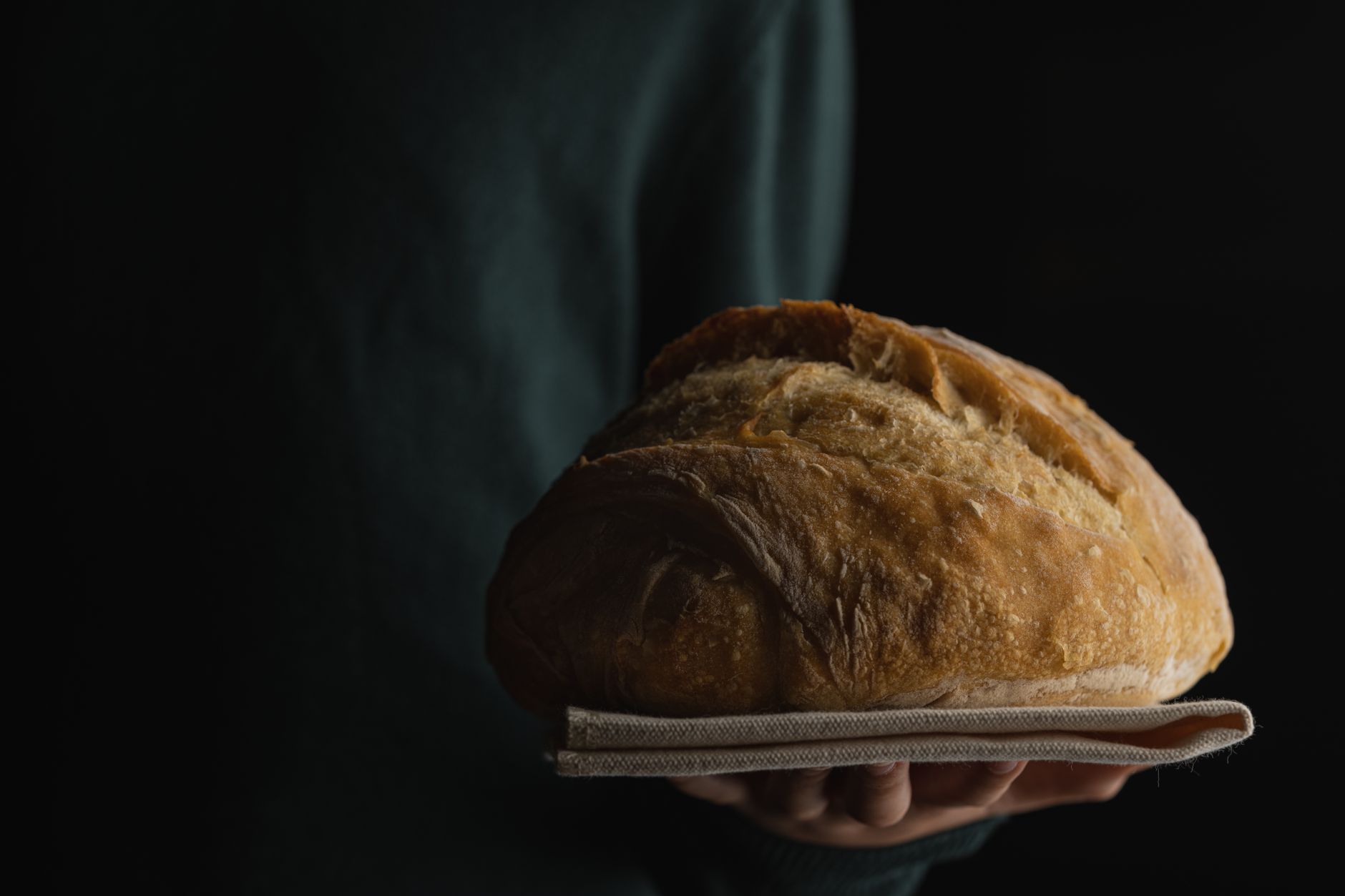
Most households face the same dilemma: a half-loaf of bread sitting on the counter, a bit too hard for sandwiches. Before you toss it, know this. Professional chefs actually prefer stale bread for many classic recipes. Learning how to cleverly use stale bread unlocks a world of texture and flavor. You can stretch your grocery budget and cut down on kitchen waste with just a few simple tricks. Let‘s explore these ten easy, chef-approved methods that give old bread delicious new life.
Why You Should Use Stale Bread Instead of Throwing It Away
What are the benefits of using stale bread in cooking?
Stale bread has a lower moisture content. This means it soaks up custards, broths, and oils better than fresh bread without turning into a mushy paste. It also toasts up crispier. Using leftover bread reduces food waste, which is good for your wallet and the planet.
Are there any risks or safety considerations when using stale bread?
Always check for mold. If you see any green, white, or black spots, throw the whole loaf away. Mold spores spread quickly through porous bread. Also, sniff for any off or sour smells. Stale bread should smell neutral, like dry toast. If it smells funky, it is unsafe to eat.
1. Turn Stale Bread Into Fresh Bread Crumbs
How to make crispy homemade bread crumbs from bread ends and crusts
Tear the bread into chunks. Spread them on a baking sheet. Bake at 150C (300F) for 10-12 minutes until completely dry but not browned. Let cool, then pulse in a food processor until fine. You can season them with garlic powder, dried herbs, or salt. Store in an airtight jar for up to 1 month.
2. Transform Stale Bread Into French Toast Sticks
What makes stale bread ideal for French toast?
Fresh bread gets soggy quickly. Stale bread acts like a firm sponge. It absorbs the egg custard evenly without falling apart. This gives you a creamy interior and a crispy, golden exterior every time.
| Prep time | Cook time | Total time | Servings | Calories | Diet tags |
| 5 mins | 12 mins | 17 mins | 4 | ~280 kcal | Halal, Vegetarian |

Step-by-step instructions:
- Cut the stale bread into thick slices, then into sticks about 2 cm wide.
- Whisk together 2 eggs, 1/2 cup milk, 1 tsp vanilla, and 1 tbsp sugar.
- Dip each stick into the custard for 10 seconds per side.
- Cook on a buttered griddle over medium heat for 3 minutes per side until golden.
3. Bake Bread Pudding or Strata Using Bread Ends
Why stale bread works perfectly in puddings and strata
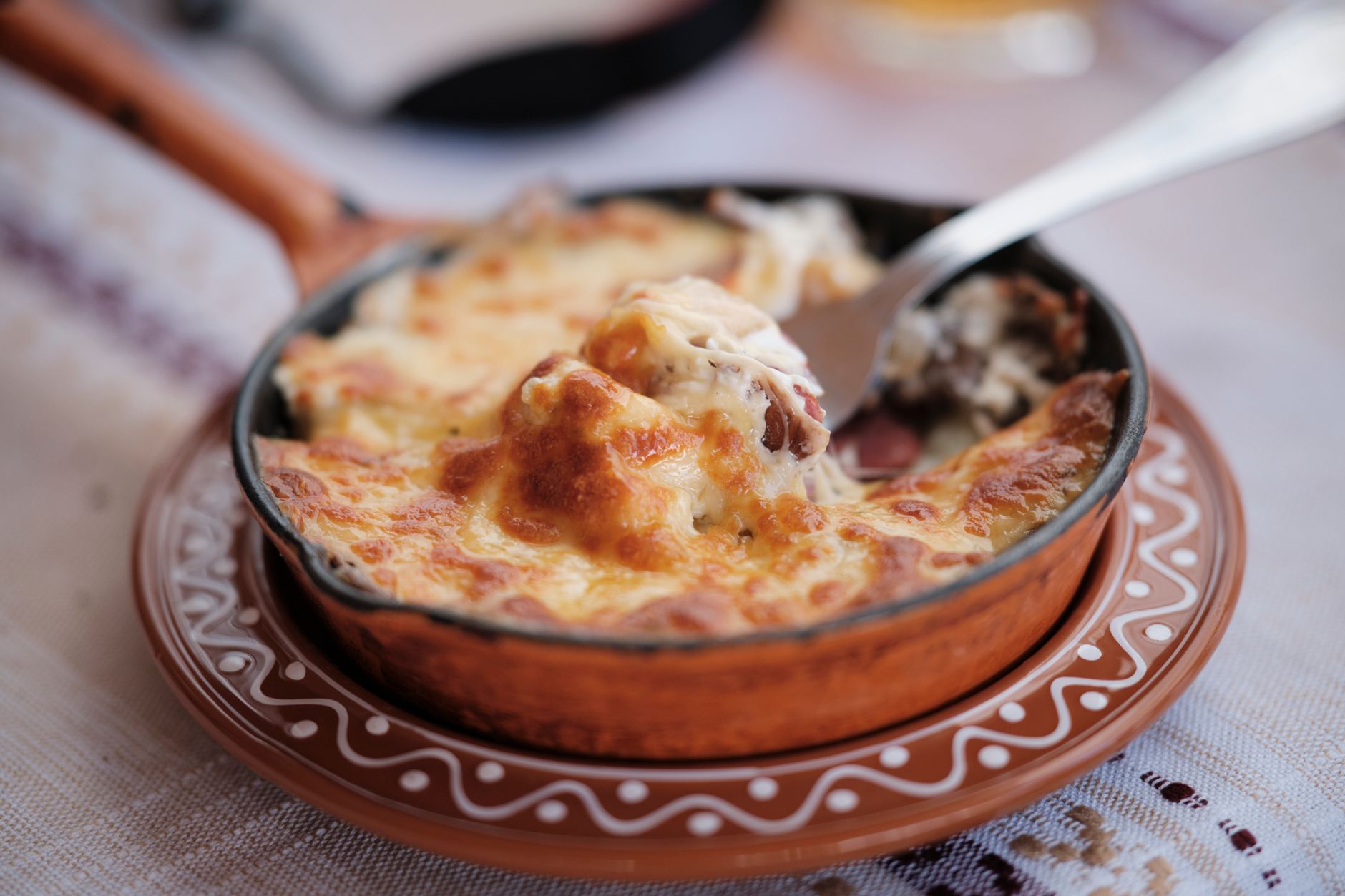
The dry texture allows the bread to soak up a rich custard of eggs, milk, and sugar without disintegrating. For a savory strata, add cheese, spinach, and cooked sausage. Cube the bread and let it sit out for an hour before mixing. Bake at 160C (325F) for 40-45 minutes until the center is set.
4. Make Homemade Croutons From Bread Crusts
Easy steps for flavor-packed croutons
Cube the crusts or leftover bread. Toss with olive oil, salt, pepper, and garlic powder. Spread on a baking sheet in a single layer. Bake at 180C (375F) for 8-10 minutes, stirring halfway through. They stay crisp for up to 2 weeks in a sealed container.
5. Incorporate Stale Bread Into Soups Like Gazpacho and Ribollita
How bread adds body and texture to cold and hot soups
Bread acts as a natural thickener. In gazpacho, it creates a creamy, velvety texture without dairy. In ribollita, it absorbs the broth and vegetables, making the soup hearty and satisfying. Looking for other ways to add flavor? Check out our Cozy corner bakery reviews for inspiration on where to find the best loaves for your kitchen.
6. Use Stale Bread to Thicken Sauces and Stews
When and how to add bread for thickening
Tear a slice of crustless bread into small pieces. Stir it into simmering sauces or stews during the last 10 minutes of cooking. The bread dissolves slightly, thickening the liquid without altering the flavor. This technique works great for tomato sauces and bean stews.
7. Save Bread Ends for Holiday Stuffing and Dressing
The role of stale bread in traditional stuffing recipes
Fresh bread makes stuffing gummy. Stale bread cubes hold their shape and absorb the broth and herbs perfectly. Toast the cubes at 120C (250F) for 15 minutes before mixing with your aromatics and stock. This guarantees a fluffy, flavorful texture.
8. Toss Stale Bread Into a Panzanella Salad
What is panzanella, and why does stale bread work best?
Panzanella is a Tuscan bread salad. Stale bread soaks up the tomato juices and vinaigrette without becoming a soggy mess. It stays chewy and flavorful. Toss 2 cups of cubed stale bread with 4 chopped tomatoes, 1/2 cucumber, red onion, basil, and a simple vinaigrette. Let it sit for 15 minutes before serving.

9. Mix Stale Bread Into a Meatloaf or Meatball Recipe
How bread acts as a binder and flavor enhancer
Soak the stale bread in milk or water until soft. Squeeze out the excess liquid. Mix it into your ground meat with eggs and spices. This keeps the meatloaf or meatballs moist and tender. For a lighter pairing, consider a Substitute lemon juice to brighten up the gravy or sauce served alongside.

10. Use Bread Ends in Breakfast Scrambles or Savory Stratas
Adding texture and soak-up to eggs and cheeses
Cube the bread ends and layer them in a baking dish with eggs, milk, cheese, and veggies. Let it sit overnight in the fridge. Bake at 175C (350F) for 35-40 minutes. This makes an easy, crowd-pleasing breakfast that uses up every last scrap of bread.
Recommended Tips for Using Stale Bread Like a Pro
Storing stale bread effectively for future use
Keep stale bread in a paper bag at room temperature. For long-term storage, slice or cube it and freeze in a zip-top bag. It lasts 2-3 months in the freezer. Use it straight from frozen for toasting or baking into recipes.
Best bread types for different recipes
Hearty sourdough and rustic Italian loaves work best for croutons and panzanella. Soft sandwich bread is excellent for bread pudding and French toast. Baguettes make the best bread crumbs. Avoid heavily flavored breads unless they match the recipe profile.
When is the best time to use stale bread in cooking?
Ideally, use it 2-5 days after baking. At this point, the bread has lost enough moisture to absorb liquids well but hasn‘t started to go bad. This is the sweet spot for French toast, bread pudding, and stuffing.
Can I use frozen bread directly in recipes?
Yes, for croutons and bread crumbs. For French toast or bread pudding, thaw the bread first on a wire rack for 20 minutes. Frozen bread holds more moisture, which can make the final dish soggy if not thawed properly.
How do I make bread crumbs without a food processor?
Place the dried bread in a sturdy zip-top bag. Seal it shut, squeezing out the air. Use a rolling pin or a heavy skillet to crush the bread into fine crumbs. You can also grate stale bread on a box grater for a fluffy texture.
Why does my bread pudding sometimes turn out soggy?
The bread-to-custard ratio is off. Use 4 cups of stale bread cubes to 2 cups of liquid custard. Also, ensure your oven temperature is accurate. Bake at 160C (325F) until the center is just set and the edges are slightly puffed.
What kind of vegetables work best in a savory strata?
Sauted mushrooms, spinach, bell peppers, and zucchini work beautifully. Avoid watery vegetables like raw tomatoes, as they release too much liquid and make the strata soggy. Pre-cook your vegetables to concentrate flavor before adding them.
Can I use gluten-free stale bread for these recipes?
Absolutely. Gluten-free bread dries out faster, making it ideal for bread crumbs and croutons. For French toast and bread pudding, let the gluten-free bread stale for 1-2 days for the best texture. It absorbs custard beautifully.
How do I re-crisp leftover croutons?
Spread the croutons on a baking sheet. Warm them in a 150C (300F) oven for 3-5 minutes. Let them cool completely before storing. This will restore their crunch without burning them.
Pro Tips for Perfect Results Every Time
Expert Upgrade: For restaurant-quality bread crumbs, toast the bread with a drizzle of olive oil and a pinch of salt before grinding. This adds a layer of savory flavor that plain dried bread lacks.
Common Error: Don‘t overcrowd the pan when making French toast or croutons. Overcrowding traps steam, which makes the bread soggy instead of crispy. Cook in batches if needed.
Texture Balance: When making stuffing, use a mix of stale white bread and cornbread. This gives you a soft, fluffy texture from the white bread and a crumbly, slightly sweet texture from the cornbread.
Conclusion
Mastering how to use stale bread is a simple skill that transforms your cooking. Instead of waste, you get crispy croutons, creamy bread pudding, and hearty stuffing. These chef-approved methods save money and elevate everyday meals. Next time you see a dry loaf on your counter, don‘t reach for the trash. Try one of these ten strategies and enjoy the delicious results. Leave a comment below to share your favorite way to revive old bread.
FAQs
When is the best time to use stale bread in cooking?
The ideal time is 2 to 5 days after baking. At this point, the bread has lost enough moisture to absorb liquids well but hasn't started to spoil. This is the sweet spot for French toast, bread pudding, and stuffing.
How long can you store stale bread for future use?
Keep stale bread in a paper bag at room temperature for a few days. For longer storage, slice or cube it and freeze in a zip-top bag. It will last 2-3 months in the freezer. Use it straight from frozen for toasting or baking.
What is the difference between using stale bread and fresh bread in recipes?
Stale bread has lower moisture content, so it soaks up custards, broths, and oils better without turning mushy. Fresh bread tends to get soggy quickly. Stale bread also toasts up crispier, making it ideal for croutons and bread crumbs.
How can I tell if stale bread is safe to eat?
Always check for mold – green, white, or black spots mean throw it away. Also sniff for any off or sour smells. Safe stale bread smells neutral, like dry toast. If it smells funky, do not eat it. When in doubt, discard.
Can I use frozen stale bread directly in recipes?
Yes, for croutons and bread crumbs you can use it straight from frozen. For French toast or bread pudding, thaw the bread first on a wire rack for 20 minutes. Frozen bread holds more moisture, so thawing prevents sogginess.