If you think all bagels are created equal, think again. Jerusalem bagels unique qualities make them stand out from the everyday bagel found in most bakeries. Their distinctive shape, texture, and baking method deliver a different experience altogether. For those who appreciate authentic Middle Eastern bread or want to explore diverse Halal-certified bakery options, Jerusalem bagels are a treat worth knowing about.
Unique Characteristics
What is the texture and shape of Jerusalem bagels?
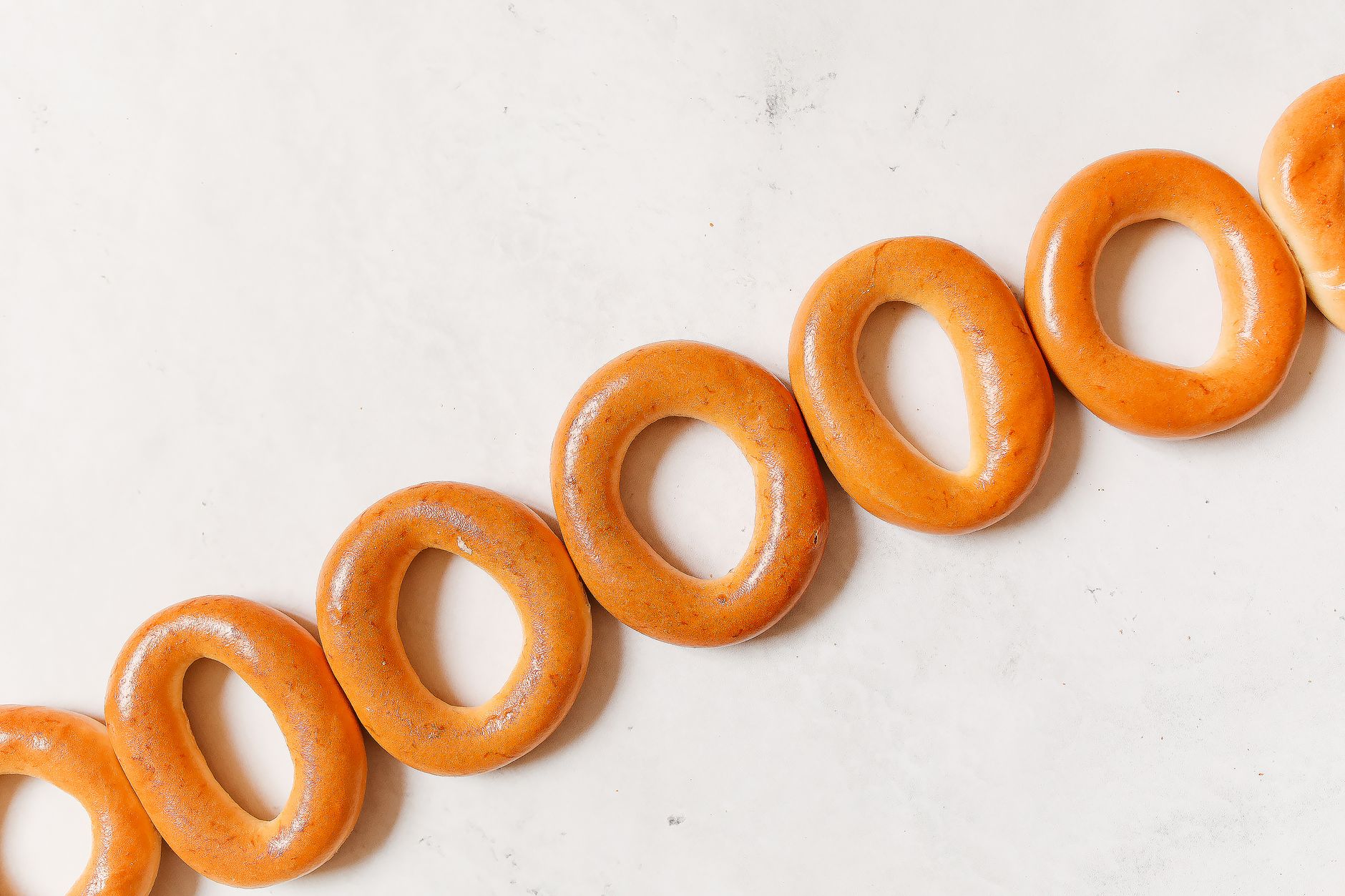
Jerusalem bagels are instantly recognizable by their long, oval ring shapeunlike the typical round shape of American bagels. Their crust is golden-brown and slightly crunchy while the inside remains soft and airy, not dense or chewy like the boiled bagel varieties you might expect.
This contrast in texture comes from the baking approach, which creates a crusty exterior with a tender crumb. The bagels shape also makes it easier to tear and share, a common feature in Middle Eastern markets and street food culture.
How does the baking method influence their uniqueness?
Unlike American bagels, which are boiled before baking, Jerusalem bagels are baked directly in very hot ovensoften on stones or metal trays. This direct baking method enhances the crisp crust while keeping the interior moist and tender.
Traditionally, these bagels are baked in outdoor ovens or wood-fired stone ovens, which impart a faint smokiness and deep flavor complexity. The lack of boiling means Jerusalem bagels skip the dense chewy bite but gain a more bread-like softness, making them ideal for sandwiches or dipping.
What ingredients are traditionally used in Jerusalem bagels?
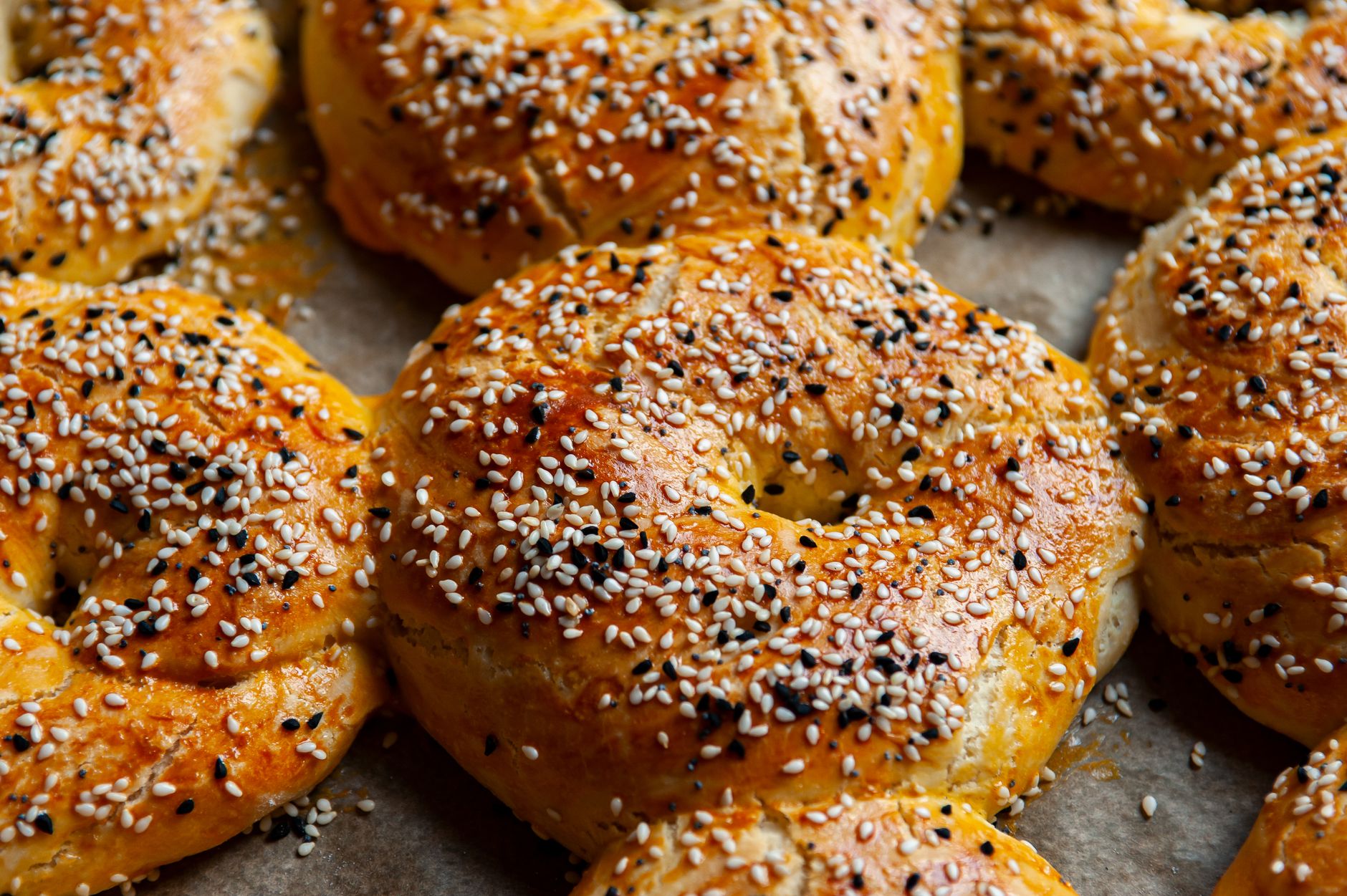
Jerusalem bagels usually consist of simple ingredients: wheat flour, water, yeast, sugar or honey, salt, and sesame seeds sprinkled on top. This clean ingredient list emphasizes natural flavors and texturesthe sesame seeds add a toasted nuttiness complementing the breads mildness.
Unlike some Western bagels enriched with malt syrup or heavy oil, Jerusalem bagels keep it simple and wholesome. The subtle sweetness, often from a touch of honey or sugar, helps enhance the golden crust color and flavor depth.
Bagel Differences
How do Jerusalem bagels differ in recipe and preparation from American bagels?
Jerusalem bagels unique recipe calls for shaping the dough into a long oval ring, then letting it rise outdoors, often in the open air or sunlight. This sun-drying step firms the doughs surface before baking, an unusual step absent in American bagel prep.
American bagels undergo boiling in malt syrup water for about one minute per side before baking. This boiling gelatinizes the starch, resulting in a dense, chewy, shiny crust. Jerusalem bagels skip boiling entirely and instead rely on a thorough bake at very high heat (~450F / 232C) for around 20 minutes to develop their crust.
This difference in process affects both texture and taste dramatically. While American bagels feel chewy and hefty, Jerusalem bagels offer a lighter crumb with a crisp exterior.
Pro tip: If you want to try baking Jerusalem bagels at home, remember the drying step. Leaving the shaped dough in a dry area for 3060 minutes before baking helps achieve the signature crust and texture.
Taste and texture comparison: Which one should you pick?
The choice between Jerusalem and American bagels depends on what you want from your bread. If you prefer a lighter, airier bread with a crunchy shell and a subtle nutty flavor, Jerusalem bagels are ideal. They pair wonderfully with savory spreads like hummus or zaatar.
On the other hand, if you enjoy a denser, chewy bread capable of holding robust cream cheese and smoked salmon, American bagels win. Either way, the distinct experiences both offer are worth trying.
The mild sweetness of Jerusalem bagels makes them a versatile choice for Halal-conscious consumers seeking authentic bakery options without heavy fats or additives. Their simpler ingredients align well with clean-label preferences.
Make Jerusalem Bagels
| Prep time | Cook time | Total time | Servings | Calories (approx.) | Diet tags |
|---|---|---|---|---|---|
| 15 minutes | 20 minutes | 2 hours 35 minutes (includes rising) | 8 bagels | 270 per bagel | Halal, Vegetarian |
What are the step-by-step instructions to make authentic Jerusalem bagels?
Heres a simple but traditional way to make Jerusalem bagels at home.
- Step 1: In a large bowl, mix 4 cups of all-purpose wheat flour with 2 teaspoons dry yeast, 1 tablespoon sugar or honey, and 1 teaspoon salt.
- Step 2: Gradually add 1 cups warm water (around 110F / 43C) and knead the dough until smooth and elastic, about 8 to 10 minutes.
- Step 3: Cover the dough and let it rise for 1 to 1.5 hours until doubled in size.
- Step 4: Punch down the dough and divide it into 8 equal portions. Roll each into a 12-inch long rope and connect the ends to form an elongated ring.
- Step 5: Place the shaped bagels on a baking sheet lined with parchment (or look into whether wax paper is oven safe for your baking method). Let them rest and dry uncovered for 3045 minutes in a dry spot.
- Step 6: Brush the bagels lightly with water and sprinkle generously with sesame seeds.
- Step 7: Preheat the oven to 450F (232C). Bake the bagels for 15 to 20 minutes or until golden brown and crisp.
- Step 8: Cool on wire racks before serving.
Tips and tricks from experienced bakers
- Use bread flour if available for better gluten development and chew.
- If you dont have a very hot oven, increase baking time slightly and watch carefully to avoid burning.
- Dont skip the resting/drying step before bakingits crucial for achieving the classic crust.
- Adding a little honey in the dough promotes caramelization and the bagels golden color.
What are common mistakes to avoid when making Jerusalem bagels?
Common pitfalls include over-kneading, which results in tough bread, or underproofing dough, which can cause dense texture. Avoid skipping the drying step, as it reduces crustiness. Also, beware of baking at too low a temperaturethis makes bagels pale and soft instead of crisp and golden.
Serving Suggestions
What are traditional toppings and accompaniments?
Sesame seeds are classic on top of Jerusalem bagels. Additionally, its common to sprinkle zaatara fragrant mix of thyme, sesame, and sumacfor extra flavor. Many enjoy these bagels fresh, served with olive oil, labneh (strained yogurt), or savory spreads like hummus and baba ganoush.
Because of their soft texture, theyre excellent for open sandwiches loaded with fresh vegetables, olives, or Middle Eastern cheeses. The lightly sweet flavor pairs well with ricotta and honey for a sweeter touch too.
How to store and reheat Jerusalem bagels for best taste?
Keep Jerusalem bagels in an airtight container at room temperature for up to 3 days. For longer storage, freeze them in sealed bags; they last well up to 3 months frozen.
To reheat, warm the bagels in a preheated oven at 350F (175C) for 57 minutesthis refreshes the crisp crust without drying out the inside. Avoid microwaving, which tends to leave them rubbery.
Is Jerusalem bagels actually Halal what should I check?
Jerusalem bagels are generally Halal by nature, as they are bread products with simple ingredients. However, to ensure complete Halal compliance, check for certification like JAKIM, HMC, or IFANCA logos on packaged products. These bodies verify the entire production process meets Islamic dietary laws.
When is the best time to eat Jerusalem bagels?
Jerusalem bagels are versatile and delicious any time of day. Morning breakfast or snack time are popular, often accompanied by tea or coffee. Their light texture also makes them great for lunchtime sandwiches or afternoon snacks with savory dips.
What makes Jerusalem bagels healthier than commercial bagels?
Due to fewer additives, less sugar, and lack of preservatives, Jerusalem bagels typically have a cleaner ingredient profile. They usually dont include malt syrup or oils common in commercial bagels, making them a better Halal and health-conscious choice for mindful bakers.
Can I use alternative flours for Jerusalem bagels?
While traditional recipes call for wheat flour, you can experiment with whole wheat or spelt flour to increase fiber content. Just expect denser results and adjust water content accordingly. Gluten-free versions are challenging but possible with skillful flour blends.
How can I tell if my Jerusalem bagels are fresh?
Fresh Jerusalem bagels have a crisp, golden crust and a soft but elastic crumb inside. They smell mildly sweet and nutty from the sesame seeds. If the bagels feel hard or stale, they‘ve likely been stored too long or improperly.
Are Jerusalem bagels suitable for gluten-free diets?
Traditional Jerusalem bagels are made from wheat flour and contain gluten, so they are not suitable for gluten-free diets unless special alternative flours are used. Always check labels and certifications if buying pre-packaged Halal-certified gluten-free options.
What is the most overlooked mistake when trying Jerusalem bagels at home?
Many overlook the drying/resting step after shaping the bagels, which is key for the crust. Skipping this step results in a soft, doughy crust rather than the signature crunchy exterior. Also, many bake at too low temperatures, which impacts texture and color.
What expert tip improves Jerusalem bagel flavor?
Adding a small amount of honey or sugar enhances crust caramelization and flavor depth. Also, baking on a stone surface or preheated tray helps mimic traditional oven conditions for the perfect crunchy crust.
For more delicious bakery ideas and tips on keeping your ingredients fresh and Halal-certified, check out the Corner bakery menu, perfect if you want inspiration for pairing your Jerusalem bagels.
Enjoy Jerusalem Bagels Every Day
Jerusalem bagels unique featuresfrom their elongated shape to the direct baking techniquemake them a delightful alternative for those looking to explore authentic Middle Eastern breads. With their crunchy crust and soft crumb, plus simple wholesome ingredients, they offer a perfect balance of texture and taste for Halal and health-conscious eaters alike.
Next time you see Jerusalem bagels at a bakery or decide to bake your own, notice these special qualities. Share your experience or favorite ways to enjoy them with fellow food lovers. Your palate will thank you for trying something this deliciously different.
FAQs
When is the best time to eat or drink Jerusalem bagels unique?
Jerusalem bagels are versatile and delicious any time of day, ideal for breakfast, snacks, or lunch. They pair well with tea or coffee in the morning and make excellent open sandwiches or dips throughout the day.
How long do Jerusalem bagels stay fresh after opening?
Store Jerusalem bagels in an airtight container at room temperature for up to three days. For longer storage, freeze them in sealed bags where they can last up to three months without losing quality.
What are the main differences between Jerusalem bagels and American bagels?
Jerusalem bagels are baked directly without boiling, have a long oval shape, and a lighter, airier crumb with a crunchy crust. American bagels are boiled then baked, round shaped, denser, and chewier with a shiny crust.
Are Jerusalem bagels safe to eat daily for a healthy diet?
Yes, Jerusalem bagels have a simple, clean ingredient list with fewer additives and less sugar, making them a healthier, Halal-friendly choice suitable for regular consumption when enjoyed in moderation.
Where can I buy authentic Jerusalem bagels with Halal certification?
Look for specialty Middle Eastern bakeries, Halal-certified stores, or online markets that display trusted certifications like JAKIM, HMC, or IFANCA to ensure authenticity and compliance with dietary laws.