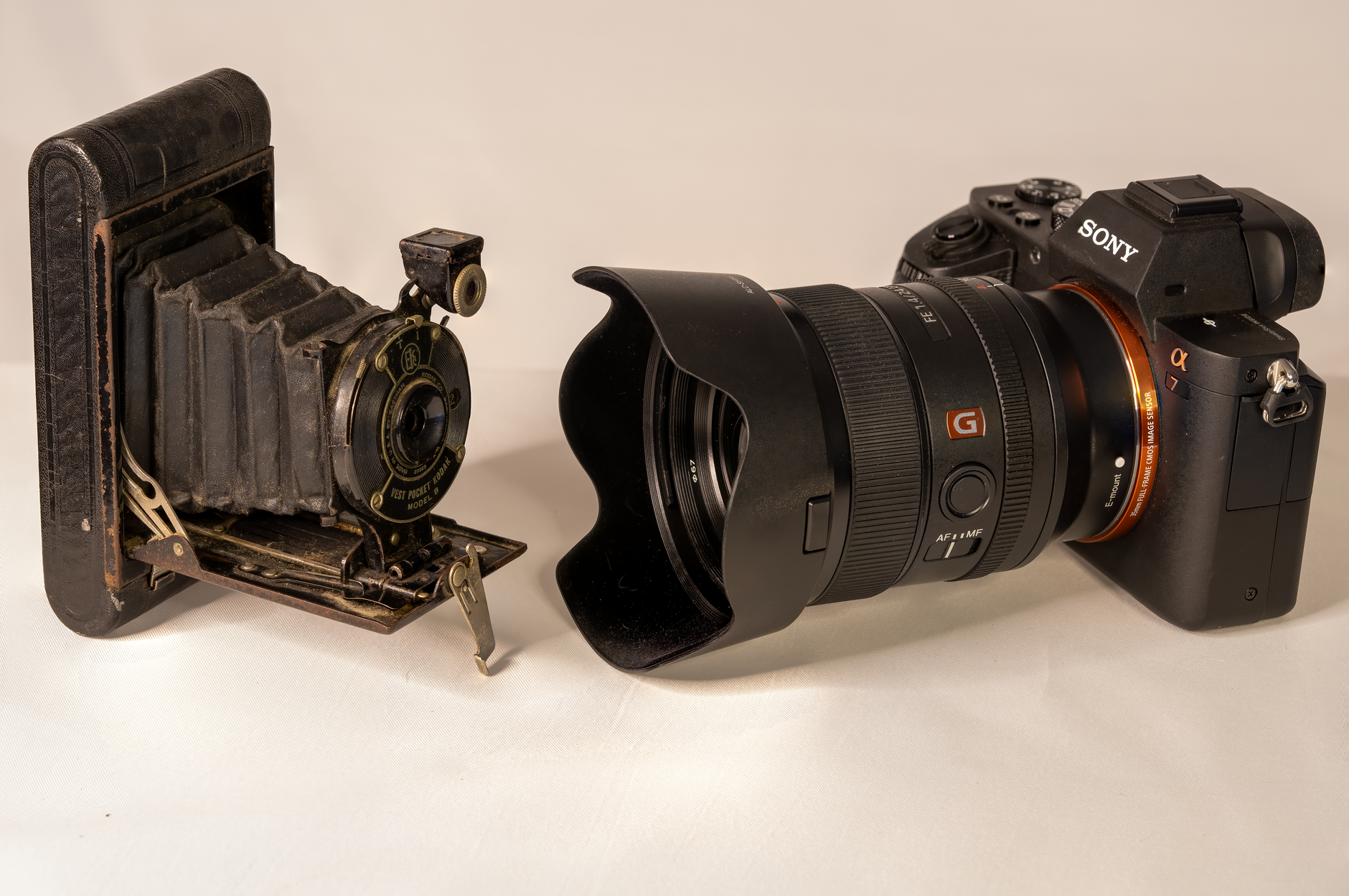
When it comes to collectible items, especially in the food and beverage world such as kitchenware or glassware, you might hear both vintage and antique thrown around. But what exactly sets vintage apart from antique? Simply put, antiques are generally items that are 100 years old or more, while vintage refers to those ranging roughly from 20 to 99 years old. Yet, this isnt a hard and fast rule, and knowing these nuances helps you appreciate, value, and even purchase items wisely. Lets explore the vintage vs antique question with clear definitions, examples, and practical tips.
Defining Antique and Vintage
What Does Antique Mean?
Antique traditionally means any item that is at least 100 years old, verified by experts and collectors alike. For food and beverage collectors, antiques could include a porcelain tea set from the Victorian era or a hand-blown glass decanter from the early 1900s. These pieces often show characteristics reflecting the craftsmanship and styles of their periodslike intricate floral patterns popular in Art Nouveau or the elegant cut glass from the Edwardian period.
Authorities such as museum curators and certified appraisers agree on these age criteria, which help keep antiques distinct from newer collectibles. The provenance or documented history of an item also plays a role in authenticating antiques and establishing their true age. When you see a label marking circa 1890, thats often a hint youre dealing with an antique piece.
What Is Vintage?
Vintage typically refers to items made between 20 and 99 years agothink mid-century glassware that dates from the 1940s to the 1980s. This range includes an exciting variety of styles influenced by post-WWII design trends, such as colorful depression glass or boldly patterned ceramics from the 1970s. The charm of vintage pieces lies in their nostalgic appeal and the shift from purely hand-crafted to partially machine-made items.
Collectors and sellers use vintage to describe well-preserved or classic examples of a certain eras style. For instance, a funky green glass pitcher from 1965 might be vintage, distinguished by typical production methods from that time and recognizable branding. Glassware historians often provide timelines plotting styles within this vintage bracket, which helps enthusiasts trace and verify their finds.
Vintage vs Antique Key Differences to Know
Age and Historical Context
The most obvious difference is age. Antiques have crossed the century mark100 years or more. Vintage items cover a period shorter than that but are still old enough to have distinct stylistic traits from recent decades. To make this clearer, imagine a timeline:
- Antique: Generally pre-1924
- Vintage: Circa 1924 to 2004
Historical events affected materials and manufacturing methods. For example, during World War II, glassware production slowed, and designs became simpler. Post-war booming economies brought vibrant, playful styles. Recognizing these eras helps collectors place items correctly.
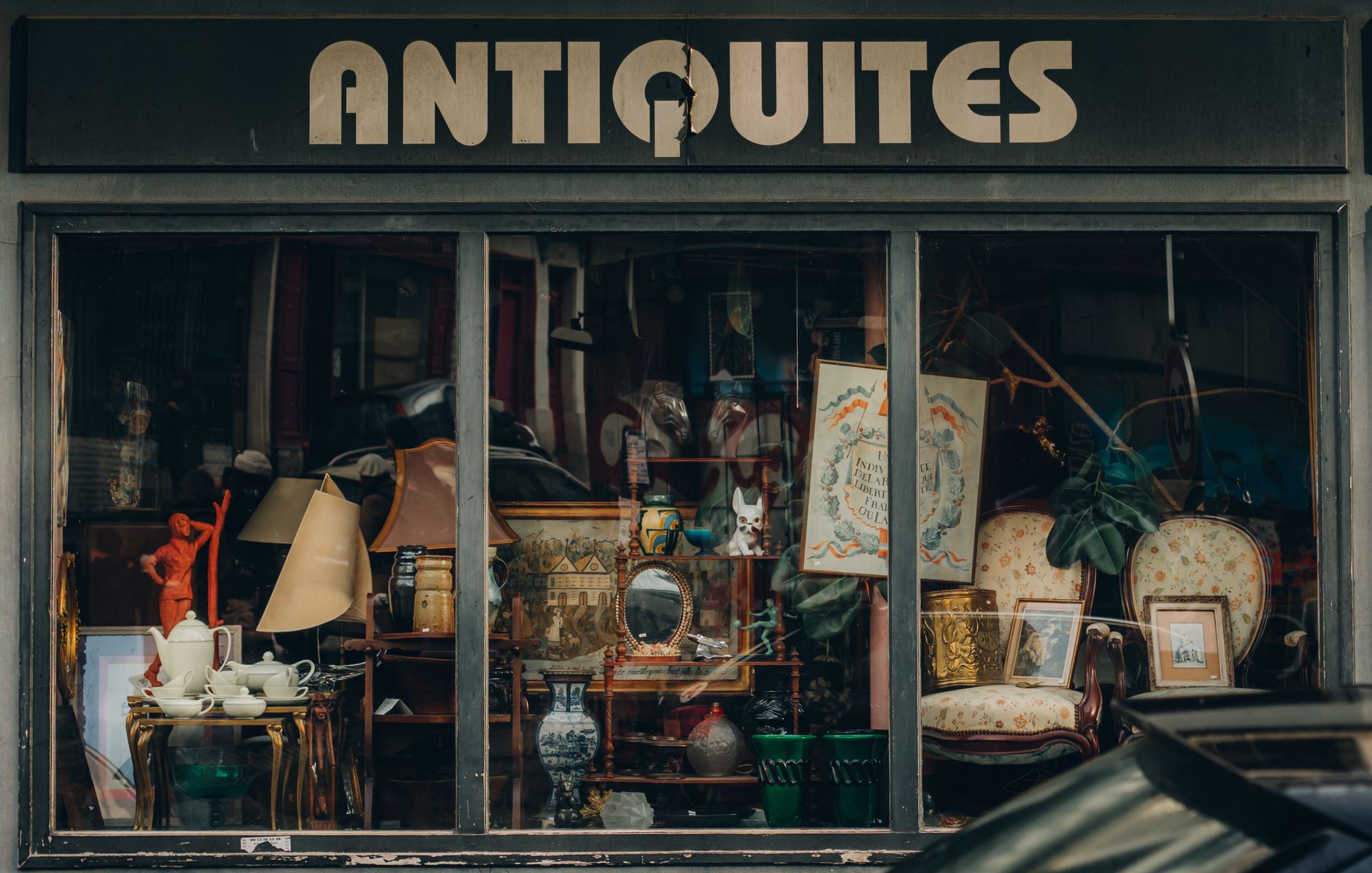
Design, Materials, and Craftsmanship Comparison
Antique pieces often showcase meticulous hand craftsmanship. For example, antique cut glass bowls have sharp, clean cuts and weighty feel from older artisans who worked with molten glass directly. Materials were mostly natural and colors restrained, reflecting the technical limits or fashions of the time.
Vintage glassware starts to show more variety in colors, shapes, and production techniques. Machine-pressed glass, often less heavy but with bold colors like amber or jadeite, became common. Patterns might reflect modern or mid-century aesthetics. The use of plastics or synthetic materials in some vintage accessories also marks a departure from full antique craftsmanship.
How to Authenticate Vintage and Antique Items
Spotting genuine vintage or antique glassware means looking for key signs. Makers marks or signatures etched or embossed into the base can confirm origin and date. For instance, brands like Fenton, Murano, or Lalique often incorporated marks that collectors recognize.
Beyond marks, examine wear patterns, such as slight scratches on the base or natural patinathese signal authentic age rather than artificial distress. Be cautious of reproductions or mislabeled items. An expert appraiser or trusted reference guides can help verify any doubts.
Collectors sometimes mistake a 40-year-old vintage piece for an antique, so confirming age through reliable provenance, like dated catalogs or manufacturer records, is vital.
Understanding Value Antique vs Vintage Value Factors
What Impacts Antique Value?
Antiques typically command value based on rarity and condition. An ornamental glass decanter from 1890 in perfect condition easily outshines a chipped one. Provenance adds value; owning a piece once displayed in a renowned collection boosts appeal. Brand recognition is important too19th-century cut glass by makers like Baccarat or Waterford enjoys premium appraisal.
Factors Influencing Vintage Value
Vintage items value is often driven by current market trends. Mid-century modern glassware can be extremely popular, pushing prices up. Limited editions or items from well-known producers like Murano or Fenton fetch better prices. Condition remains key: chips, cracks, or fading lower value.
Comparing Antique vs Vintage Value
While antiques usually hold higher inherent value because of age and rarity, select vintage items can be equally prized. A rare 1960s Murano glass piece may surpass a common antique in price due to demand and aesthetic appeal. Long-term value depends on trends, so mixing vintage and antique pieces in a collection offers balance.
| Factor | Antique | Vintage |
|---|---|---|
| Age Range | 100+ years | 2099 years |
| Typical Brands | Baccarat, Waterford, Lalique | Fenton, Murano, Anchor Hocking |
| Manufacturing | Hand-blown, hand-cut | Machine-made, semi-handcrafted |
| Common Colors | Clear, soft pastels | Bright, bold colors |
| Value Influencers | Rarity, provenance, condition | Style popularity, brand, condition |
Collecting Tips for Vintage and Antique Pieces
Where to Find Authentic Pieces
Reliable sources matter. Estate sales and specialized auctions often yield genuine antiques. Thrift stores and flea markets surprise collectors with vintage finds. Online marketplaces expand options but require caution; always check seller reputation. Trusted dealers usually offer certificates or guarantees of authenticity.
Beware of mislabelssome sellers call new glassware vintage to increase appeal. Asking for detailed images and maker marks helps avoid disappointment.
How to Care for Glassware
Proper care preserves both beauty and value. Wash glass by hand in lukewarm water using mild soap, avoiding abrasive materials. Store items upright with padding to prevent chips. Avoid direct sunlight or drastic temperature changes to prevent fading or stress cracks.
Using gentle microfiber cloths helps maintain clarity and shine without damage.
Building a Balanced Collection
Mixing vintage and antique glassware creates a dynamic collection with rich stories. Understanding your preference helpswhether you want the elegance of antiques or the vibrant personality of vintage pieces. Both types enrich your home and give context to the history of food and beverage culture.

Essential Tools and Resources
- Reference books specializing in glassware history
- Local collector clubs and meetups for sharing knowledge
- Online forums with authentication guides and user experiences
- Professional appraisers for valuation and certification
If you want to learn more about how modern food trends affect our choices, check out this insightful article on Ultra processed foods.
Is vintage vs antique classification important for kitchenware collections?
Yes, knowing the classification helps determine care methods, value, and authenticity. For example, antique ceramic plates must be handled differently than mid-century vintage ones due to fragility and glaze composition. It also affects insurance and resale considerations.
Is Vintage the same as Retro?
Not exactly. Vintage specifically refers to original items created within a past era. Retro describes new products designed to mimic older styles. This distinction is useful in knowing what you really own.
How to identify makers marks on glassware?
Look on the base or underside for etched symbols, signatures, or impressed logos. Sometimes marks appear in faint cursive or stamped letters. Specialized books or online databases list known marks by era and region.
Can Halal certification apply to collectible food-related containers?
While old glassware itself doesnt require Halal certification, any product stored inside must comply with Halal standards. Using containers verified as contaminant-free by JAKIM or IFANCA ensures your storage is clean and compliant.
How to price antique and vintage glassware?
Pricing depends on brand, rarity, condition, and current demand. Use auction records and dealer catalogs for reference prices. Avoid overpaying for common or damaged pieces.
Are there common pitfalls in purchasing vintage or antique pieces?
Yes, buying without verification can lead to fakes or restorations. Also, incorrect labeling or inflated prices happen frequently. Always ask detailed questions and request documentation where possible.
What are some signs a glassware piece is not antique but a reproduction?
Reproductions often lack authentic wear marks, have modern machine finishes, or use incorrect colors/styles for the claimed era. Seller honesty and matching provenance details help spot fakes.
More You Might Like
Discover the unique story behind the Chuck e. cheese band and how food entertainment blends with culture.
Explore our detailed tips on choosing Halal-certified snacks to keep your collection deliciously compliant and safe.
Conclusion
Whether you‘re sorting through vintage vs antique glassware, understanding the difference is key to appreciating their history and value. Antiques are 100 years or older, while vintage pieces carry mid-century charm and character. Both have their place in a meaningful collection. Next time you browse for glassware or kitchen dcor, remember to check labels, makers marks, and ask questions. Share your finds or storiesyour collection journey starts now!
FAQs
Is Vintage vs Antique actually Halal — what should I check on the label?
Vintage and antique items themselves don’t require Halal certification. However, if you use food-related containers, ensure they’re free from contaminants and check for certifications like JAKIM or IFANCA on any stored food. Look for cleanliness and no non-Halal residues to maintain compliance.
What is the main difference between vintage and antique collectibles?
Antiques are generally items 100 years or older, while vintage refers to items about 20 to 99 years old. Age, craftsmanship, and manufacturing methods differ, influencing their style, value, and authenticity.
How should I care for vintage and antique glassware to preserve value?
Hand wash with mild soap in lukewarm water, avoid abrasive materials, and store upright with padding. Keep out of direct sunlight and sudden temperature changes to prevent damage or fading.
Where is the best place to buy authentic vintage and antique items?
Estate sales, specialized auctions, and reputable dealers are reliable sources. Online marketplaces can be useful but verify seller reputation and request maker marks or certificates to avoid fakes.
How can I tell if a vintage or antique piece is genuine?
Check for makers marks, wear patterns like natural patina or scratches, and provenance documentation. Avoid pieces with inconsistent colors or modern machine finishes that don’t match the claimed age.