If you crave authentic Japanese flavors in the heart of the city, New Yorks vibrant culinary scene offers plenty of options. From delicate sushi and rich ramen bowls to casual izakayas serving small plates, Japanese restaurants NYC bring a taste of Japan right to your neighborhood. Whether youre seeking a refined omakase experience or comforting noodles after a long day, the citys diverse spots deliver quality and authenticity. Lets explore what makes these restaurants stand out and where to find the very best.
Authenticity in Japanese Restaurants
How to Recognize Authentic Japanese Food in NYC?
Authenticity means preserving the essence of Japanese cuisine, from ingredient quality to traditional cooking methods. Many top NYC restaurants employ chefs trained in Japan or who have mastered skills such as knife work and rice preparation there. Look for menus featuring classic regional dishes, proper sushi rice seasoning, and genuine broths for ramen. Key signals also include sourcing fresh fish from Japanese markets and using Japanese soy sauce, miso, or sake. Authentic restaurants tend to avoid unnecessary Western twists, focusing instead on faithful execution.
According to reputable culinary experts, the hallmark of authenticity is respect for simplicity and seasonality techniques that highlight natural flavors rather than mask them.
Why Authenticity Matters in Japanese Cuisine
Eating authentic Japanese food isnt just about flavor its about experiencing culture through cuisine. Traditional dishes are crafted to balance taste, texture, and presentation, often with centuries of history behind them. Authentic spots offer a glimpse into Japans food heritage, whether through kaiseki (multi-course meals) or casual yakitori grilling. That said, New Yorks dining scene also embraces fusion and creative menus, which satisfy different palates but may diverge from classical authenticity. Both styles have their place, but knowing what you want helps you choose wisely.
Health Benefits of Eating Authentic Japanese Dishes
Japanese food is renowned for its nutritious qualities. Dishes like sushi and sashimi are rich in lean protein and omega-3 fatty acids, promoting heart health. Broth-based ramen and vegetable-rich izakaya plates provide vitamins and minerals, often with lower saturated fat than Western alternatives. However, watch salt levelsramen broths can contain upward of 1,000mg sodium per serving, so enjoy in moderation. The emphasis on fresh, seasonal ingredients supports a balanced diet.
Japanese Food Experiences in NYC
Where to Find the Best Sushi NYC?
For a sushi fix, NYC shines with notable places. Sushi Nakazawa delivers a refined omakase experience, with Chef Nakazawas Tokyo roots evident in every piece. Icca is known for its artistry and intimate setting, offering delicate, beautifully crafted nigiri. Sushi Ikumi combines high quality with a cozy vibe, perfect for both beginners and enthusiasts.
Each spot stands out in atmosphere, price, and must-try dishes. At Nakazawa, expect premium toro and uni selections; at Icca, try their signature sea urchin nigiri. Sushi Ikumis fresh, clean flavors make it a favorite among locals.
What Are the Best Ramen Spots in NYC?
NYC ramen lovers can find rich tonkotsu broths at Tonchin, where slow-simmered pork bones create velvety texture. HinoMaru Ramen offers shoyu-style favorites with house-made noodles. Ivan Ramen adds a New York twist with inventive recipes but keeps respect for tradition. Each restaurant has unique recipesfrom miso-based to spicy red brothsthat cater to a range of tastes.
Dont hesitate to order recommended sides, like soft-boiled eggs or gyoza, to complement your bowl. Chef specialties often include unique noodle textures or house-made tare sauces that elevate each dish.
Exploring Izakayas and Casual Japanese Dining
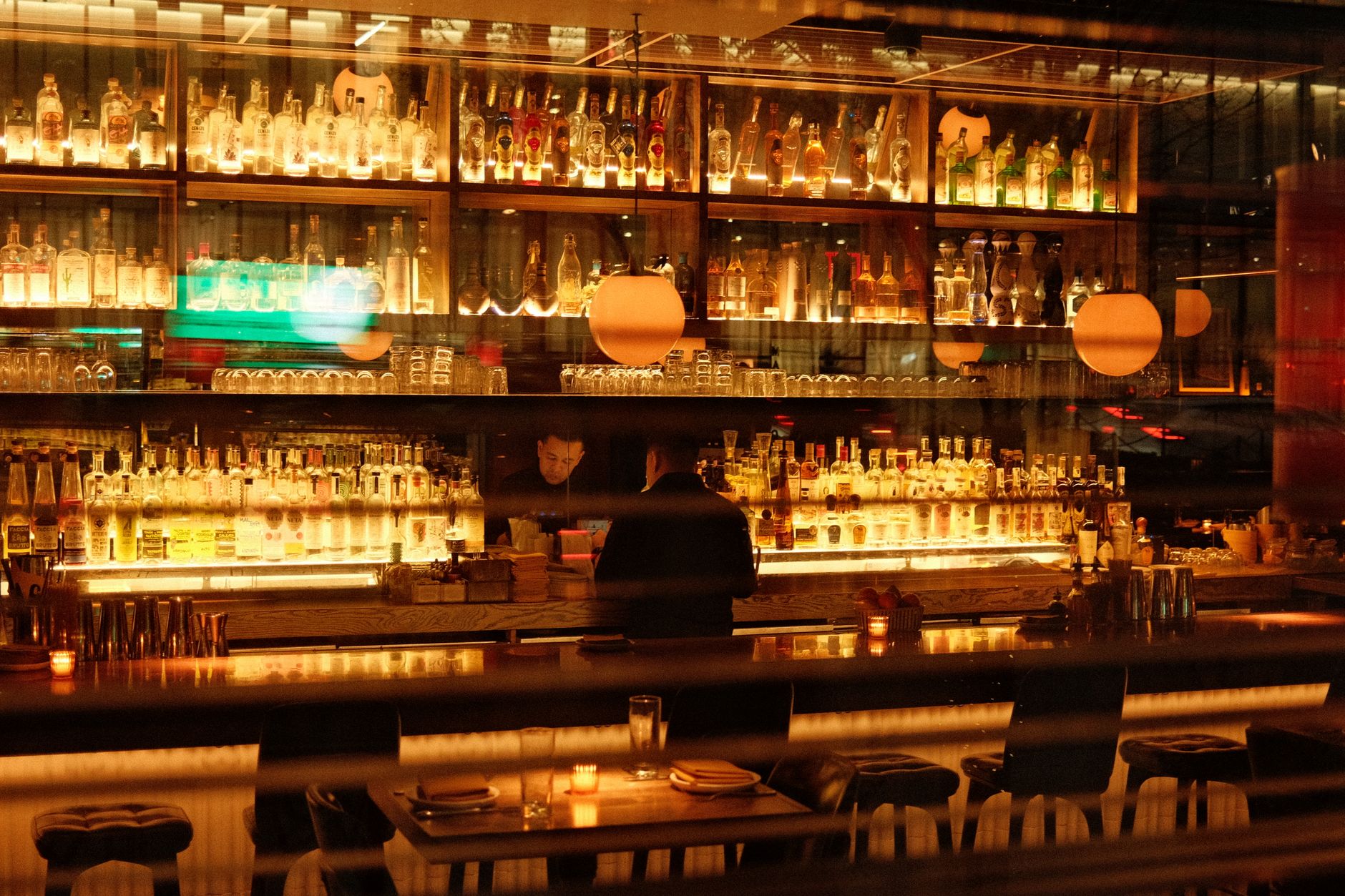
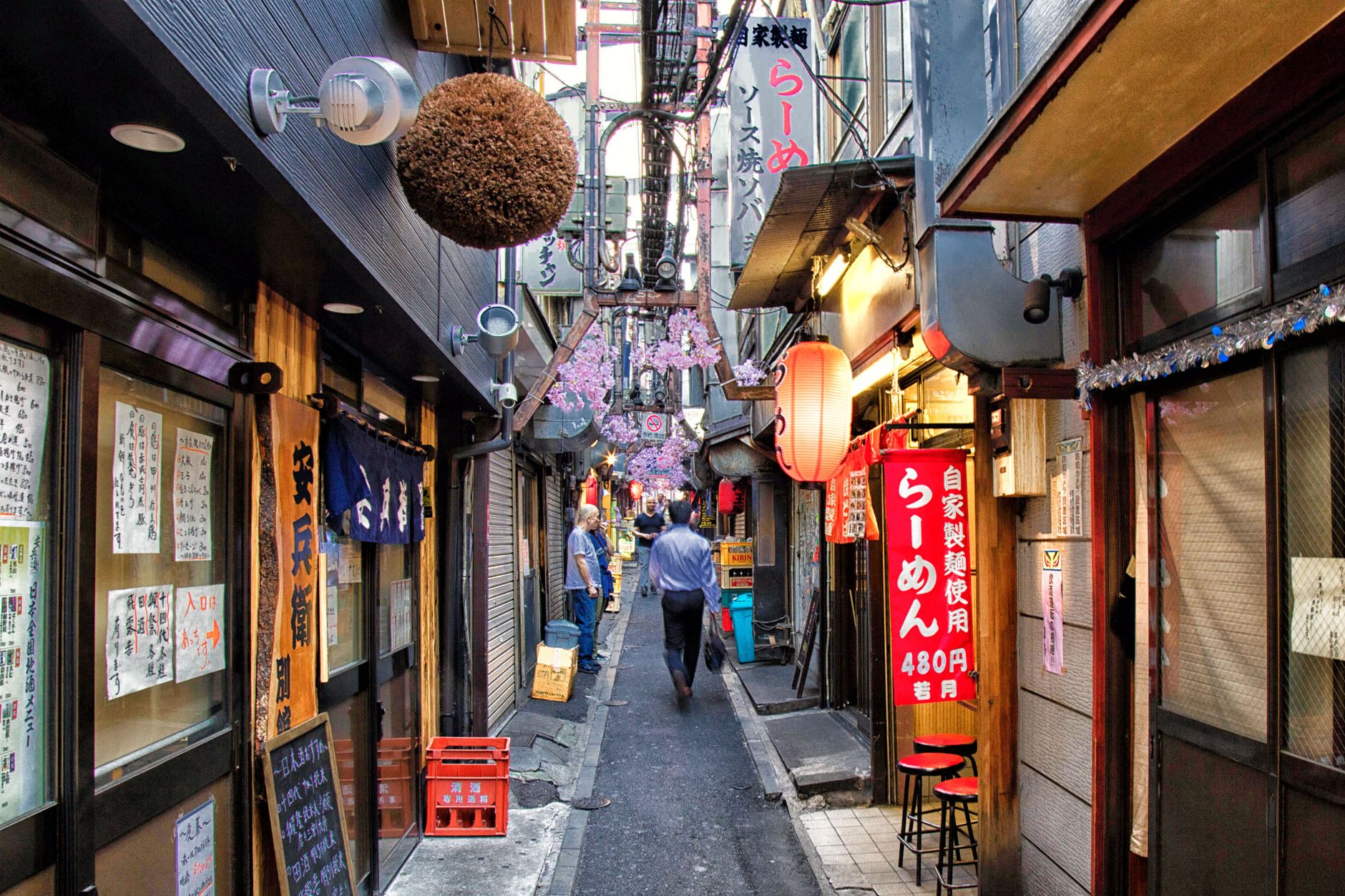
Izakayas serve as Japanese gastropubscasual spots perfect for sharing small plates with friends. Decibel is a standout for fresh takes on classics, while Izakaya Nana offers a cozy atmosphere with traditional grilled dishes. Torien specializes in yakitori, skewers grilled over binchotan charcoal, delivering smoky, tender bites.
First-timers can expect communal seating, lively chatter, and dishes like karaage fried chicken, edamame, and pickled vegetables. These spots are ideal for relaxed evenings or group gatherings.

Spotlight: 17 Best Japanese Restaurants in New York City
| Restaurant | Type | Specialties | Neighborhood | Price Range |
|---|---|---|---|---|
| Icca | Omakase Sushi | Chef‘s selection nigiri, seasonal fish | West Village | $$$ |
| Shion 69 Leonard St. | Kaiseki | Modern multi-course dining | Tribeca | $$$$ |
| Decibel | Izakaya | Creative small plates, cocktails | East Village | $$ |
| Sushi Ikumi | Sushi | Fresh nigiri, seasonal specials | Lower East Side | $$$ |
| DomoDomo | Casual Ramen & More | Ramen, donburi bowls | Midtown | $$ |
| Izakaya Nana | Izakaya | Traditional grilled skewers | Lower East Side | $$ |
| HinoMaru Ramen | Ramen | Tonkotsu and shoyu ramen | East Village | $$ |
| Cotra | Fusion | Modern Japanese-European dishes | West Village | $$$ |
| Rule of Thirds | Nikkei Fusion | Japanese-Peruvian blends | West Village | $$$ |
| Nami Nori | Casual Sushi | Sushi burritos, rolls | Bowery | $ |
| Ivan Ramen | Ramen | Signature Ivan broth | Lower East Side | $$ |
| Torien | Yakitori | Charcoal-grilled chicken skewers | East Village | $$$ |
| Yoshino | Fine Dining | Elegant Japanese seasonal dishes | Flatiron | $$$$ |
| Sushi Nakazawa | Omakase Sushi | High-end, chef curated | West Village | $$$$ |
| Sobaya | Soba Noodles | Handmade soba, traditional fare | Greenwich Village | $$ |
| Tonchin | Ramen | Refined tonkotsu broth | Murray Hill | $$ |
Most of these venues require advance reservation, especially for omakase and kaiseki spots like Sushi Nakazawa or Shion. Prices reflect quality and experience level, ranging from approachable casual to premium fine dining.
Booking & Visiting Tips
- Reserve at least 1-2 weeks in advance for popular restaurants.
- Avoid weekends or opt for early seating to skip long waits.
- Check dress codesome upscale places expect smart casual attire.
- Prices typically range from $30 for casual ramen bowls to $250+ for premium omakase menus.
- Neighborhood accessibility varies; many restaurants are near subway stations for convenience.
Choosing the Right Japanese Restaurant
Factors to Consider
Your choice depends on atmosphere, budget, and what you want to experience. For authentic sushi artistry, omakase restaurants deliver an intimate fine dining encounter. If comfort food is your mood, casual ramen or izakayas offer flavorful and often quicker meals at lower prices. Dietary preferences matter toosome restaurants feature vegetarian options or halal-certified meats. Always scan menus online and read reviews to align expectations.
Understanding Menus Before Ordering
Japanese menus commonly include terms you should know. Omakase means chefs choice, where the chef selects your dishes. Izakaya refers to small plates ideal for sharing. Donburi is rice bowls topped with meats or seafood. Sashimi means sliced raw fish without rice, while nigiri is hand-pressed sushi with fish over rice. Dont hesitate to ask servers for recommendations or explanationstheyre usually happy to guide first-timers!

Frozen meals to avoid
If you want to try Japanese flavors at home but value health and Halal certification, be cautious when buying frozen meals. Many pre-packaged ramen or sushi products contain additives, sodium overload, or unverified meat sources. Learn to identify clean-label, Halal-certified brands to protect your health and faith requirements. For more guidance, check out the detailed insights on Frozen meals to avoid.
Buying Tips for Halal & Health-Conscious Diners
When visiting Japanese restaurants NYC as a halal or health-conscious diner, ask about meat sourcing and certification. Look out for certification logos like JAKIM, HMC, or IFANCA, which indicate compliance with Halal standards. Some restaurants offer Halal options but may not be fully certified, so clarify beforehand.
Health-wise, prefer dishes grilled or steamed over fried. Ramen is delicious but white noodle-heavy and salty, so balance it with vegetable sides or lighter sushi options where possible.
Considering a casual bite? For fresh bakery-style treats or Japanese-inspired sweets, the nearby Corner bakery cafe offers some great alternatives worth trying after your meal.
Is Japanese cuisine in NYC typically Halal what should I check?
Most Japanese restaurants in NYC are not fully Halal-certified but may offer specific Halal dishes or fish-based meals. Always check with staff about Halal certification or meat sources. Look for recognized certificates from bodies like JAKIM (Malaysia), HMC (UK), or IFANCA (US). Avoid venues that mix pork or alcohol in the same kitchen if that concerns you.
When is the best time to eat at Japanese restaurants NYC?
Dining early on weekdays (57 pm) often guarantees shorter waiting times and fresher ingredients. For omakase menus, lunch options can be more affordable and less rushed than dinner. Ramen is perfect on colder days, while izakayas suit relaxed weekend evenings. Consider your mood and schedule when planning your visit.
How can I spot fresh sushi at these restaurants?
Fresh sushi has glossy, moist fish with clean-cut edges. Rice should be slightly warm and sticky, not hard or dry. Look for seasonal fish varieties, which indicate care in sourcing. Chefs often display visible skill and confidence preparing each piece.
Are vegetarian options common in Japanese spots NYC?
Yes, especially in izakayas and ramen restaurants. Common vegetarian dishes include vegetable tempura, seaweed salad, edamame, and mushroom ramen. However, confirm broth ingredients, as many ramen stocks use fish or meat bases unless explicitly vegetarian.
What drinks pair well with Japanese meals?
Traditional options include sake (rice wine) and Japanese beer. Many izakayas also serve shochu, a distilled spirit. For non-alcoholic choices, green tea or sparkling water with lemon are refreshing accompaniments.
What are common allergens in Japanese food to watch for?
Common allergens include soy (soy sauce, miso), shellfish, wheat (tempura, soy sauce), and egg (tamago sushi). If you have allergies, inform staff beforehand to avoid cross-contamination.
Should I tip at Japanese restaurants in NYC?
Standard US practice applies: generally 1520% of the bill. Some omakase restaurants include a service chargeverify before tipping extra. Tipping is appreciated for excellent service and knowledgeable staff.
Tips for Enjoying Japanese Restaurants in NYC
- One common mistake is rushing the meal. Savor each bite to appreciate the chefs skill.
- Dont skip reservationseven casual ramen spots can get surprisingly busy during peak times.
- Try pairing sushi with different styles of sake or Japanese teas for enhanced flavor complexity.
More You Might Like
Discover how to identify clean and nutritious food options by reading our guide on Frozen meals to avoid. If you enjoy baked treats, you may appreciate the cozy vibes of this Corner bakery cafe, known for fresh, health-conscious pastries.
Conclusion
Japanese restaurants NYC offer an exciting range of authentic and innovative dining options to satisfy every craving. Whether you prefer a refined sushi masters omakase or a casual bowl of tonkotsu ramen, the citys offerings impress with quality and tradition. Next time you explore these spots, notice the care in preparation and dont hesitate to ask about Halal certification or health-friendly choices. Enjoy your journey through Japans rich flavors right in New York!
FAQs
Is Japanese restaurants NYC actually Halal — what should I check on the label?
Most Japanese restaurants in NYC are not fully Halal-certified but may offer specific Halal dishes or fish-based meals. Always ask staff about Halal certification and meat sourcing, and look for recognized certificates such as JAKIM, HMC, or IFANCA to ensure compliance with Halal standards.
When is the best time to eat at Japanese restaurants NYC?
Weekday early dinners between 5-7 pm are ideal for shorter waits and fresher ingredients. Lunch omakase menus tend to be more affordable and relaxed than dinner. Cold days suit ramen restaurants, while izakayas are perfect for casual weekend evenings.
How long does sushi or ramen stay fresh after ordering?
Sushi is best enjoyed immediately as fish freshness and rice texture decline quickly. Consume within 30 minutes to maintain quality. Ramen can be kept for 1-2 hours but tastes best fresh, as noodles soften and broth flavor changes over time.
What is the difference between authentic Japanese restaurants and fusion ones in NYC?
Authentic Japanese restaurants focus on traditional ingredients, techniques, and presentation, preserving regional flavors. Fusion spots blend Japanese cuisine with other culinary styles, creating inventive dishes but may sacrifice some authenticity in favor of creativity.
Where can I find Halal or health-conscious Japanese dining options in NYC?
Look for restaurants that explicitly mention Halal certification or offer halal meat options, and choose dishes that are grilled or steamed over fried. Izakayas and ramen spots often have vegetarian or lighter menu choices suitable for healthy dining.