Alright, lets get right to itif youve ever stood in the kitchen, staring blankly at a recipe asking for broth or stock, wondering, Wait, whats the real difference here? Can I just swap one for the other?youre not alone. Honestly, this is one of those cooking mysteries that seems small but actually makes a huge difference in how your dish turns out.
Heres the quick and dirty truth: broth is lighter, more flavorful on its own, and usually seasoned. Stock is heartier, richer, and tends to be the backbone of deeper, more comforting dishes. But hang on, its not quite that simplebecause knowing when to use broth or stock is like knowing when to wear sneakers versus boots. Both get you places, but one just fits better for the occasion.
Stick with meIm going to break it down so you end up making smarter, tastier choices in the kitchen (and feeling like a total boss when you do). Plus, Ill share some handy tips and even a couple of personal confessions about my broth vs stock adventures. Sound good?
Whats Broth and Whats Stock?
Lets start by sorting out what exactly broth and stock are. You know, because calling them interchangeable without understanding is like mixing up salt and sugaryikes, real messy!
So, Whats Broth?
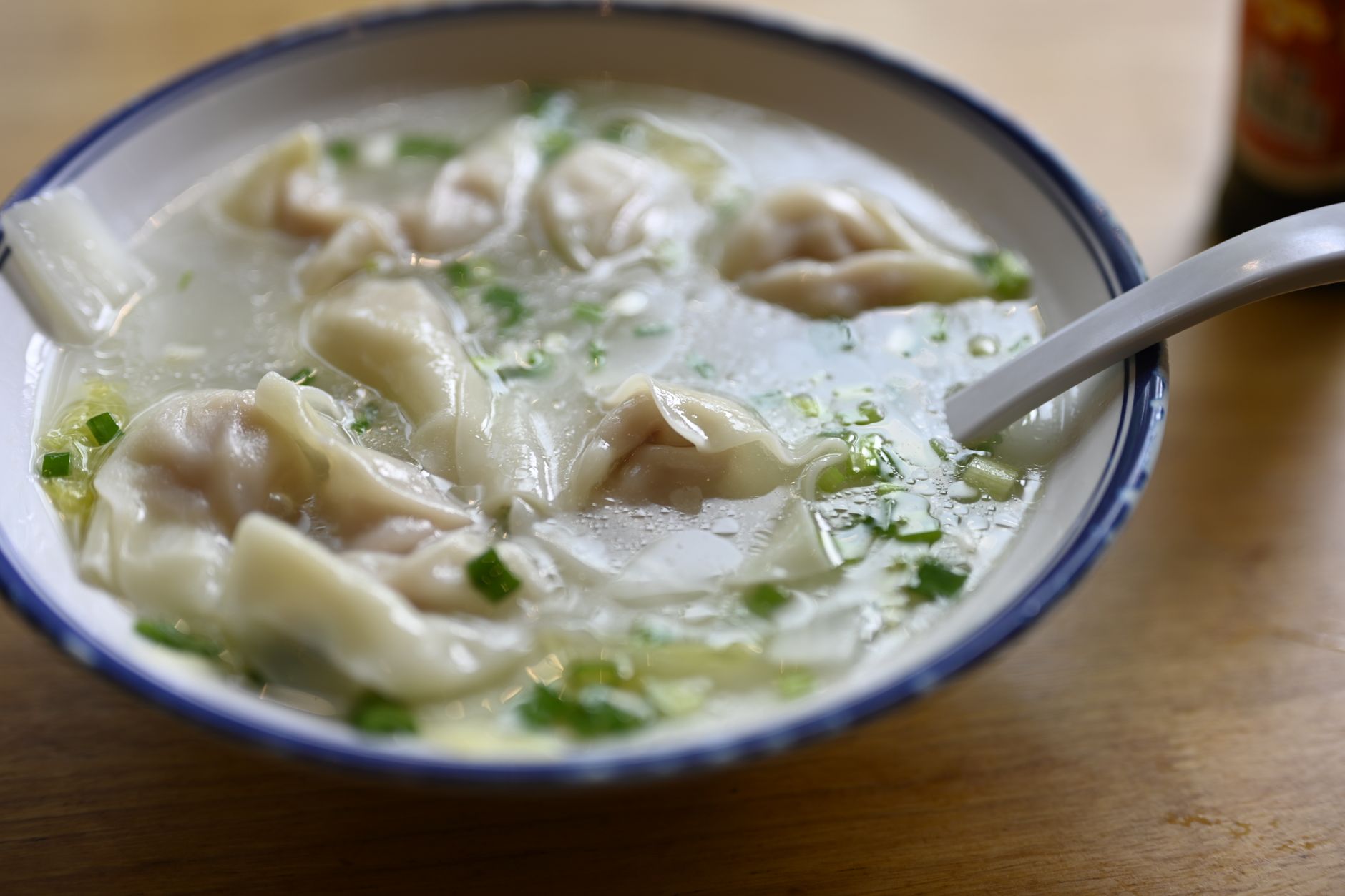
Broth is basically a seasoned, flavorful liquid made by simmering meatsometimes with bonesand veggies in water. Its cooked just long enough to extract flavor; think anywhere from 45 minutes up to a couple of hours. Unlike stock, broth usually has salt and seasoning added right away, making it ready to sip or pour straight into your soup bowl.
Thats why broth is your go-to when you want something light and tasty, like chicken broth in a quick soup or as a base for cooking rice to add a subtle flavor kick. Its versatile, but its also a finished product ready to shine on its own.
And Stock? Whats The Deal There?
Now, stock is a whole different beast. Its made mainly from bonesthink chicken carcasses, beef bones, or even fish framesplus aromatics like onion, carrot, and celery. These babies simmer for hours, sometimes even overnight, to pull out gelatin, collagen, and rich nutrients that give stock a thick, silky texture. Usually, theres no salt added, making stock an unseasoned, nutrient-packed flavor foundation.
Stock is like the quiet workhorse of the kitchenrich, nourishing, and ready to bulk up soups, stews, sauces, and gravies with that full-bodied yum factor.
Quick Head-to-Head Comparison
| Characteristic | Broth | Stock |
|---|---|---|
| Main Ingredients | Meat & sometimes bones, veggies | Bones & aromatics, little or no meat |
| Cook Time | 45 min to 2 hours | 3 to 8+ hours |
| Texture | Thin, clear | Thicker, gelatinous when cooled |
| Seasoning | Usually salted and seasoned | Usually unseasoned |
| Typical Uses | Light soups, cooking grains, sipping | Stews, sauces, braises, hearty soups |
Broth is for Lighter Fare
Picture thisyou want a soup thats comforting but not too heavy, something you can sip on when youre feeling under the weather or just want something warm without the too much. Thats broth territory. Its often seasoned right from the get-go, meaning it has a distinct flavor that can hold up in lighter soups without overwhelming.
Quick chicken noodle soup? Broth. A vegetable soup thats all about fresh, bright flavors? Broth again. Its also great when cooking rice, quinoa, or grains, lending just enough extra oomph without muddying the dish.
Let me tell youIve lost count of how many times Ive grabbed chicken broth instead of stock just because I was running late and wanted a fast, flavorful base. It works beautifully!

Stock is More Hearty
Now, when you want that deep, stick-to-your-ribs kind of richnessstock is your buddy. It brings body and mouthfeel that broth just cant touch. The long cooking time wrings all the goodness out of bones and connective tissue, turning the liquid into a goldmine of gelatin that thickens sauces and envelopes your palate with layers of flavor.
Think beef stew, French onion soup, or a luscious sauce that needs that robust personality. Stock makes these dishes sing. Because its mostly unseasoned, you have the freedom to control saltiness and spice when you build the final dish, so its like having a blank canvas loaded with nutrients and texture.
Heres a little secret: When Im making my famous coq au vin or braised short ribs, I insist on using homemade stock. The difference? Game-changing.

Recommended Tips for Broth and Stock Uses
Alright, you know broth is lighter and seasoned; stock is richer and typically unseasoned. So when do you pick which? Heres a little rule of thumb thats helped me more than once:
- Use broth when: You need a quick, tasty base for lighter soups, grains, or recipes that already have plenty of seasoning. Its also great for sipping straight, especially if you want something soothing yet flavorful.
- Use stock when: You want to build complex flavors in slow-cooked meals like stews, braises, or sauces. Since stock is unseasoned, you can adjust the seasoning perfectly and the gelatin helps thicken and enrich the dish.
Want a nice twist? Combine both sometimes! Start a soup with stock for body, then add broth midway for seasoning and brightness. Its like the best of both worlds.
Thinking about expanding your kitchen repertoire? Check out these delicious make ahead breakfast sandwiches for quick weekday fuelyoull love how simple planning ahead can be.
Benefits and Drawbacks You Should Know
Okay, lets get real hereboth broth and stock are awesome but come with pros and cons depending on what youre aiming for.
Nutrition and Flavor
Stock is often richer in minerals and collagen thanks to the bones, which some folks swear by for joint and gut health. Its a slow gem that drops goodness into your pot over hours. Broth, being lighter, tends to have fewer nutrients but still offers a hit of savory satisfaction and hydration.
Broths seasoning means you can grab it and go, but it can limit flexibilityyou dont want to double-salt your dish! Stocks neutral flavor means you control how it fits into your meal, but sometimes it can feel a bit empty on its own.
Possible Pitfalls
One mistake I see (and have made myself) is using broth in dishes that need that gelatin-rich depth. Youll end up with a soup that tastes thin or lacks that comforting mouthfeel. Conversely, stock can over-power lighter dishes or soups, making them feel heavy and overly dense.
Always ask yourself: what texture and flavor intensity does this dish really need? Its the key to nailing broth vs stock in your cooking.
Homemade Broth and StockWhy Bother?
Look, I get itmaking broth or stock from scratch sounds like a time suck. But hear me out: its actually pretty straightforward and once you taste that homemade magic, store-bought just wont cut it anymore.
Making Broth at Home
Grab some chicken parts (you can even use leftovers), veggies like carrot, celery, and onion, plus your favorite herbs and salt. Simmer gently for about an hour. Thats it! The result is a flavorful, ready-to-go liquid you can sip or build soups with.
Making Stock at Home
Collect boneschicken carcasses, beef bones, or fish framesand roast them if you want extra depth. Toss them in a big pot with veggies (aromatics), add water. Let it bubble away for 4-8 hours. The long cook pulls out all that collagen, giving you a rich, gelatinous stock. Strain and refrigerate. Once cooled, it should wobble like Jell-O.
A little tip: Save your bones in a bag in the freezer and whenever you have enough, make a big batch. Its one of those kitchen wins that pays off big over time.

Store-Bought Broth and Stock: What to Watch Out For
Not everyone has time to make broth or stock from scratchand honestly, thats totally fine. But when you buy it from the store, be a savvy shopper. Check the label for sodium content (some can be shockingly salty), additives, and whether the product is truly broth or stock (sometimes brands call one what its not).
If you want something fast and flexible for your daily meals, bring home a good quality stock or broth, but keep in mind homemade versions usually deliver a richer flavor punch and fewer unwanted extras.
And if you love grabbing quick meals but crave homemade flavors, dont miss these tasty ideas for Mcdonald's breakfast sandwichesthey might just inspire you to blend convenience with care.
Wrapping It Up: Broth Vs Stock and You
So, now youre not just nodding alongyou get broth vs stock. You know broth is lighter, often seasoned, and great for quick or delicate dishes, while stock is the rich, unseasoned base that adds deep flavor and body to hearty meals.
Next time youre making soup or stew, ask yourself how heavy or light you want it, whether you need quick flavor or layered richness, and pick accordingly. Remember: these two arent just cooking stepstheyre building blocks for making your dishes sing.
Feel like experimenting? Next pot you make, try swapping broth for stock or vice versa and see how it changes the whole vibe. And heyif you have questions, wanna share your broth or stock stories, or have a killer recipe, drop a comment! Cookings way more fun when we share the love.
FAQs
What is the main difference between broth and stock?
Broth is a seasoned, lighter liquid made by simmering meat and vegetables, while stock is an unseasoned, richer liquid made by simmering bones and aromatics for a longer time.
Can I substitute broth for stock in recipes?
You can substitute broth for stock in some recipes, especially lighter dishes, but it may lack the gel-like richness stock provides for hearty meals.
Is homemade broth or stock better than store-bought?
Homemade broth and stock usually offer richer flavor and fewer additives, making them superior choices for cooking compared to many store-bought options.
Why is stock usually made without seasoning?
Stock is left unseasoned so cooks can control the salt and spices in the final dish, allowing for better flavor customization.
Which one should I use for making sauces?
Stock is generally preferred for sauces because its gelatin-rich texture adds body and depth to the sauce’s flavor and consistency.