Salt might seem like the simplest ingredient in your kitchen, but knowing the types of salt available can totally change how your food tastes. Whether you use table salt, sea salt, or kosher salt, each brings something unique to the table. Understanding their differences helps you season dishes perfectly and even impacts your health. Lets clear up the mystery behind these salts so you can cook with confidence and flavor.
What Are the Different Types of Salt?
What Defines Table Salt, Sea Salt, and Kosher Salt?
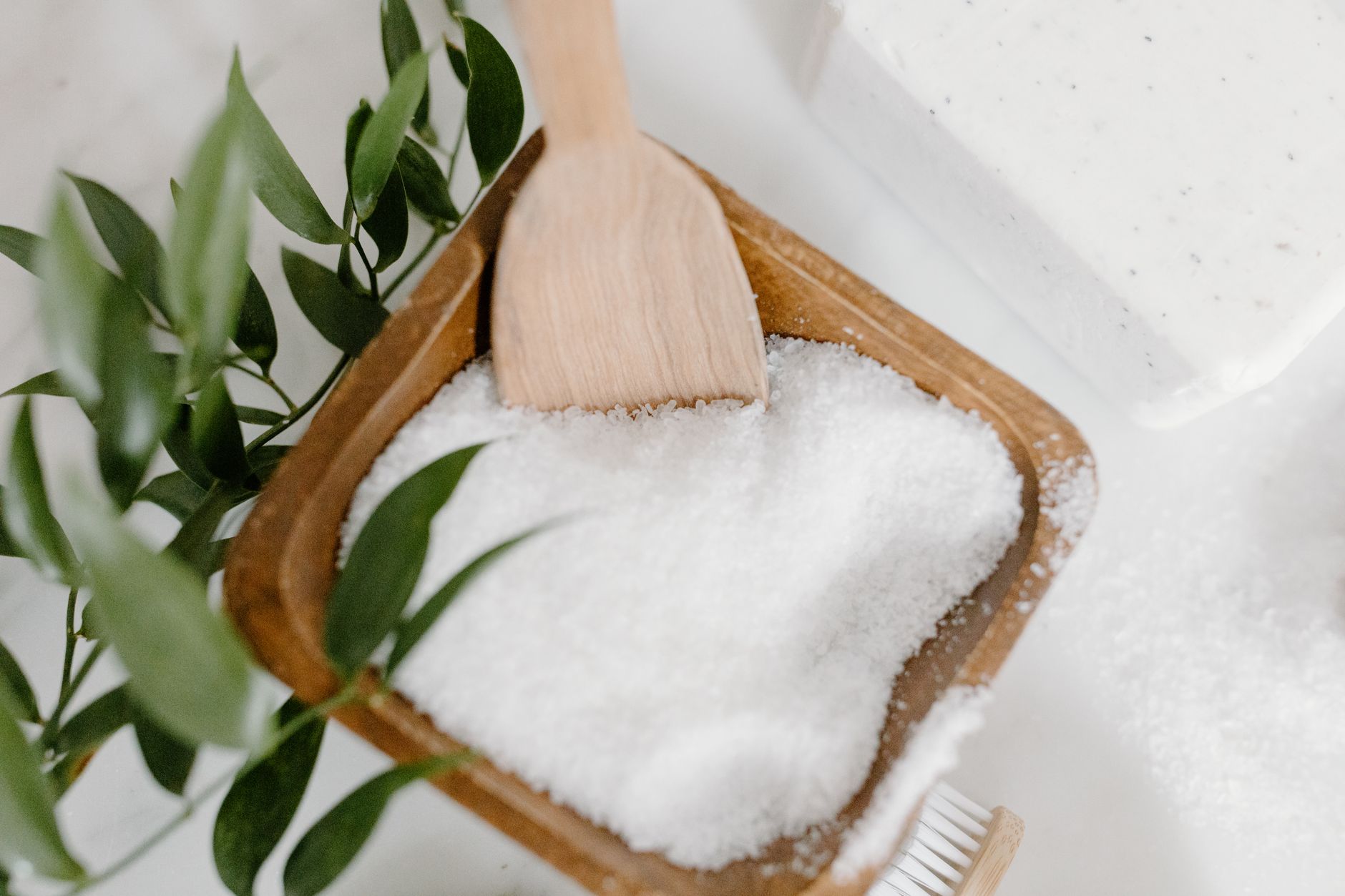
When we say types of salt, we usually mean three main varieties: table salt, sea salt, and kosher salt. Table salt is the most refined and commonly used salt. Its mined from underground salt deposits and heavily processed to remove minerals. This leaves almost pure sodium chloride with tiny crystals that dissolve easily.
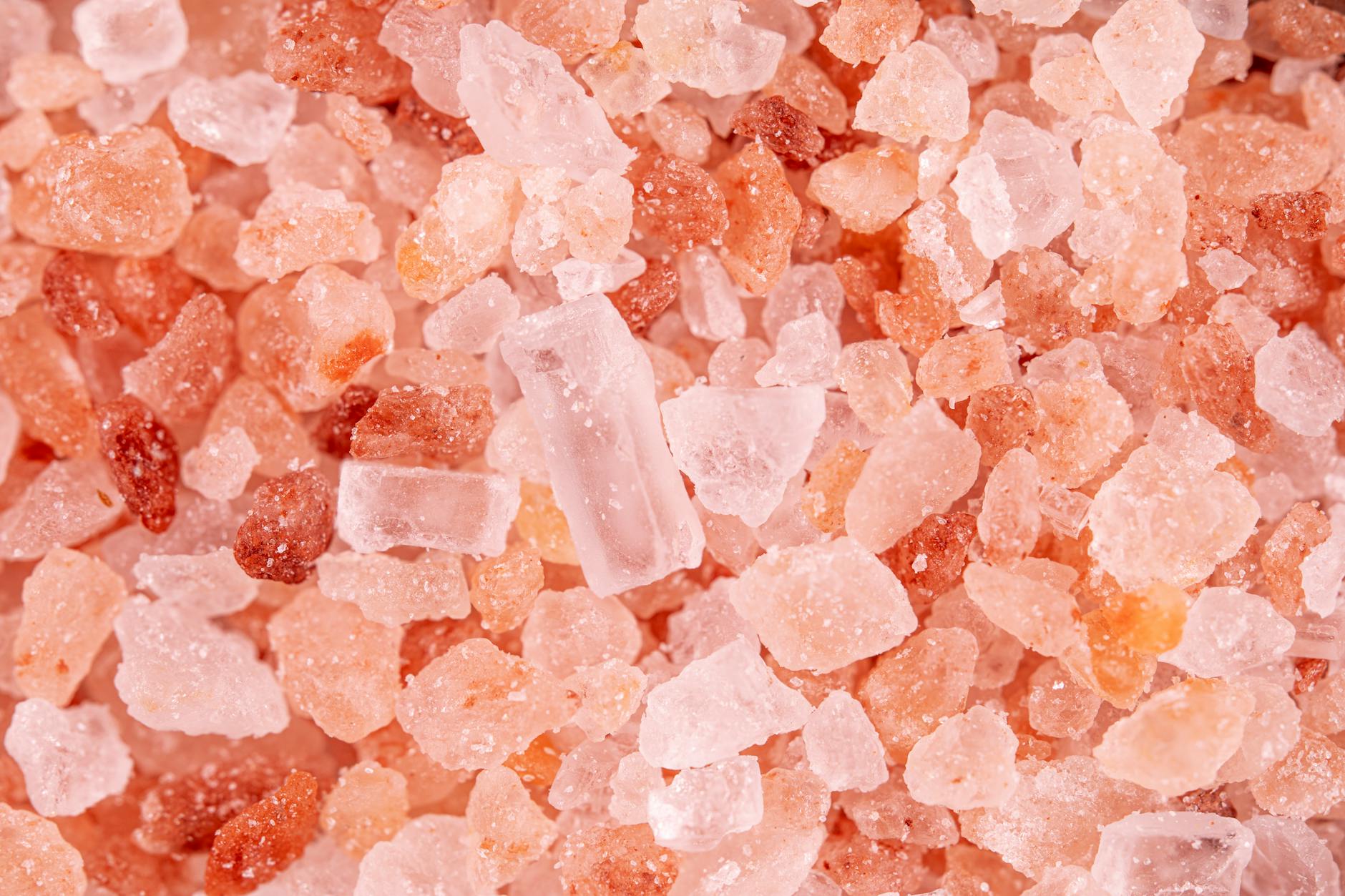
Sea salt, on the other hand, comes from evaporated seawater. Its less processed, so it contains trace minerals and elements like magnesium, calcium, and potassium. These minerals give sea salt a more complex flavor and often a coarser texture.
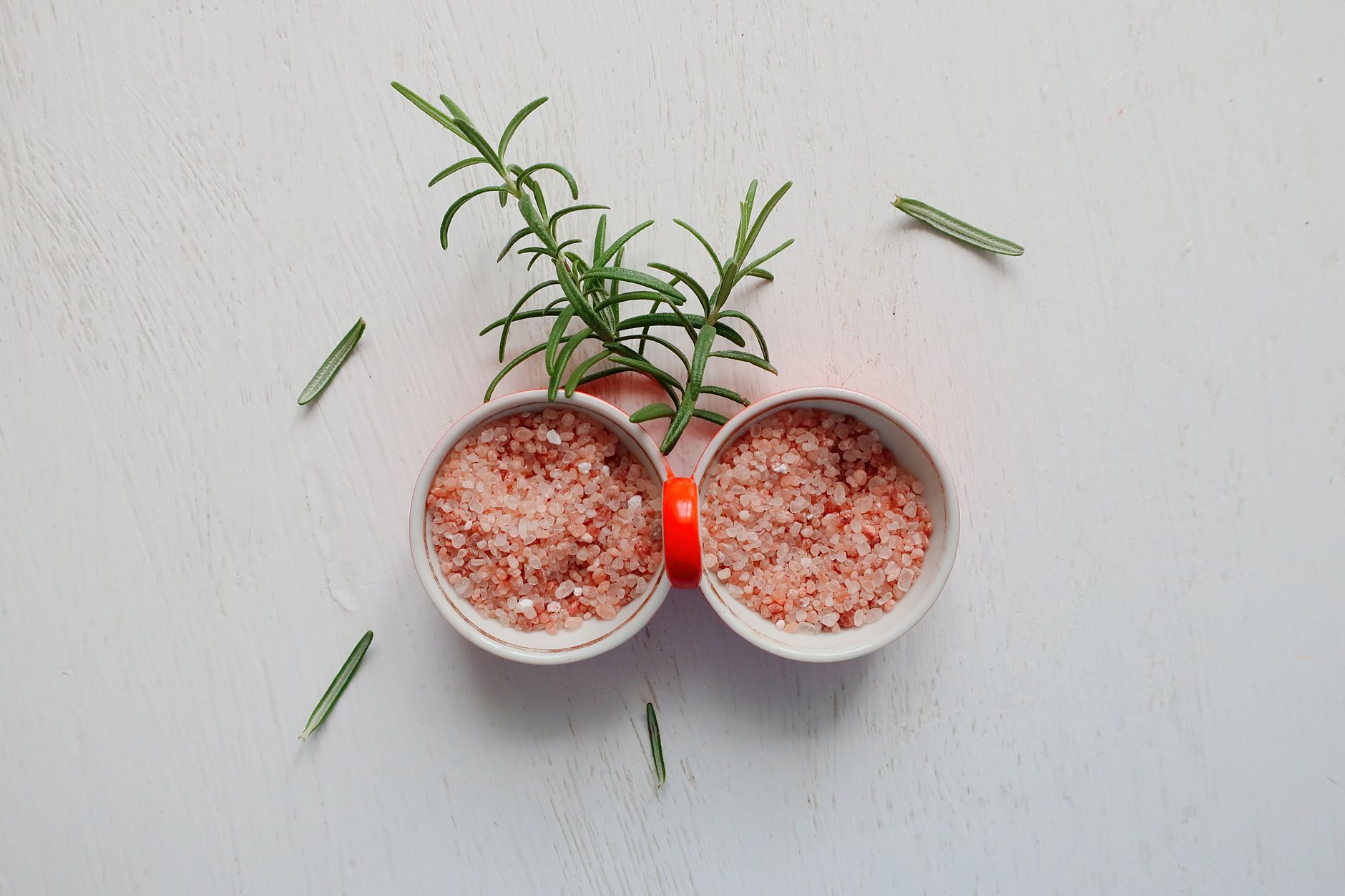
Kosher salt is named after its role in koshering meat, not because its certified Halal or kosher. It features large, flaky crystals that make it easy to pinch and spread evenly. Its usually made by compacting salt crystals into flakes or slabs, and it has no additives like iodine or anti-caking agents.
Each type varies in crystal size, mineral content, and refining process, which affects how they taste and behave in your recipes.
How Do Salt Types Compare Nutritionally?
While salt mainly provides sodium, its impact on your health depends on mineral content and any added ingredients. Table salt often contains added iodine, an essential nutrient that prevents thyroid problems. According to the USDA FoodData Central, iodized table salt typically provides about 45 mcg of iodine per gram, contributing to daily intake needs.
Sea salt varies widely because it can retain trace minerals beneficial to health. However, these minerals are usually in tiny amounts and dont significantly affect overall nutrition. Kosher salt generally lacks iodine and minerals but is free from additives, making it a pure sodium chloride source.
Regardless of type, all salts contain similar sodium levelsroughly 2,300 mg per teaspoonso moderation is key for health. Understanding these differences helps balance flavor and wellness in your diet.
Table Salt: Uses and Benefits
When Is Table Salt the Best Choice?
Table salts fine grains dissolve rapidly, making it ideal for baking and recipes where consistent salt distribution is crucial, like breads and cakes. Its small crystals mix evenly in batters and doughs, ensuring no salty clumps remain.
Table salt is also fortified with iodine, a micronutrient important for metabolism and brain development. This addition helps combat iodine deficiency worldwide and is an important factor if you worry about nutritional balance. JAKIM Halal certification standards ensure many iodized salt brands meet Halal requirements, so Halal-conscious consumers can use them safely.
What Are the Limitations of Table Salt?
Despite its benefits, table salt features some downsides. It tends to clump due to added anti-caking agents which can slightly alter texture. Its highly processed nature can make the taste feel flat compared to more mineral-rich salts. Also, its tiny grains mean you can easily over-salt if measuring by volume instead of weight.
For recipes requiring texture or salt crunch, table salt falls short. But it remains a reliable staple for most everyday cooking needs.
Sea Salt: Flavor and Finishing Touches
Why Use Sea Salt?
Sea salt is prized for its complex flavor and crunchy texture. Because its less refined and contains natural minerals, it adds a subtle flavor boost and texture that table salt cant match. Chefs often sprinkle sea salt flakes atop dishes as a finishing touch to create bursts of salty crunch and enhance foods natural flavors.
From flaked Maldon salt to coarse Celtic sea salt, these varieties bring slight differences in taste and mouthfeel. Choosing sea salt can give your salads, roasted veggies, or desserts a gourmet vibe thats both tactile and flavorful.
Are There Health Benefits to Sea Salt?
Sea salt often claims health benefits due to its mineral content, but these are minimal compared to total sodium intake. The extra magnesium or calcium found in some sea salts dont significantly impact the body because of the small quantities consumed.
Always remember that sea salt contains about the same sodium as table salt per teaspoon, so it doesnt reduce risks tied to high sodium intake, like hypertension. For balanced seasoning, use sea salt thoughtfully to enhance flavor rather than for nutrition alone.
Kosher Salt: The Kitchen Workhorse
What Makes Kosher Salt Unique?
Kosher salt stands out for its large, flaky crystals that make it easy to pinch and sprinkle uniformly. This texture is a boon for precise seasoning during cooking and koshering meatwhere salt draws blood from meat surfaces, aligning with kosher dietary laws.
Without additives or iodine, kosher salt is generally preferred by professional chefs for its clean, pure salt flavor and ease of use. Whether youre rubbing it into chicken skin or seasoning boiling water for pasta, kosher salt delivers well-controlled seasoning.
How Does Kosher Salt Compare to Table and Sea Salt?
| Type | Texture | Taste Impact | Best Uses |
|---|---|---|---|
| Table Salt | Fine, uniform crystals | Neutral, clean | Baking, general cooking, seasoning liquids |
| Sea Salt | Coarse, flaky or granular | Rich, mineral notes | Finishing dishes, salads, texture enhancement |
| Kosher Salt | Large flaky crystals | Pure, mild | Seasoning meats, brining, everyday cooking |
When substituting salts, remember that kosher salts larger flakes mean its less dense by volume than table salt. A teaspoon of kosher salt weighs about 60% of the same volume of table salt, so adjusting amounts prevents over-salting.
Salt Types Comparison: Choosing the Best Salt for Cooking
How to Pick the Right Salt for Your Recipe?
Choosing your salt depends on several factors: texture, flavor intensity, dissolving speed, and dietary concerns. For baking, table salts fine texture ensures even distribution and fast dissolving. Kosher salt works well for seasoning meat and general cooking due to its easy-to-handle flakes. Sea salt shines as a finishing salt, adding texture and subtle mineral flavor.
Use this simple guide to decide your salt:
- Baking: Table salt ensures consistent flavor.
- Cooking meat or vegetables: Kosher salt for even seasoning.
- Finishing dishes: Sea salt for crunch and flavor boost.
- Dissolving in liquids: Table salt or fine kosher salt.
If you want to find a Worcestershire sauce substitute, remember salt type can influence your sauces final flavor and texture.
Common Mistakes People Make When Using Salt Types
One of the most frequent errors is measuring salt by volume without accounting for crystal size. Using teaspoons interchangeably between kosher and table salt can lead to over-salting or bland results. Also, some assume sea salt is always healthier and overuse it, forgetting the sodium risk.
Ignoring salt texture can cause uneven seasoning, especially when using coarse salt in delicate dishes. Keep a pinch scale in mind: kosher salt flakes are larger and less dense, so start small and adjust to taste.
For convenient shopping, you can deliver groceries including your preferred salt types directly to your kitchen, ensuring you always have the right salt on hand.

Certification Checklist for Halal Salt
Halal certification is critical if you want to ensure your salt products comply with Islamic dietary laws. Look for logos from certification bodies like JAKIM, HMC, or IFANCA on packaging. These validate that the salt and any additives meet Halal standards.
| Certification | Price Range | Common Formats | Shelf Life | Key Allergens |
|---|---|---|---|---|
| JAKIM, HMC, IFANCA | $1$5 per 500g | Fine powder, flakes, coarse crystals | Indefinite if kept dry | None pure mineral |
Is Kosher Salt Actually Halal?
Kosher salt itself is mineral salt and naturally Halal. However, certification still matters because some brands may add anti-caking agents or processing aids. Always check for Halal certification like JAKIM or IFANCA on the label to be sure your kosher salt meets Halal requirements.
Can I Substitute Sea Salt for Table Salt in Recipes?
Yes, but adjust the amount, as sea salt crystals vary in size and density. Since sea salt is often coarser, using the same volume as table salt may under-salt your dish. If texture matterslike in baking or dissolving in saucesstick with table salt or finely ground sea salt.
How to Store Salt Properly?
Salt keeps indefinitely if stored correctly. Always keep it in a dry, airtight container to prevent clumping and moisture absorption. Avoid storing near stoves or humid areas. This ensures your salt stays fresh and easy to use for at least 12 years.
Does Salt Type Affect Sodium Intake?
All edible salts deliver roughly the same amount of sodium per gram. The difference lies in crystal size affecting how much salt you actually use by volume. Using kosher salt by volume usually means less sodium intake than the same volume of table salt, so be mindful when measuring.
Are There Salt Alternatives for Low-Sodium Diets?
While some alternatives like potassium-based salts exist, consult health professionals before switching, especially if you have kidney or heart conditions. Herbs, spices, lemon juice, and vinegar can also boost flavor without sodium.
What Should I Check When Buying Salt?
Look for a clean label with minimal additives. Halal certification is key if you observe dietary laws. Check that packaging is moisture-proof to keep salt free-flowing. Price generally reflects packaging size and certification acknowledgment.
Is Iodine Added to All Salt Types?
No. Only table salt and some kosher salts are iodized. Sea salt rarely contains added iodine unless specified. If iodine intake is a concern, check the nutritional label.
More You Might Like
Explore how to find the perfect Worcestershire sauce substitute that fits your Halal kitchen needs. If you want fresh salt and spices delivered hassle-free, check out our service to deliver groceries straight to your door.
Conclusion
Knowing the types of salt and their uses lets you season food with precision and confidence. Table salt suits baking and everyday cooking, sea salt works best for finishing, and kosher salt is a versatile kitchen favorite. Next time you shop or cook, check the label carefully and experiment with all three to find your flavor sweet spot. Your dishes will thank you.
FAQs
Is types of salt actually Halal — what should I check on the label?
Kosher and other salts are naturally mineral salts and Halal in nature. However, some brands add anti-caking agents or processing aids, so always check for Halal certifications like JAKIM, IFANCA, or HMC logos on the packaging to be sure your salt meets Halal standards.
What is the shelf life of salt after opening?
Salt has an indefinite shelf life if stored properly. Keep it in a dry, airtight container away from moisture and humidity to prevent clumping and maintain freshness for many years.
How does kosher salt differ from table salt?
Kosher salt has large, flaky crystals with no additives, making it easier to pinch and season evenly. Table salt has finer, uniform crystals and often contains iodine and anti-caking agents. This affects texture, taste, and measurement in cooking.
Is it safe to consume salt daily, and does salt type affect sodium intake?
All edible salts contain similar sodium levels per gram. The difference comes from crystal size affecting volume measurement. Use salt in moderation regardless of type to maintain a healthy sodium intake and avoid health risks.
Where can I buy quality types of salt with Halal certification?
You can purchase Halal-certified salts at specialty grocery stores, online retailers, or halal food suppliers. Look for JAKIM, IFANCA, or HMC certification marks to ensure compliance with Halal dietary standards.