You have likely seen the instruction countless times. "Bring eggs to room temperature." "Butter should be soft." But what does that actually mean, and why does it matter? Understanding room temperature cooking can be the difference between a dense cake and a fluffy one, or a tough steak and a tender one. This guide explains the science, the safety, and the simple techniques you need to get it right every time.
Understanding Room Temperature in Cooking
Room temperature is not a precise number on most thermostats. In the culinary world, it usually falls within a specific range that allows fats and eggs to blend smoothly.
What temperature is considered "room temperature" in cooking?
Most chefs agree that room temperature falls between 68F and 72F (20C to 22C). A cold egg straight from the fridge sits at around 40F. Bringing it up to 68F changes how it interacts with sugar and flour. This sweet spot ensures proper emulsification and even cooking without entering the danger zone for bacterial growth.
Why do so many recipes ask for room temperature ingredients?
This is the heart of room temperature cooking. Cold butter does not cream well with sugar. Cold eggs can seize a batter. When everything is at the same mild temperature, these ingredients bond together to create a stable emulsion. This traps air, leading to lighter cakes, fluffier pastries, and smoother sauces. It is a foundational technique in baking and tempering. Think of it like building flavors in other cuisines. Just as you might prepare components ahead for Chinese food Tampa, bringing your meat and aromatics to room temp ensures a consistent cook.
Safely Bringing Ingredients to Room Temp
Safety must come first. Leaving food out too long carries real risks, but there are smart ways to speed up the process without compromising your meal.
How long does it take to bring common ingredients to room temperature?
- Eggs: 15-30 minutes on the counter. For quicker results, place them in a bowl of warm (not hot) water for 5 minutes.
- Butter: 30-45 minutes. It should give slightly when pressed but still hold its shape.
- Cream Cheese or Dairy: 30 minutes. Softens well for spreading or blending.
- Meat: 20-30 minutes for smaller cuts. A thick steak might need an hour.
What are the food safety risks of leaving ingredients out?
The USDA warns against leaving perishable foods in the "danger zone" (40F to 140F) for more than 2 hours. Bacteria multiply rapidly in this range. A cold egg can sit out for an hour safely, but raw meat needs more caution. Never let diced chicken or ground meat sit out for more than 30 minutes before cooking. Use a timer to track how long ingredients have been on the counter. If your kitchen is warmer than 75F, reduce counter time by half. When in doubt, use the warm water bath method for dairy and eggs.
Benefits and Risks of Room Temp Cooking
Getting this right transforms your cooking. Getting it wrong can ruin a dish or make someone sick.
Benefits of using room temperature ingredients
Your mixer works less. Your batter comes together faster. Cakes rise higher and have a velvety crumb. A room temperature steak sears more evenly, cooking from edge to center without a burnt exterior. It reduces thermal shock, which can toughen proteins and ruin a delicate custard.
Drawbacks and common mistakes
The biggest mistake is guessing. Leaving butter out in a hot kitchen leaves it greasy and melted, deflating your cookies. The second mistake is ignoring safety. If you are not planning to cook immediately, keep ingredients cold. A common error is thinking all ingredients warm at the same rate. A block of cream cheese takes much longer than a stick of butter. Patience is key.
Practical Tips for Room Temperature Success
Simple habits make this technique effortless. A little planning goes a long way toward perfect results.
How room temperature affects cooking times and quality
A cold chicken breast dropped into a hot pan will significantly lower the pan‘s temperature, leading to steaming instead of searing. Room temperature meat cooks about 20-30 percent faster and retains more moisture. For baking, a room temperature batter bakes more evenly, preventing a domed or cracked top. This principle applies to reheating leftovers, too. If you are warming up frozen bean burritos, letting them sit for 10 minutes before heating helps the center warm through without the outside burning.
Kitchen tools to monitor temperature
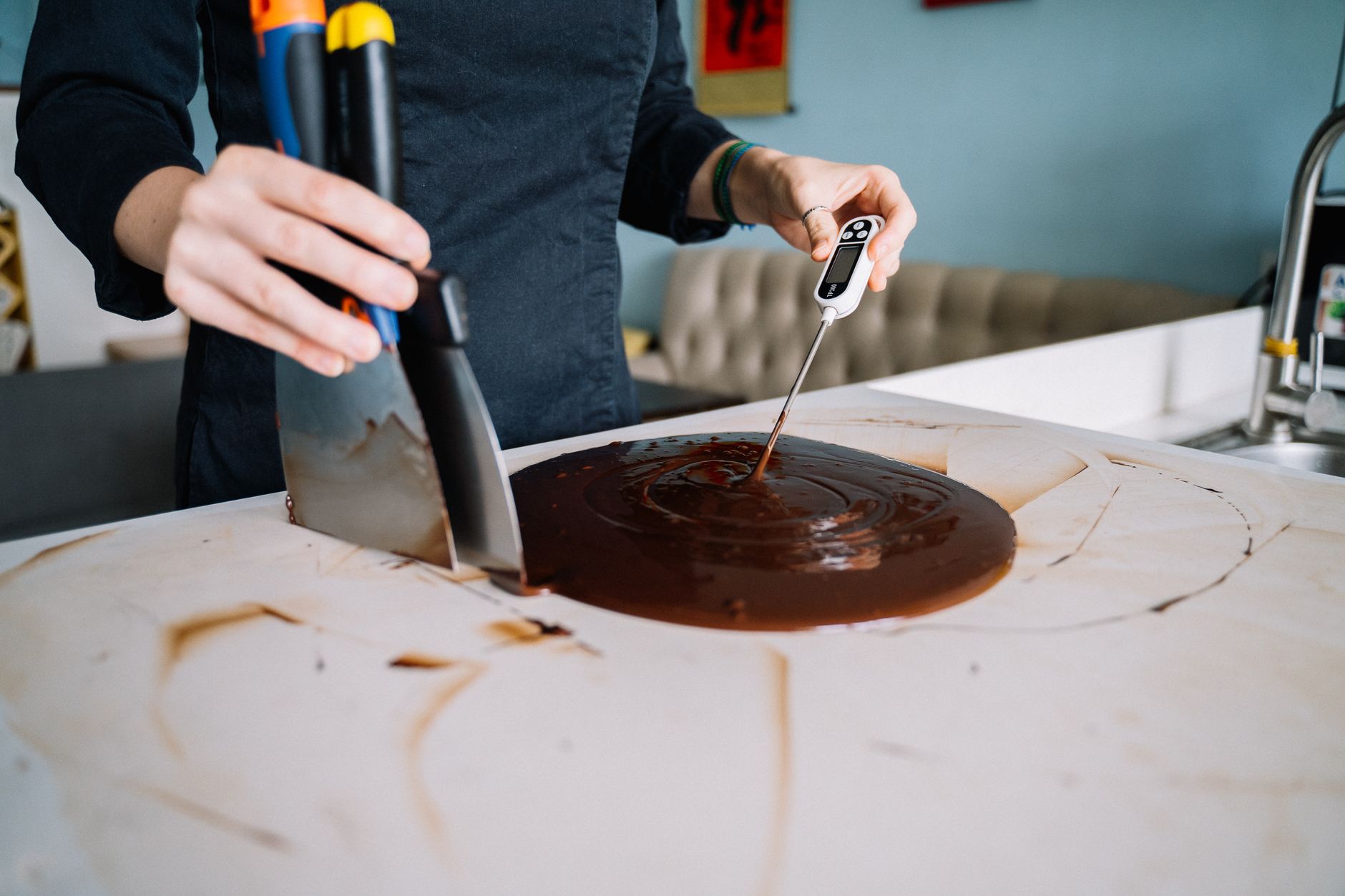
An instant-read thermometer is your best friend. Use it to check your butter (target 65F) or your steak (target 68F before searing). A simple kitchen timer helps track the 30-minute window for proteins. Your own finger is a good tool, too. Soft butter should dent easily without collapsing. If it slides off the knife, it is too warm.
Conclusion
Mastering room temperature cooking is a small change that delivers big flavor and texture rewards. It requires a little patience and a watchful eye on safety. Next time you bake a cake or grill a steak, let your ingredients warm up properly. Your results will speak for themselves. Leave a comment below and tell us which recipes you have transformed with this simple technique.
When is the best time to use room temperature ingredients?
The morning is ideal for baking. Pull your butter and eggs out when you start your coffee. By the time you are ready to mix, they will be ready. For dinner prep, take meat out 30 minutes before you start cooking. Avoid leaving them out if you are not planning to use them within the safe time window.
Can I leave butter out overnight to get to room temperature?
Yes, salted butter can sit on the counter for a day or two if covered. Unsalted butter is more perishable and should only be left out for a few hours. If your kitchen runs hot (above 75F), keep butter in the fridge and soften it as needed.
Is it safe to cook chicken from room temperature?
It is safe to let chicken rest on the counter for 20-30 minutes. This takes the chill off and helps it cook evenly. Do not leave it out for the full 2-hour danger zone limit. Always cook chicken to an internal temperature of 165F for safety.
What if my kitchen is very hot or very cold?
Adjust your timing. In a hot kitchen (80F or higher), ingredients will reach room temp in half the time, but safety risks are higher. In a cold kitchen (60F), they may never reach the ideal 68F. Use a warm water bath for eggs and dairy to compensate for cold conditions.
Does room temperature affect yeast doughs?
Absolutely. Yeast is a living organism. Cold ingredients slow fermentation drastically. Room temperature liquids (around 80F) activate yeast best. If your water or milk is cold, the dough will take much longer to rise, potentially leading to a dense loaf.
How do I quickly bring eggs to room temperature?
Place the whole eggs (in their shells) in a bowl of lukewarm tap water. Do not use hot water, as it can cook the eggs. Let them sit for 5-10 minutes. This is the fastest and safest method for last-minute baking.
Does "room temperature" mean the same thing for all recipes?
No. A custard or tempering recipe might need ingredients at precisely 70F. A simple cookie recipe might be fine with slightly cooler butter. Use your senses. Butter should bend without cracking. Eggs should feel neutral to the touch, not cold.
FAQs
When is the best time to use room temperature ingredients?
The morning is ideal for baking. Pull butter and eggs out when you start your coffee; by mixing time they’ll be ready. For dinner, take meat out 30 minutes before cooking. Always avoid leaving ingredients out if you won’t use them within the safe time window.
Can I leave butter out overnight to get to room temperature?
Salted butter can sit covered on the counter for a day or two. Unsalted butter is more perishable and should only stay out a few hours. If your kitchen runs above 75°F, keep butter refrigerated and soften it as needed.
Is it safe to cook chicken from room temperature?
Yes, letting chicken rest on the counter for 20–30 minutes takes the chill off and helps it cook evenly. Do not exceed 30 minutes, and always cook chicken to an internal temperature of 165°F for safety.
How do I quickly bring eggs to room temperature?
Place whole eggs (still in shells) in a bowl of lukewarm tap water. Do not use hot water, which can cook the eggs. Let them sit for 5–10 minutes. This is the fastest and safest method for last‑minute baking.
Does room temperature affect yeast doughs?
Yes, yeast is a living organism. Cold ingredients slow fermentation drastically. Room temperature liquids (around 80°F) activate yeast best. If your water or milk is cold, the dough will take much longer to rise, often producing a dense loaf.