Ancient hippo soup represents one of the oldest known meat-based dishes in human history. Archaeological discoveries reveal that prehistoric humans once cooked soups using hippo meat, a rare ingredient no longer available in markets today. This unique soup holds a fascinating place in the culinary past, showing how our ancestors utilized available resources while offering insights into early cooking techniques and diet.
What Is Hippo Soup?
What is ancient hippo soup?
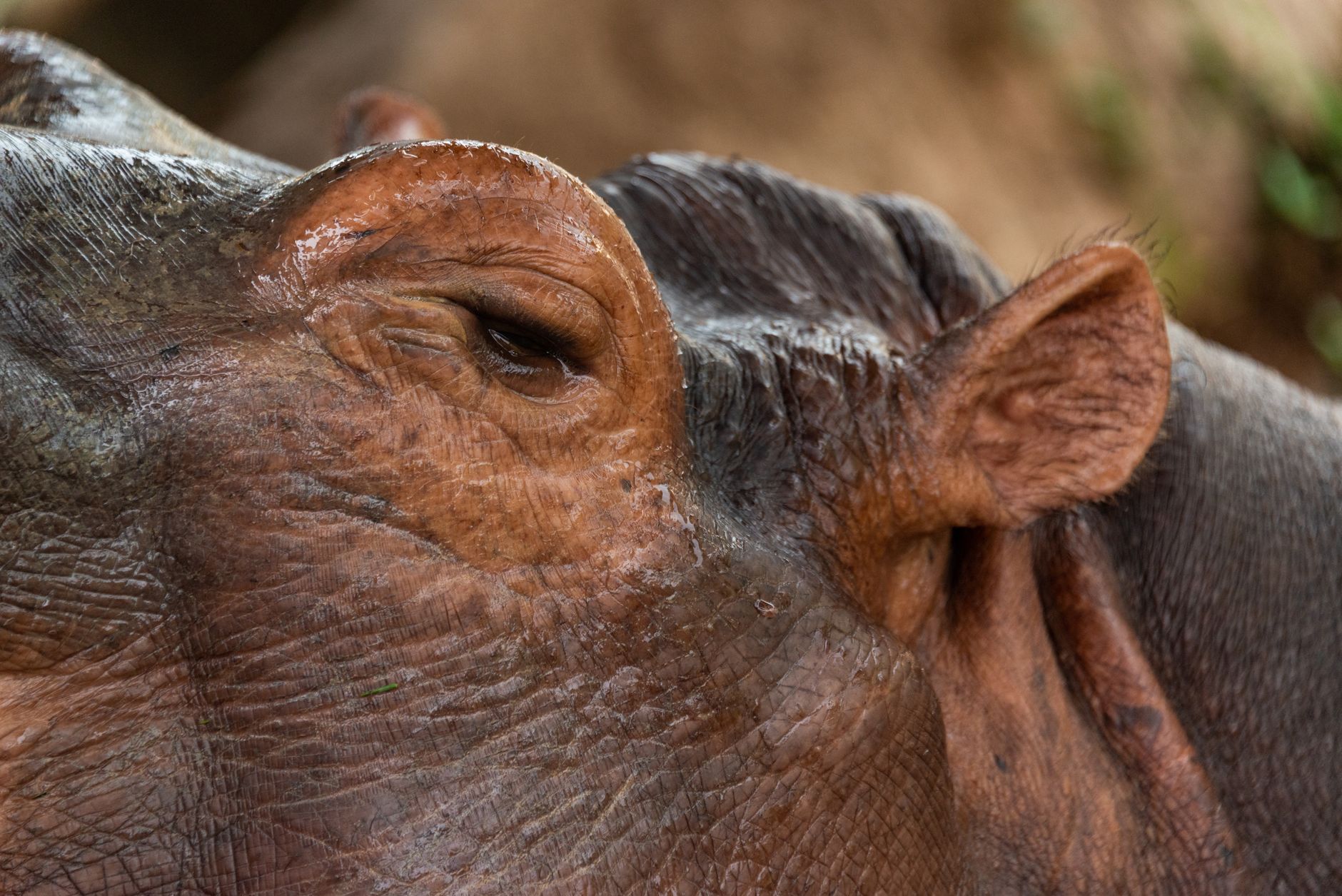
Ancient hippo soup refers to a prehistoric dish reconstructed from archaeological evidence, particularly from bones and cooking remnants found at sites dating back about 8,000 years. It was a hearty meat soup prepared by early humans who hunted hippopotamuses as part of their diet. The soup reflects early culinary experimentation and resourcefulness, marking one of the earliest instances of meat-based liquid nourishment documented in history.
How was hippo meat used in ancient soups?
Hippo meat, rich in protein and sizeable in quantity, was utilized by boiling or slow-cooking the meat with available herbs, roots, and water. Archaeologists believe the cooking process extracted tender flavors from tough hippo muscles, resulting in a nourishing broth that sustained hunter-gatherer communities.
Archaeological evidence: Hippo bones found in 8,000-year-old soup sites
Sites in areas such as the Nile Valley and parts of Africa have uncovered hippo bones showing signs of butchery and thermal exposure consistent with stewing or boiling. These findings suggest that early humans intentionally cooked hippo meat in communal pots, making soup one of their primary meat dishes.
Comparison with other oldest soup recipes worldwide
Compared to other ancient soups made from deer, fish, or small game, hippo soup stands out for the sheer size of the resource and the social effort required to hunt such powerful animals. This soup reveals a unique complexity in prehistoric foodways, blending nutrition, communal hunting, and cooking techniques.

Why Hippo Meat Is Banned Today
What is the history behind banning hippo meat consumption?
Hippo meat consumption is now widely banned due to ecological and legal reasons. Hippos are classified as vulnerable or near-threatened species in many countries because of habitat loss and poaching. Governments restrict hunting and sale of hippo meat to prevent population decline and protect biodiversity. Ethical concerns over endangered species and animal welfare also reinforce these regulations.
How do regulations about hippo meat differ worldwide?
While international restrictions prohibit hippo meat trade, some local communities in African regions maintain traditional hunting rights under strict quotas for sustenance or cultural ceremonies. However, commercial sales and export are illegal in most jurisdictions. Countries with conservation commitments under CITES (Convention on International Trade in Endangered Species) strictly ban hippo meat trafficking.
The role of conservation and endangered species protection
Conservation efforts aim to balance human needs with protecting the hippo population which plays an important ecological role in freshwater habitats. Regulations reflect commitments to restore populations and avoid illegal hunting.
Cultural attitudes toward rare meat dishes and their legal status
Attitudes vary widelysome see hippo meat as a delicacy linked to heritage, while others stress global responsibility and sustainable eating. This contrast complicates enforcement and underscores the need for education about legal and conservation issues.
Pros and Cons of Consuming Hippo Soup
What potential benefits might ancient hippo soup have had nutritionally?
Hippo meat is rich in protein, iron, and essential amino acids, making it a powerful source of sustenance. Compared to common meats like beef or lamb, hippo meat reportedly contains leaner cuts with lower fat content but dense nutrition, which would have supported prehistoric communities energy and repair needs.
What are the health risks or concerns associated with hippo meat?
Modern health risks include possible parasites, bacteria, or toxins due to lack of regulated butchery and preparation methods. Wildlife meats like hippo, if improperly handled, can harbor zoonotic diseases. Additionally, consuming meat from protected animals raises ethical and legal health considerations, and should be avoided by consumers.
Balancing archaeological interest versus modern health guidelines
While the archaeological study of ancient hippo soup offers insights into food history, health experts warn against replicating the dish with actual hippo meat today. Alternative recipes with safe, regulated ingredients are suggested to respect modern health and legality.
Ethical considerations of consuming banned or rare meats
Eating banned or endangered species contributes to wildlife trafficking and ecological damage. Ethical eating promotes sustainability and respect for ecosystems, encouraging consumers to choose certified meats or plant-based alternatives instead.
Can You Make Ancient Hippo Soup Today?
Is it possible to recreate ancient hippo soup recipes today?
Recreating true ancient hippo soup is impractical due to legal, ecological, and ethical barriers. Most people cannot obtain genuine hippo meat legally, making authentic reproduction impossible. However, culinary historians create inspired versions using similar game meats or beef, replicating flavor profiles with an emphasis on traditional herbs and cooking methods.
Legal issues surrounding hippo meat sourcing for culinary use
Attempting to source or consume hippo meat without special permits is illegal and punishable under wildlife protection laws globally. Responsible cooks and enthusiasts avoid sourcing endangered meats and instead explore ethical substitutes.
Alternative recipes inspired by ancient hippo soup
You can substitute hippo meat with lean beef, venison, or other high-protein game meats. Adding root vegetables, garlic, onions, and spices helps mimic the hearty, rustic flavor of ancient soups. Slow simmering for 23 hours yields tender texture similar to what prehistoric cooks might have achieved. Recipes inspired by ancient traditions can reconnect us with culinary history safely.
Tips for safely experimenting with ancient meat consumption traditions
- Use only Halal-certified or legally sourced meats such as beef or lamb.
- Adopt slow-cooking methods to develop deep flavors while preserving nutrition.
- Incorporate authentic herbs or edible wild plants from your region for originality.
- Always follow food safety standardsproper cooking temperature, hygiene, and storage.

Lessons From Ancient Hippo Soup
What can hippo soup tell us about the diet of prehistoric humans?
This soup reveals that early humans exploited large aquatic mammals and developed cooking techniques to extract nourishment efficiently. It shows a diet based not only on what was easy to catch but also on what could be preserved and shared communallyhighlighting early social, nutritional, and culinary sophistication.
How does ancient hippo soup fit into rare meat dish history?
Hippo soup belongs among the rare and unusual meats that humans have included across millennia, alongside animals like turtle, crocodile, or exotic game. Such dishes reflect adaptation to local environments, ritual significance, or nutritional needs, with many now protected or highly regulated.
Cultural and historical significance of hippo meat in ancient societies
Hippos symbolized strength and water abundance in many cultures. Consuming hippo meat may have involved ritual or status elements, beyond sustenance, reflecting respect or reverence for the animal.
Archaeological case studies on ancient meat consumption
Excavations at Nile Valley sites and East African wetlands provide direct evidence of hippo meat use, complementing findings of stone tools and cooking hearths, piecing together human diets that combined plant and diverse animal sources.

When is the best time to eat ancient hippo soup?
Historically, hippo soup would have been consumed seasonally following successful hunts, during communal gatherings or celebrations. Today, inspired recipes make excellent cold-weather meals due to their richness and warmth, perfect for cozy dinners anytime.
Is ancient hippo soup Halal and what should I check?
The original ancient hippo soup is not certified Halal. For modern recreations, choose Halal-certified meats like beef or lamb, verified by certification bodies like JAKIM, HMC, or IFANCA. Look for clear logos on packaging and avoid ambiguous or uncertified sources for peace of mind.
What makes a good meat substitute for hippo in cooking?
Lean beef or venison are excellent substitutes, offering similar textures and protein levels. These meats are widely available with Halal certification, making them ethical and legal choices for inspired ancient soup recipes.
How long does a meat soup like this last once cooked?
Properly cooled and stored in an airtight container, meat soups keep for 45 days in the refrigerator. For longer storage, freezing extends shelf life up to 3 months, retaining flavor and nutrients when thawed gently.
Can I use a meat slicer to prepare soup meat efficiently?
A meat slicer helps portion tougher cuts into thin, even pieces, reducing cooking time and ensuring tenderness. Using a meat slicer can elevate your soup prep by creating uniform slices that cook evenly.
What is the difference between blue rare steak and the meat in ancient soups?
Blue rare steak is quickly seared with a cool, raw interior, emphasizing texture and flavor. In contrast, ancient soups relied on slow cooking tough meat cuts to tenderize and infuse flavor over time, resulting in rich, velvety broths unlike the fresh, chewy profile of blue rare steak. Learn more about blue rare steak for cooking tips.
How can I balance flavors when making inspired ancient soup recipes?
Use aromatic herbs like thyme, bay leaves, and garlic wisely. Salt moderately during cooking and adjust at the end. Layer flavors by sauting onions and using bone broth as a base for richness. Taste frequently to avoid overpowering natural meat flavor.
Is cooking ancient-inspired soup energy-intensive?
Slow simmering for 23 hours on low heat achieves tenderness and flavor without excessive energy. Using a slow cooker or pressure cooker can reduce energy use and time while retaining traditional effects safely and economically.
More You Might Like
- Explore how to perfectly cook and enjoy a blue rare steak for a tender and juicy meal experience.
- Discover essential kitchen tools like a meat slicer to slice your meats neatly for any recipe, including savory soups.
Ancient hippo soup invites us to appreciate the ingenuity of early diets and cooking techniques while respecting the laws and ethics shaping our food choices today. Though the true soup cant be tasted now, inspired, Halal-certified recipes offer a delicious and meaningful way to connect with culinary history. Next time you shop or cook, consider exploring traditional dishes with a responsible, health-conscious mindsetand feel free to share your cooking adventures!
FAQs
When is the best time to eat or drink ancient hippo soup?
Historically, ancient hippo soup was consumed seasonally after successful hunts and during communal gatherings. Today, inspired recipes based on the soup make excellent cold-weather meals, offering warmth and richness ideal for cozy dinners anytime.
How long does ancient hippo soup or similar meat soups last after cooking?
Properly cooled and stored in an airtight container, meat soups like ancient hippo soup can last up to 4-5 days in the refrigerator. Freezing can extend shelf life to about 3 months while preserving flavor and nutritional value.
What is the difference between ancient hippo soup meat and common meat substitutes?
Ancient hippo soup used slow-cooked tough meats to create rich, tender broths, whereas common alternatives like beef or venison offer similar textures but with easier availability and regulated safety. Hippo meat was leaner with unique flavors, often replaced by game or beef today.
Is it safe to consume hippo meat or similar rare meats regularly?
Consuming hippo meat today is unsafe and illegal in most areas due to health risks from parasites and legal protections. Modern health guidelines recommend avoiding rare or banned meats and instead choosing regulated, ethically sourced substitutes to ensure safety.
Where can I buy authentic hippo meat or inspired ancient hippo soup recipes?
Authentic hippo meat is not legally available due to conservation laws. To experience inspired ancient hippo soup, use lean beef or venison available at specialty butchers or halal markets. Many online recipe sites offer safe, traditional-inspired soup preparations.