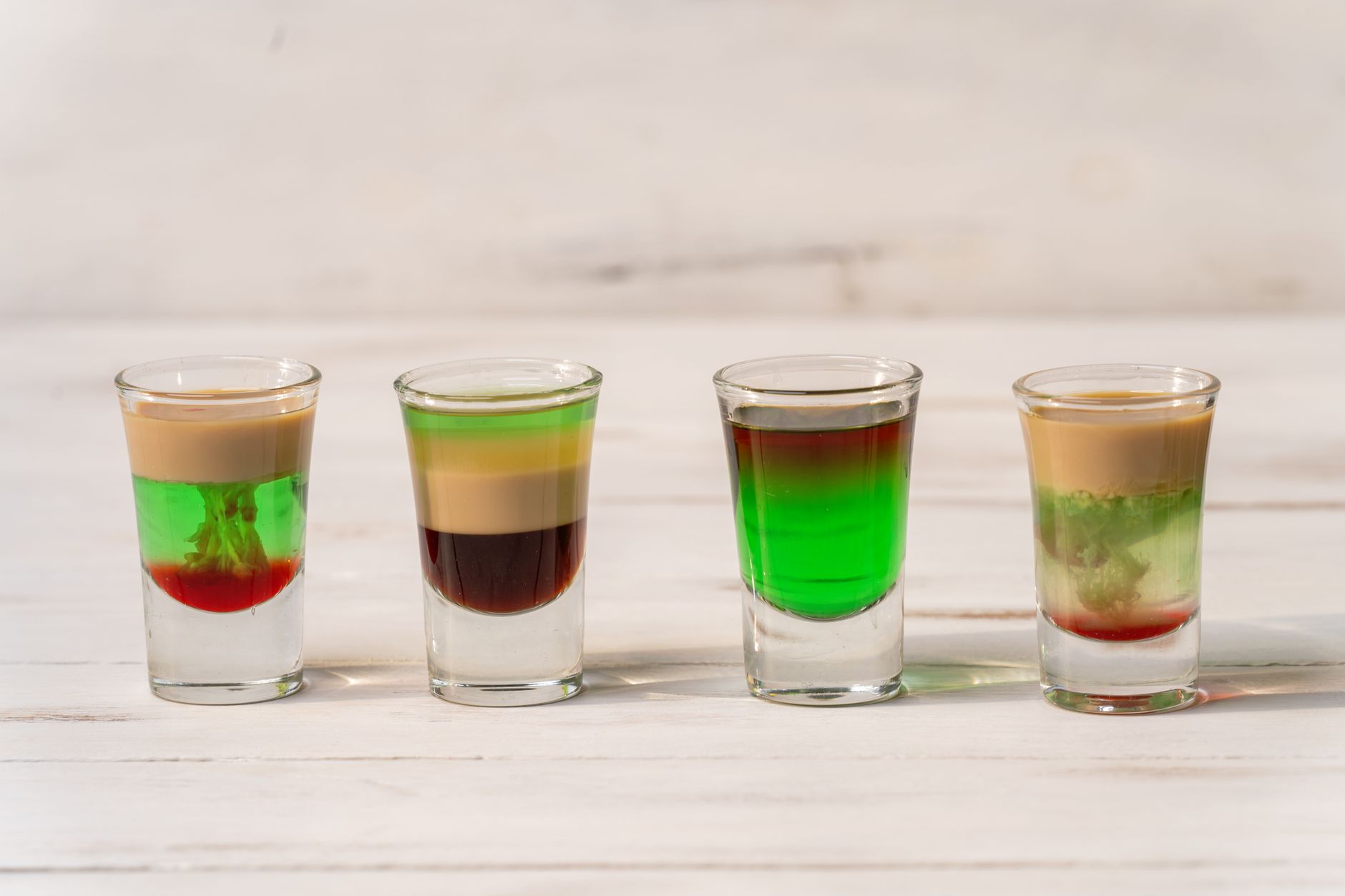
Wondering if that bottle in your cabinet still tastes good or if its time to toss it? The question does alcohol expire pops up often because alcohol is a unique product. Most pure spirits dont actually expire in the traditional sense. However, they can lose quality and flavor over time, especially once opened. Understanding how different types of alcoholic drinks age, spoil, or degrade can save you money and ensure you enjoy every sip.
Alcohol Shelf Life
Does Alcohol Go Bad or Spoil?
Pure alcohol, specifically ethanol, is naturally antimicrobial. This means that it inhibits the growth of harmful bacteria and molds, making most distilled spirits highly stable. Unlike perishable food, alcohol itself usually does not go bad or become unsafe to drink. Instead, the main issue is quality degradation over timeoff flavors, loss of aroma, and changes in texture. So, when you ask, does alcohol expire? the answer depends largely on what type of alcohol you have and how its stored.
What Affects Alcohol Expiration and Shelf Life?
Several factors influence how long alcohol stays at its best quality: the alcohol content, exposure to air, temperature, light, and bottle sealing integrity. High-alcohol beverages (above 40% ABV like vodka or whiskey) last longer because the ethanol acts as a preservative. Conversely, lower-alcohol drinks like beer, cider, or fortified wines are more sensitive to spoilage after opening.
Storage conditions matter too. Heat and sunlight can speed up oxidation and flavor changes, while constant temperature and dark environments slow these processes. Oxygen exposure, especially after opening, can cause slow but steady breakdown of flavor compounds.
Common Myths About Alcohol Expiration
- Myth: All alcohol expires after a few years. Fact: Many spirits can last indefinitely unopened.
- Myth: Clear spirits dont go bad but colored ones do. Fact: Color doesnt determine spoilage; its more about additives and exposure.
- Myth: Old alcohol is dangerous if consumed. Fact: Expired alcohol is rarely harmful but may taste unpleasant.
According to scientific studies on ethanols preservative nature, pure distilled spirits remain stable for decades if sealed properly. Oxidation and evaporation cause quality loss rather than microbial spoilage.
Alcohol Types and Expiration
Liquors and Spirits
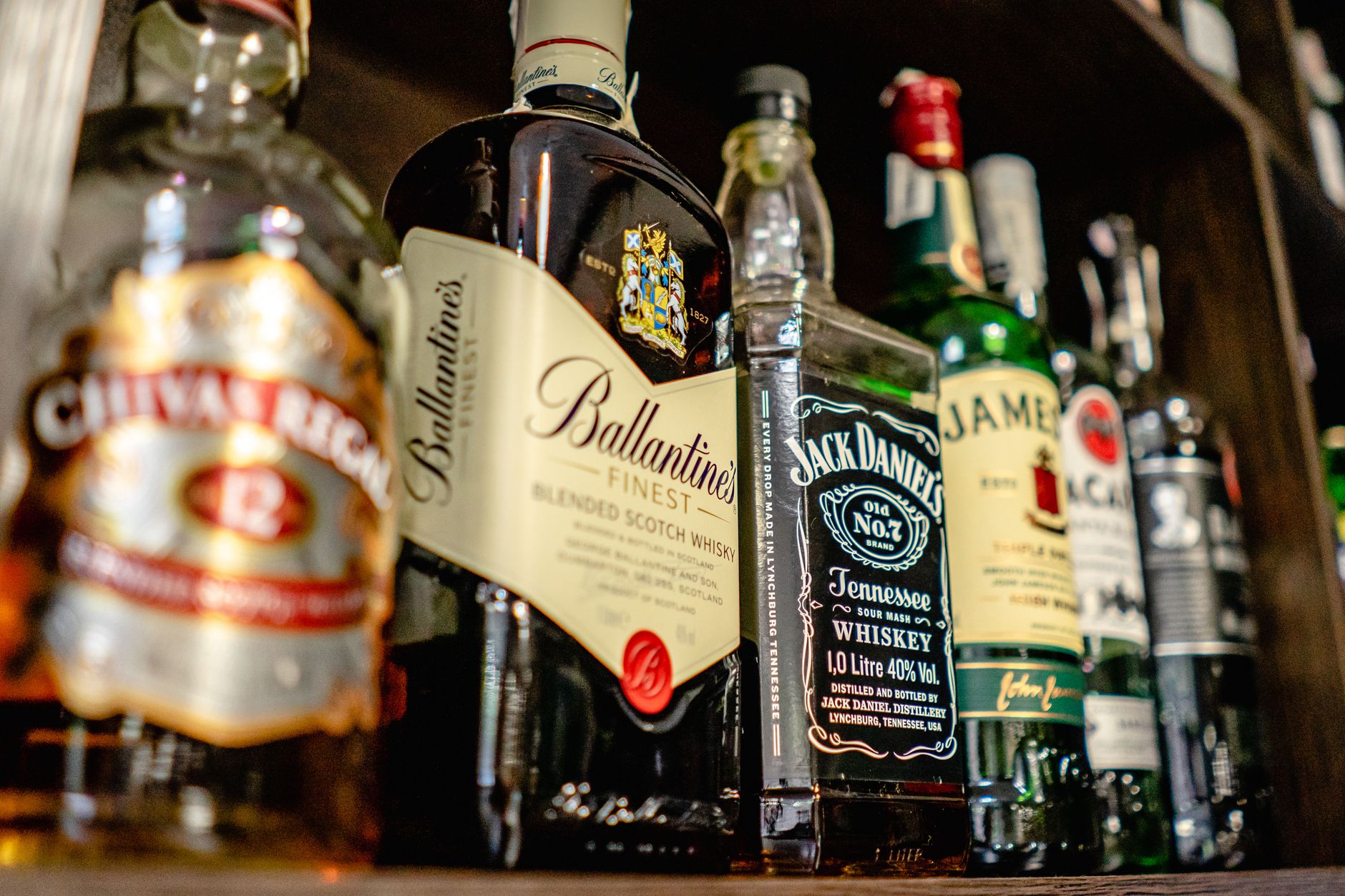
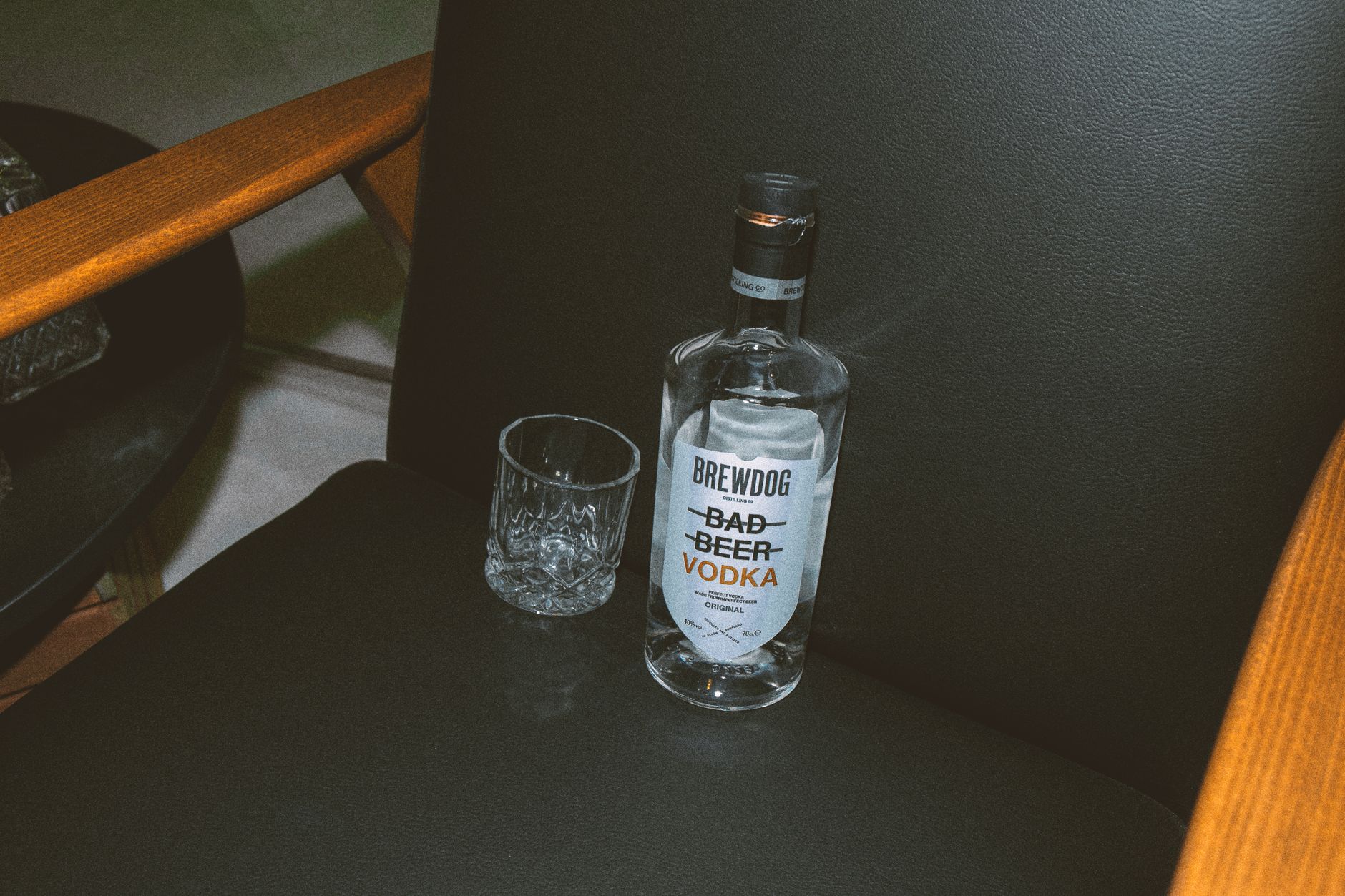
Vodka, gin, whiskey, rum, tequila, and similar spirits with 40% ABV or higher have remarkable shelf lives. Unopened bottles can last for many years without noticeable change. After opening, these spirits gradually lose aromatic compounds, resulting in flatter, less vibrant flavor. However, they remain safe to drink indefinitely if stored properly.
Tips to Extend Open Bottle Lifespan
- Keep bottles tightly sealed to minimize oxygen exposure.
- Store upright in a cool, dark place away from heat or direct sunlight.
- Avoid frequent temperature swings.
Signs Your Liquor Isnt Great Anymore
- Dull or muted aroma compared to when you first opened it.
- Off or harsh flavors that werent present before.
- Discoloration or sediment (rare but possible if additives are present).

Vermouth and Fortified Wines
Fortified wines and vermouth contain lower alcohol than hard spirits, usually around 16-20% ABV. This makes them more susceptible to oxidation and flavor loss after opening. Vermouth especially contains botanicals and sugars that start to degrade within weeks.
Once opened, consume vermouth within 3-4 weeks for best flavor. Unopened bottles can last several months to a year, but storage in a cool, dark place remains crucial.
Beer and Cider Expiration
Beer and cider have significantly shorter shelf lives due to lower alcohol content (typically under 10% ABV) and presence of hop oils and yeast. Even canned or bottled beer is best consumed within 6 months of production to maintain freshness.
Signs of spoiled beer or cider include sour or vinegar-like smells, cloudy appearance if normally clear, or an unusually flat taste.
Wine Shelf Life
Wine is delicate and varies greatly. Quality still wine is best consumed within 1-3 years unopened depending on type. After opening, oxidation starts rapidly, and wine should be finished within 3-5 days for red, or 1-3 days for whites and ros.
Fortified wine types like sherry or port last longer unopened due to added spirits, but still follow similar guidelines once opened.
Specialty Alcohols and Liqueurs
Liqueurs, flavored spirits, and mixers often contain sugars, dairy, or other ingredients that reduce shelf life, especially after opening. For example, cream-based liqueurs like Baileys usually last 6 months sealed and 2 months open in cold storage. Check label recommendations carefully.
Stagg bourbon rarity highlights how some premium whiskies maintain quality for decades when stored properly.
How to Tell If Alcohol Has Gone Bad
Visual Signs
- Cloudiness or particles floating in normally clear spirits.
- Discoloration that doesnt match the usual shade.
- Precipitates or sediment in unfiltered products.
Smell Changes
Off odors such as sour vinegar, nail polish remover-like sharpness, or musty dampness indicate spoilage or oxidation.
Taste Differences
Bitter, flat, or harsh flavors that dont resemble the original profile suggest the alcohol is past peak quality. While not unsafe, these changes impact drink enjoyment.

Liquor Storage Tips
Storage for Unopened Bottles
- Store upright to prevent cork drying and contamination.
- Keep away from direct sunlight and heat sources.
- Maintain temperature between 15-20C (59-68F) for best stability.
How to Store Opened Bottles
- Seal tightly using original cap or cork.
- Store in a cool, dark cupboard or cellar.
- Minimize oxygen exposure by transferring to smaller bottles if volume is low.
Storage Dos and Donts
| Do | Don‘t |
|---|---|
| Keep bottles upright | Store in warm or brightly lit places |
| Seal tightly after each use | Leave open or loosely capped |
| Maintain stable, cool temperature | Expose to frequent temperature swings |
Following these tips ensures your favorite liquor lasts for years without losing charm. For fortified or sweetened beverages, refrigeration after opening often helps preserve freshness.
What Happens If You Drink Expired Alcohol?
Health Risks vs. Flavor Concerns
Consuming alcohol past its prime typically carries minimal health risks aside from general alcohol effects. Spoiled alcohol does not cause poisoning but can have bad taste or cause minor stomach upset in sensitive individuals.
When to Discard
- If the smell is strongly sour or acetone-like.
- If visible mold or foreign growth appears.
- If taste is unpleasantly harsh or chemical.
In most cases, expired alcohol just tastes off. Its safe but unlikely to enhance your experience.
When Its Safe but Not Pleasant
Light oxidation may make old liquor taste flat or dull, but it remains safe to consume. Using it in cooking can be a good option if flavor isnt up to standard.
Flat white vs latte comparisons remind us that small changes in preparation affect final taste just like slight aging alters alcohol.
Is Alcohol Actually Halal What Should I Check?
Alcohol is generally considered non-Halal based on Islamic dietary law. However, some beverages like certain non-alcoholic malt drinks or fermented products may be Halal certified. Check for trusted certification logos from JAKIM, HMC, or IFANCA on labels. These authorities verify ingredients and production processes meet Halal standards.
How Long Does Vodka Last After Opening?
Vodka lasts virtually indefinitely unopened. Once opened, store tightly sealed in a cool, dark place and consume within 1-2 years for best flavor. Quality loss is slow, not dangerous.
Can You Drink Expired Wine?
Wine typically oxidizes quickly after opening, lasting only 3-5 days. Unopened wine older than a few years may lose flavor but is rarely harmful unless spoiled visually or by smell.
Does Beer Expire After Opening?
Beer begins to lose carbonation and flavor immediately once opened. Finish within 24 hours for best experience. Refrigerate opened bottles and discard if sour or badly off.
How Should You Store Alcohol At Home?
Keep unopened bottles upright in a stable, cool (1520C), dark area. After opening, reseal tightly and store similarly. Avoid sunlight and temperature fluctuations that accelerate degradation.
What Are Signs That Liquor Is Still Good?
Clear appearance, pleasant aroma similar to when bought, and expected taste profile indicate liquor is still in good condition. Minor dullness in flavor is acceptable but strong off-notes suggest spoilage.
Can You Use Old Alcohol For Cooking?
Yes, if flavor is off but no spoilage signs appear, old liquor is ideal for cooking where evaporation removes some undesirable notes. This also extends the usefulness of opened or older bottles.
Most Overlooked Buying Mistake
Buying cheap or unbranded liquors often leads to poor quality and faster spoilage. Authentic, Halal-certified brands usually maintain quality and better shelf stability.
Why Cheap Versions Disappoint
Lower-quality products may contain impurities, artificial flavors, or additives that degrade faster, causing off-tastes and clouding sooner than premium spirits.
One Expert Tip
Store liquor in smaller airtight bottles after opening to reduce oxygen contact. This little step can extend your opened bottles life by months.
More You Might Like
Explore the intricate differences between a flat white vs latte to find your perfect coffee match. For whiskey enthusiasts, the story behind Stagg bourbon rarity reveals how aging impacts flavor and collector value.

Your bottles label next time you shop can hint at its quality and suitability for your tastes. Remember, knowing if alcohol expires helps you enjoy drinks responsibly and wisely. Feel free to share your experiences or questions below.
FAQs
Is Does alcohol expire actually Halal — what should I check on the label?
Alcohol itself is generally considered non-Halal under Islamic dietary laws. However, some non-alcoholic or fermented beverages may have Halal certification. Look for trusted certification logos like JAKIM, HMC, or IFANCA on labels to ensure products meet Halal standards.
How long does alcohol last after opening?
High-alcohol spirits can last safely for years once opened but may lose flavor over 1-2 years. Fortified wines like vermouth should be consumed within weeks. Beer and cider should be finished within a day after opening to maintain freshness.
What is the difference between hard liquor and beer in terms of expiration?
Hard liquors with high alcohol content (40% ABV and above) are very shelf-stable and rarely spoil. Beer and cider have lower alcohol and contain hop oils and yeast, making them spoil faster and lose carbonation within months unopened and days after opening.
Is it safe to drink expired alcohol daily?
Drinking expired alcohol typically poses minimal health risks but may taste unpleasant. It’s best to discard alcohol with sour smell, mold, or harsh chemical flavors. Occasional consumption of slightly aged spirits is generally safe but not ideal daily.
Where can I buy quality and Halal-certified alcohol alternatives?
Quality Halal-certified non-alcoholic beverages are available at specialty stores, online Halal marketplaces, and trusted halal supermarkets. Always verify certification marks like JAKIM or IFANCA to ensure authenticity and compliance.