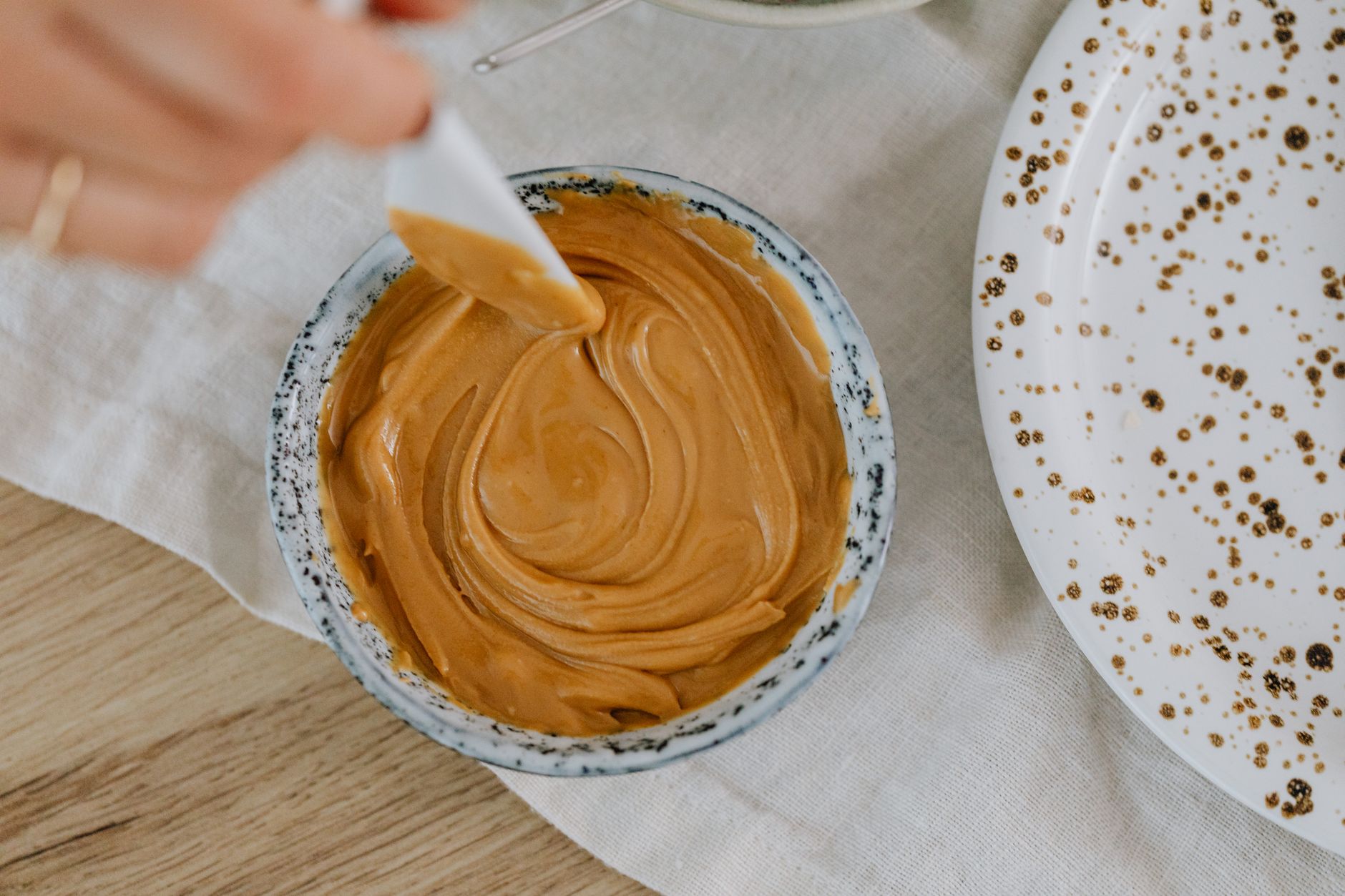
If you think peanut butter is just a mild, creamy spread, wait until you try spicy peanut butter. This bold twist adds more than just heatit delivers a layered flavor experience with cultural roots, impressive nutrition, and versatile culinary uses. Whether you want to explore a unique taste or embrace its potential health benefits, understanding spicy peanut butter opens a world beyond the usual jar.
What Is Spicy Peanut Butter?
Origins and Cultural Significance
Spicy peanut butter, especially popular in Haitian cuisine where it‘s known as mamba, blends the natural richness of peanuts with vibrant spices. In Haiti, this spicy spread isnt just foodits tradition. Peanuts grow abundantly there and are a dietary staple for many families. Adding chili peppers or hot spices transforms the spread into an energizing, flavor-packed companion to many meals.
This spread reflects Haitis love for bold flavors and resourcefulness, turning humble peanuts into a symbol of home and heritage. Its commonly used not only as a snack but as a cooking ingredient to deepen sauces and snacks with a peppery bite.
Key Ingredients That Make It Unique
Typically, spicy peanut butter combines roasted peanuts, finely ground for a creamy texture, with various spices like cayenne pepper, paprika, garlic powder, and sometimes a pinch of salt. Some recipes add palm oil or other vegetable oils to improve spreadability and enhance richness.
The balanced heat usually comes from chili flakes or powdered hot peppers, adjusted by each artisan or family taste. What sets spicy peanut butter apart is this delicate harmony between nutty sweetness and fiery warmth.
Comparison with Other Spicy Nut Butters
Unlike Western commercial spicy nut butters that may rely on sweeteners or synthetic flavor enhancers, Haitian-style spicy peanut butter favors natural, minimally processed ingredients. Its heat tends to be rustic, with a smoky undertone, whereas other varieties, like spicy almond butter or Thai-inspired spicy peanut sauces, may incorporate sugar or tamarind for tanginess.
Health Benefits of Spicy Peanut Butter
Nutritional Breakdown
According to the USDA FoodData Central, peanuts provide around 7 grams of protein and 8 grams of healthy fats per 2-tablespoon serving of peanut butter. Spicy peanut butter retains these nutrients, offering a good dose of monounsaturated fats, vitamin E, magnesium, and fiber. The added chili peppers contribute capsaicin, which research associates with metabolism support and pain relief effects.
Combined, this makes spicy peanut butter a smart choice for those seeking energy-dense snacks with a nutritional punch.
Traditional Medicinal Uses
In Haitian communities, spicy peanut butter has been used not only as food but also for medicinal purposes. The capsaicin in chilies can relieve congestion and boost circulation, while the peanuts healthy fats help sustain energy. Some families give children small amounts to help improve appetite and digestion.
Its warming nature is believed to aid in alleviating cold symptoms or minor inflammations, echoing traditional practices where spicy foods promote internal heat and comfort.
Antioxidant and Anti-Inflammatory Properties
Peanuts contain resveratrol and other antioxidants; when combined with chili peppers compounds, the spread may offer combined anti-inflammatory effects. While more controlled research is needed, these qualities suggest spicy peanut butter supports immune health and oxidative stress reduction.
Balancing Benefits with Risks
Keep in mind, peanuts are a major allergen for many people, so spicy peanut butter is not suitable for everyone. The spiciness can also irritate sensitive stomachs or trigger acid reflux if consumed in excess. Moderation is key, and those with allergies or digestive issues should avoid or limit intake.
Haitis Peanut Industry and Economic Impact
Peanut Farming Overview
Haitis peanut sector is vital for rural livelihoods. Small-scale farmers cultivate peanuts extensively, supplying local markets and home cooking needs. The country‘s climate and soil favor peanut growth, making it a sustainable crop.
Community Support Through Peanuts
Beyond nutrition, the peanut industry generates employment in farming, processing, and artisanal peanut butter production. Many Haitian families rely on peanuts as a primary income source, with spicy peanut butter production offering niche market opportunities locally and abroad.
Challenges and Opportunities
Despite its importance, Haitian peanut farming faces challenges including inconsistent rainfall, limited access to modern equipment, and market fluctuations. However, growing global interest in authentic products could boost artisanal spicy peanut butter exports, improving community incomes.

How to Make Spicy Peanut Butter at Home
| Prep time | Cook time | Total time | Servings | Calories | Diet tags |
|---|---|---|---|---|---|
| 10 minutes | 8 minutes | 18 minutes | 8 | 190 per 2 tbsp | Halal, Gluten-Free, Vegan |
Step-by-Step Recipe
- Step 1: Roast 2 cups of raw peanuts in a preheated oven at 350F (175C) for 8 minutes. Let them cool.
- Step 2: Place cooled peanuts in a high-speed blender or food processor.
- Step 3: Blend until smooth, about 2-3 minutes, scraping down sides occasionally.
- Step 4: Add 1 teaspoon cayenne pepper, teaspoon smoked paprika, teaspoon garlic powder, and teaspoon salt. Blend again until combined.
- Step 5: If needed, add 1 tablespoon neutral oil (like sunflower or peanut oil) to adjust consistency.
- Step 6: Transfer to a clean jar and refrigerate. Let it sit overnight for flavors to meld.
Variations and Customization
You can adjust the heat by adding more or less cayenne pepper. To balance the heat, try mixing in a teaspoon of honey or brown sugar. For chunky texture, reserve cup of roasted peanuts, roughly chop, and stir in after blending.
Storage Tips
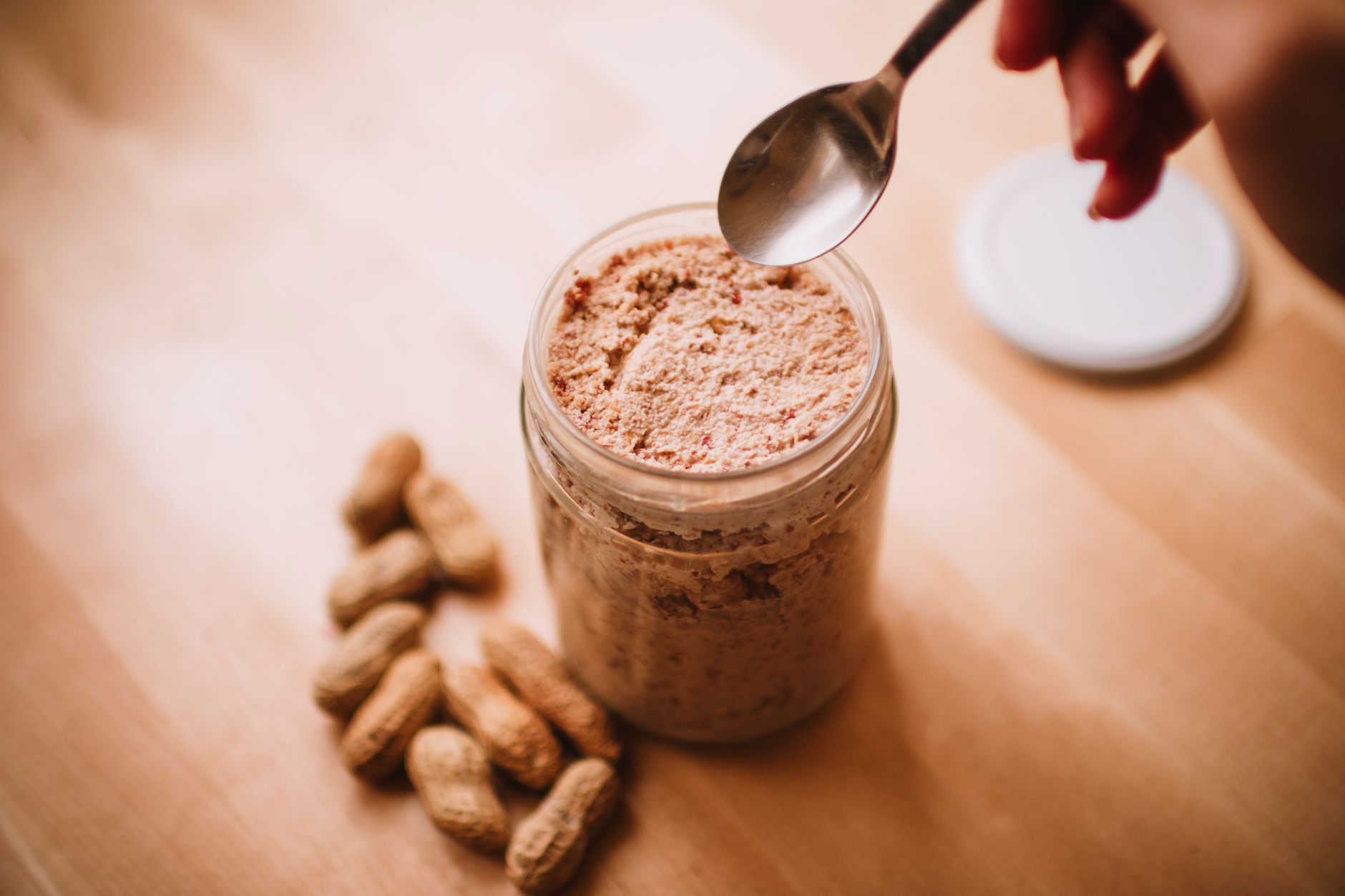
Store spicy peanut butter in an airtight glass jar in the refrigerator. It keeps fresh for 3 to 4 weeks. Always use a clean spoon to avoid contamination. For longer shelf life, freeze portions in ice cube trays for up to 3 monthsthaw before use.
Using Spicy Peanut Butter in Cooking
Traditional Haitian Dishes
In Haitian kitchens, spicy peanut butter enriches soups and stews like soup joumou or peanut-based meats stewed with peppers and herbs. Its often used to prepare dipping sauces for fried plantains or grilled meats.
Creative Global Uses
Outside Haiti, use spicy peanut butter as a sandwich spread mixed with honey and sliced banana. It also works wonderfully in salad dressings or as a marinade base for chicken or tofu, combining sweet, spicy, and nutty notes.
Flavor Pairings
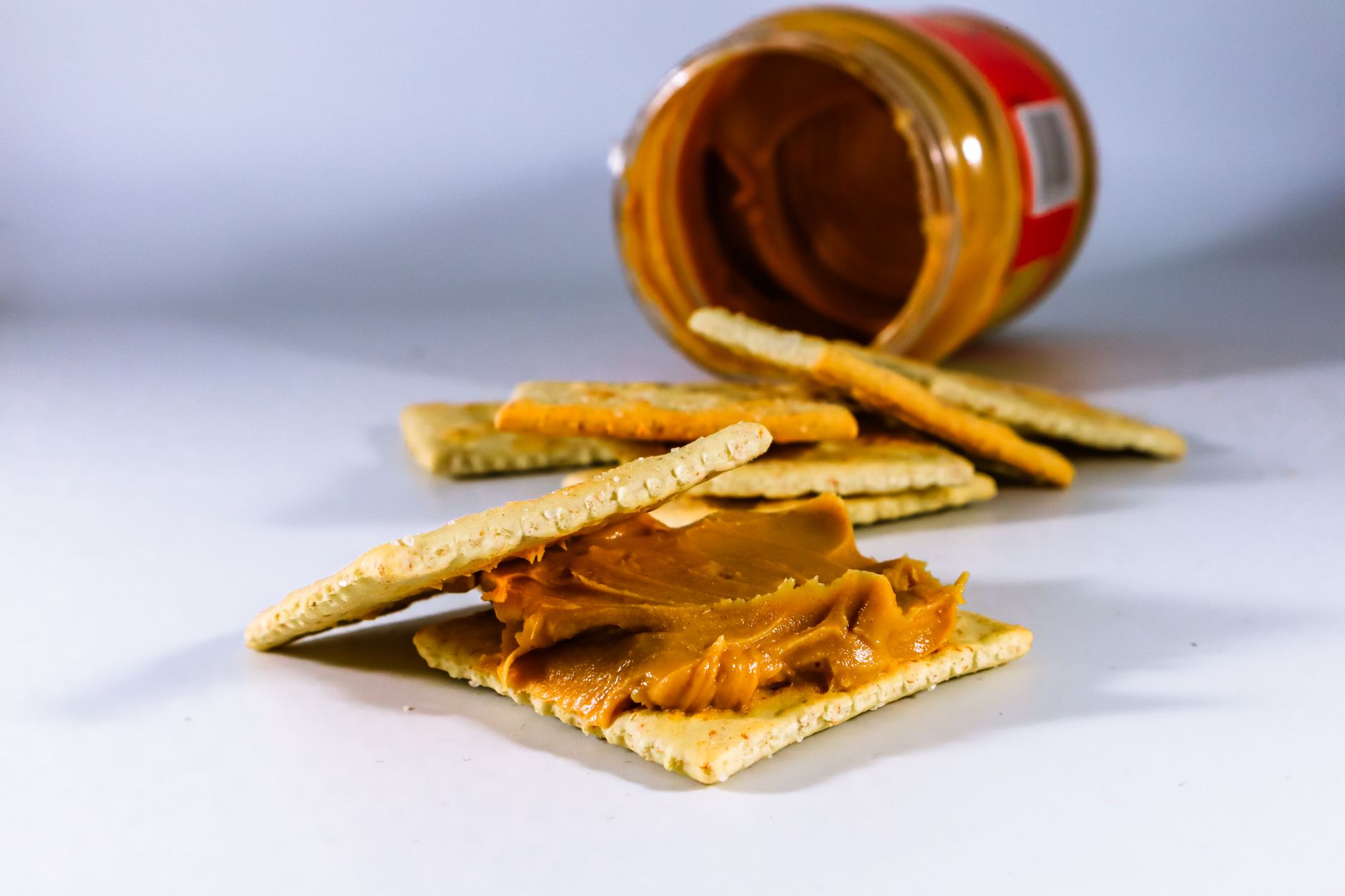
Pair spicy peanut butter with cool, creamy ingredients like yogurt or avocado to balance heat. It complements tangy fruits such as pineapple or mango and enriches crunchy textures like celery or crackers.
Is spicy peanut butter actually Halal what should I check?
Most plain peanut butters are inherently Halal as peanuts and spices are permissible ingredients. For branded spicy peanut butter, look for trusted certification logos like JAKIM, HMC, IFANCA, or other recognized halal certifiers printed clearly on the label. Confirm that no alcohol-based flavorings or animal-derived additives are included.
When is the best time to eat spicy peanut butter?
Spicy peanut butter works well as a morning energy boost, afternoon snack, or even a pre-workout protein source. The heat can invigorate your senses during colder months or whenever you crave something flavorful with substance.
Can I substitute spicy peanut butter in gluten-free diets?
Yes, pure spicy peanut butter is naturally gluten-free. Just check labels to ensure no cross-contamination risks if buying packaged versions. Homemade recipes are naturally safe for gluten intolerance or celiac conditions.
How spicy is spicy peanut butter generally?
Spice levels vary by recipe, but most have a gentle to moderate heat that tingles without overwhelming. You can always adjust spice quantities when making it at home to suit your taste.
Is spicy peanut butter suitable for children?
Small amounts can be introduced cautiously to older children used to mild spices. Avoid it for toddlers or kids prone to allergies or sensitive stomachs, and monitor for any reactions.
How does spicy peanut butter compare nutritionally with regular peanut butter?
It contains similar protein and fat content but adds metabolism-boosting capsaicin from chili peppers. Calories remain roughly the same, typically around 190 calories per 2 tablespoons.
Whats the best way to incorporate spicy peanut butter into halal recipes?
To keep dishes halal-compliant, pair spicy peanut butter with halal-certified meats and fresh vegetables. Use it in sauces, marinades, or as a garnish on halal-friendly grain bowls for extra flavor.
Pro Tips for Spicy Peanut Butter Lovers
One common mistake is buying cheap pre-made spicy peanut butters packed with preservatives and excessive sugars that mask peanut flavor. Choose products with clean labels and recognizable Halal certification marks.
When making it at home, roast your own peanuts for deeper aroma and avoid over-blending, which can cause release of peanut oils and grain your texture. Expert tip: stir in finely chopped toasted coconut or ground cardamom for a nuanced flavor upgrade.
More You Might Like
If you enjoy bold flavors, explore this Unique pizza article full of surprising combinations that shake up traditional toppings.
For careful product choices, check out the guide on Frozen meals to avoid to keep your diet clean and nutritious.
Conclusion
Spicy peanut butter offers a rich, textured experience born from culture, nutrition, and culinary creativity. Whether stirred into a stew or spread on toast, its a uniquely flavorful spread worth exploring. Next time you shop or seek new recipes, consider this bold peanut blendand dont hesitate to leave a comment sharing how you enjoy your spicy peanut butter!
FAQs
When is the best time to eat or drink spicy peanut butter?
Spicy peanut butter works well as a morning energy boost, an afternoon snack, or a pre-workout protein source. Its spicy flavor can invigorate your senses during colder months or whenever you want a flavorful snack with substance.
How long does spicy peanut butter last after opening?
When stored properly in an airtight glass jar in the refrigerator, spicy peanut butter stays fresh for 3 to 4 weeks. To extend shelf life, you can freeze it in portions for up to 3 months. Always use a clean spoon to prevent contamination.
How does spicy peanut butter differ nutritionally from regular peanut butter?
Spicy peanut butter has similar protein and fat content to regular peanut butter but includes capsaicin from chili peppers, which may boost metabolism. The calories remain about the same, roughly 190 calories per 2 tablespoons.
Is it safe to eat spicy peanut butter daily?
Eating spicy peanut butter daily is generally safe if consumed in moderation. However, those with peanut allergies, sensitive stomachs, or acid reflux should avoid or limit intake. Adjust spice levels to your tolerance to prevent irritation.
Where can I buy authentic spicy peanut butter?
Authentic spicy peanut butter can be found in specialty food stores, online marketplaces, or stores that carry Haitian or artisanal products. Look for clean labels, minimal additives, and halal certification if needed.