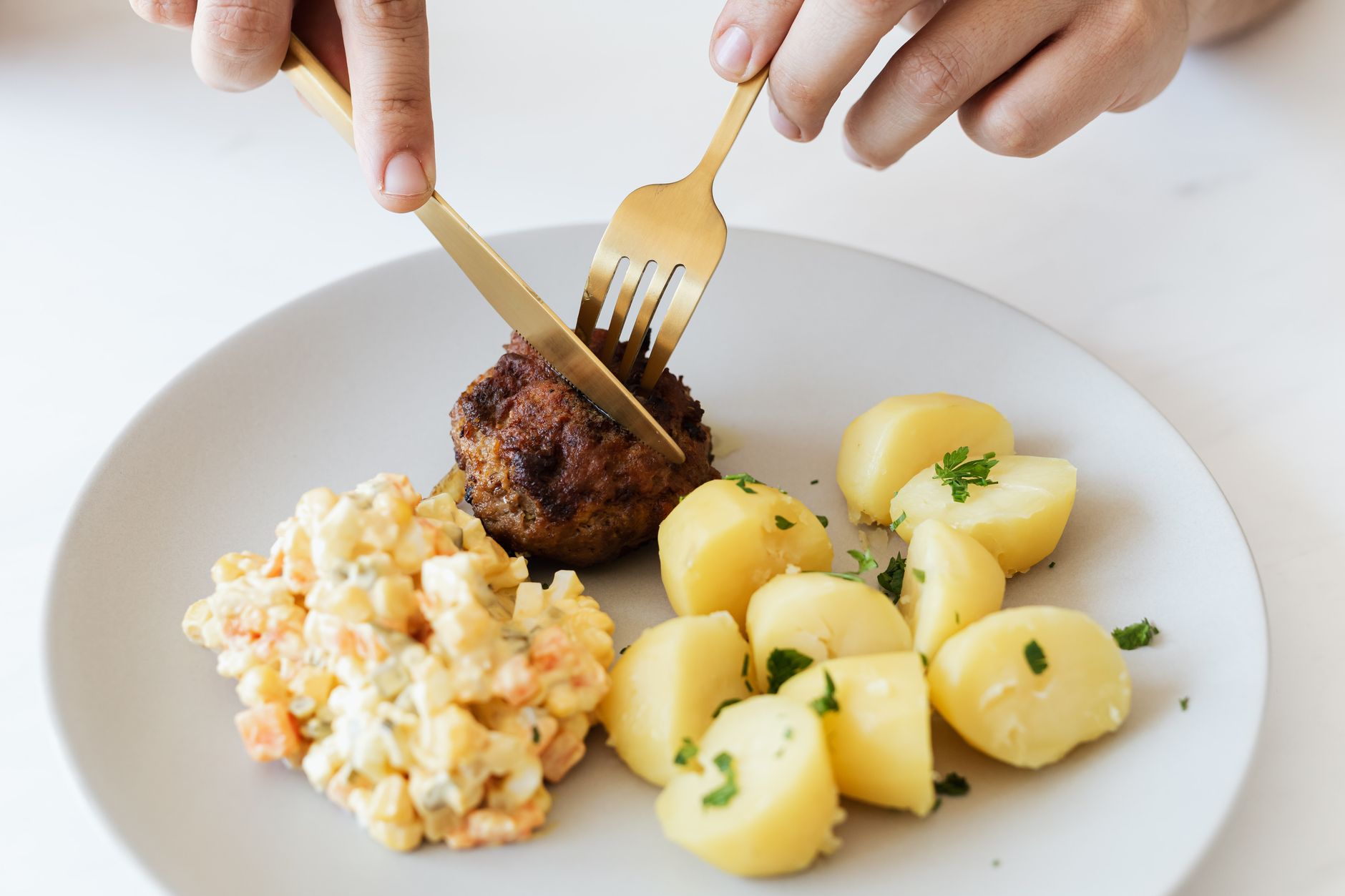
Canned whole chicken might seem like an old-fashioned pantry oddity, but this unusual product offers more history, convenience, and culinary potential than you might guess. If youve spotted a can tucked away at the back of a shelf or wondered about its safety and taste, heres what you need to know. From how it was made to its unique mid-century charm, well explore everything that makes canned whole chicken both fascinating and practical.
What Is Canned Whole Chicken?
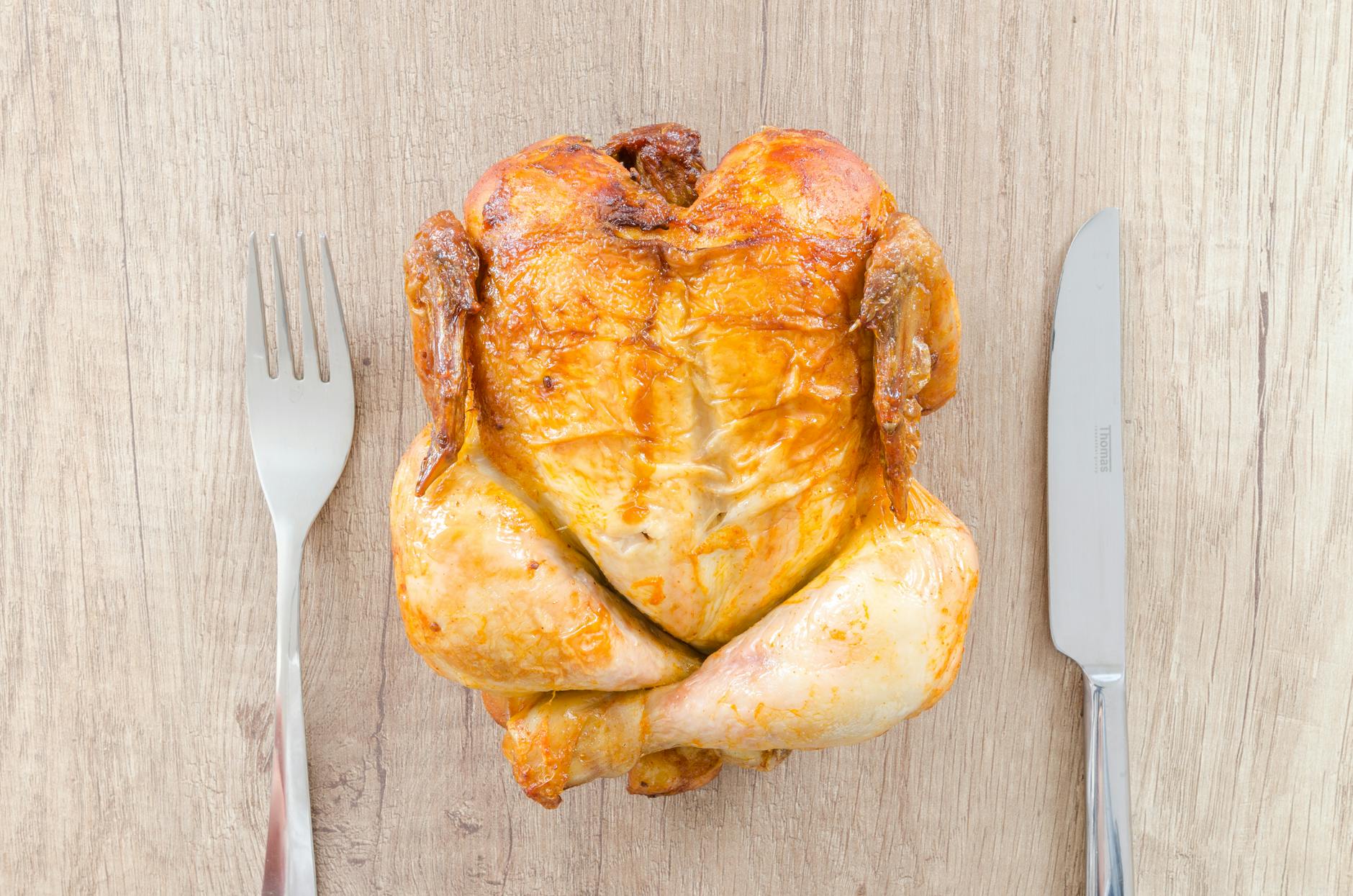
Canned whole chicken is exactly what it sounds like: a fully cooked, preserved whole chicken sealed in a can. Unlike diced or shredded canned chicken, this product contains an entire chicken, usually boneless and compacted tightly during processing. It was once a staple in many U.S. pantries during the mid-20th century, prized for its exceptional shelf life and convenience.
Back when refrigeration was less common, canned whole chicken saved time and helped reduce waste. Food historians note that this product appealed to home cooks who wanted an all-in-one protein source that could stretch meals without losing nutrition or flavor.
How Was Canned Whole Chicken Made and Preserved?
The production process involves cooking a whole chicken inside a sealed metal can using heat sterilization methods. The sealed can ensures airtight preservation, preventing bacteria growth. The chicken is typically pre-cooked, sometimes pressure-cooked, before sealing. This method locks in moisture and inhibits spoilage for years when unopened.
This differs from canned chicken chunks, which typically contain smaller pieces with added broth or seasoning. Whole canned chicken retains a unique, compact texture, sometimes described as dense or gelatinous due to the canning process.
| Product | Cooking Method | Preservation | Texture | Common Packaging |
|---|---|---|---|---|
| Canned Whole Chicken | Pressure cooked and sealed | Heat sterilized, airtight | Dense, firm, compact | Metal cans, 12-16 oz |
| Canned Chicken Chunks | Cooked, shredded or chunked | Heat sterilized, sealed jar or cans | Loose, tender | Plastic tubs, cans |
| Spam (Pork Meat) | Cooked, canned | Heat sterilized, sealed | Firm, sliced | Rectangular cans |
Mid-Century Recipes Featuring Canned Whole Chicken
In the 1940s through 1960s, canned whole chicken showed up in a variety of homemade soups, stews, and casseroles. Housewives prized it for cutting down time spent prepping meat but still providing a hearty protein.
Common vintage recipes included chicken pot pie fillings, chicken and dumplings, and creamy casseroles topped with biscuits. Many of these dishes reflected the eras penchant for convenience mixed with comfort. Cookbooks from that time reveal how canned whole chicken was a go-to for economical, filling meals that could be made from pantry staples.
The ability to use an entire chicken without needing a cutting board or knives set it apart from fresh poultry or canned chicken parts. In fact, chefs experimenting with retro foods occasionally resurrect these recipes as a way to explore culinary history and nostalgic tastes.
How Does Canned Whole Chicken Compare to Todays Cooked Canned Chicken?
Canned whole chicken differs from modern cooked canned chicken products both in form and flavor. Todays canned chicken often consists of shredded or chunked white meat, with a mild flavor and tender texture.
By comparison, whole canned chicken has a denser, sometimes gelatinous texture because of the compact canning process and inclusion of dark meat or skin in some versions. Consumer preference shifted as fresh chicken became more accessible and convenient shredded canned varieties better fit fast-paced lifestyles.
Heres a simple vintage-inspired recipe to try if you want to experience canned whole chicken as it was once enjoyed:
| Prep Time | Cook Time | Total Time | Servings | Calories | Diet Tags |
|---|---|---|---|---|---|
| 15 minutes | 30 minutes | 45 minutes | 4 | 320 per serving | Halal, Gluten-Free |
Vintage Canned Whole Chicken Pot Pie
- 1 can of whole canned chicken, shredded
- 1 cup frozen mixed vegetables
- 1 cup chicken broth
- 1/2 cup milk
- 3 tbsp butter
- 3 tbsp flour
- Salt and pepper to taste
- Pie crust or biscuit dough for topping
Instructions:
- Preheat oven to 375F (190C).
- In a saucepan, melt butter over medium heat. Whisk in flour and cook for 1 minute.
- Gradually whisk in chicken broth and milk until smooth. Cook for 5 minutes until thickened.
- Stir in shredded canned chicken and vegetables. Add salt and pepper.
- Pour mixture into a pie dish and cover with crust or biscuits.
- Bake for 2530 minutes until topping is golden.
Benefits and Risks of Canned Whole Chicken
Canned whole chicken offers several advantages. Its rich in protein, convenient for quick meals, and boasts a long unopened shelf lifetypically 3 to 5 years when stored in a cool, dry place. Its airtight packaging preserves nutrients and flavor without refrigeration before opening.
However, there are some risks and considerations:
- High Sodium: Many canned meats, including whole chicken, contain 400600 mg sodium per serving or more, which may affect those monitoring salt intake.
- Preservatives: Some versions include added stabilizers or flavor enhancers. Always check the label to avoid unwanted additives.
- Texture and Taste: The firm, gelatinous texture may not appeal to everyone.
- Allergens: Occasionally, canned chicken may list soy protein or other allergens.
From a Halal perspective, make sure the product carries recognized certification logos such as JAKIM, HMC, or IFANCA. These confirm the chicken was slaughtered according to Islamic law and processed under strict guidelines. Halal-certified canned chicken usually lists the certification logo clearly on its label.
Is It Safe to Eat Vintage or Expired Canned Whole Chicken?
Unopened canned whole chicken past its best-by date may still be safe if the can shows no signs of damage no bulges, rust, leaks, or dents near the seams. However, taste and texture often degrade over time.
Once opened, canned whole chicken should be refrigerated promptly and eaten within 3 to 4 days. If you notice off smells, discoloration, or sliminess, discard immediately. Food safety experts agree: when in doubt, throw it out. Proper storage helps avoid risk of bacterial contamination.
Reasons for Declining Popularity
Canned whole chicken slowly disappeared from grocery shelves as consumer habits evolved. The rise of fresh poultry availability, advances in refrigeration, and preference for quicker, more palatable canned meats like shredded chicken lessened its demand.
Economic factors also played a role. Whole canned chicken is relatively labor-intensive for manufacturers and less convenient than portioned products. Convenience food trends favored sliced, diced, or ready-to-eat meats with milder flavors and softer textures.
Today, many shoppers prefer fresh or frozen halal chicken options. Still, canned chicken varieties remain common under broader categories of Prepared foods, especially in emergency kits or specialty markets.
Modern Uses and Nostalgic Revival
Canned whole chicken has a small but devoted niche. Some vintage food enthusiasts and collectors seek it for nostalgic recipes or historical curiosity. Chefs experimenting with retro dishes sometimes revive canned whole chicken to create authentic mid-century flavors.
Thrift stores and specialty halal markets occasionally stock older or regional canned whole chicken brands. Many halal-certified canned chicken options also remain on market shelves but focus on newer formslike seasoned shredded chickenfor todays consumers.

Is canned whole chicken actually Halal what should I check?
Check the packaging for a trustworthy Halal certification logo such as JAKIM, HMC, or IFANCA. These bodies ensure the chicken was slaughtered and processed according to Islamic law. Ingredients must be free from non-Halal additives or cross-contamination. If certification is absent, its safer to avoid.
How long can canned whole chicken be stored?
An unopened can lasts 3 to 5 years stored in a cool, dry place. After opening, refrigerate unused portions in an airtight container and consume within 3 to 4 days to maintain safety and flavor.
Can canned whole chicken replace fresh chicken in recipes?
It can substitute in cooked dishes like stews or casseroles but expect a firmer texture and more concentrated flavor. Its less ideal for recipes requiring fresh chickens juiciness or browning.
Does canned whole chicken have a strong flavor?
It tends to have a salty, savory, and slightly gelatinous taste due to canning. Some find it mild, while others find it distinctive compared to fresh chicken.
What allergens to watch for in canned whole chicken?
Check labels carefully. Some contain soy protein or preservatives that may trigger allergies. Gluten is rare but possible if additives are present.
Is canned whole chicken a good protein source?
Yes, it offers about 1520 grams of protein per 3-ounce serving. It also contains vitamins and minerals naturally occurring in chicken, protected by canning.
Can canned whole chicken be used for Halal meal prep?
Absolutely. When Halal-certified, it offers convenient preparation for meal kits or ready-to-eat dishes. Just be mindful of sodium content for daily health.
Pro Tips When Buying Canned Whole Chicken
- Certification is key: Dont compromise on Halal logos. A missing or ambiguous certification should raise red flags.
- Dont buy solely on price: Cheap canned chicken may use inferior cuts or excess fillers, affecting flavor and safety.
- Read ingredients carefully: Look for clean labels with chicken, water, salt, and minimal additives.
- Check can condition: Avoid cans with dents, rust, or bulging tops which could indicate spoilage.
- Know your use: If you want milder, softer canned chicken, opt for shredded or chunked varieties over whole canned chicken.
More You Might Like
Discover easy breakfast inspiration with Wendy‘s breakfast sandwichesa convenient, Halal-certified choice ready in minutes. Also, check out our comprehensive guide to Prepared foods for more versatile and safe meal solutions.

Buying Checklist for Canned Whole Chicken
| Certification | Price Range | Common Formats | Shelf Life | Key Allergens |
|---|---|---|---|---|
| JAKIM, HMC, IFANCA | $3$8 per can (1216 oz) | Whole cooked chicken, boneless | 35 years unopened | Possible soy, trace gluten in additives |
Next time you browse canned poultry, give the label a close look. Canned whole chicken may seem unusual but offers a unique blend of Halal assurance, shelf stability, and culinary legacy. Whether you want to try a vintage-inspired recipe or need a reliable pantry protein, its worth a second glance. Feel free to share your thoughts or family stories about canned foods in the comments below!
FAQs
Is canned whole chicken actually Halal — what should I check on the label?
Check the packaging for recognized Halal certification logos such as JAKIM, HMC, or IFANCA. These confirm the chicken was slaughtered and processed according to Islamic law. Also, review the ingredient list to ensure no non-Halal additives or cross-contamination. Avoid products without clear certification.
How long can canned whole chicken be stored after opening?
Once opened, canned whole chicken should be refrigerated promptly in an airtight container and consumed within 3 to 4 days to maintain flavor and prevent bacterial growth.
How does canned whole chicken compare to shredded or chunked canned chicken?
Canned whole chicken retains a denser, firmer texture and sometimes a gelatinous quality due to the canning process. In contrast, shredded or chunked canned chicken is softer, milder in flavor, and often more convenient for quick meals.
Is canned whole chicken safe for daily consumption regarding sodium and preservatives?
While canned whole chicken is a good protein source, it often contains high sodium levels and sometimes preservatives. Moderation is recommended, especially for those monitoring salt intake or sensitive to additives.
Where can I buy Halal-certified canned whole chicken?
Halal-certified canned whole chicken is available in specialty halal markets, some grocery stores with international aisles, and online halal food retailers. Always verify certification labels before purchase.