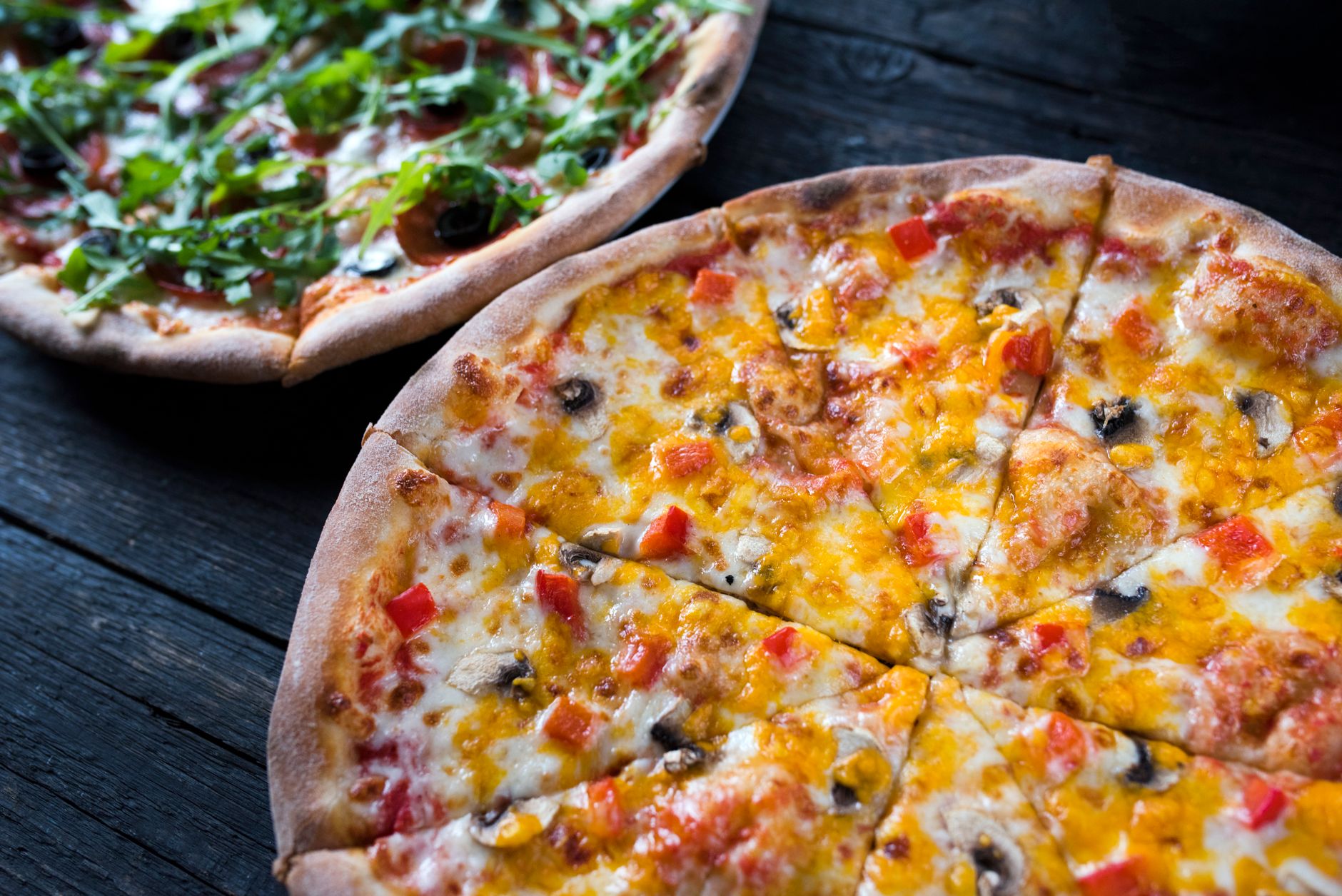
Theres an international pizza chain quietly competing with your favorite fast food brands worldwideeven outselling some well-known U.S. giants. Yet, in the United States, it remains almost invisible. This global pizza powerhouse is reshaping pizza culture across continents, blending local flavors with fast, reliable delivery. If you love pizza or want to understand the global food scene better, learning about this international pizza chain offers fresh insights.
What is This Pizza Chain?
The international pizza chain were talking about started humble but quickly grew into a major player outside the U.S. Founded in the early 1980s in Eastern Europe, it now operates over 3,000 outlets across more than 15 countries. Unlike familiar American chains, it mixes traditional pizza styles with local ingredients to fit diverse tastes. Its unmatched reach outside the U.S., paired with modest efforts for domestic expansion, is why it mostly stays under American radar.
Which Countries Favor This Chain?
This pizza chain is especially popular across Eastern Europe, Russia, parts of the Middle East, and Southeast Asia. Key markets include Poland, Turkey, Saudi Arabia, UAE, and Indonesia, where it ranks as a top fast food choice. Local tastes, such as spiced meats or Halal-certified menu items, have boosted acceptance and made it a staple in these communities.
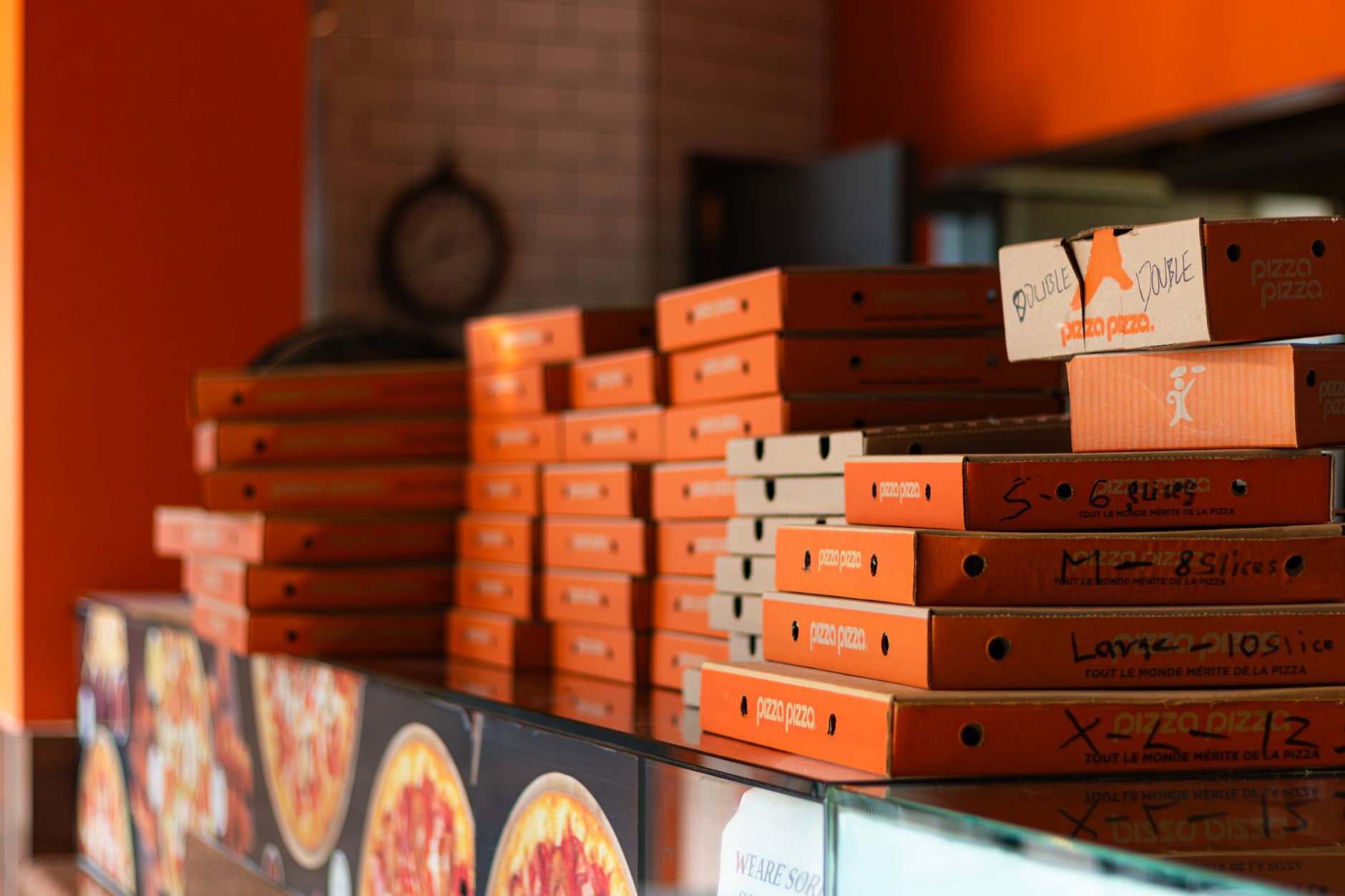
Cultural preferences for bold flavors and fresh toppings helped the chain adapt quickly. In Middle Eastern markets, adherence to strict Halal standards enhances trust. Meanwhile, in Asia, creative fusion pizzas with seafood and sweet sauces deepen its popularity.
What Makes This Chain Different?
This brands uniqueness lies in its blend of global consistency and local customization. The menu is not a carbon copy of U.S.-style pizzas. Instead, it features regionally inspired toppings like lamb kebab, zaatar, or paneer. Marketing leans heavily on local festivals, social media campaigns, and family-friendly promotions. The chain often outperforms global giants like Dominos or Pizza Hut in its core countries thanks to this tailored approach.
Global Pizza Market Overview
Worldwide, pizza is among the fastest-growing fast food segments. International pizza chains face stiff competition not only from each other but also from burger, fried chicken, and sandwich chains. As tastes shift toward convenience and healthier options, chains compete on speed, menu variety, and ingredient quality.
What Trends Shape International Pizza Chains?
Consumers outside the U.S. increasingly demand transparent ingredient sourcing, more vegetable-rich options, and faster delivery. Tech advances like contactless ordering and AI-driven customer insights play crucial roles. Social media influencers often highlight unique, local twists on pizza, elevating brand profiles instantly.
Leading Global Pizza Players Compared
| Pizza Chain | Revenue (Billion USD) | Geographic Reach | Estimated Locations | Menu Highlights |
|---|---|---|---|---|
| International Pizza Chain (unnamed) | 1.8 | Europe, Middle East, Asia | 3,000+ | Local flavors, Halal options, fusion pizzas |
| Dominos | 4.3 | Global | 18,000+ | Classic American style, delivery focus |
| Pizza Hut | 3.5 | Global | 7,000+ | Pan pizzas, dine-in and delivery |
Benefits and Risks
Choosing pizza from this international chain offers many perks: consistently tasty pizza, respect for local dietary restrictions, and innovative menus infused with tradition. Their Halal certifications in Muslim-majority countries ensure consumers enjoy authentic and lawful food according to Islamic law, verified by bodies like JAKIM and HMC.
However, challenges exist. Quality control can vary by location, as local suppliers and cooks may impact consistency. Some customers find the spice levels or ingredient choices unusual compared to U.S. pizza expectations. Supply chain disruptions in certain countries also occasionally affect freshness.
What Should Pizza Fans Consider?
If you try this chain abroad, check for Halal certification marks, especially if Halal compliance matters to you. Also, ingredient transparency is keywarnings about allergens like gluten and dairy should always be clearly stated. Healthy eaters should watch sodium levels, as some pizzas can contain upwards of 700mg per slice, according to regional nutritional data.
Exploring additional fast food choices? Try searching for Breakfast sandwiches near me to expand your options beyond pizza.
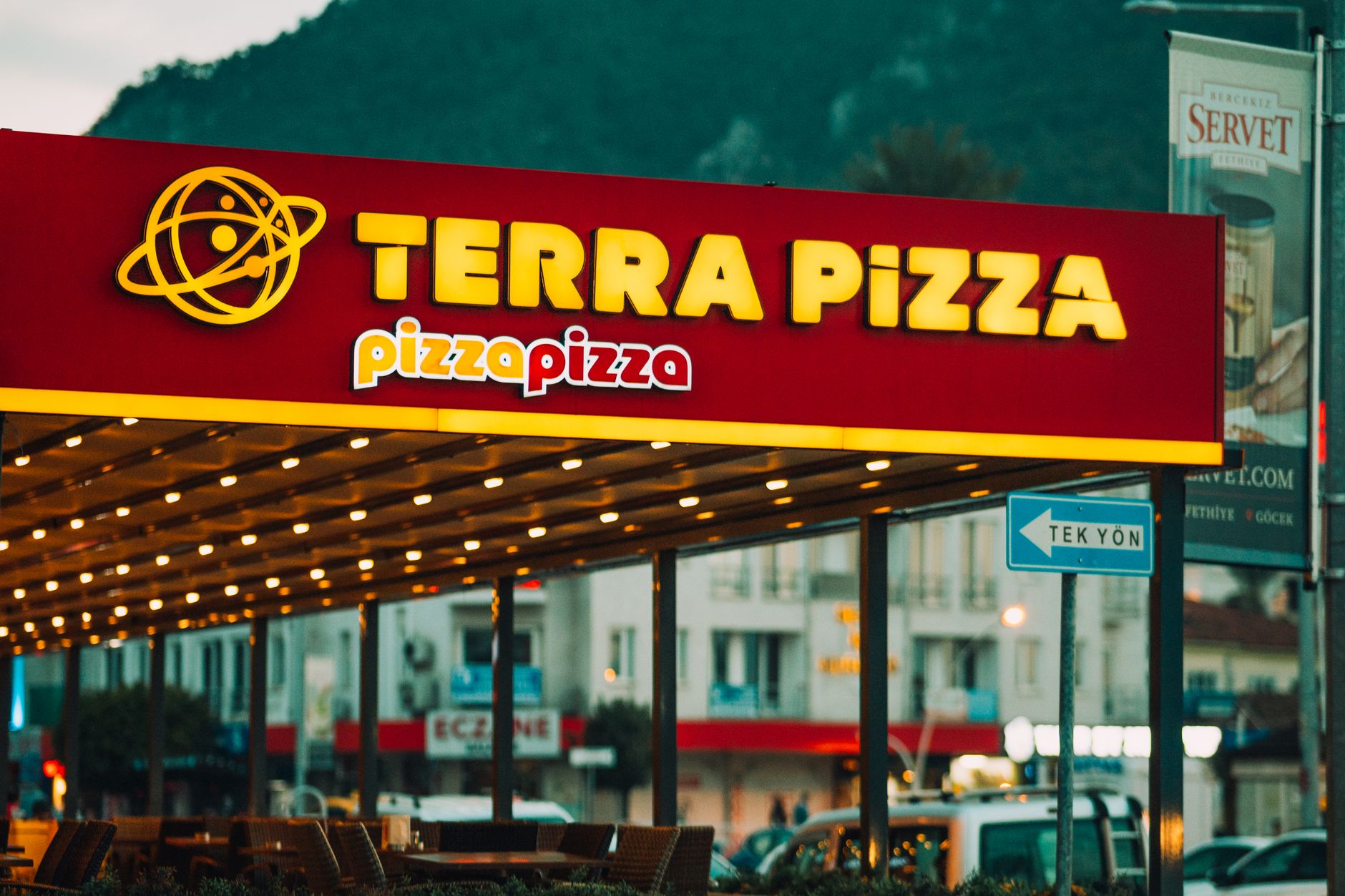
Expert and Real-World Views
Food industry analysts note that this pizza chain leverages local culinary culture effectively. Its market success stems from respecting halal and dietary norms, localizing flavors, and using digital platforms well, says a prominent food market analyst. Staff interviews reveal strong emphasis on training and community engagement, which builds customer loyalty.
Impact on Local Economies and Culture
This chain often partners with local farms and suppliers to source fresh ingredients, creating thousands of jobs. Its Halal-certified supply lines support regional producers meeting stringent quality standards. By offering pizza varieties inspired by local recipes, it influences broader food trends and challenges competitors to diversify menus.
Why Low U.S. Profile?
Despite global dominance, fierce U.S. fast food competition and complex market regulations keep this chain from major stateside inroads. American pizza preferences tend toward familiarity, making consumer adoption challenging. Its international management has cautiously explored U.S. plans but faces hurdles like real estate costs and intense brand loyalty to established chains.
Will It Become Big in the U.S.?
| Strengths | Weaknesses | Opportunities | Threats |
|---|---|---|---|
| Strong international reputation Unique local flavors Halal-certified menus | Limited brand recognition in U.S. High entry costs Different taste preferences | Growing multicultural populations Demand for diverse foods Potential franchise partners | Established U.S. pizza brands Regulatory hurdles Consumer skepticism |
Similar in ambition to chains like Little caesars pizza, the path to U.S. market share remains uncertain but intriguing.
Is this international pizza chain actually Halal what should I check?
Yes, where Halal claims are made, the chain ensures certification from recognized authorities like JAKIM or HMC. Look for official logos on packaging or storefronts. Ingredients must exclude pork, alcohol, and unclean slaughter practices. Checking the certification date and verifying the certifying body ensures compliance.
What toppings or pizzas are unique to this chain?
Youll find options like spiced lamb with sumac, vegetable medleys with zaatar, and seafood combos tailored to local tastes. Their vegetarian and Halal-friendly options are extensive, reflecting cultural dietary habits.
Are the pizzas healthier than typical fast food options?
Some variants offer whole wheat crusts, light cheese options, and fresh vegetables. However, sodium and fat levels can still be moderate to high, so moderation is key when eating frequently.
Can I order delivery or takeaway safely during travel?
Yes, the chain emphasizes hygiene and contactless delivery worldwide. Most branches comply with local food safety regulations and maintain clean kitchens with certified staff.
How does this chain accommodate allergies?
Allergens like gluten, nuts, and dairy are identified on menus and labels, though cross-contamination may occur in some locations. Always ask staff for allergy information.
Does the chain offer vegan or gluten-free options?
Vegan pizzas with dairy-free cheese and gluten-free crusts appear in select markets, especially where demand is growing. Availability varies significantly.
What loyalty programs or discounts do they offer?
Many international markets enjoy mobile app discounts, meal bundles, and seasonal promotions. Loyalty points can be redeemed for free items or upgrades.
Buying Tips for Trying International Pizza Chains
- Avoid the cheapest pizzas; they may skimp on quality ingredients or Halal certifications.
- Look for clear Halal logo presence if that matters to you.
- Try medium spice or classic toppings first to gauge texture and flavor balance.
- Check nutritional info for sodium or fat levels if youre health-conscious.
- Use the brands official app or website for accurate menu details and promotions.
More You Might Like
If you want to explore beyond pizza, check out our guide to Breakfast sandwiches near me. Considering other popular pizza brands? Learn about Little caesars pizza and what makes it a fast favorite.
Conclusion
The international pizza chain is a fascinating example of how pizza adapts and thrives outside U.S. borders. Its Halal-certified, locally inspired menus prove global tastes are diverse and evolving. Next time you see a slice from abroad, check the label and give it a tryyou might discover a new favorite beyond your usual pizza choices.
FAQs
Is international pizza chain actually Halal — what should I check on the label?
Yes, the international pizza chain offers Halal options certified by recognized authorities like JAKIM or HMC. Look for official Halal logos on packaging or storefronts and verify the certification date to ensure compliance with Islamic dietary laws.
What unique toppings or pizzas does this international chain offer?
The chain features regionally inspired toppings such as spiced lamb with sumac, zaatar vegetable medleys, and seafood combinations. It also offers extensive vegetarian and Halal-friendly options that reflect local cultural tastes.
Are pizzas from this chain healthier than typical fast food options?
Some menu items include whole wheat crusts, lighter cheese choices, and fresh vegetables, but sodium and fat levels can still be moderate to high. Moderation is recommended for frequent consumption.
Can I safely order delivery or takeaway from this international pizza chain while traveling?
Yes, the chain prioritizes hygiene and contactless delivery worldwide. Most locations comply with local food safety regulations and maintain clean kitchens staffed with certified employees.
Does this pizza chain accommodate dietary allergies and offer vegan or gluten-free options?
Allergens like gluten, nuts, and dairy are clearly identified on menus, though cross-contamination risks exist. Vegan pizzas with dairy-free cheese and gluten-free crusts are available in select markets where demand is high.