You open the fridge door, spot the egg carton, and wonder: are these still safe to eat? You are not alone. Most people struggle with exactly how long eggs last refrigerator storage can extend their freshness. The short answer is 3 to 5 weeks from the pack date, but the real story depends on how you handle them. Let us walk through the best practices, the warning signs, and the science behind egg storage so you never have to guess again.
How to Store Eggs Safely in the Refrigerator
Whats the Best Place in the Fridge for Eggs?
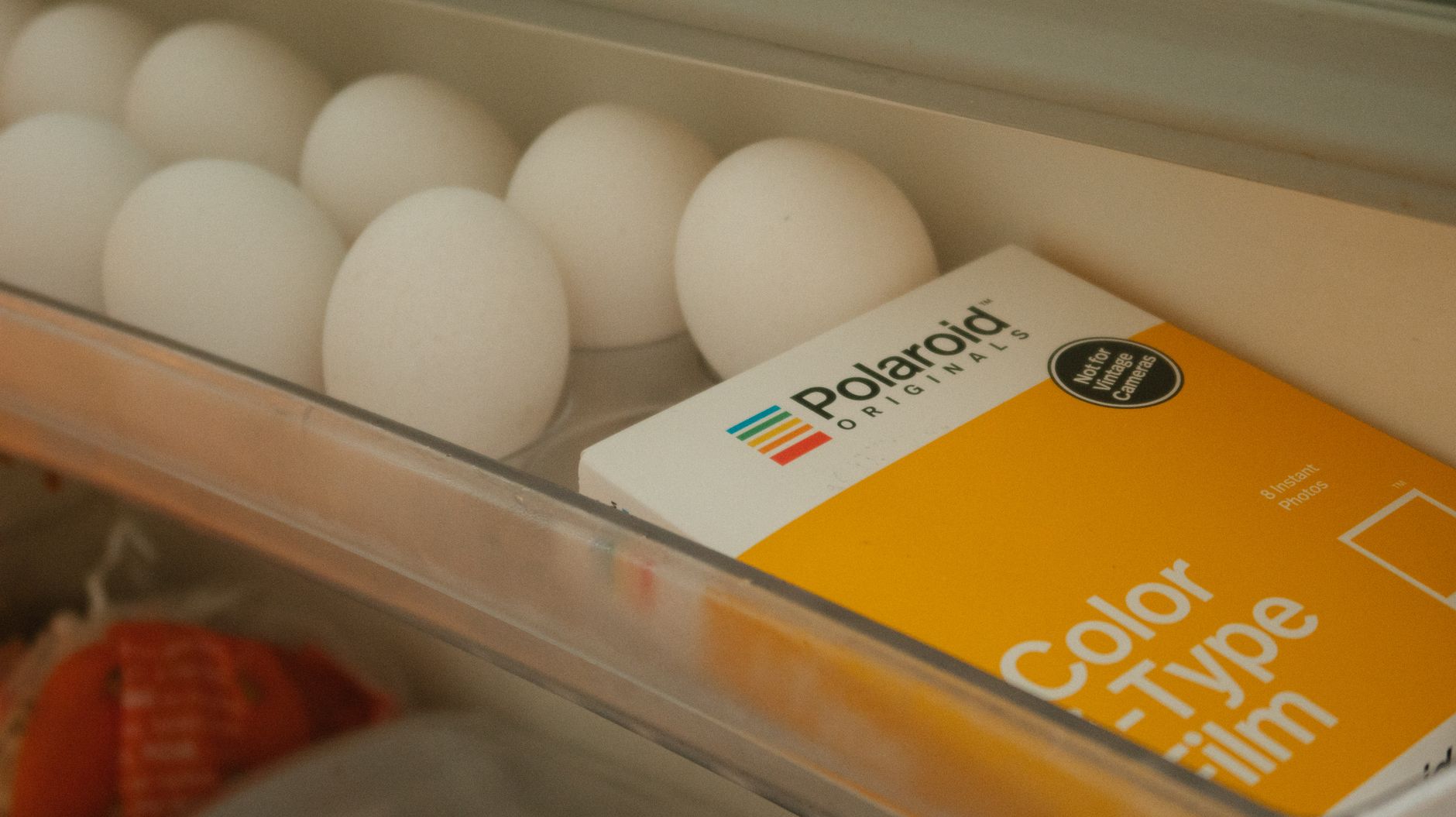
The fridge door might seem convenient, but it is the warmest spot in your refrigerator. Temperature swings every time you open the door cause condensation and speed up spoilage. Instead, place your egg carton on an interior shelf near the back, where the temperature stays consistently below 40F (4C). Keep the eggs in their original carton to protect them from absorbing odors and to maintain humidity levels.

Should Eggs Be Washed Before Refrigerating?
Washing eggs removes the natural protective bloom that seals the shell pores. In many countries, commercial eggs are already washed and sanitized, which is why they must be refrigerated. If you wash them again at home, you risk pushing bacteria through the shell. The best approach is to leave them as they come from the store. Only rinse them right before cooking if they are visibly dirty.
Tips for Maintaining Optimal Egg Freshness
- Set your fridge thermometer at 38F to 40F (3C to 4C).
- Store eggs away from strong-smelling foods like onions or fish shells are porous and can pick up odors.
- Keep eggs in their carton rather than the egg tray; the carton adds a layer of protection.
- Rotate your stock: use older eggs first and mark the date if needed.
Eggs Expiration Date What Does It Really Mean?
Understanding Sell-By, Use-By, and Expiration Dates on Eggs
The "sell-by" date tells the store how long to display the eggs. It is not a safety date. "Use-by" or "expiration" dates are more reliable, but eggs often remain safe for 3 to 5 weeks beyond that if refrigerated properly. The USDA states that eggs can be consumed 4 to 5 weeks after the pack date, even if the sell-by date has passed. Always check the Julian date (the three-digit number on the carton) that indicates the day the eggs were packed.
How Long Do Eggs Last Past Their Expiration?
When stored continuously at 40F or below, eggs can stay fresh for up to 5 weeks after the pack date. That means you might have a week or two after the printed expiration date before quality declines. However, the risk of Salmonella increases as eggs age, so always perform a sensory check before using them. If the expiration date is more than 3 weeks past, it is safer to discard the eggs.
Expert Insights on Egg Shelf Life
According to the USDA Food Safety and Inspection Service, fresh eggs refrigerated at proper temperatures maintain peak quality for 3 to 5 weeks. After that, the whites may become thinner and the yolks flatter, but the eggs are still safe if no signs of spoilage appear. For Halal certification, the same storage rules apply. Look for the JAKIM or IFANCA logo on the carton to ensure the eggs come from certified Halal sources.
How to Tell If Eggs Have Spoiled
Physical and Sensory Signs of Spoiled Eggs
Trust your senses before cracking an egg. A fresh egg has a clean, neutral smell. If you notice a sulfur-like or rotten odor, the egg is spoiled. Visually check for cracks, slime, or a powdery residue on the shell. When you crack the egg into a bowl, look for an off-color yolk (greenish or pink) or a watery white that spreads widely. These are clear indicators that the egg should be thrown away.
The Water Test Does It Really Work?
Yes, the float test is a reliable freshness indicator. Fill a bowl with cold water and gently place the egg inside. A fresh egg will sink to the bottom and lie flat. An egg that stands upright on the bottom is older but still safe to use. If the egg floats to the surface, it has likely spoiled because the air cell inside has grown large. Discard any floating egg. This test works because as eggs age, moisture evaporates and air replaces it, making the egg more buoyant.
What to Do if Youre Unsure About an Egg
When in doubt, throw it out. The cost of one egg is far less than the risk of foodborne illness. If you are still uncertain, crack the egg into a separate bowl and sniff it before adding it to your recipe. You can also hard-boil older eggs they peel more easily but only if they passed the smell test. Never taste raw egg to check freshness.
How Long Eggs Last Out of Their Shell
Shelf Life of Peeled or Hard-Boiled Eggs in the Refrigerator
Hard-boiled eggs (still in the shell) keep for up to 7 days in the refrigerator. Once peeled, store them in a sealed container with a damp paper towel and use within 5 days. Raw eggs that have been cracked should be used within 2 days. Egg yolks and whites separated from the shell can last 24 days in a tightly covered container. Always label the container with the date to avoid guessing later.
Risks of Leaving Eggs at Room Temperature
Bacteria multiply rapidly between 40F and 140F. Do not leave eggs out for more than 2 hours (1 hour if the room is above 90F). This applies to both raw and cooked eggs. If you accidentally left a carton on the counter overnight, discard it. In many European countries, eggs are not washed and can be stored at room temperature for a few weeks, but in the US and most Halal-certified markets, refrigeration is mandatory.
Balanced View: Benefits and Risks of Storing Eggs in the Refrigerator
Benefits of Proper Refrigeration for Eggs
- Extends shelf life from 1 week at room temperature to 5 weeks.
- Slows bacterial growth, especially Salmonella enteritidis.
- Maintains the quality of the yolk and white for cooking and baking.
- Reduces food waste and saves money.
Risks and Common Mistakes to Avoid
- Storing eggs in the fridge door causes temperature fluctuations.
- Washing eggs before storage removes the protective bloom.
- Ignoring expiration dates always check with a sensory test.
- Cross-contamination keep eggs away from raw meat and poultry.
- Freezing eggs in the shell the liquid expands and cracks the shell. Freeze only beaten eggs in airtight containers.
If you enjoy pairing eggs with Cheese for burgers, consider how proper egg storage affects your recipes. Similarly, learning how to Freeze cheese curds can help you manage dairy ingredients alongside eggs.
Conclusion
Now you know exactly how long eggs last refrigerator storage can give you: 3 to 5 weeks of safe, high-quality eggs when you store them correctly on an interior shelf, keep the carton sealed, and avoid washing them. Always trust your senses a fresh egg smells like nothing, sinks in water, and has a firm yolk. Next time you shop for eggs, check the pack date and choose a few extra cartons with confidence. Your breakfast, baking, and Halal meals will thank you.
Is eggs last refrigerator actually Halal what should I check?
Eggs are inherently Halal as long as they come from a permissible bird (chicken, duck, quail) and are not contaminated with non-Halal substances. Look for a Halal certification logo on the carton, such as JAKIM (Malaysia), IFANCA (USA), or HMC (UK). Ensure the eggs are not processed with alcohol or non-Halal additives. Conventional eggs from trusted brands are generally acceptable.
Does the float test work for all eggs?
Yes, the float test is reliable for chicken eggs. It measures the size of the air cell inside the shell, which expands as the egg ages. Note that very fresh eggs may have a tiny air cell and still float slightly if the water is warm. Use the float test as a guide, not a guarantee always follow up with the smell test.
Can I freeze eggs to make them last longer?
Yes, but never freeze eggs in the shell. Beat them lightly, pour into a freezer-safe container, and label with the number of eggs and the date. Frozen eggs keep for up to 12 months. Thaw in the refrigerator overnight and use them within 24 hours. They are perfect for baking but may not whip as well for meringues.
How do I know if a hard-boiled egg has gone bad?
A spoiled hard-boiled egg develops a strong sulfur odor. The yolk may turn greenish-gray (that is normal from overcooking, not spoilage). If the white feels slimy or the shell is cracked, discard it. Store hard-boiled eggs in their shells in the fridge for up to 7 days.
Why do farm-fresh eggs last longer than store-bought ones?
Farm-fresh eggs often retain their natural bloom (cuticle) because they are not washed. This protective layer seals the pores and blocks bacteria. Store-bought eggs are washed and sanitized, removing the bloom, so they must be refrigerated and have a shorter shelf life. If you buy unwashed farm eggs, you can store them at room temperature for 23 weeks.
Can I eat eggs that have been in the fridge for 6 weeks?
Technically they may still be safe if stored continuously below 40F, but the quality will be poor. The whites become very thin, the yolks flatten, and the flavor can be off. It is better to use eggs within 5 weeks of the pack date. Perform the water test and smell test first. If they fail either, discard them.
What is the best way to store leftover egg yolks or whites?
Place leftover yolks in a small bowl, cover with cold water to prevent drying, and seal with plastic wrap. Refrigerate for up to 2 days. Egg whites can be stored in a sealed container for up to 4 days. For longer storage, freeze whites in ice cube trays and transfer to a freezer bag.
This guide was written for thucphamhalal.com your trusted source for Halal food and beverage information. Share your egg storage tips in the comments below.
FAQs
Is eggs last refrigerator actually Halal — what should I check on the label?
Eggs are inherently Halal if from a permissible bird like chicken or duck. Check for a Halal certification logo such as JAKIM, IFANCA, or HMC on the carton. Ensure no non-Halal additives or alcohol processing. Conventional eggs from trusted brands are generally acceptable.
Does the float test work for all eggs?
Yes, the float test is reliable for chicken eggs as it measures the air cell size. A fresh egg sinks; an older egg stands upright; a floating egg is likely spoiled. However, very fresh eggs may float slightly in warm water. Always confirm with a smell test.
Can I freeze eggs to make them last longer?
Yes, but never freeze eggs in the shell. Beat them lightly, pour into a freezer-safe container, label with date and number of eggs. Frozen eggs last up to 12 months. Thaw in the refrigerator overnight and use within 24 hours. Best for baking, not for meringues.
How do I know if a hard-boiled egg has gone bad?
A spoiled hard-boiled egg has a strong sulfur odor. The yolk may turn greenish-gray from overcooking, which is normal. If the white feels slimy or the shell is cracked, discard it. Store hard-boiled eggs in the shell in the fridge for up to 7 days.
Why do farm-fresh eggs last longer than store-bought ones?
Farm-fresh eggs often retain their natural protective bloom (cuticle) because they are not washed. This seals pores and blocks bacteria. Store-bought eggs are washed and sanitized, removing the bloom, so they require refrigeration and have a shorter shelf life. Unwashed farm eggs can be kept at room temperature for 2-3 weeks.