You know the struggle cold butter straight from the fridge tears your toast instead of gliding across it. Whipped butter solves that problem instantly. By incorporating air into the butter, it becomes soft, spreadable, and creamy even when chilled. Whether you buy it pre-made or whip it yourself, this simple dairy trick transforms your morning routine. No more waiting for butter to soften at room temperature. Let‘s explore what whipped butter is, how to make it at home, and why it deserves a permanent spot in your fridge.

What Is Whipped Butter and Why Use It?
How Does Whipped Butter Differ from Regular Butter?
Whipped butter is regular butter that has been aerated beaten with air until light and fluffy. The process increases its volume by about 50 percent, meaning you get more spread per stick. The texture changes from dense and firm to light and airy. The fat content remains the same gram for gram, but because air takes up space, a tablespoon of whipped butter contains less fat than a tablespoon of regular butter. That makes it a subtle win for calorie-conscious eaters too. According to the USDA FoodData Central, one tablespoon of regular butter has around 102 calories, while the same volume of whipped butter has roughly 68 calories.
Benefits of Using Whipped Butter
- Instant spreadability Straight out of the fridge, it glides onto toast, bagels, and crackers without tearing.
- Better texture for baking The aerated structure incorporates more easily into batters for cakes and cookies.
- Portion control The lighter texture makes it easier to use just the amount you need, reducing waste.
- Versatile base Mix in herbs, garlic, honey, or spices to create flavored compound butters.
Expert Insight: Science Behind Whipping Butter
Butter is an emulsion of milk fat and water. When you whip it, you trap air bubbles in the fat network. This changes the crystallized fat structure, making the butter softer and more pliable at lower temperatures. The melting point stays the same, but the mouthfeel becomes velvety and light. Food scientists at the University of Guelph explain that the incorporation of air reduces the density, which is why whipped butter spreads so easily from cold storage.
How to Whip Butter at Home Simple Step-By-Step Guide
| Prep Time | Cook Time | Total Time | Servings | Calories per Serving | Diet Tags |
|---|---|---|---|---|---|
| 5 minutes | 0 minutes | 57 minutes | 8 (1 cup whipped butter) | ~68 per tbsp | Halal, Gluten-Free, Vegetarian, Keto |
Tools Youll Need for Whipping Butter
- Stand mixer with paddle attachment, or a hand mixer with beaters
- Food processor (works too, but be careful not to over-whip)
- Large mixing bowl
- Rubber spatula
- Storage container with tight lid
Step-by-Step Instructions to Whip Butter Like a Pro
- Start with softened butter. Let 2 sticks (226g) of unsalted butter sit at room temperature for 30 minutes. It should be cool but pliable around 65F (18C). Do not microwave it; you want solid fat, not melted.
- Cut the butter into cubes. Slice each stick into 8 pieces. This helps the mixer incorporate air evenly.
- Beat on low speed for 30 seconds. Use the paddle attachment on your stand mixer. This breaks up the cubes without splattering.
- Increase to medium speed for 34 minutes. Scrape down the sides with a spatula after every minute. The butter will become pale, light, and fluffy. Stop when it has doubled in volume.
- Optional: add a splash of milk or oil. For even softer whipped butter, add 12 tablespoons of whole milk or light olive oil during the last minute of whipping. This increases spreadability further.
- Transfer to a container. Use a spatula to scoop the whipped butter into a clean jar or ramekin. Smooth the top and refrigerate.
Troubleshooting Common Mistakes
- Butter became too soft or greasy: You over-whipped or the butter was too warm. Chill the bowl and butter for 10 minutes, then re-whip briefly.
- Whipped butter is lumpy: The butter was too cold. Let it sit at room temperature for another 10 minutes and re-whip.
- Not fluffy enough: You stopped too early. Continue beating on medium-high for 12 more minutes, scraping often.
Pro Tips for Perfect Whipped Butter
Getting the texture just right takes a little practice. Here are three expert upgrades:
- Flavor balance: If you plan to add salt, use unsalted butter as a base. Add fine sea salt at the end start with teaspoon per cup. For sweet versions, whisk in 1 tablespoon of honey or maple syrup before whipping.
- Texture secret: For extra lightness, let the whipped butter rest in the fridge for 15 minutes after whipping, then re-whip for 30 seconds. This stabilizes the air bubbles.
- Common error to avoid: Do not add water. Water breaks the emulsion and makes the butter grainy. Stick with milk or cream if you want a softer consistency.
Using Whipped Butter From Toast to Gourmet Recipes
Whipped Butter for Everyday Spreadability
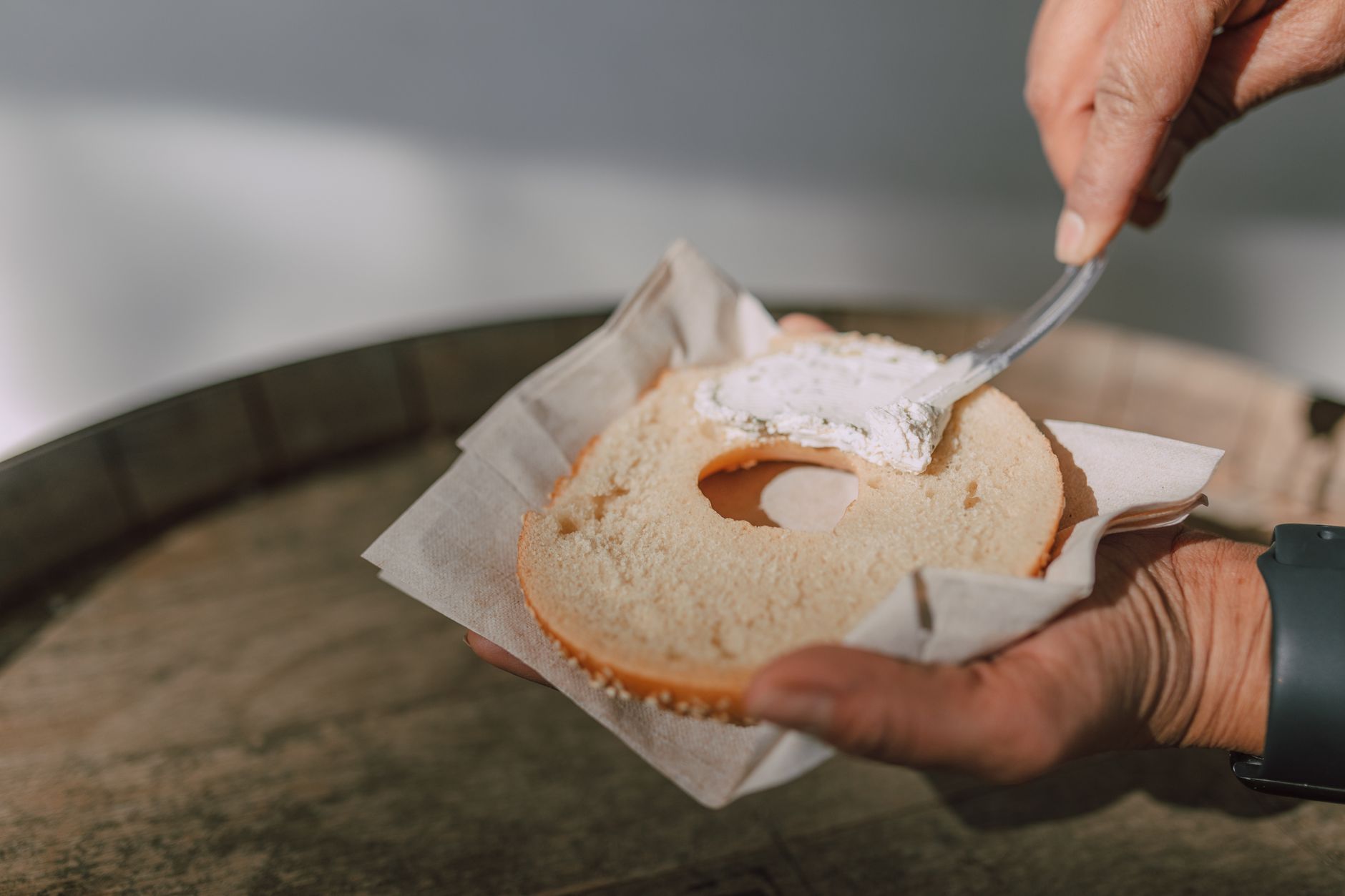
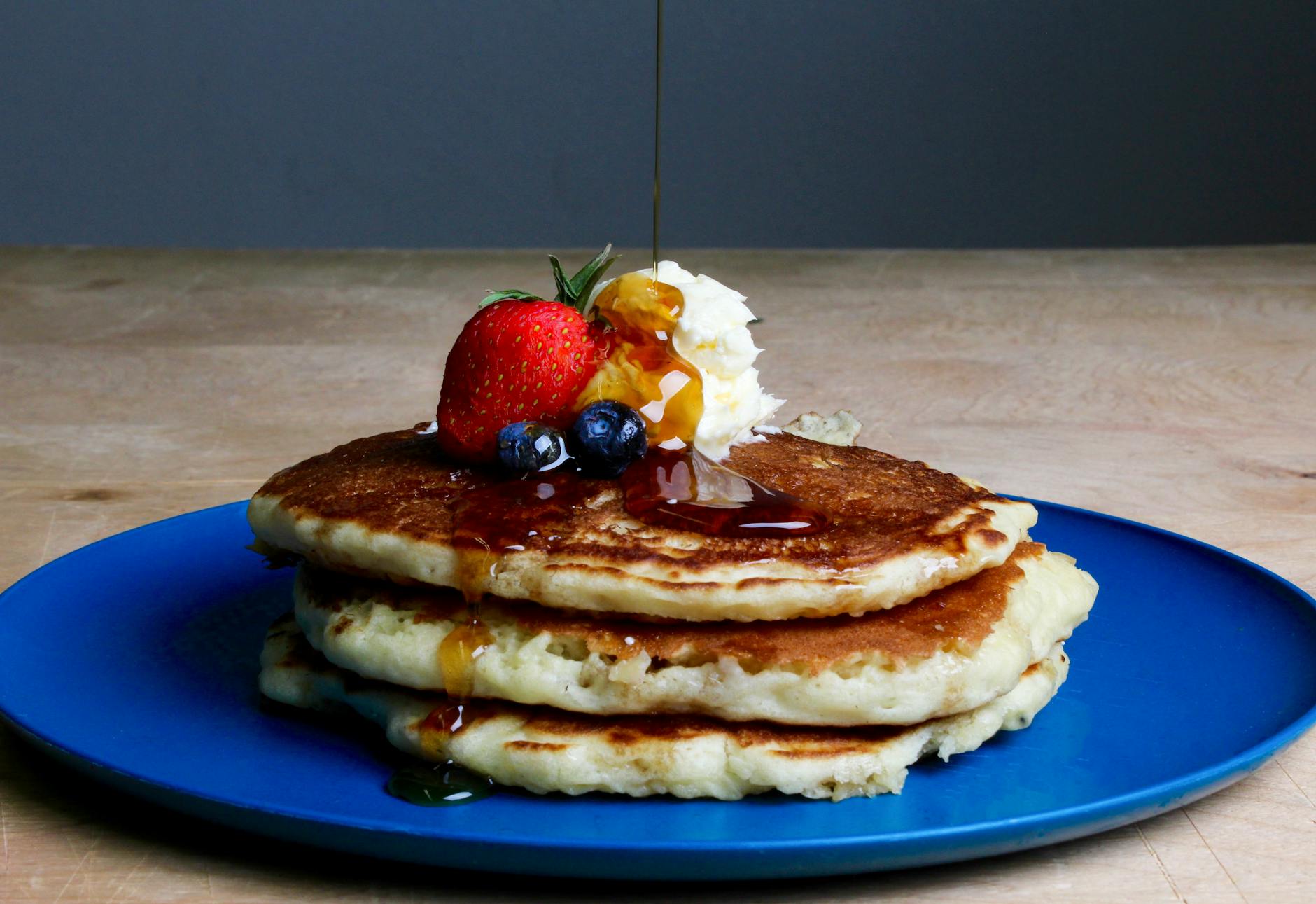
This is where whipped butter shines brightest. Spread it on warm toast, bagels, English muffins, or cold crackers. It melts quickly but evenly, delivering a rich, creamy mouthfeel. You can also use it on pancakes, waffles, and French toast. Because it‘s already aerated, you need less to cover the same surface area a thin layer goes a long way. For Halal-conscious readers, always check that the butter brand is certified by a recognized body like JAKIM or IFANCA if you are purchasing pre-whipped varieties. Homemade whipped butter from certified Halal butter guarantees compliance.
Cooking and Baking with Whipped Butter
Whipped butter can replace regular butter in most baking recipes, but adjust the volume because of the added air. For every 1 cup of regular butter called for, use 1 cups of whipped butter. It incorporates faster into cake batters and cookie doughs, giving a lighter crumb. For sauting, whipped butter melts quickly but may foam more due to the trapped air. That is fine for gentle cooking. Avoid using it for deep frying the water content (if you added milk) can cause splattering.
Creative Ways to Upgrade Whipped Butter
- Herb butter: Mix in 1 tablespoon of chopped fresh parsley, chives, and a pinch of garlic powder.
- Honey butter: Fold in 2 tablespoons of honey and a splash of vanilla extract.
- Spiced butter: Stir in teaspoon of cinnamon and a pinch of nutmeg perfect for sweet rolls.
- Citrus butter: Add 1 teaspoon of lemon or orange zest for a bright, fresh spread on scones.
Butter Tips for Freshness, Storage, and Safety
How to Store Whipped Butter Correctly
Keep homemade whipped butter in an airtight container in the refrigerator. It stays fresh for 57 days after whipping. Commercial whipped butter with preservatives can last 23 weeks. You can also freeze whipped butter for up to 3 months scoop it into ice cube trays, freeze, then transfer cubes to a freezer bag. Thaw in the fridge overnight. If you need to extend the shelf life of other dairy items, check out our guide on how to Freeze cream cheese for similar tips.
Health Considerations and Moderation
Whipped butter is still butter a source of saturated fat. The American Heart Association recommends limiting saturated fat to 56 percent of daily calories. One tablespoon of whipped butter (68 calories) fits into a balanced diet when used mindfully. For Halal consumers, ensure your butter comes from a certified source. Many mainstream brands like Kerrygold and Land O‘Lakes offer Halal-certified options in specific markets. Always read the label for certification logos.
Myths vs. Facts About Butter and Health
- Myth: Whipped butter is a healthy alternative to regular butter. Fact: It has fewer calories per tablespoon due to air, but the fat profile is identical. Moderation still matters.
- Myth: Butter causes heart disease. Fact: Recent studies, including a 2016 meta-analysis in PLOS ONE, found no significant link between butter consumption and cardiovascular disease. Balance is key.
- Myth: You cannot freeze whipped butter. Fact: You can freeze it for up to 3 months. The texture remains spreadable after thawing.
For more on storing dairy safely, read our article about Egg shelf life to keep your kitchen practices consistent.
Conclusion
Whipped butter makes everyday eating simpler and more enjoyable. Whether you buy it at the store or whip your own at home, the airy texture delivers instant spreadability straight from the fridge. You now have the knowledge to choose the best whipped butter, create flavored versions, and store it correctly. Next time you reach for a stick of butter, consider whipping it first. Your toast and your taste buds will thank you. Try our recipe and let us know how it turned out in the comments below.
When is the best time to eat whipped butter?
Anytime you want to spread butter straight from the fridge breakfast toast, afternoon crackers, or melting over steamed vegetables. It also works wonderfully as a finishing butter on hot steak or baked potatoes. The best time is whenever you need a rich, creamy spread without the wait.
Is whipped butter actually Halal what should I check?
To ensure whipped butter is Halal, look for a certification logo from JAKIM (Malaysia), IFANCA (USA), HMC (UK), or other recognized bodies. Check the ingredient list for any non-Halal additives like gelatin or alcohol-based flavorings. Plain whipped butter from pasteurized cream is naturally Halal, but certification guarantees compliance with Islamic dietary laws.
Can I whip salted butter?
Yes, you can whip salted butter. However, the salt can interfere slightly with the aeration process. For best results, use unsalted butter and add salt (about teaspoon per cup) at the end. If using pre-salted butter, whip it for 12 minutes less to avoid over-whipping.
How long does homemade whipped butter last at room temperature?
Whipped butter can sit at room temperature for up to 2 hours safely, like any butter. After that, bacteria can grow. If you plan to use it as a table spread, keep only a small portion in a covered butter dish and refrigerate the rest.
Can I make whipped butter with a food processor?
Yes, a food processor works. Use the steel blade and pulse for 35 seconds at a time. Pause to scrape down the sides. The process is faster than a mixer, so stop as soon as the butter lightens usually within 23 pulses to avoid melting the butter from friction.
Why is my whipped butter separating?
Separation happens when the butter is too warm or when you add too much liquid. Keep butter at 65F (18C) and add no more than 2 tablespoons of milk or oil per cup of butter. If separation occurs, chill the mixture, then re-whip gently on low speed until it comes back together.
Can I use whipped butter for cookie recipes?
Yes, but adjust the recipe. Use 1 cups of whipped butter for every 1 cup of regular butter called for. The cookies may spread a bit more during baking due to the extra air, so chill the dough for 30 minutes before baking for best results.
FAQs
Is Whipped Butter actually Halal — what should I check on the label?
Yes, plain whipped butter made from pasteurized cream is generally Halal. Look for a certification logo from JAKIM, IFANCA, HMC, or similar bodies. Check the ingredient list for non-Halal additives like gelatin or alcohol-based flavorings. Certified brands such as Kerrygold and Land O'Lakes offer Halal options in certain markets. Always verify the label.
How long does whipped butter last after opening?
Homemade whipped butter stays fresh for 5 to 7 days in an airtight container in the refrigerator. Commercial whipped butter with preservatives can last 2 to 3 weeks after opening. For longer storage, freeze it in ice cube trays for up to 3 months. Thaw overnight in the fridge before using.
What is the difference between whipped butter and regular butter?
Whipped butter is regular butter that has been aerated, increasing its volume by about 50%. This makes it soft and spreadable straight from the fridge. Per tablespoon, whipped butter has fewer calories (around 68 vs. 102) due to air, but the fat content per gram is the same. The texture is lighter and fluffier.
Is it safe to eat whipped butter every day?
Whipped butter is still butter and contains saturated fat. The American Heart Association recommends limiting saturated fat to 5–6% of daily calories. One tablespoon of whipped butter (68 calories) fits into a balanced diet when used in moderation. Pair it with whole-grain toast or vegetables for a healthier choice.
Where can I buy Halal-certified whipped butter?
Check major supermarkets for brands like Kerrygold, Land O'Lakes, or Anchor that have Halal-certified variants. Look for the certification logo on the packaging. Alternatively, make your own by whipping Halal-certified unsalted butter at home. Online halal grocery stores also stock pre-whipped options.