You know, when you see a Gordon Ramsay kitchen on his shows or in his homes, something about it feels different. It is not just the professional-grade equipment or the spotless surfaces. There is this real mix of clean, modern lines with a warmth that feels, honestly, kinda nostalgic. That combination is what makes his kitchen design so approachable yet aspirational. Let me show you exactly what that element is and how you can bring some of that same feeling into your own space.
What Makes Gordon Ramsay Kitchen Design Unique
The Element That Adds Modern Nostalgia
The single element that brings modern nostalgia into the Gordon Ramsay kitchen is glass-fronted cabinetry paired with curated open shelving. Instead of hiding everything behind solid doors, Ramsay uses cabinets with transparent glass panels that display beautiful dishware, copper pots, and ceramic pieces. This approach does two things at once it keeps the kitchen looking sleek and organized while also giving it that lived-in, collected-over-time feel that reminds you of your grandmother‘s kitchen. The glass fronts act like a display case for functional art, and the open shelving breaks up the visual weight of upper cabinets. Together, they create a space that feels both professional and personal.
This design choice matters because it directly influences how the kitchen feels to cook in. When you can see your tools and dishes, you reach for them more often. The warmth of displayed ceramics and the gleam of copper soften the hard edges of modern appliances. It is a deliberate balance between showing off quality tools and keeping the space clutter-free.
How This Element Influences Kitchen Functionality and Atmosphere
Glass-fronted cabinets and open shelving do more than look good they change how you work in the kitchen. With everything visible, you spend less time searching for measuring cups or mixing bowls. That visibility supports a smoother workflow, which matters especially when you are preparing multiple dishes at once. For Halal cooking, where keeping ingredients separate and organized is essential, this layout helps you maintain clean work zones. The atmosphere shifts too. Warm light catches the glass and reflects off ceramic surfaces, making the room feel larger and more inviting. It is a design that supports both efficiency and comfort.
Exploring Modern Kitchen Elements in Celebrity Kitchen Styles
What Are Modern Kitchen Elements
Modern kitchen elements typically include clean lines, flat-panel cabinetry, integrated appliances, and minimal ornamentation. Think handleless drawers, quartz countertops, undermount sinks, and smart technology. These features prioritize function and simplicity. They make cleaning faster and reduce visual noise. But on their own, they can feel cold or sterile. That is why adding a layer of warmth through material choices, color, or display features creates a more balanced space. The best modern kitchens borrow from the past without copying it. They use nostalgic touches like glass cabinet fronts, butcher block counters, or farmhouse sinks to add character.
Comparing Gordon Ramsay Style with Other Celebrity Kitchens
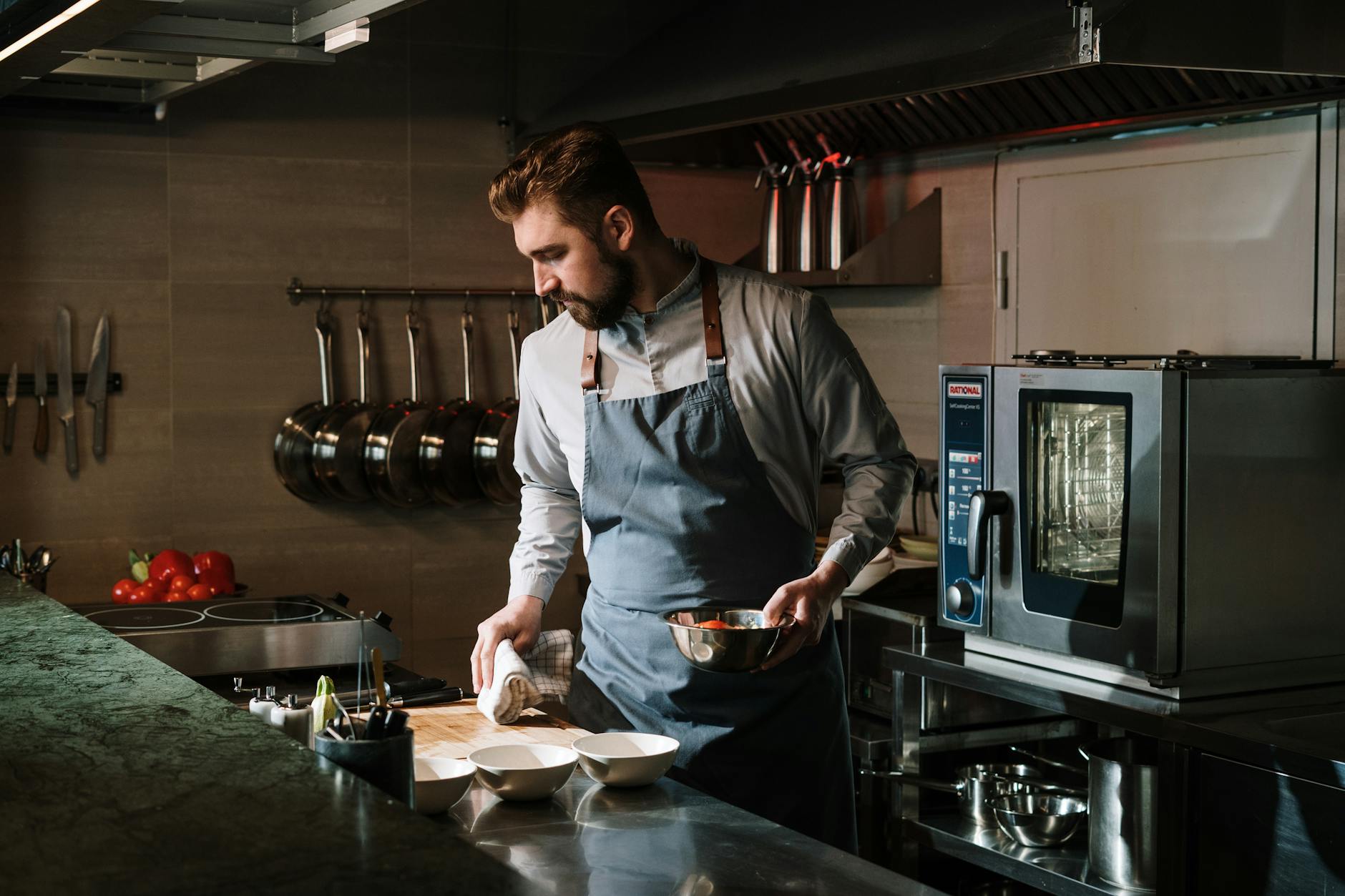
Celebrity kitchens often lean hard into one direction. Some go fully modern with all-white everything and hidden storage. Others go rustic with exposed beams and reclaimed wood. Ramsay‘s approach sits right in the middle. He chooses professional-grade appliances six-burner ranges, double ovens, oversized refrigerators but pairs them with warm materials like wood and brass. Where other chefs hide their tools, Ramsay shows them off. His kitchen island often becomes the centerpiece, large enough for prep and casual dining. Compared to a minimalist celebrity kitchen, his space feels more lived-in. Compared to a farmhouse-style kitchen, it feels more precise. That balance is what makes his transitional style so popular.
Nostalgic Kitchen Decor Why It Still Matters Today
Elements That Create Nostalgic Vibes in Kitchens
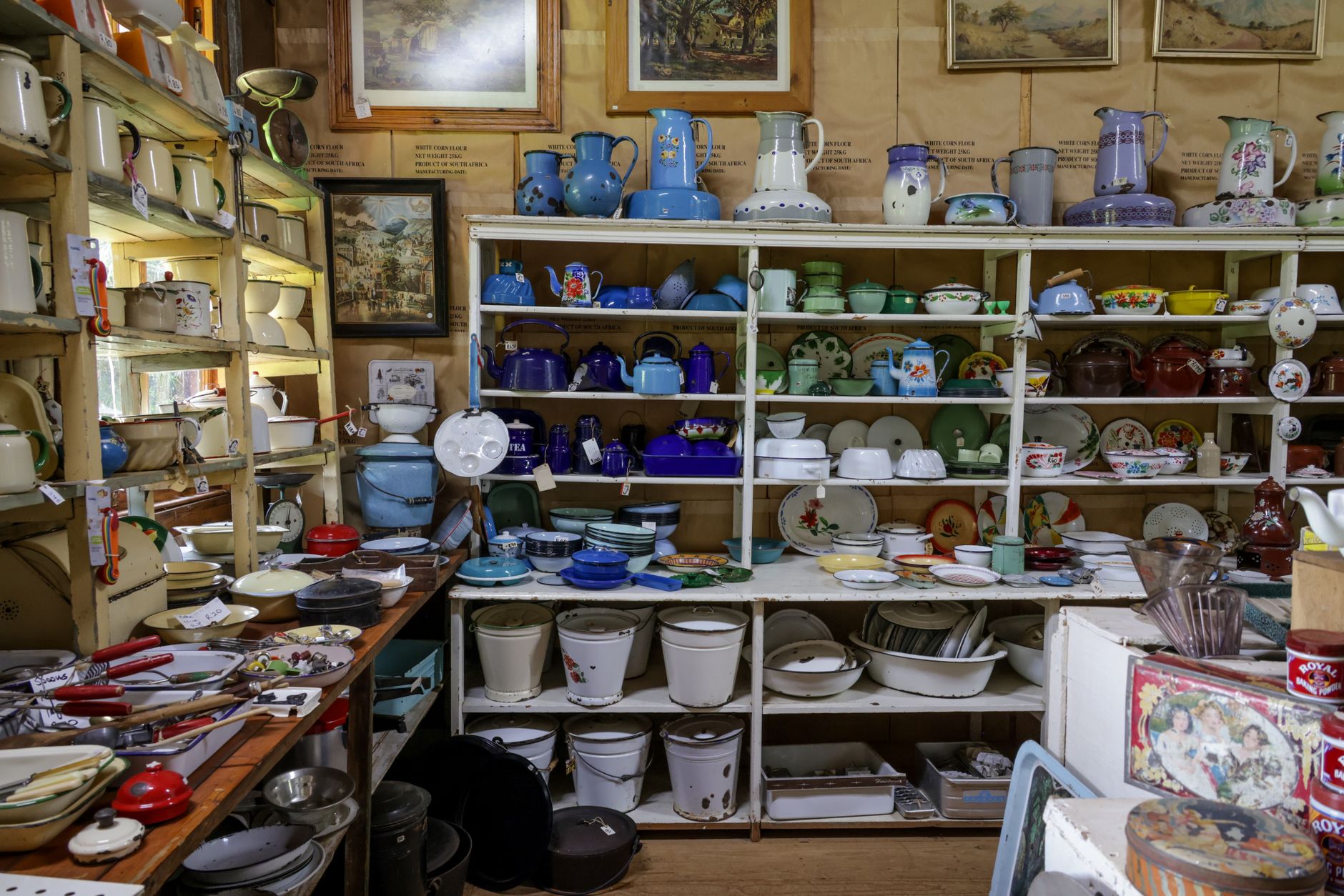
Nostalgic kitchen decor relies on a few key ingredients. Open shelving with everyday dishware, vintage-style lighting fixtures, enameled cast iron cookware left out on the stove, and ceramic canisters on the counter all trigger a sense of memory. A paper plate dispenser can even fit this look if you choose one with a retro matte finish. But the real trick is restraint. Too many nostalgic pieces turn the kitchen into a cluttered museum. Choose three or four focal pieces a display cabinet, a set of copper pans, a wooden cutting board collection and let them breathe. The goal is warmth without clutter, memory without mess.
Balancing Nostalgia and Function in the Kitchen
You can have sentimental style without sacrificing modern convenience. Keep the appliances up to date induction cooktops, convection ovens, high-performance ventilation and let the decor do the nostalgic work. For example, store your spices in matching magnetic tins on the fridge rather than in a cluttered cabinet. Use a ceramic butter keeper on the counter. Display a single cookbook stand with a favorite recipe open. Each piece should serve a purpose. When every nostalgic item also works, the kitchen stays functional. For Halal-conscious cooks, maintaining clear separation between meat and dairy prep areas is easier when your storage is both visible and intentional. You can see exactly where each tool belongs.

Practical Kitchen Design Ideas Inspired by Gordon Ramsay Kitchen
How to Incorporate Modern Nostalgia into Your Kitchen
Start with one zone. Replace the doors on your upper cabinets above the sink with glass panels. Install a simple shelf on an empty wall and arrange your most-used bowls and plates there. Choose a warm neutral paint color soft cream, warm gray, or sage green as a backdrop. Add under-cabinet lighting with a warm color temperature (2700K to 3000K) to make the glass fronts glow. Upgrade your countertop to a material that ages well, like butcher block on a prep island or honed marble on a baking station. Then bring in one nostalgic accent piece a wooden bread box, a vintage scale, or a set of ceramic storage jars. This approach keeps the redesign affordable and low-risk. You can always add more later.
Pro Tips for Mixing Styles
The most common mistake is buying cheap glass-front cabinets with thin frames and poor hardware. They end up looking flimsy, not nostalgic. Invest in solid wood frames with mullion detailing. If budget is tight, retrofit your existing cabinets with glass panels from a local glass shop it costs a fraction of full replacement. Another overlooked mistake is choosing the wrong glass. Clear glass shows every fingerprint and splatter. Go with lightly textured or seeded glass it hides smudges while still showing the contents. A pro tip from kitchen designers: paint the inside of your glass cabinets the same color as your walls. It creates depth without visual clutter. And keep the items inside grouped by color or material white ceramics together, copper together, wood together. That level of intention separates a styled kitchen from a messy one.
When Is the Best Time to Design Your Kitchen
Seasonal transitions are ideal for kitchen updates. Late spring or early fall give you comfortable weather for painting and deliveries. Plan your redesign around quieter months when you cook less for gatherings. Allow four to six weeks for cabinet modifications and two to three days for installation. If you are only swapping doors or adding shelving, a weekend is enough. The key is to start with a clear plan and avoid making decisions on impulse measure twice, order once.
What Countertop Materials Work Best for Modern Nostalgic Kitchens
Butcher block remains the top choice for warmth. It pairs naturally with glass-fronted cabinets and adds a soft cutting surface for prep. Soapstone is another excellent option it feels old-world but performs like modern stone, resisting heat and stains without sealing. For a budget pick, solid-surface materials in warm tones mimic natural stone without the maintenance. Avoid polished granite or high-gloss quartz in this style they reflect too much light and clash with the nostalgic feel. honed finishes absorb light and feel softer under your hands.
How to Choose Lighting for a Warm, Functional Kitchen
Layer three types of lighting: ambient, task, and accent. For ambient, use semi-flush or recessed fixtures with warm bulbs. For task lighting, install puck lights under the glass cabinets they illuminate what is inside without casting shadows on your work surface. For accent, hang a single vintage-style pendant over the sink or island. A gooseneck lamp with a brass finish works perfectly. Keep all bulbs at the same color temperature (2700K to 3000K) so the room feels cohesive. Dimmers let you adjust the mood from bright prep to soft evening glow.
What Is the Best Layout for a Halal-Friendly Kitchen Design
A Galley or L-shaped layout with two distinct prep zones works best. Designate one side for meat preparation and the other for dairy and vegetables. Store utensils and cutting boards on separate open shelves above each zone so you never cross-contaminate. Use different colored ceramic crocks for each zone red for meat, green for vegetables, blue for dairy. Glass-fronted cabinets let you see at a glance which zone holds which items. This layout aligns with Halal kitchen principles while keeping the space open and efficient.
Can This Style Work in a Rental Kitchen
Yes, with temporary fixes. Use peel-and-stick tile for a backsplash upgrade. Install battery-operated puck lights inside existing cabinets to create the glass-front effect without replacing doors. Add a rolling island or butcher block cart for extra prep space. Remove cabinet doors temporarily and store them you can reattach them when you move out. Focus on movable pieces like shelves, lighting, and accessories. A Hers weight loss journey often starts with cooking more at home, and a kitchen that feels good to stand in makes that habit easier to build.
What Color Palette Supports Modern Nostalgia
Stick to warm neutrals with one muted accent. Cream, warm beige, sage, dusty blue, or terracotta all work. Use the accent color on the inside of glass cabinets or on open shelving hardware. White remains the most popular choice for cabinets because it reflects light and keeps the space feeling open. Pair white cabinets with wood shelving and brass pulls for instant warmth. Avoid gray undertones that lean blue or purple they fight the nostalgic feel. Test paint samples in your actual light before committing.
How to Maintain Glass-Front Cabinets and Open Shelving
Clean glass panels weekly with a microfiber cloth and a 50-50 mix of water and white vinegar. Avoid ammonia-based cleaners they leave streaks and can damage cabinet finishes. For open shelving, dust once a week and rotate your displayed items monthly to prevent grease buildup. Wash dishes before placing them on display shelves visible residue defeats the purpose. Arrange items by frequency of use: everyday bowls at eye level, special pieces on the top shelf. This keeps the display practical, not just decorative.
More You Might Like
If you enjoyed learning about kitchen design inspiration, check out our guide on the Paper plate dispenser as a smart storage fix for busy kitchens. It is a simple way to add convenience without sacrificing style.
For those focused on wellness and cooking at home, our article on Hers weight loss offers practical meal prep tips that work beautifully with a well-organized kitchen layout.
What Design Element Makes Gordon Ramsay Kitchen Special
The standout feature is glass-fronted cabinetry combined with open shelving. It creates a display for quality cookware while keeping the space organized and warm.
Can I Recreate This Style in a Small Kitchen
Absolutely. Use upper cabinets with glass fronts above the sink and one open shelf on an empty wall. Stick to light colors and keep displayed items minimal three to five pieces per shelf.
Is This Kitchen Design Suitable for Halal Cooking
Yes. The visible storage helps maintain separation between meat and dairy prep zones. Use distinct shelves or color-coded containers for each category to meet Halal requirements.
What Materials Work Best for Modern Nostalgic Kitchens
Butcher block, soapstone, solid-surface countertops, wood shelving, brass hardware, and seeded glass all work. Avoid polished granite or high-gloss finishes that feel too cold.
How Do I Maintain Glass-Front Cabinets
Wipe glass weekly with a vinegar-water solution. Use a microfiber cloth to avoid streaks. Replace clear glass with seeded glass if fingerprints bother you it hides smudges naturally.
What Color Palette Works Best for This Style
Warm neutrals like cream, sage, and dusty blue paired with white cabinets. Add wood tones and brass accents. Avoid cool grays or blue-toned whites that clash with the nostalgic feel.
Where Can I Find Inspiration for This Kitchen Style
Look at Gordon Ramsay home tours on YouTube, browse kitchen design accounts on Pinterest, and visit showrooms that carry transitional cabinetry. Focus on layouts that mix open and closed storage.
Final Thoughts
The Gordon Ramsay kitchen proves that modern design does not have to feel cold. By adding glass-fronted cabinets and thoughtful open shelving, you bring warmth, memory, and function into one space. That single element changes how the kitchen looks and how it works. Whether you cook daily or just on weekends, a kitchen that balances modern efficiency with nostalgic charm makes every meal feel more intentional. Next time you walk into your kitchen, ask yourself what could you put on display today?
FAQs
Is Gordon Ramsay kitchen design suitable for Halal cooking?
Yes. The visible storage helps maintain clear separation between meat and dairy prep zones. Use distinct open shelves or color-coded containers for each category to meet Halal requirements. Glass-front cabinets allow you to see at a glance which zone holds which tools, supporting a clean workflow without cross-contamination.
What design element makes Gordon Ramsay kitchen special?
The standout feature is glass-front cabinetry combined with open shelving. It creates a display for quality cookware while keeping the space organized and warm. This mix of modern lines and nostalgic charm makes the kitchen feel both professional and personal.
Can I recreate this style in a small kitchen?
Absolutely. Use upper cabinets with glass fronts above the sink and one open shelf on an empty wall. Stick to light colors and keep displayed items minimal—three to five pieces per shelf. This keeps the space open while adding that signature warmth.
What materials work best for modern nostalgic kitchens?
Butcher block, soapstone, solid-surface countertops, wood shelving, brass hardware, and seeded glass all work. Avoid polished granite or high-gloss finishes that feel too cold. Honed finishes absorb light and pair naturally with glass-front cabinets.
How do I maintain glass-front cabinets?
Wipe glass weekly with a microfiber cloth and a 50-50 mix of water and white vinegar. Avoid ammonia-based cleaners to prevent streaks. If fingerprints bother you, replace clear glass with seeded glass—it hides smudges naturally while still showing contents.