If you have ever stood at a coffee shop counter staring at the menu, you have likely wondered about the difference between a breve and a latte. Both drinks start with espresso, both are served hot or iced, and both look almost identical in a cup. But the choice between breve vs latte changes everything about what you are about to drink. A breve uses steamed half-and-half instead of milk, creating a much richer and creamier texture. A latte uses steamed milk, giving it a lighter, more balanced mouthfeel. That one ingredient swap makes all the difference. In this guide, you will learn exactly how they compare in taste, nutrition, preparation, and which one fits your lifestyle best.

Understanding the Basics of Each Drink
What is Breve Coffee?
A breve is an espresso-based coffee drink where the milk component is replaced entirely with half-and-half. Half-and-half is a dairy blend that contains between 10.5 and 18 percent milk fat, according to standard USDA definitions. This higher fat content gives the breve its signature velvety texture and rich flavor. Baristas steam the half-and-half just like they would steam milk, creating a thick microfoam that sits on top of the espresso. The result is a drink that feels almost dessert-like in your mouth. A standard breve is made with one or two shots of espresso and about six to eight ounces of steamed half-and-half. It is typically served in a ceramic cup or a glass mug, often with no additional sweetener needed because the cream itself carries a natural sweetness.
What is Latte Coffee?
A latte, short for caffe latte, is one of the most popular espresso drinks worldwide. It consists of one or two shots of espresso topped with steamed milk and a thin layer of milk foam. The milk used is usually whole milk, which contains about 3.25 percent milk fat, though many coffee shops offer alternatives like skim, oat, or almond milk. The steaming process incorporates air into the milk, creating a smooth microfoam that blends with the espresso. The texture of a latte is noticeably thinner and milkier than a breve. The flavor of the espresso comes through more clearly because the milk does not coat your palate as heavily. A typical latte is served in a 12-ounce or 16-ounce cup, with a higher ratio of milk to espresso compared to a breve.
| Feature | Breve | Latte |
|---|---|---|
| Base dairy | Half-and-half (10.5-18% fat) | Whole milk (3.25% fat) |
| Texture | Velvety, thick, creamy | Smooth, light, milk-forward |
| Flavor profile | Rich, naturally sweet | Balanced, espresso-forward |
| Typical serving size | 6-8 ounces | 12-16 ounces |
| Calories (12 oz) | ~350-400 | ~180-220 |
How Do Breve and Latte Compare in Taste and Nutritional Value?
Flavor Differences You Can Expect
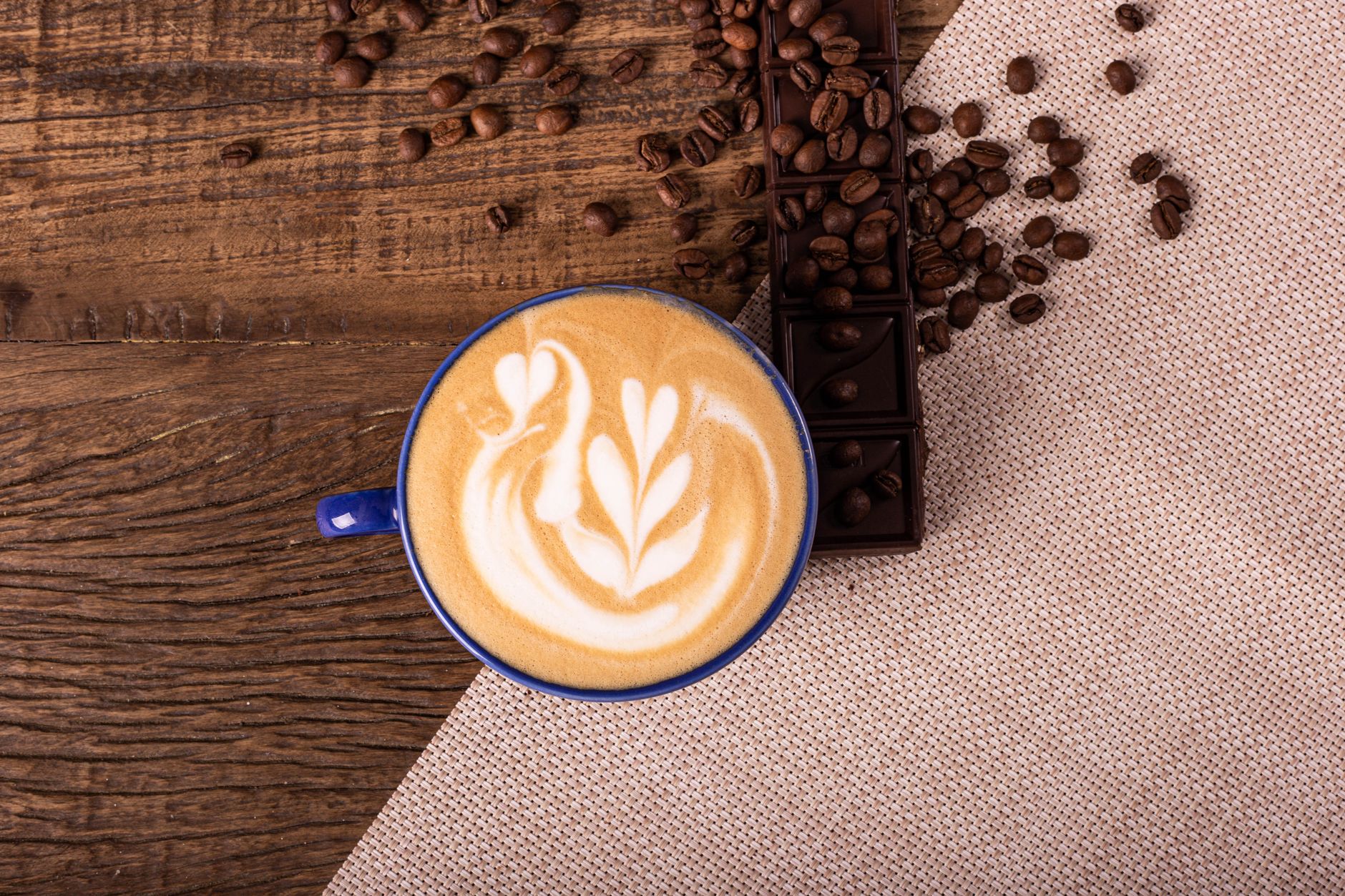
The most noticeable difference between these two drinks is how they feel and taste on your tongue. A breve coats your mouth with a thick, silky layer of cream that softens the bitterness of espresso. The higher fat content carries flavor more effectively, making the drink taste sweeter even without added sugar. Many people describe a breve as luxurious or indulgent. A latte, on the other hand, allows the espresso to remain the star. The milk adds body but does not overwhelm the coffee‘s natural notes. If you enjoy tasting the origin characteristics of your espresso beans, a latte gives you a clearer picture. The texture is lighter and more refreshing, especially when served over ice. If you are someone who finds black coffee too harsh but wants to taste the coffee itself, a latte is your better choice. If you want a drink that feels more like a warm dessert, go with a breve.
Nutritional Comparison: Calories, Fat, and Dietary Considerations
The nutritional gap between a breve and a latte is significant. A 12-ounce breve made with half-and-half contains approximately 350 to 400 calories and about 28 to 32 grams of fat, depending on the exact half-and-half brand used. The same size latte made with whole milk contains roughly 180 to 220 calories and 10 to 12 grams of fat. That is nearly double the calories and triple the fat in a breve. For anyone monitoring their saturated fat intake, this difference matters. According to the USDA FoodData Central, half-and-half contains about 3 grams of saturated fat per tablespoon, while whole milk contains about 0.6 grams per tablespoon. If you are lactose intolerant, both drinks can cause discomfort, though a breve may be slightly easier to digest for some because half-and-half has less lactose per volume than milk. For those following a Halal diet, both drinks are permissible as long as the milk or cream comes from a Halal-certified source and no non-Halal additives are used. Always check the label or ask your barista about the dairy source, especially when ordering at specialty cafes.
Who Should Choose Which?
If you want a drink that feels like a treat and keeps you full longer, choose a breve. It works well as an occasional indulgence or as a morning drink when you need extra energy. If you drink coffee daily and prefer a lighter option that still delivers rich flavor, stick with a latte. A latte fits more easily into a balanced diet and pairs well with food without overwhelming your palate. For those with dairy sensitivities, both drinks can be made with plant-based alternatives, though a breve made with oat cream or coconut cream comes closer to the original texture than a latte made with almond milk.
Brewing and Ordering Guide
How to Make a Breve Coffee Drink at Home
Making a breve at home requires an espresso machine or a strong coffee maker. Start by brewing one or two shots of espresso directly into your cup. While the espresso brews, pour 6 to 8 ounces of half-and-half into a metal steaming pitcher. Insert the steam wand just below the surface and begin steaming. Keep the tip near the surface for the first few seconds to create foam, then submerge it fully to heat the half-and-half to about 150 to 155 degrees Fahrenheit. Do not let it boil. Swirl the pitcher gently to incorporate the foam, then pour the steamed half-and-half over the espresso. Serve immediately. If you do not own an espresso machine, you can use a stovetop moka pot to make concentrated coffee and heat the half-and-half in a saucepan over medium heat for 4 to 5 minutes, whisking constantly to create light foam.
How to Make a Latte Coffee Drink at Home
A homemade latte follows a similar process but uses milk instead of cream. Brew one or two shots of espresso. Steam 8 to 10 ounces of whole milk using your espresso machine‘s steam wand. Heat the milk to 150 to 155 degrees Fahrenheit, creating a smooth microfoam. Pour the steamed milk into the espresso, holding back the foam with a spoon, then spoon a thin layer of foam on top. If you do not have an espresso machine, you can use a French press to froth warm milk. Heat the milk in a saucepan over medium heat for 3 to 4 minutes, then pour it into a French press and pump the plunger vigorously for 30 seconds. Pour the frothed milk over strong brewed coffee. A latte made this way tastes close to cafe quality.
What to Ask For When Ordering Out
When ordering at a coffee shop, specifying your drink correctly avoids confusion. For a breve, simply say "I would like a breve latte" or "a breve." Many baristas understand "breve" as a standard menu term. For a latte, order a "latte" and specify your milk preference if you want something other than whole milk. If you want a flavored version, mention the syrup before the drink name, such as "a vanilla latte" or "a caramel breve." Be aware that some cafes charge extra for half-and-half, so a breve may cost 50 cents to a dollar more than a latte. Also, if you are concerned about Halal certification, ask whether the milk and cream come from Halal-certified suppliers, especially in non-specialty cafes where sourcing may vary.
Benefits and Drawbacks
Benefits of Choosing a Breve
The main advantage of a breve is its texture. The cream makes the drink feel indulgent and satisfying with every sip. Because half-and-half is naturally sweet, you often do not need added sugar. The higher fat content also helps with satiety, meaning you feel full longer after drinking it. For people who follow a low-carb or ketogenic diet, a breve fits well because it is low in carbohydrates and high in fat. A 12-ounce breve contains roughly 8 to 10 grams of carbohydrates, compared to a latte which contains 15 to 18 grams from the milk sugar. On the downside, a breve is high in calories and saturated fat, so it is not ideal for daily consumption if you are managing your weight or cholesterol levels.
Benefits of Choosing a Latte
A latte offers a more balanced coffee experience. The milk dilutes the espresso just enough to make it approachable without masking the coffee‘s flavor. A latte is also more versatile. You can customize it with different milk types, syrups, and toppings without the drink becoming too heavy. Nutritionally, a latte is easier to fit into a standard daily diet. The lower calorie and fat content make it a better choice for regular consumption. Many coffee drinkers also find lattes more refreshing when served iced, especially during warmer months. The drawback is that a latte can feel too thin or watery for those who prefer a richer mouthfeel. Additionally, if you use low-fat or plant-based milk, the texture may be less satisfying without proper frothing technique.
When Is the Best Time to Drink a Breve or a Latte?
A breve works best as a morning or early afternoon drink. Its richness can feel heavy if consumed too late in the day, especially after a large meal. A latte is more flexible. You can enjoy it any time of day, including after dinner, because it is lighter and less likely to sit heavily in your stomach. If you are pairing your drink with food, a latte complements breakfast pastries and light sandwiches, while a breve pairs better with desserts or standalone as a treat.
Which Drink Has More Caffeine, a Breve or a Latte?
Both drinks contain the same amount of caffeine if they use the same number of espresso shots. A single shot of espresso contains about 63 milligrams of caffeine according to USDA data. A standard breve and a standard latte both use one or two shots, so the caffeine content is identical. The difference in caffeine perception comes from the volume of dairy. Because a latte has more liquid volume, the caffeine is more diluted, which may make it feel less intense. A breve, with less total volume, delivers a more concentrated caffeine experience.
Can I Make a Breve or Latte with Plant-Based Milk?
Yes, you can make both drinks with plant-based alternatives, though the texture changes significantly. For a breve, the closest plant-based option is oat cream or coconut cream, both of which have higher fat content and create a thick texture similar to half-and-half. For a latte, oat milk and soy milk froth well and produce a smooth microfoam. Almond milk tends to separate when steamed and creates a thinner texture. If you follow a Halal diet and choose plant-based options, check that the products are certified Halal, especially for flavored varieties that may contain non-Halal additives.
Is a Breve or Latte Healthier for Weight Management?
A latte is the healthier choice for weight management due to its lower calorie and fat content. A 12-ounce latte with whole milk contains about 180 to 220 calories, while the same size breve contains 350 to 400 calories. If you drink coffee daily, choosing a latte over a breve can save you 1,200 to 1,400 calories per week. However, if you are on a low-carb or ketogenic diet, a breve may be preferable because it contains fewer carbohydrates. Always consider your overall daily calorie and macronutrient goals when choosing between the two.
What Does a Breve Taste Like Compared to a Latte?
A breve tastes noticeably richer and sweeter than a latte. The half-and-half adds a buttery, almost milkshake-like quality that softens the bitterness of the espresso. The flavor coats your entire mouth and lingers after each sip. A latte tastes more like coffee with milk. The espresso flavor is more prominent, and the finish is cleaner. If you close your eyes and taste both side by side, the breve feels like a dessert, while the latte feels like a traditional coffee drink.
Why Is My Breve or Latte Too Watery at Home?
A watery breve or latte usually results from incorrect milk temperature or poor frothing technique. When steaming half-and-half or milk, you need to reach 150 to 155 degrees Fahrenheit. If the dairy is too cold, the foam will be thin and separate quickly. If it is too hot, the proteins break down and the liquid becomes watery. Another common mistake is not incorporating enough air during the first few seconds of steaming. Always start with the steam tip just below the surface to create foam, then submerge it to heat the liquid evenly. Using a thermometer removes the guesswork.
Which Is More Popular at Coffee Shops, Breve or Latte?
A latte is much more popular than a breve at most coffee shops. Lattes are a standard menu item at nearly every cafe worldwide. Breves are considered a specialty order and are more common in independent or artisanal coffee shops. Some baristas may not be familiar with the term "breve" if they work at a chain cafe. If you order a breve at a chain, the barista may need to confirm with a manager or simply use half-and-half in your latte. The popularity of lattes also means more variety in milk options and flavor syrups, while breves are typically made with standard half-and-half.
More You Might Like
If you enjoyed learning about coffee drinks, you might also like our guide on juice drinks. It covers how to choose between fresh juices, concentrates, and blends with a focus on Halal-certified options and ingredient transparency.
Another helpful comparison is our breakdown of Radler vs shandy. Both are refreshing low-alcohol beverages, but they differ in ingredients and flavor profile. Learn which one suits your taste before your next purchase.
Final Thoughts
The difference between breve vs latte comes down to a single swap: half-and-half versus milk. That change transforms the texture, flavor, calorie count, and overall drinking experience. A breve is rich, creamy, and indulgent, ideal for occasional treats or low-carb lifestyles. A latte is balanced, versatile, and lighter, perfect for daily enjoyment. Next time you order at a coffee shop or brew at home, you will know exactly what to expect from each drink. Check the dairy source if Halal certification matters to you, and choose the drink that matches your taste and goals. Have you tried both? Leave a comment and share which one you prefer.
FAQs
Is breve vs latte actually Halal — what should I check on the label?
Both drinks can be Halal as long as the dairy ingredients come from Halal-certified sources. For half-and-half and milk, check for a Halal logo or ask the supplier. Avoid any additives (like flavor syrups) containing alcohol or non-Halal emulsifiers. At coffee shops, confirm with the barista whether their dairy products are Halal-certified, especially if you follow strict dietary rules.
How long does half-and-half or milk last after opening?
Half-and-half typically lasts 7–10 days after opening when refrigerated at or below 40°F. Whole milk lasts about 5–7 days. Always check the expiration date and smell before use. For a breve or latte made at home, consume within 2 hours if left at room temperature. Refrigerated leftover coffee drinks should be used within 24 hours.
What is the difference between a breve and a cappuccino?
A cappuccino uses steamed milk with a thick, dry foam on top, typically equal parts espresso, milk, and foam. A breve uses steamed half-and-half (not milk) and has a creamier, denser texture with less foam. The cappuccino is lighter and airier, while the breve is rich and almost dessert-like.
Is it safe to drink a breve or latte every day?
Drinking a latte daily is generally safe for most people, as it provides calcium and moderate caffeine. A breve, however, is high in saturated fat and calories (350–400 per 12 oz), so daily consumption may affect weight and cholesterol. Limit breves to occasional treats unless you follow a low-carb diet. Monitor your total caffeine intake (max 400 mg/day for adults).
Where can I buy ingredients for homemade breve or latte?
Espresso beans and half-and-half are available at most grocery stores, specialty coffee shops, and online retailers like Amazon. For latte, choose whole milk or your preferred alternative. For Halal-certified dairy, look for brands like Nestle, Land O'Lakes, or local Halal dairies. Check the label for a Halal certification symbol, or purchase from specialty Islamic stores.