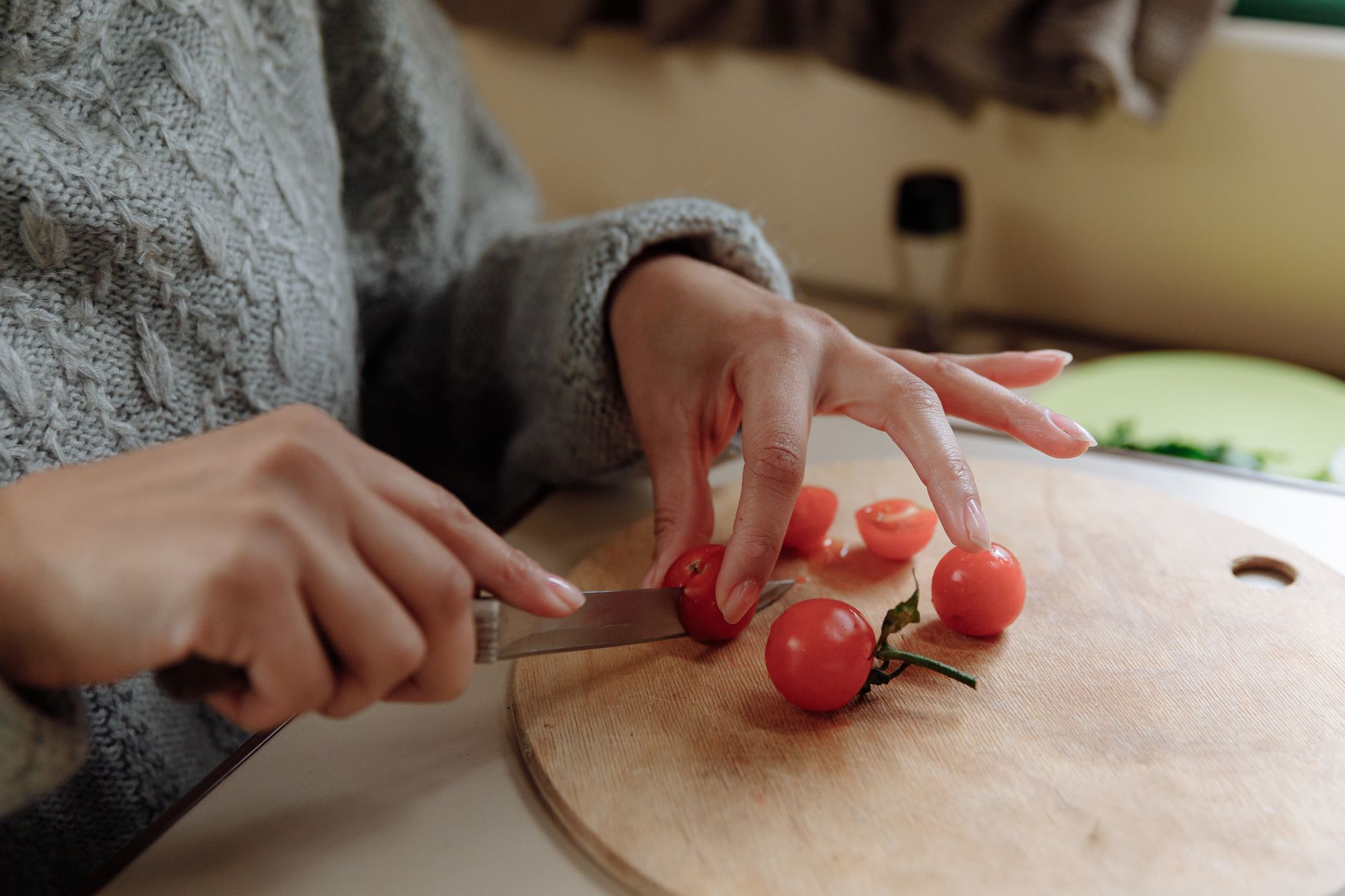
If youve ever tried slicing a ripe tomato only to end up with a squished, messy mess, you know the frustration. The key to perfect tomato slices every time lies in using the best knife for tomatoes. A sharp, precise blade makes all the difference between a clean cut and a squashed tomato. This guide will help you discover which knives perform best for juicy tomatoes, plus smart cutting techniques to keep your slices looking fresh and delicious.
Why Knife Choice Matters
What Makes Tomatoes Tricky to Cut?
Tomatoes have a delicate skin that‘s surprisingly tough to pierce, combined with a soft, juicy interior that can easily collapse under pressure. This contrast creates a unique challenge: a knife must penetrate the skin without crushing the flesh.
Delicate Skin and Soft Inside
The tomatos smooth skin resists dull blades, requiring a serrated edge or a razor-sharp knife to break it cleanly. Meanwhile, its tender pulp, full of water, is prone to squishing when too much force or the wrong motion is applied.
Problems With the Wrong Knives
Using blunt or smooth-edged knives often results in tearing the skin and crushing the inside. You might notice ragged edges, juice leaking everywhere, and uneven sliceshardly ideal for salads, sandwiches, or garnishes.
Preserving Texture and Flavor
The right knife ensures clean cuts that seal the tomatos juices inside, preserving its natural flavor and visual appeal. This matters especially in halal and health-conscious kitchens, where fresh, intact produce enhances the quality of your dishes and overall dining experience.
Expert Insights on Tomato Knives
Chefs and culinary schools consistently recommend serrated knives for tomatoes. According to a culinary expert from the Culinary Institute of America, "The sawing motion of a serrated blade allows delicate slicing without crushing the fruits flesh, providing a clean presentation." Having the proper knife also speeds up prep time and reduces waste.
Many people have switched from dull chef knives to specialized tomato knives, finding their slicing results far improvedno more squished tomatoes!
Knife Types for Tomatoes
Serrated Knives
Serrated knives are often the undisputed best choice for slicing tomatoes. Their scalloped edges grip the tomato skin, allowing a gentle sawing motion that cuts cleanly without applying excessive pressure.
Key Features
- Scalloped or pointed serrations
- Blade length usually between 5-7 inches
- Thin blade for fine slicing
Top Serrated Knives
Brands like Victorinox and Wsthof offer tomato knives with high-quality stainless steel blades that stay sharp longer. Japanese-made serrated knives also excel for their razor edges and balance.
Paring and Chef Knives
Sharp paring knives and chef knives can work on tomatoes, especially firm or slightly underripe ones. A very sharp blade and careful technique are essential to avoid squishing.
When to Use Them
Use chef knives for larger tomatoes or when precision slicing isnt as critical. Paring knives offer control for smaller tomatoes and garnishes.
Limitations
Non-serrated edges may require more pressure and have a greater risk of crushing or tearing soft, ripe tomatoes.
Specialized Tomato Knives
Tomato-specific knives feature short blades, serrated edges, and often a forked tip to lift and serve slices easily. They are handy but can be seen as a luxury rather than a must-have.
Cost vs. Utility
These knives range from affordable to high-end prices. If you slice tomatoes frequently, the investment may be worth it for the convenience and precision.
| Knife Type | Blade Length | Price Range | Best Use | Maintenance |
|---|---|---|---|---|
| Serrated Tomato Knife | 5-7 inches | $20$80 | All tomato types | Regular honing, occasional sharpening |
| Paring Knife | 3-4 inches | $10$50 | Small or firm tomatoes | Frequent sharpening needed |
| Chef Knife | 8-10 inches | $30$150 | General use, larger tomatoes | Regular sharpening & honing |
| Specialized Tomato Knife | 5-7 inches | $15$100 | Frequent tomato prep, serving | Sharpen serrations carefully |
What to Look For
Knife Sharpness and Blade Type
Sharpness is king when it comes to tomato slicing. Choose a blade with fine serrations or an exceptionally sharp straight edge designed for delicate produce. Stainless steel is preferred due to rust resistance and longevity.
Comfort and Handle Design
Look for handles that fit your hand comfortably and provide a non-slip grip. Ergonomic, balanced knives reduce hand fatigue and increase safe handling.
Budget vs. Professional Grade
Affordable serrated knives can perform well, especially when well cared for. Professional-grade knives may offer finer steel and craftsmanship but often come with a higher price tag.
Maintenance Needs
Keep your knife sharp by honing every few uses and sharpening when the edge dulls. Serrated knives require special sharpeners or professional services. Clean knives immediately after use to avoid corrosion.
| Certification | Price Range | Common Formats | Shelf Life | Key Allergens |
|---|---|---|---|---|
| JAKIM, HMC, IFANCA (for halal-certified knife brands) | $15-$150 | Serrated, paring, chef, tomato knives | Varies, typically 5+ years with care | None (metal knives) |
How to Cut Tomatoes Perfectly
Step-by-Step Slicing Guide
- Prepare your tomato: Rinse under cold water and dry with a clean towel. Room temperature tomatoes slice better than cold, so let chilled tomatoes sit for 10-15 minutes.
- Choose your knife: Use the best knife for tomatoesusually a serrated blade.
- Position your tomato: Place it on a stable cutting board. Hold the tomato gently but firmly with one hand, curling your fingertips inward for protection.
- Cut with a gentle sawing motion: Let the serrated knife teeth do the work. Avoid pressing down hard, which squashes the tomato.
- Slice evenly: Aim for consistent thickness, usually about 1/4 inch for salads or sandwiches.
Alternative Cutting Tools
Tomato slicers are handy for evenly thick slices, cutting multiple tomatoes quickly with less effort. Kitchen shears offer control for small tasks like dicing or trimming ends. Choose the tool based on your cooking needs and volume.
Common Mistakes
- Using dull knives that tear instead of slice
- Applying too much downward pressure
- Cutting cold tomatoes that resist slicing
- Holding the tomato incorrectly, risking injury or squishing
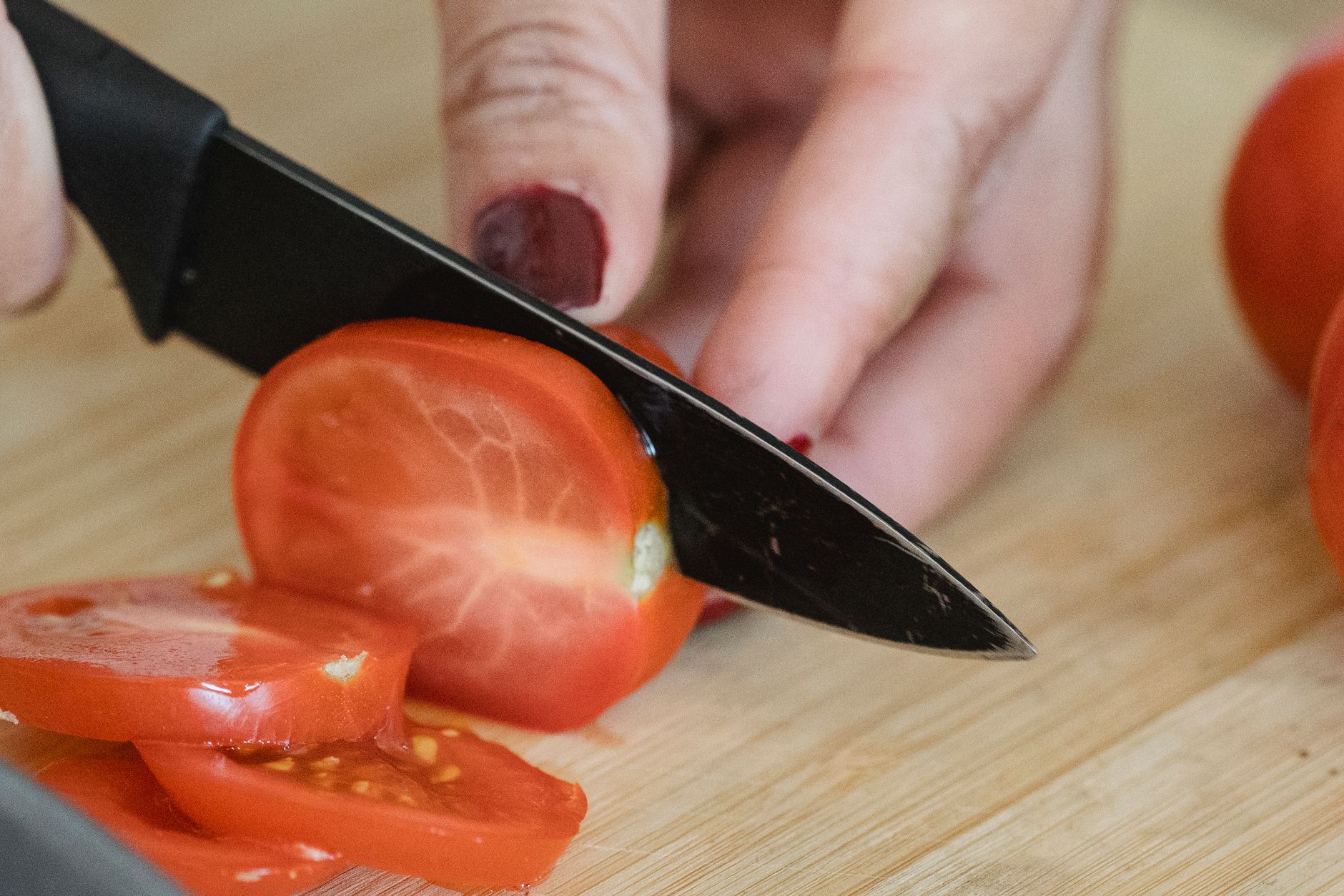
Additional Tomato Tools
Tomato Slicers
These tools use evenly spaced blades to produce uniform slices quickly. They excel for making sandwiches or salads where consistent presentation matters. However, theyre less versatile than knives.
Kitchen Shears
Good for trimming stems, removing blemishes, or small dicing. They complement knives but cant replace a sharp blade for slicing.
Choosing Between Knives and Tools
If you prepare tomatoes often and care about appearance, a quality serrated knife combined with a slicer can save time and improve results. For occasional use, a sharp serrated knife alone is enough.
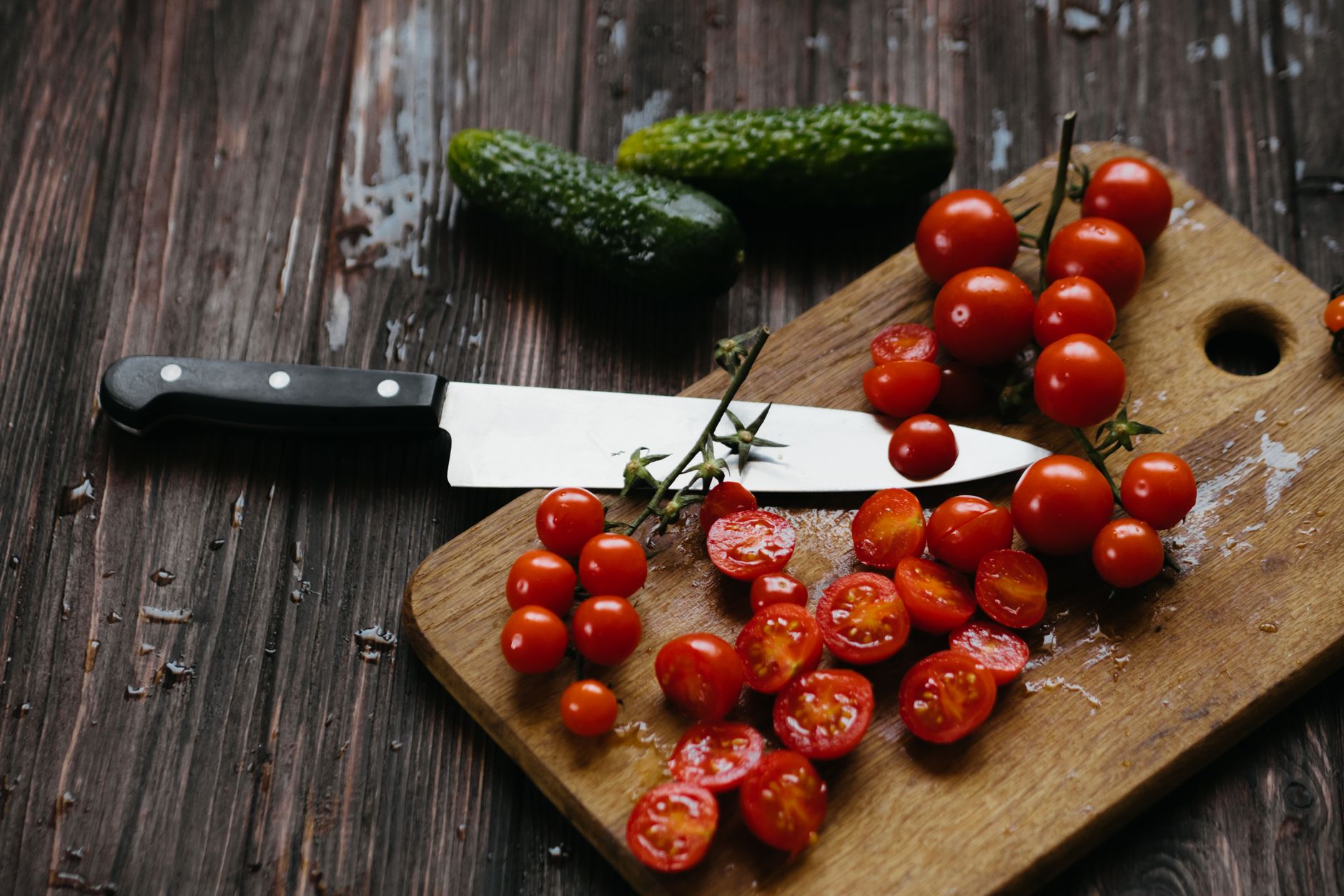
Is the Best Knife for Tomatoes actually Halal what should I check?
Metal knives themselves have no Halal or Haram status, but for assurance, look for brands certified by JAKIM, HMC, or IFANCA that follow strict manufacturing and hygiene standards. This is especially important if you require Halal-compliant kitchen tools. The certification symbol is typically on packaging or the product description.
When is the best time to eat or prepare tomatoes?
Tomatoes taste best and are easiest to slice when fully ripe, bright red, and room temperature. Early harvesting or chilling can toughen the skin and make slicing difficult. Optimal freshness enhances flavor and texture.
How often should I sharpen a tomato knife?
Serrated knives need less frequent sharpeningroughly twice a year for moderate use. Straight-edged knives require more frequent attention, sometimes monthly. Always hone the blade every few uses to maintain sharpness.
Can a chefs knife replace a tomato knife?
A very sharp chefs knife can slice tomatoes well if used gently. However, serrated tomato knives reduce risk of squishing and require less pressure, making them more user-friendly for soft or ripe tomatoes.
Are ceramic knives good for tomatoes?
Ceramic knives hold a sharp edge longer but are brittle and prone to chipping when cutting through tough skin. They can slice tomatoes cleanly but require careful handling and are not ideal for sawing motions.
What handle material is best for tomato knives?
Non-slip, ergonomic handles made from rubber, wood, or composite materials help maintain grip, especially with wet hands. Sharp knives plus solid grip increase safety and precision.
How should I store my knife to keep it sharp?
Store knives individually in a knife block, magnetic strip, or blade guard to avoid dulling or damage. Avoid tossing them loosely in drawers, which dull edges fast.
Pro Tips for Buying Tomato Knives
One common mistake is assuming any serrated knife is suitable. Look specifically for scalloped and small serrations designed for fruit, which reduce tearing.
Cheap knives often lose sharpness quickly and have rough edges that worsen crushing. Investing a little more in quality tools pays off in better cutting and longer lifespan.
Expert tip: Choose knives with full tang blades (steel extends through handle) for better balance and control.
For halal-conscious kitchens, prioritize knives with clear JAKIM or equivalent certification for peace of mind. Pair your knife with high-quality halal ingredients for best results explore options like Walmart groceries to find trusted halal-certified products.
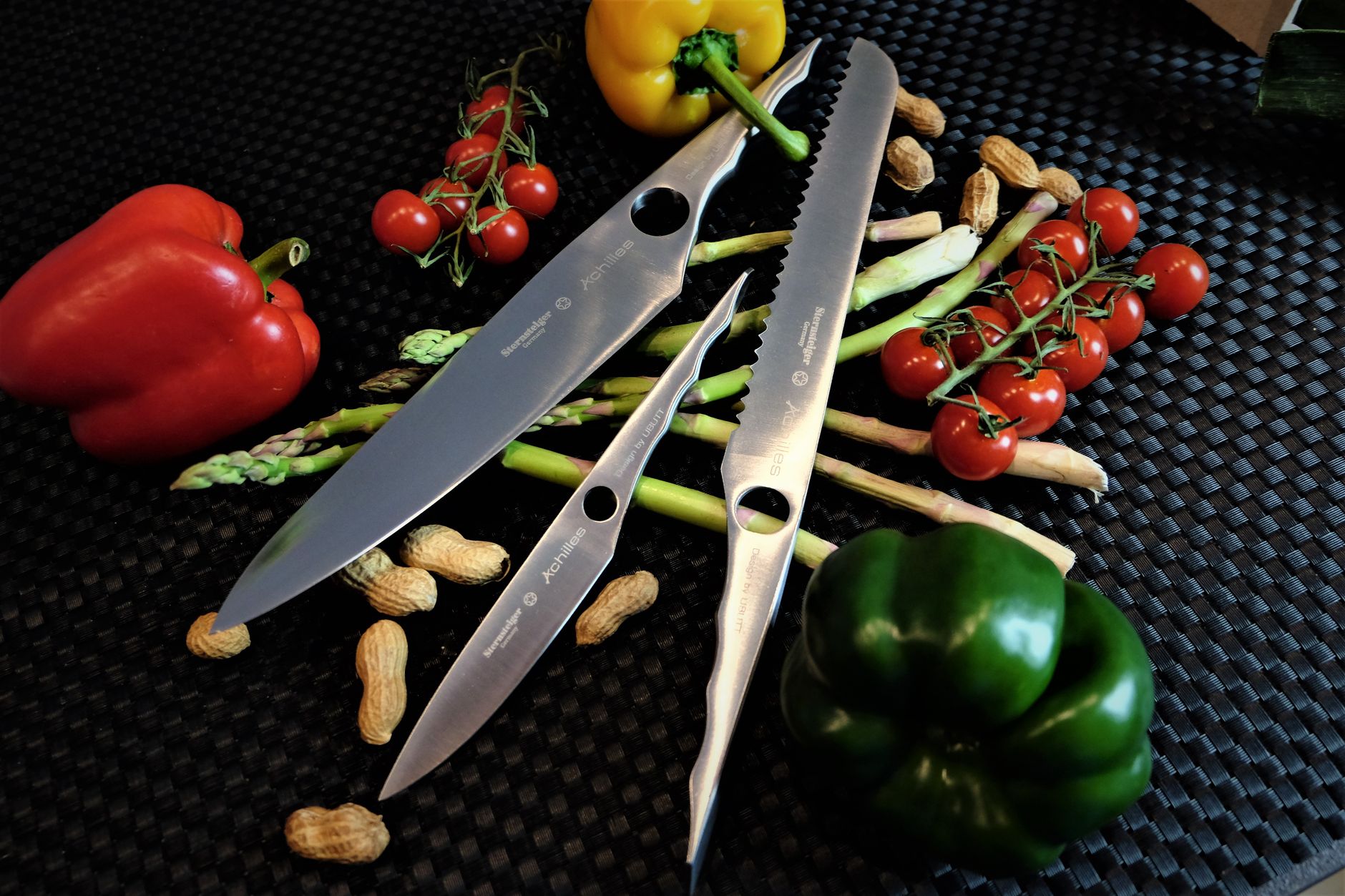
More You Might Like
Explore our tips on choosing the best foods mayonnaise to perfectly complement your tomato sandwiches and salads.
For an all-in-one shopping experience, check out our guide to reliable Walmart groceries that meet halal and health-conscious standards.
Conclusion
Using the best knife for tomatoesmost often a sharp serrated blademakes slicing easier, safer, and mess-free. Pair your knife choice with proper technique and care to preserve the tomatos fresh taste and texture. Next time you slice tomatoes, notice the difference a quality knife makes. Feel free to share your favorite tomato-cutting tools or tips in the comments below!
FAQs
Is the best knife for tomatoes actually Halal — what should I check on the label?
Metal knives themselves do not have Halal or Haram status. To ensure Halal compliance, look for knives certified by organizations like JAKIM, HMC, or IFANCA. These certifications confirm they meet strict manufacturing and hygiene standards, important for halal kitchens.
When is the best time to eat or prepare tomatoes?
Tomatoes are best eaten or prepared when fully ripe, bright red, and at room temperature. This ensures easier slicing and optimal flavor. Avoid chilling tomatoes before slicing as cold tomatoes resist cutting and risk tearing.
How often should I sharpen a tomato knife?
Serrated tomato knives need sharpening about twice a year depending on use, while straight-edged knives require more frequent attention, possibly monthly. Regular honing every few uses maintains sharpness for clean, easy slicing.
Can a chef’s knife replace a tomato knife?
A very sharp chef’s knife can slice tomatoes well if used with care. However, serrated tomato knives are generally better for ripe, soft tomatoes since they require less pressure and reduce the risk of squishing.
Are ceramic knives good for slicing tomatoes?
Ceramic knives hold a sharp edge longer and can slice tomatoes cleanly but are brittle and prone to chipping when cutting tough skin. They are less suitable for sawing motions needed to cut tomatoes without crushing them.