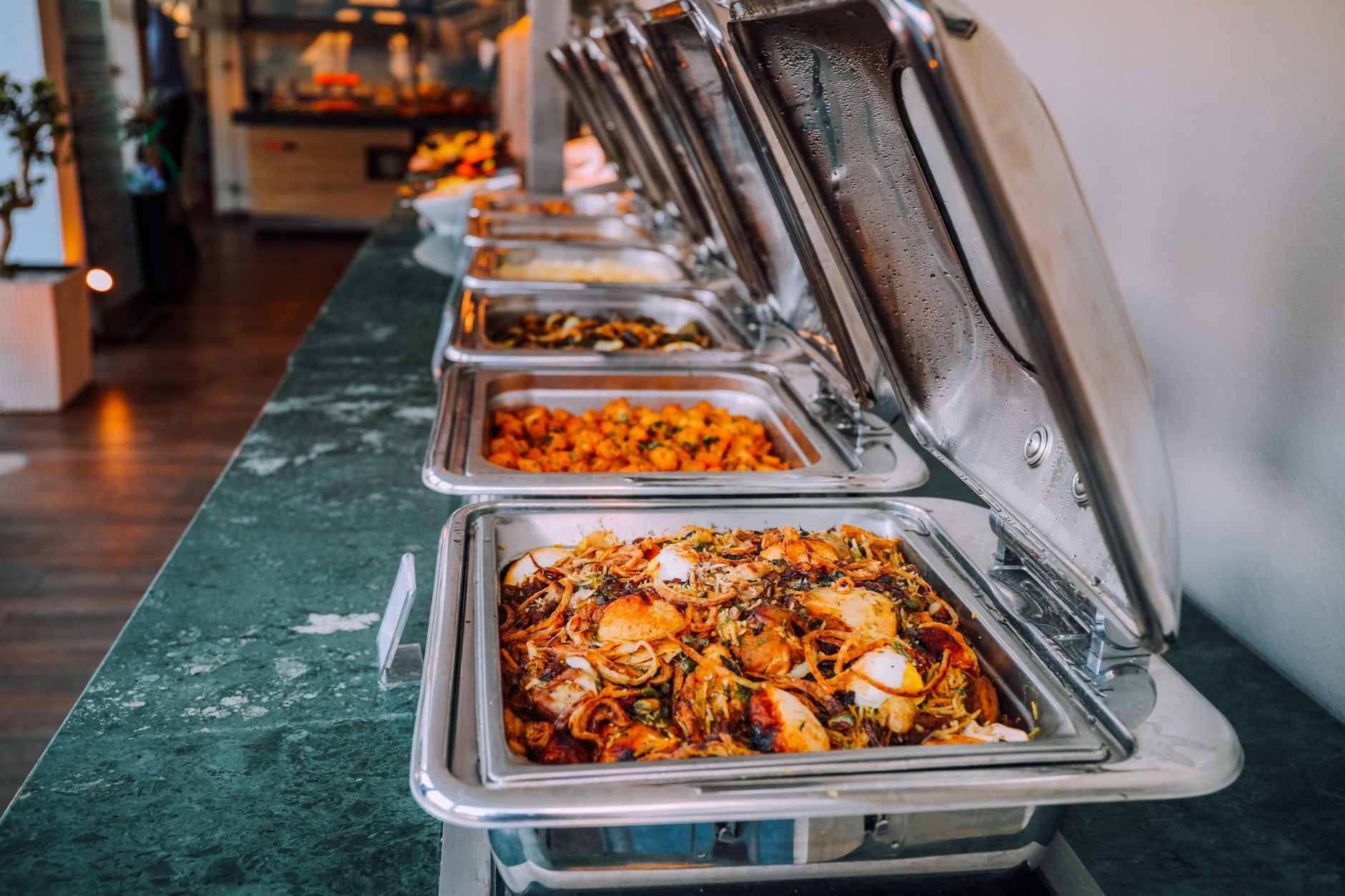
Closed chain buffets once dotted many cities, offering endless food variety at a fixed price. But if youre wondering why these familiar dining spots vanished, youre not alone. From changing customer tastes to health regulations, several closed chain buffets struggled to keep their doors open. Here, well explore twelve major buffet chains that are no longer around and uncover the reasons behind their decline.
What Are Closed Chain Buffets?
Closed chain buffets are buffet-style restaurant chains that once operated across multiple locations but have since shut down entirely. Unlike local independent buffets, these chains shared a brand, menu style, and service model nationally or regionally. Their closures carry weight because they often served as affordable, all-you-can-eat hubs for communities.
These buffets shaped food culture by offering variety and convenience. Yet, their downfall also marks shifts in how people dinemoving toward healthier or more curated meals, and rising concerns about food safety and operational costs. Understanding closed chain buffets means looking at both their cultural impact and the business challenges they faced.
What Factors Lead to Buffet Chains Closing?
The fate of many closed chain buffets ties back to several key factors. Economic pressures loom largerising ingredient and labor costs squeeze profit margins tightly. Competition from fast-casual restaurants and meal delivery services pulls diners away. Health and safety issues like food-borne illness outbreaks or stricter health inspections make buffet operations riskier and costlier.
Also, consumer preferences are evolving. Diners increasingly seek fresher, customizable, or niche dining experiences over the mass-served buffet model. The COVID-19 pandemic accelerated many of these trends, as public health regulations forced buffet closures nationwide.
Examples From Selected Chains
Take Old Country Buffet, for instance. Lawsuits and health inspection failures hit its reputation hard, pushing several locations to bankruptcy. Souplantation, known for healthier buffet options, closed many stores after pandemic restrictions slashed dine-in demand. Each chains closure reflects a unique combination of these pressures.
Major Closed Chain Buffets
Popeyes Buffet
Popeyes Buffet gained fans for its classic comfort food and affordable prices, peaking in the early 2000s. However, intense competition and shifting consumer lifestyles made operations tough. Many locations closed quietly by the late 2010s, remembered mostly by nostalgic visitors craving variety on a budget.
Old Country Buffet
Old Country Buffet was a midscale buffet staple with hundreds of outlets. Despite initial success, legal battles and repeated health inspection issues damaged customer trust. Bankruptcy filings in the 2010s led to closures and consolidation. Most of its former spaces transformed into fast-casual dining or other formats.
Wendys SuperBar Buffet
Wendys SuperBar was an ambitious experimentmelding fast-food speed with buffet variety. Running in select locations during the 1980s and 1990s, it ultimately failed to match consumer expectations for either concept fully, leading to its discontinuation. Its legacy hints at how hybrid buffet concepts are challenging to sustain.
Eatza Pizza
A unique blend of pizza and buffet dining, Eatza Pizza offered all-you-can-eat pizza alongside sides. While appealing at first, inconsistent quality and weak brand presence stunted growth, leading to closures across its markets by the late 2000s. Its story underscores how novelty alone isnt enough in buffet business models.
Souplantation / Sweet Tomatoes
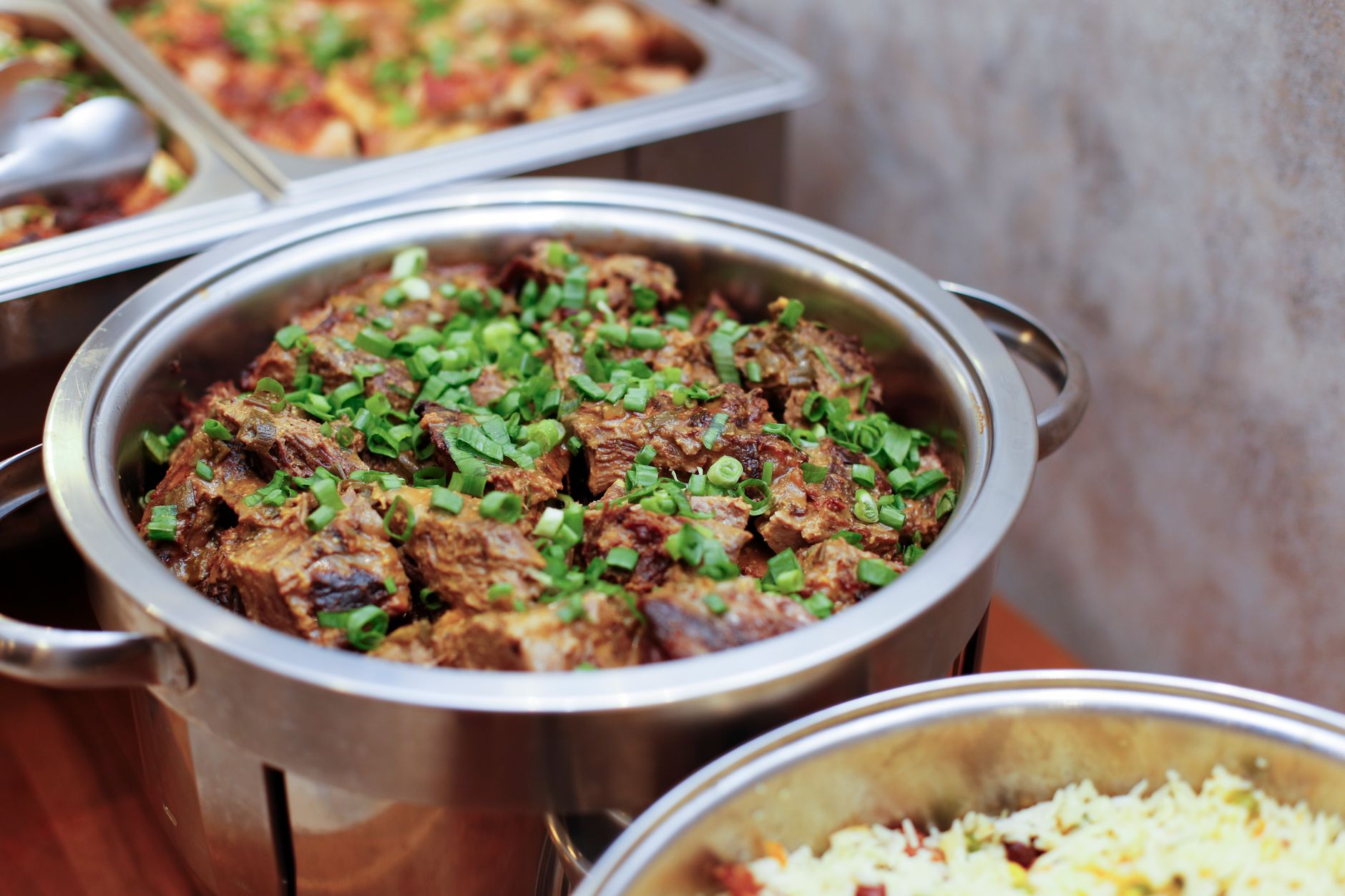
Souplantation, known as Sweet Tomatoes on the East Coast, championed fresh salads and soups in an all-you-can-eat format. Popular with health-conscious diners, it still faced operational challenges. The COVID-19 pandemic hit it hardest, forcing permanent closure of all locations in 2020. It left behind fond memories of a healthier buffet alternative.
Todai
Todai specialized in seafood buffets, catering to sushi lovers and seafood fans. Despite a loyal customer base, high food costs and changing tastes in dining experiences hurt its prospects. Many stores closed quietly, reflecting the difficulty of maintaining premium buffet pricing amid discount-driven markets.
Furrs
Furrs was a regional buffet chain offering homestyle American dishes. Once a community favorite, it faced economic challenges as food costs rose and casual dining competitors gained market share. Many locations shuttered in the 2010s, replaced by chain restaurants or grocery-related services.
Fresh Choice
With a focus on fresh, organic buffet options, Fresh Choice targeted health-minded consumers. However, higher prices and limited menus hurt its ability to retain broad appeal. Growing consumer preference for made-to-order meals and meal kits reduced demand, spelling its eventual exit from many markets.
Ryans
Ryans Buffet thrived as a midscale casual dining chain for decades. Its well-rounded menu attracted families and groups. Corporate mergers and acquisitions complicated its stability, and changing consumer expectations for quality and ambiance prompted closures and rebrandings.
HomeTown Buffet
HomeTown Buffet was a casual, affordable buffet concept competing with many others. Filing for bankruptcy in the late 2010s, it closed most locations amid tough competition, shifting food trends, and the rise of fast-casual chains. Former venues now serve alternative dining needs in many communities.
Horn & Hardart
One of Americas earliest buffet-style chains, Horn & Hardart became famous for cafeteria-style dining. It pioneered quick-service in the early 20th century but eventually faded due to aging facilities and newer competitors offering fresher, more modern experiences. Its story reflects the buffets long evolution.
Honorable Mention: Lubys
Although not a pure buffet, Lubys family-style restaurants often featured buffet-like offerings. Once a Texas legend, it closed many locations amid financial struggles and shifting dining preferences. The response from communities shows how these types of eateries held deep nostalgia beyond just food.
Lessons from Closed Buffets
What do these closures teach us? Buffets, while offering variety and value, face inherent operational challenges. High food waste, rigorous health regulations, and thin profit margins create thin margins for error. Adaptability is keychains that failed to innovate or adjust to consumer demands often did not survive.
For health-conscious eaters, especially those seeking Halal-certified or clean-label options, these changes highlight a trend toward transparency, quality ingredients, and food safety. Modern dining experiences often emphasize these factors over sheer volume.
Are Buffets Making a Comeback?
Post-pandemic, buffets are cautiously re-emerging with innovations like individual portions, enhanced sanitation, and contactless service. Customers still crave variety, but with safer, fresher methods. Hybrid models blending buffet elements with fast-casual efficiency are appearing, showing that buffets might return with a new face.
How to Enjoy Buffets Responsibly
If you visit a buffet today, be mindful of hygiene. Use sanitizer before serving, avoid touching utensils directly, and choose food that looks freshly replenished. Check if the restaurant follows health codes diligentlyespecially important for those with dietary restrictions like Halal diets.
For Halal diners, its best to look for Halal certification logos from JAKIM, HMC, or IFANCA on buffet menus or signage. This ensures ingredients meet religious dietary standards, which can sometimes challenge buffet providers due to cross-contamination risks.

Is closed chain buffets actually Halal what should I check?
Whether a buffet is Halal depends on how thoroughly it sources and handles ingredients. Always check for Halal certification from recognized bodies like JAKIM, HMC, or IFANCA. Look for clear signage and ask staff about meat sourcing, cross-contamination policies, and ingredient lists. Buffets pose extra challenges since multiple dishes share serving utensils and areas, increasing cross-contact risks.
When is the best time to eat/drink at a buffet?
The best time is just after the buffet opens or right after a fresh food restock. This ensures items are freshly prepared and reduce food sitting out too long. Avoid visiting buffets near closing time, as food quality can decline, and replenishments slow down.
What safety practices should I look for at buffets today?
Look for sneeze guards, regularly cleaned serving tools, and clear signage reminding diners of hygiene rules. Buffets with staff monitoring food stations and replenishing frequently typically maintain better safety standards.
Why did many affordable buffets struggle financially?
Affordable buffets often operate on slim margins. Rising food costs, labor expenses, and food waste management create financial strain. Without adapting pricing or menu quality, many couldnt sustain profit levels.
Are buffet chains more prone to health code violations?
Buffets have more food exposed over longer times, increasing contamination risk. Multiple customers share serving areas, increasing chances of spreading germs. This requires rigorous health code compliance to reduce risks, which some chains failed to maintain.
How do Halal requirements affect buffet operations?
Halal standards require dedicated supply chains, ingredient verification, and strict preparation procedures to avoid cross-contact with Haram items. Buffets must carefully divide Halal sections or thoroughly clean serving utensils to meet these standards, adding operational complexity.
Can buffet closures impact food culture or local economies?
Yes, buffet closures can reduce affordable dining options, impact jobs, and remove communal food experiences that many cherish. However, they also open opportunities for healthier, niche dining concepts reflecting evolving tastes.
What mistakes do consumers make when choosing buffet food?
Common mistakes include overloading plates, leading to food waste, or choosing items that have been sitting out too long. It‘s wise to survey before filling your plate and prioritize freshly replenished dishes.
More You Might Like
Interested in fresh dining deals? Check out our guide to Corner bakery coupons for delicious savings on baked goods. For quick meal solutions, explore options in H mart prepared foods that cater to Halal and health-conscious eaters.
Final Thoughts
The story of closed chain buffets is a window into the changing food industry landscape. They once offered variety and value but struggled with rising costs, evolving tastes, and health challenges. Next time you visit a buffet or shop for food, keep an eye on quality, sourcing, and certification, especially if Halal is important to you. Share your own buffet memories or tips below your experiences enrich the conversation.
FAQs
Is closed chain buffets actually Halal — what should I check on the label?
To ensure a buffet is Halal, look for certification from recognized bodies like JAKIM, HMC, or IFANCA. Check clear signage and ask staff about ingredient sources, cross-contamination policies, and preparation methods to confirm Halal compliance.
When is the best time to eat or drink at a buffet?
The best time is just after the buffet opens or immediately after fresh food restocking. This ensures the dishes are freshest and reduces the risk of eating food that has been sitting out too long.
What safety practices should I look for at buffets today?
Look for sneeze guards, regularly sanitized serving utensils, staff monitoring food stations, and clear hygiene signage. These measures help maintain food safety and reduce the risk of contamination.
Why did many affordable buffets struggle financially?
Affordable buffets face tight profit margins due to rising food and labor costs, high food waste, and stringent health regulations. Without adjusting pricing or quality, many chains could not sustain long-term profitability.
Are buffet chains more prone to health code violations?
Yes, because buffets expose food for longer periods and have many customers sharing serving areas, increasing contamination risks. This requires strict health compliance, which some chains failed to maintain consistently.