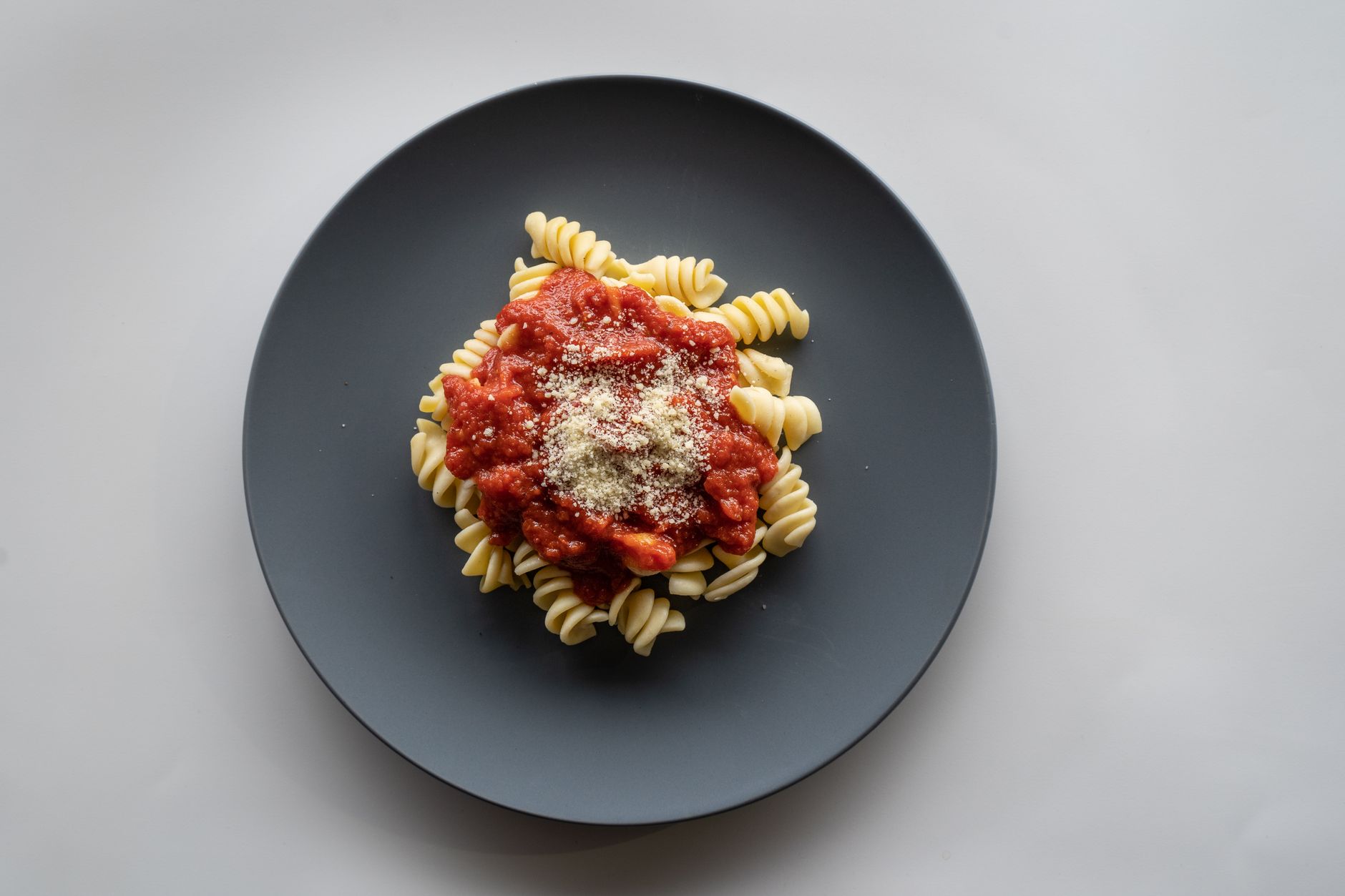
Wondering about your pasta sauce fridge life? Whether youve just made a homemade sauce or opened a jar, knowing exactly how long pasta sauce stays fresh in the fridge can save your mealand your health. Many people store leftover sauce and cooked pasta together, assuming they last the same amount of time. But thats not quite true. Lets explore the facts and simple tips to keep your pasta dishes tasty and safe for days.
Pasta Sauce vs. Pasta
Its common to think leftover pasta and sauce share the same fridge life. However, different ingredients and moisture levels mean they spoil at different rates. Pasta sauce often contains ingredients that affect its longevityacidity from tomatoes, dairy in cream sauces, or oil-based herbs. Cooked pasta is mostly starch and water, making it prone to drying out and bacterial growth more quickly in some cases.
Microbial growth occurs faster in moist, nutrient-rich foods. For example, creamy sauces with dairy break down quicker than tomato-based sauces, while pastas texture changes once refrigerated. Understanding these food safety basics helps you avoid unpleasant surprises in your leftovers.
How Long Does Pasta Sauce Last In The Fridge?
The fridge life of pasta sauce depends largely on its type and ingredients. Tomato-based sauces usually last 5 to 7 days if stored properly in an airtight container, thanks to their natural acidity which slows bacterial growth. Cream-based sauces, like Alfredo or carbonara, typically remain safe for 3 to 4 days due to dairy content, which supports faster spoilage.
Oil-based sauces, like pesto or garlic-infused olive oil sauces, can last roughly 4 to 5 days in the fridge. Keep an eye out for common spoilage signs: sour smell, mold growth, discoloration, or separation of liquids. Toss any sauce that smells off or develops an unusual texture to stay safe.
Remember, homemade sauces without preservatives can spoil faster than store-bought varieties, especially if left uncovered or exposed to warm temperatures.
How Long Does Cooked Pasta Last In The Fridge?
Cooked pasta usually keeps for 3 to 5 days in the fridge. Its best to store it separate from your sauce to prevent sogginess and uneven cooling. Pasta texture changes easilyif it feels slimy, sticky, or has an off odor, discard it. A common mistake many make is mixing pasta and sauce before refrigerating, which can shorten shelf life and lead to faster spoilage.
Cooling pasta quickly and storing it in airtight containers helps maintain its texture longer. According to USDA FoodData Central, cooked pasta refrigerated below 40F stays safe within this 3 to 5-day window.
Comparison Table: Pasta Sauce vs. Cooked Pasta Storage
| Food Item | Typical Fridge Life | Signs of Spoilage | Storage Tips |
|---|---|---|---|
| Tomato-based Pasta Sauce | 57 days | Soured smell, mold, discoloration | Airtight container, refrigerate promptly |
| Cream-based Pasta Sauce | 34 days | Sour smell, separation, mold | Store chilled, avoid long exposure to heat |
| Cooked Pasta | 35 days | Sticky texture, off odor, slimy feel | Store separately, airtight container |
Proper Storage Tips
Storing Pasta Sauce
For the best pasta sauce fridge life, transfer leftovers to a clean airtight container immediately after cooking or once opened. This limits exposure to bacteria and reduces oxidation which affects flavor and safety. Keep your fridge temperature at or below 40F (4C). Avoid leaving sauce out at room temperature for longer than two hours.
Reheat your sauce to a rolling boil or 165F before serving to kill off any bacteria. Cream sauces need careful reheating to avoid curdlinglow and slow heat is best.
Storing Cooked Pasta
Storing pasta separately in an airtight container prevents sogginess and keeps it fresher. Do not rinse pasta before storing; rinsing removes starch that helps sauces cling later. Portion your pasta into meal-sized containers to avoid repeatedly opening the same batch and exposing it to bacteria.
A practical tip: if you know youll reheat only small portions, storing pasta in multiple small containers rather than one large one helps maintain quality and safety longer.
Step-by-Step: Cooling And Storing Leftover Pasta And Sauce
- Cool both pasta and sauce quickly by transferring to shallow containers.
- Store pasta and sauce in separate airtight containers.
- Place containers in the fridge within 2 hours of cooking.
- Label containers with the date to track freshness.
- Reheat sauce to at least 165F, pasta to steaming hot.

When To Toss Leftovers
Foreshadowing Spoilage
Trust your senses. If sauce smells sour, has mold spots, or changes color, discard it immediately. Likewise, pasta that turns sticky, slimy, or smells off should not be eaten, no matter how tempting it looks.
Bacterial growth isnt always visible, but warming leftovers multiple times speeds spoilage and increases food poisoning risk. When in doubt, throw it out.
Homemade vs. Store-Bought Sauce Longevity
Homemade pasta sauces generally last less in the fridge than store-bought ones. Commercial sauces contain preservatives and often have higher acidity or sugar levels, which help inhibit microbial growth. Homemade sauces, especially those with fresh herbs, dairy, or no added acids, spoil fasteroften within 3 to 4 days.
Halal-certified store-bought sauces with clean labels and traceable ingredients can provide confidence for shelf life and quality. Look for certification logos like JAKIM or IFANCA to ensure compliance with Halal standards.

Extending Shelf Life
Freezing Sauce
Freezing is a great way to extend leftover pasta sauce fridge life. Tomato-based and oil-based sauces freeze well, maintaining flavor and texture best. Transfer cooled sauce to freezer-safe containers, leaving 1-inch headspace for expansion. Frozen sauce lasts for 3 to 4 months.
Freezing Cooked Pasta
You can also freeze cooked pasta, but it will become softer after thawing. For best results, freeze pasta with a little olive oil to prevent clumping. Use within 1 to 2 months for quality.
Thaw sauces and pasta in the fridge overnight. Reheat fully before eating, ensuring a safe internal temperature of at least 165F.
Discover More Halal Recipes
If you‘re interested in exploring classic Indonesian flavors, check out this collection of Indonesian dishes that feature rich sauces and spices perfect for your next meal.
Or try pairing your pasta sauce with a halal-friendly pizza option like the popular Little caesars pizza, which balances well with bold tomato sauces.
Is pasta sauce fridge life different for homemade and store-bought varieties?
Yes. Homemade sauce typically lasts 3 to 4 days due to the absence of preservatives. Store-bought sauces often contain additives like vinegar and sugar, allowing a 5 to 7-day fridge life once opened. Proper storage conditions remain crucial for both.
Can I store pasta and sauce together in the fridge?
Its safest to store them separately. Mixing pasta and sauce before refrigeration can cause uneven cooling and faster spoilage, especially with cream sauces. Separate storage preserves texture and extends fridge life.
How can I tell if pasta sauce has gone bad?
Look for sour or fermented smells, visible mold, unusual color changes, or separation of liquids. These signs indicate bacterial or fungal growth, making the sauce unsafe to eat.
Does refrigeration temperature affect pasta sauce freshness?
Absolutely. Keeping your fridge at or below 40F (4C) slows bacterial growth. Higher temperatures can cause sauce to spoil faster, so a reliable fridge thermometer helps maintain safe storage conditions.
Is it safe to reheat pasta sauce multiple times?
Repeated reheating increases bacterial risk. Its best to reheat only the portion you plan to eat. Always bring sauce to 165F to kill harmful bacteria before consuming.
What containers are best for storing pasta sauce?
Use clean, airtight containers made of glass or BPA-free plastic. Avoid metal containers, which may react with acidic tomato sauces. Label containers with dates to track freshness.
Do preservatives in store-bought pasta sauces affect Halal certification?
Not necessarily. Many preservatives used are Halal-compliant, but its essential to check the certification logo such as JAKIM, HMC, or IFANCA on packaging to confirm compliance with Halal standards.
Whats a common mistake that reduces pasta sauce fridge life?
Leaving sauce out too long before refrigeration is common. The USDA recommends refrigerating leftovers within two hours of cooking. Delays allow bacteria to multiply, cutting fridge life drastically.
How does acidity in tomato sauces affect their shelf life?
Higher acidity inhibits microbial growth, naturally increasing shelf life. Tomato sauces with vinegar or lemon juice last longer. Cream sauces with low acidity spoil quicker and require careful handling.
Conclusion
Knowing your pasta sauce fridge life helps keep meals safe and delicious. Tomato-based sauces last 57 days, cream sauces about 34 days, while cooked pasta keeps 35 days when stored properly. Separate storage, prompt refrigeration, and mindful reheating preserve flavor and reduce waste. Next time you store leftovers, check the date and container to enjoy your pasta the safe way. Feel free to share your favorite sauce recipes or storage hacks in the comments!
FAQs
Is pasta sauce fridge life actually Halal — what should I check on the label?
Yes, pasta sauce can be Halal if it complies with Halal standards. Check for certification logos like JAKIM, IFANCA, or HMC on the label. Also, review ingredient lists to avoid non-Halal additives or preservatives.
How long does pasta sauce last in the fridge after opening?
Tomato-based sauces typically last 5 to 7 days, cream-based sauces 3 to 4 days, and oil-based sauces around 4 to 5 days when stored properly in airtight containers refrigerated below 40°F.
What is the difference in fridge life between homemade and store-bought pasta sauce?
Homemade pasta sauces usually last 3 to 4 days due to lack of preservatives, while store-bought varieties can last 5 to 7 days because of added acids and preservatives that extend shelf life.
How can I safely store and reheat pasta sauce daily?
Store sauce in clean airtight containers and refrigerate within 2 hours of cooking. Reheat only the portion you plan to eat to 165°F to kill bacteria. Avoid reheating multiple times to reduce spoilage risk.
Where can I buy Halal-certified pasta sauces?
Halal-certified sauces are available at specialty grocery stores, Halal markets, and online retailers. Look for packaging with Halal certification seals to ensure compliance and quality.