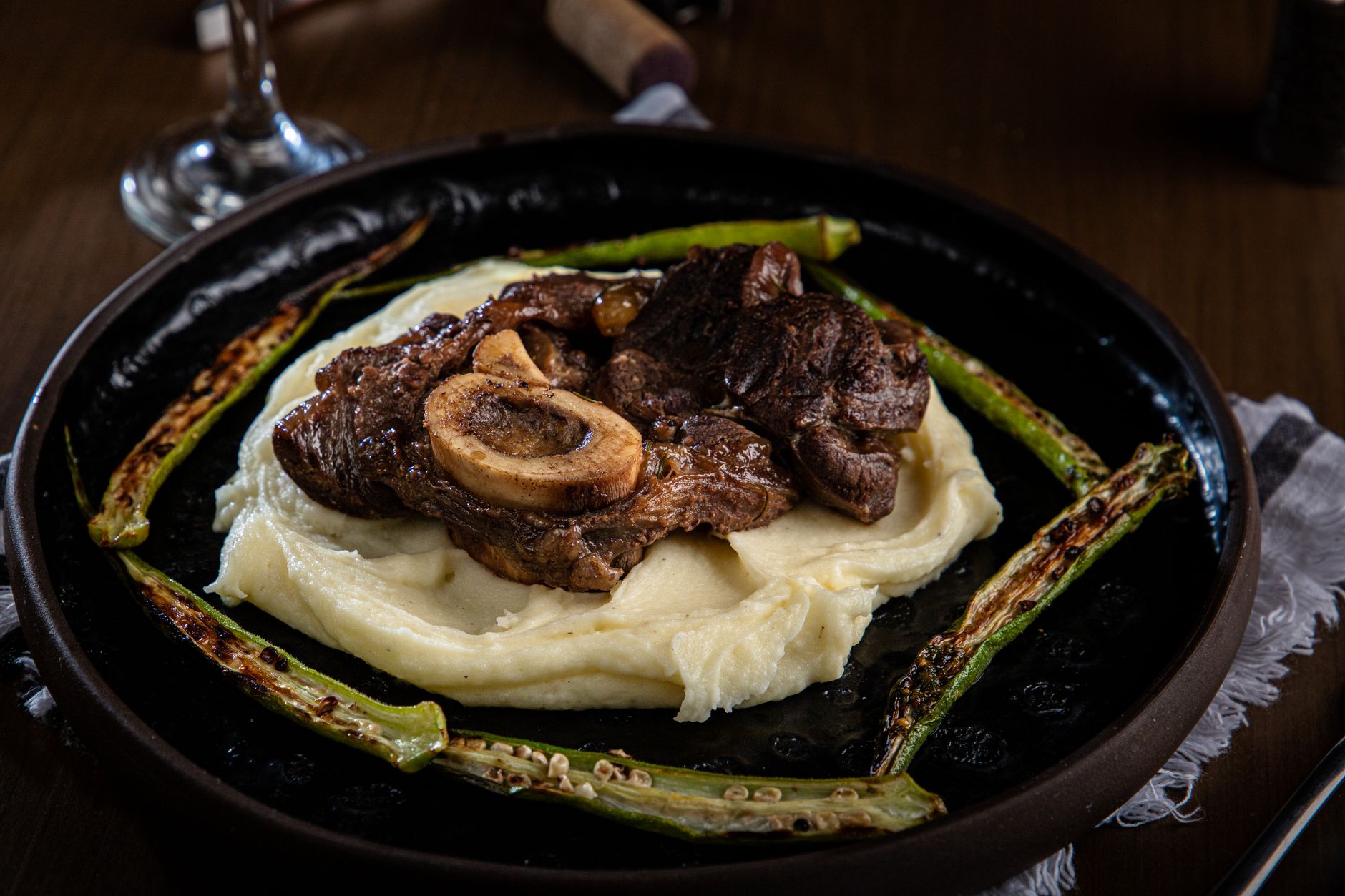
Mashing potatoes easy doesnt require fancy kitchen gadgets. You can create fluffy, smooth mashed potatoes with just a fork, whisk, or other common tools. Whether you forgot your potato masher or like to keep things simple, this guide shows you how to get perfect, velvety mash using everyday items. A few smart techniques and ingredient tips will have you serving rich, soft potatoes that pair beautifully with any meal.
Why Mash Potatoes Easy Matters
Knowing how to mash potatoes easy is a useful cooking skill, especially when you want to whip up a comforting side dish fast. Its about embracing simplicity while ensuring your result is tender and creamy. Mastering this technique lets you skip buying specialty equipment and reduces kitchen clutter, making mashed potatoes more accessible for everyone.
Mashing potatoes the easy way also helps avoid common pitfalls like lumpy textures or gluey messes. With the right potato choice, cooking method, and careful mashing, youll never have to settle for dry or gummy mash again. Plus, being able to improvise in the kitchen with limited tools builds your confidence and creativity.
Essential Tools For Easy Potato Mashing
What Kitchen Tools Work Best For Mashing Potatoes?
Using a potato masher is classic, but you can easily mash potatoes with other household tools.
Using a Fork Step-by-Step Guide and Tips
The fork is probably the most accessible mashing tool. To mash potatoes easy with a fork, boil potatoes until fork-tender (about 15-20 minutes depending on size). Drain well to avoid watery mash. Then, hold the fork firmly and press down repeatedly, turning the potatoes to work through lumps. Using the forks prongs lets you break potatoes into chunks that quickly become creamy with a little butter and milk.
How To Mash Potatoes With a Whisk or Spoon
A sturdy whisk can be surprisingly effective when potatoes are cooked soft. Using circular motions, press and whip the potatoes to break them down while incorporating air for lightness. A wooden or metal spoon also works in a similar way but may take a bit more elbow grease.
Other Household Items That Help
Try using a silicone spatula or even the bottom of a sturdy glass or cup to press and crush the potatoes. These alternatives help if you want smoother results without globules. For creamier textures, consider tossing in a hand mixer briefly, but be cautious to avoid overworking the starch, which causes gluey potatoes.
Pros and Cons of Each Tool
- Fork: Great control but takes time; yields chunkier mash.
- Whisk: Adds air for fluffiness; works best on very soft potatoes.
- Spoon: Versatile, but slower than a masher.
- Spatula/Glass Bottom: Useful for pressing; helps smooth texture.
- Hand Mixer: Quick and fluffy but can turn gluey if overdone.
Expert chefs often say the key is patience and properly cooked potatoes more than the tool itself. Using whatever you have can deliver delicious results.
Step-by-Step: How To Mash Potatoes Easy Without A Masher
Preparing Your Potatoes For Perfect Mash
Best Potato Varieties For Easy Mashing
Yukon Gold and Russet potatoes are the top choices. Yukon Gold offers buttery flavor and creamy texture, while Russets provide fluffy, absorbent flesh ideal for mash. Avoid waxy potatoes like Red Bliss, which stay firm and resist mashing.
Cooking Potatoes Correctly For Fluffiness
Boiling is common: peel and cut potatoes into uniform chunks around 2-inch cubes. Place in cold water with a pinch of salt, then bring to a boil. Cook 1520 minutes until fork-tender but not falling apart. For less water absorption, steaming is excellent steam for 25 to 30 minutes similarly until potatoes are soft throughout.
Drain well in a colander and let them sit briefly to release excess moisture. Moisture control is crucial to prevent gluey mashed potatoes.
Techniques For Mashing Potatoes Without A Masher
How To Fork-Mash Potatoes Flawlessly
Start mashing while the potatoes are hot. This breaks down the starches properly. Press down firmly with the fork, turn the potatoes, and mash in batches. Incorporate softened butter bit by bit, then add warmed milk or cream carefully, until creamy but not runny. Season with salt and pepper throughout for balanced taste.
Using a Whisk or Hand Mixer As Alternatives
Whisk potatoes in a circular motion to fluff and gently break lumps. With a hand mixer, use low speed in short bursts: 10 to 15 seconds at a time. Stop to stir with a spoon and check texture often. Overmixing causes gummy mash due to starch over-release, so err on the side of light mixing.
Adjusting Liquid and Fat For Creaminess
Use unsalted butter for a rich flavor and whole milk for the best creamy texture. Warm liquids before adding to maintain potato temperature. For lighter mashes, substitute half-and-half or broth. Always add liquids slowly. Too much makes the mash soupy, too little keeps it dense.
Common Mistakes And How To Fix Them
- Overworking potatoes: Stops fluffy texture; fix by cooling mash slightly and gently stirring in a bit more warm milk.
- Underseasoning: Taste as you go; salt enhances natural potato flavors.
- Excess water: Drain and dry potatoes well before mashing.
- Uneven cooking: Cut potatoes evenly for uniform softness.
One home cook shared that switching from a fork to a whisk halfway through made all the difference in fluffiness. Experiment to find your favorite method!
Flavoring and Customizing Your Easy Potato Mash
Basic Seasoning Essentials
Start with salt, freshly ground black pepper, and unsalted butter. These classics bring out the inherent sweetness and earthiness of potatoes. Add butter in small chunks to melt evenly into the warmth.
Creative Add-Ins To Elevate Your Mash
Consider roasting garlic cloves and folding them in for a mellow aroma, or stir in sharp cheddar cheese for richness. Fresh herbs like parsley, chives, or thyme add vibrant notes without overpowering. For a robust twist, a dollop of sour cream or Greek yogurt offers tang and creaminess.
Making It Dairy-Free or Vegan
Use olive oil or vegan butter substitutes for richness. Replace milk with plant-based varieties like almond, oat, or soy milk warm these gently before mixing. Add coconut cream sparingly for lush texture, but be mindful of flavor profiles to maintain balance.
Maintaining Texture and Avoiding Mash Mistakes
How To Avoid Gluey mashed Potatoes
Use starchy potato varieties like Russet or Yukon Gold. Avoid waxy potatoes, which lend themselves poorly to mashing. Cook potatoes just until tender overcooking increases water absorption. Mash gently and add liquids gradually. Avoid high-powered hand mixers or prolonged whipping.
Fixing Texture Issues Post-Mash
If mash is too dense, stir in warm milk or broth tablespoon by tablespoon until loosened. For gluey mash, spread it thin on a baking sheet and bake at 350F for 5-10 minutes to dry excess moisture and improve texture.
Storing and Reheating Mashed Potatoes
Store mashed potatoes in an airtight container. They keep well for 57 days refrigerated. For best results, reheat gently on low heat, adding a splash of milk or broth to restore creaminess. Microwave reheating covered traps steam but stir halfway through to evenly warm.

When buying ingredients for your mash, look for Halal-certified dairy products and butter to align with your dietary needs. JAKIM, HMC, and IFANCA logos on packaging signal trusted Halal certification, ensuring the products meet rigorous standards.
Curious about convenient prepared foods? You might appreciate exploring Trader joe‘s prepared foods for times when cooking from scratch isnt an option. Or, if dining out, you can check the Jack in the box menu for Halal-friendly choices that pair well with mashed potatoes.
When is the best time to eat mashed potatoes easy?
Mashed potatoes make a perfect side dish for lunch or dinner, especially during colder months when warm, comforting foods appeal most. They are also a favorite for festive meals and gatherings, elevating any halal-certified meat or vegetable entre.
Is mashed potatoes easy actually Halal what should I check?
Potatoes are naturally Halal, but for mash, check that the added dairy (milk, butter) is certified Halal. Look for certification logos like JAKIM or HMC on packaging. Avoid mixes or prepared mash products with uncertain emulsifiers or enzymes that may not be Halal.
Can I mash potatoes easily without peeling?
Yes, leaving skins on enhances texture and nutrients, especially if using Yukon Gold or red potatoes. Wash thoroughly and boil until tender. Mash skins along with flesh for rustic mash, or remove them afterward depending on preference.
What type of milk works best in mashed potatoes?
Whole milk or cream delivers the creamiest, richest mash. For dairy-free options, use unsweetened almond, soy, or oat milk warmed before mixing in to maintain smooth texture without altering flavor drastically.
How much butter should I add for creamy mashed potatoes?
A good rule is about 2 to 4 tablespoons of unsalted butter per 1 pound of potatoes. Add gradually and taste to reach your preferred richness without overpowering the potatoes natural flavor.
Why do my mashed potatoes turn gluey sometimes?
Overworking mashed potatoes releases excess starch, causing a gluey, sticky texture. To prevent this, mash gently, avoid high-speed mixers, and add liquids slowly while watching consistency closely.
Can I prepare mashed potatoes in advance?
Yes, you can make mashed potatoes easy up to 24 hours ahead. Store in an airtight container in the refrigerator. Before serving, reheat gently and stir in warm milk or broth to restore creaminess.
Pro Tips For Perfect Mash Potatoes Easy
- Choose starchier potatoes: Russets create fluffier mash compared to waxy varieties.
- Warm your add-ins: Heat milk and butter before folding in; this keeps potatoes hot and absorbs better.
- Go low and slow with mixers: If using a hand mixer, pulse at low speed in short bursts to avoid gluey texture.
- Season in layers: Salt during boiling and again when mashing for balanced flavor.
- Experiment with herbs: Fresh chives or parsley brighten the dish and add a fresh note that complements rich mashed potatoes.
More You Might Like
Explore wholesome halal snacks and bakery options that pair well with classic dishes, enhancing your meal experience at home or on the go.
If youre interested in ready-to-eat options, our guide to Trader joe‘s prepared foods gives healthy and Halal-certified selections to simplify your shopping.
For a quick meal inspiration, check out the Jack in the box menu and discover delicious halal menu items that complement homemade sides like mashed potatoes.
Conclusion
Mastering mash potatoes easy is all about using simple tools and proper technique to achieve creamy, flavorful results every time. Whether you choose a fork, whisk, or spoon, the key is patient mashing, well-cooked potatoes, and balanced seasoning. Next time you want comforting mashed potatoes, try these tips to enjoy rich, fluffy mash without a special masher. Share your mash potato success stories or questions with us below we love hearing from you!
FAQs
When is the best time to eat or drink mash potatoes easy?
Mashed potatoes are ideal as a side dish for lunch or dinner, especially during colder months or festive gatherings. Their warm, comforting texture pairs well with many halal-certified meats and vegetable entrees, making them a versatile choice year-round.
Is mash potatoes easy actually Halal — what should I check on the label?
Potatoes themselves are naturally Halal, but to ensure your mash is Halal, check that added dairy products like milk and butter carry recognized Halal certification logos such as JAKIM, HMC, or IFANCA. Avoid mixes with uncertain ingredients that might not meet Halal standards.
How long can I store mashed potatoes after making them?
Store mashed potatoes in an airtight container in the refrigerator for 5 to 7 days. When reheating, warm gently over low heat or in the microwave with a splash of milk or broth to maintain creamy texture and flavor.
How does mashing potatoes without a masher differ from using one?
Mashing without a masher requires more patience and manual effort using tools like forks or whisks. While the texture may be chunkier or less uniformly smooth, proper cooking and technique still create deliciously creamy mashed potatoes without special equipment.
Where can I buy ingredients to make easy, Halal mashed potatoes?
You can find Halal-certified dairy products, butter, and potatoes at most large grocery stores, Halal markets, or specialty food shops. Look for trusted Halal certification symbols on packaging to ensure the ingredients meet your dietary requirements.