You walk into a sandwich shop and see "steak and cheese" on the menu. You order it expecting a Philly cheesesteak. What arrives looks close but tastes different. That gap between expectation and reality happens all the time because these two sandwiches are not the same thing. The Philly cheesesteak has a strict set of traditions behind it specific meat, specific bread, specific cheese, and a cooking method that turns simple ingredients into something unforgettable. This article breaks down exactly what makes the real deal, how to spot a fake, and how to make one yourself at home.
Whether you are eating out or cooking in, knowing the difference saves you from disappointment. Let us start with what authentic means.
What Is a Philly Cheesesteak?
A Philly cheesesteak is a hot sandwich built from thinly sliced ribeye steak, melted cheese, and a soft hoagie roll. It originated in Philadelphia in the 1930s and has since become one of America‘s most recognizable regional foods. The key is not just the ingredients but how they come together. The steak is shaved thin, seared on a flat-top griddle, chopped as it cooks, and then topped with cheese that melts into every crevice. The roll is sturdy enough to hold the filling but soft enough to soak up the juices.
According to Philadelphia food historians, the original version used hot dogs before switching to beef. The modern standard is ribeye because it offers the right balance of tenderness and fat content for that rich, savory finish.
Authentic versions never include bell peppers, mushrooms, or marinara sauce. Those extras turn it into a different sandwich altogether.
What Ingredients Make Up an Authentic Philly Cheesesteak?
An authentic Philly cheesesteak starts with three core components: thinly sliced ribeye steak, melted cheese, and a soft hoagie roll. The cheese choices are provolone, Cheez Whiz, or American cheese. Each brings a different texture and salt level. Ribeye is the standard cut because the marbling keeps the meat tender during the quick sear. The bread should be a fresh, soft roll with a slight chew Amoroso rolls are the gold standard in Philadelphia.
Some shops add grilled onions, but that is a personal preference, not a requirement. What you will not find in a traditional version are peppers, mushrooms, or any sauce beyond the cheese.
Why Is the Cooking Technique Important?
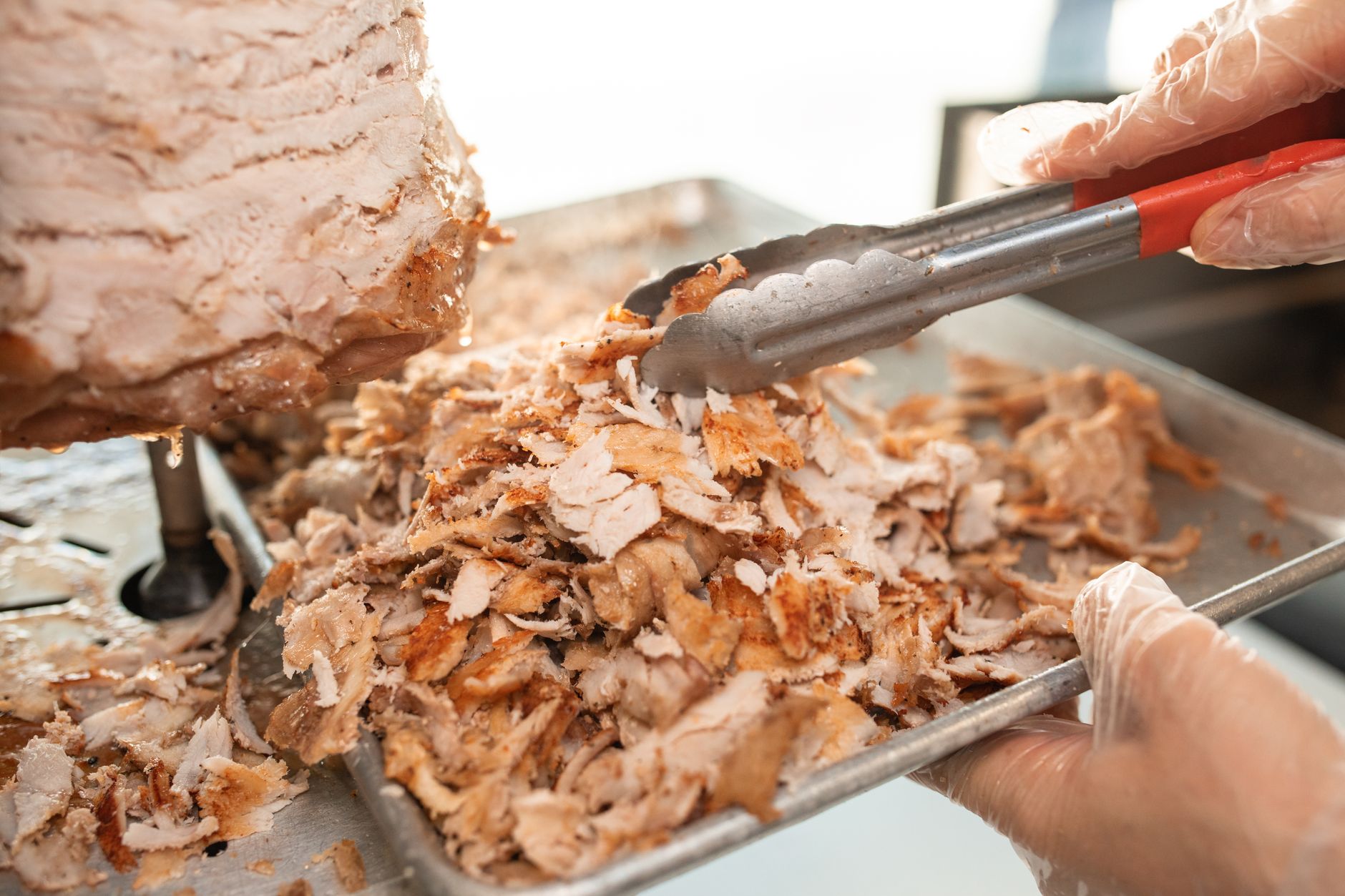
The technique matters more than most people realize. The steak must be sliced very thin about 1/8 inch or less so it cooks in under two minutes on a hot griddle. The high heat creates a Maillard reaction on the surface, giving the meat a deep savory flavor. As the steak cooks, the chef chops it with a spatula to break it into small, even pieces. That chopping action also helps the cheese melt evenly into the meat when added at the end.
If the steak is too thick, it chews tough. If the griddle is not hot enough, the meat steams instead of sears. That difference separates a good cheesesteak from a great one.
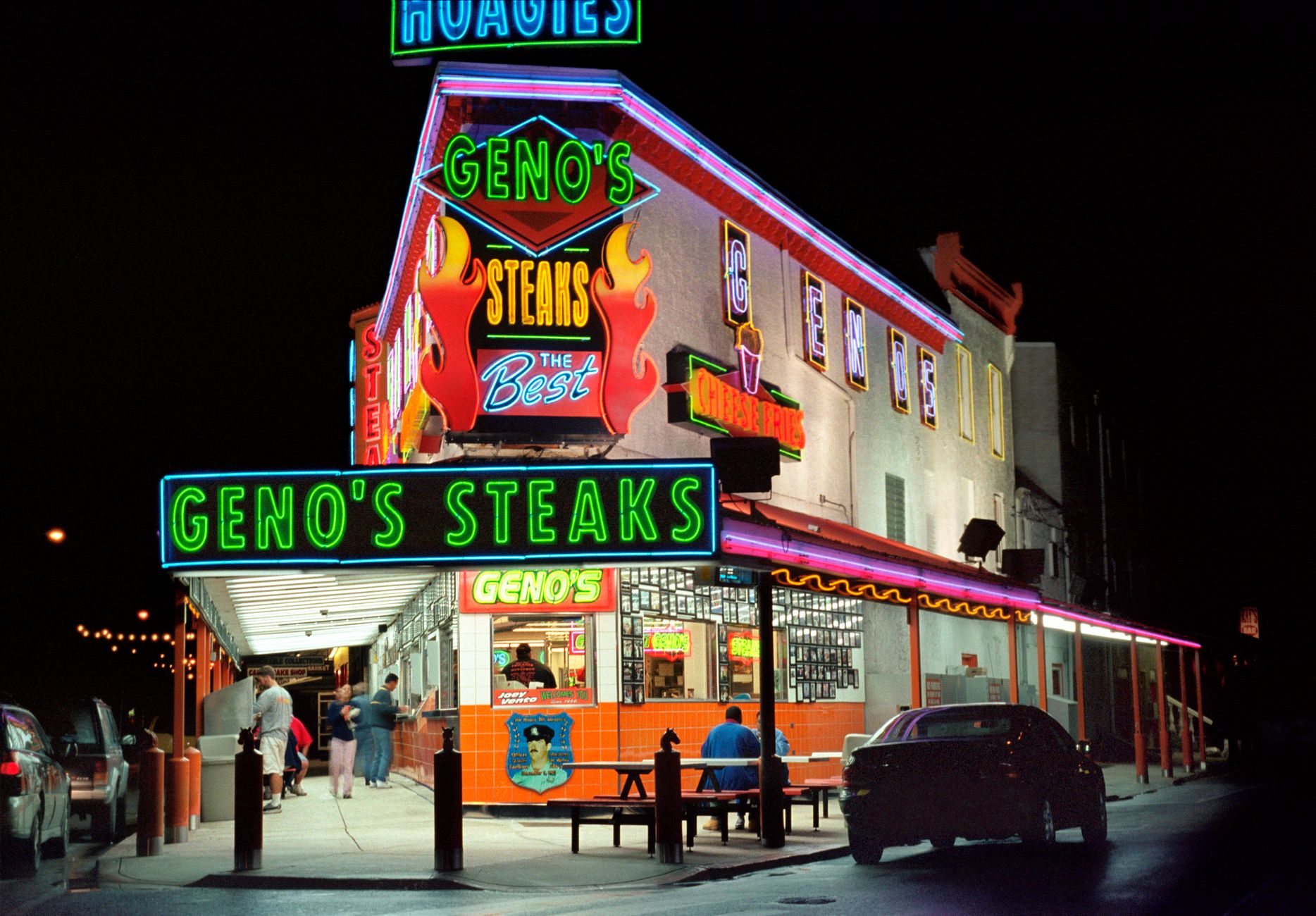
What Is a Steak and Cheese Sandwich?
A steak and cheese sandwich is a broader category. It typically includes steak strips or shaved beef, some type of cheese, and bread. Beyond that, there are no fixed rules. The steak can be sirloin, flank, or even pre-formed steak strips. The cheese can be mozzarella, cheddar, Swiss, or whatever is available. The bread might be a sub roll, a ciabatta, or even a wrap.
The biggest difference is that a steak and cheese sandwich does not follow the Philadelphia tradition. It is a general concept that varies from region to region and from kitchen to kitchen. That flexibility is fine for a quick meal, but it also means you never know exactly what you are getting.
How Does the Bread and Cheese Change the Experience?
The bread changes everything. A dense or crusty roll can overpower the filling, while a flimsy bun falls apart halfway through. The Philly cheesesteak uses a specific style of roll light, airy, with a thin crust that holds together without being tough. A generic steak and cheese sandwich often uses whatever bread is on hand, which changes the texture and the eating experience.
Cheese choice also matters. Provolone and Cheez Whiz melt smoothly and cling to the meat. Mozzarella or cheddar can separate or become rubbery. The melt quality directly affects how the sandwich feels in your mouth.
Can a Steak and Cheese Sandwich Be Authentic?
No, not if you define authentic by the Philadelphia standard. A steak and cheese sandwich can be delicious, but it is not a Philly cheesesteak unless it follows the traditional ingredient list and cooking method. According to Philadelphia-based chefs and food writers, calling any steak sandwich a Philly cheesesteak is misleading if it uses different meat, cheese, or bread.
That does not mean the steak and cheese sandwich is bad. It just means you should know what you are ordering. If the menu says "Philly cheesesteak" and the sandwich shows up with mushrooms and Swiss cheese, you are not getting the real thing.

How to Order a Philly Cheesesteak Like a Pro
Ordering the right way ensures you get the sandwich you actually want. In Philadelphia, the language is simple but specific. You tell the counter what cheese you want and whether you want onions. That is it.
Key Phrases to Know When Ordering
"Wit" means with onions. "Witout" means without onions. "Provolone," "American," or "Whiz" tells them the cheese. A typical order sounds like this: "One cheesesteak wit Whiz." That means a Philly cheesesteak with onions and Cheez Whiz. If you want provolone and no onions, you say: "One cheesesteak witout provolone."
Learning these two words makes you sound like a local and gets your order right every time.
Pitfalls to Avoid When Ordering a Philly Cheesesteak
Do not ask for ketchup, mayonnaise, or lettuce. Those additions are not part of the tradition and can overwhelm the flavor of the steak and cheese. Do not ask for extra veggies. A real cheesesteak is about the meat and the melt. Also avoid ordering a "Philly cheesesteak" at a chain restaurant that uses pre-portioned frozen steak strips the texture and flavor will be noticeably different from a fresh-grilled version.
If the shop offers peppers or mushrooms as standard toppings, you are probably not in an authentic spot. That is fine if you know that going in, but do not expect the real Philadelphia experience.
Recipe Card: Classic Philly Cheesesteak
| Prep time | Cook time | Total time | Servings | Calories | Diet tags |
| 15 minutes | 10 minutes | 25 minutes | 2 sandwiches | ~620 per sandwich | Halal, Can be made Gluten-Free |
Step-by-Step Guide to Making a Philly Cheesesteak at Home
Step 1: Prepare the Ribeye
Place your ribeye steak in the freezer for 30 minutes before slicing. That firms it up and makes thin slicing easier. Slice across the grain into pieces about 1/8 inch thick. You want the slices thin enough to see light through them. Aim for 8 to 10 ounces of meat per sandwich.
Step 2: Heat the Griddle or Pan
Set a cast-iron skillet or flat-top griddle over medium-high heat for 3 minutes. Let it get hot before adding any oil. Add 1 tablespoon of neutral oil and let it shimmer. The surface temperature should be around 375 F to 400 F for a proper sear.
Step 3: Sear the Steak
Spread the sliced ribeye in a single layer on the hot surface. Let it sear undisturbed for 45 seconds. Then start chopping and flipping with a metal spatula. Cook for another 60 to 90 seconds, breaking the meat into small pieces as it browns. Season lightly with salt and black pepper.
Step 4: Add the Cheese
Reduce the heat to low. Lay 2 to 3 slices of provolone or American cheese directly on top of the meat, or drizzle 3 tablespoons of Cheez Whiz over it. Let the cheese melt for 30 seconds without stirring. Then fold the meat and cheese together gently until the cheese is fully incorporated.
Step 5: Toast the Roll
While the cheese melts, split your hoagie roll open and place it cut-side down on the griddle for 30 to 45 seconds. The roll should be warm and lightly toasted on the inside but still soft on the outside.
Step 6: Assemble and Serve
Using your spatula, scoop the meat and cheese mixture into the roll. Press gently to settle the filling. Serve immediately while the cheese is still molten and the bread is warm. Do not wrap it in foil that traps steam and softens the bread too much.

Storage and Reheating Tips
A Philly cheesesteak is best eaten fresh, right off the griddle. If you have leftovers, store the meat and bread separately. Place the cooked meat in an airtight container and refrigerate for up to 3 days. Keep the roll at room temperature in a sealed bag for up to 2 days. To reheat, warm the meat in a skillet over medium heat for 3 to 4 minutes, adding a teaspoon of water to restore moisture. Toast the roll in the same pan for 30 seconds. Assemble just before eating. Do not microwave the assembled sandwich the bread turns rubbery and the meat becomes tough.
For longer storage, freeze the cooked meat in a sealed freezer bag for up to 2 months. Thaw overnight in the refrigerator before reheating.
Pro Tips for the Perfect Philly Cheesesteak
The most common mistake home cooks make is slicing the steak too thick. Thick pieces do not cook through before the outside burns. Freeze the meat for 30 minutes and use a sharp knife or a deli slicer if you have one. Another mistake is overcrowding the pan. Cook the meat in a single layer so it sears instead of steams. If you double the recipe, cook in two batches.
For flavor balance, add a pinch of sugar to the meat during cooking. That sounds odd but it helps caramelize the surface and deepens the savory notes. Do not skip the salt the steak needs it to bring out the beef flavor.
An expert upgrade is to add a thin layer of garlic butter to the toasted roll before adding the meat. That adds aroma and richness without overwhelming the main ingredients.
If you are looking for other sandwich options, check out our guide on Pho vs ramen for a different bowl experience. For a fast-food breakfast comparison, see our take on Wendy‘s breakfast sandwiches.
When is the best time to eat a Philly cheesesteak?
A Philly cheesesteak hits its peak at lunchtime or early dinner, ideally right off the griddle. The bread stays crisp, the cheese stays molten, and the meat has not had time to dry out. Late-night eats work too, but expect slight quality loss if the sandwich has been sitting under heat lamps.
What cut of beef is best for a Philly cheesesteak?
Ribeye is the standard because its marbling keeps the meat tender during the quick sear. Sirloin works in a pinch but tends to dry out faster. Ask your butcher to slice it for you about 1/8 inch thick to save time at home.
Can I make a Halal Philly cheesesteak?
Yes, absolutely. Look for ribeye or sirloin that carries a recognized Halal certification from bodies such as IFANCA, HMC, or JAKIM. The rest of the ingredients bread, cheese, oil are naturally Halal-friendly as long as they contain no non-Halal additives.
What cheese should I use for an authentic version?
Provolone gives a mild, slightly sharp flavor. Cheez Whiz offers a creamy, salty melt that many purists prefer. American cheese sits in between. Avoid mozzarella or cheddar for the classic taste. Each cheese changes the texture and salt profile noticeably.
How do I keep the bread from getting soggy?
Toast the inner side of the roll on the griddle for 30 to 45 seconds before adding the meat. That creates a light barrier that absorbs less moisture. Also, do not wrap the finished sandwich in foil steam softens the bread fast.
Is a Philly cheesesteak gluten-free friendly?
Not in its traditional form, since the roll contains wheat flour. You can make a gluten-free version by using a sturdy gluten-free hoagie roll or serving the meat and cheese over a bed of lettuce. The filling itself contains no gluten.
Can I use pre-sliced steak from the store?
Yes, but check the thickness. Many store-bought shaved steak packs are cut too thick or contain added binders. Look for packages labeled "thin shaved" or "cheesesteak style" with no more than beef and natural juices listed on the label.
More You Might Like
If you enjoyed this breakdown of a classic sandwich, you might also like our guide on Pho vs ramen two noodle soups that often get confused. For a quick breakfast option, check out our review of Wendy‘s breakfast sandwiches and how they compare to homemade versions.
Conclusion
The Philly cheesesteak is more than just a steak sandwich. It is a regional icon with a specific set of ingredients, a precise cooking method, and a loyal following that knows the difference. Whether you order one at a shop or make it at home, the key is using the right meat, the right bread, and the right technique. Next time you see a menu offering a Philly cheesesteak, you will know exactly what to look for and what to skip. Try the recipe above and taste the difference for yourself. Leave a comment below with your preferred cheese choice or your best homemade tip.
FAQs
When is the best time to eat or drink Philly cheesesteak?
A Philly cheesesteak hits its peak at lunchtime or early dinner, ideally right off the griddle. The bread stays crisp, the cheese stays molten, and the meat has not had time to dry out. Late-night eats work too, but expect slight quality loss if the sandwich has been sitting under heat lamps.
What is the shelf life of a Philly cheesesteak after preparation?
Store meat and bread separately. Cooked meat stays fresh in an airtight container in the fridge for up to 3 days. Keep the roll at room temperature in a sealed bag for up to 2 days. Reheat meat in a skillet with a teaspoon of water. Do not microwave the assembled sandwich. For longer storage, freeze cooked meat for up to 2 months.
What is the difference between a Philly cheesesteak and a steak and cheese sandwich?
A Philly cheesesteak uses thinly sliced ribeye, specific cheese (provolone, Cheez Whiz, or American), and a soft hoagie roll. The steak is seared on a hot griddle and chopped as it cooks. A steak and cheese sandwich is a broader term with no fixed rules; it can use different meats, cheeses, and breads, and often includes extra toppings like peppers or mushrooms.
Is it safe to eat a Philly cheesesteak daily?
At about 620 calories per sandwich, eating one daily may exceed recommended calorie intake unless you balance other meals. It is also high in saturated fat from the ribeye and cheese. Enjoy as an occasional treat rather than a daily staple to maintain a balanced diet.
Where can I buy authentic Philly cheesesteak ingredients or prepared sandwiches?
For prepared sandwiches, visit delis in Philadelphia or specialty shops that use ribeye, Amoroso rolls, and the right cheese. For homemade, buy ribeye from a butcher and ask for it sliced 1/8 inch thick. Hoagie rolls are available at local bakeries. Halal-certified ribeye can be found at Halal butchers or online meat suppliers.