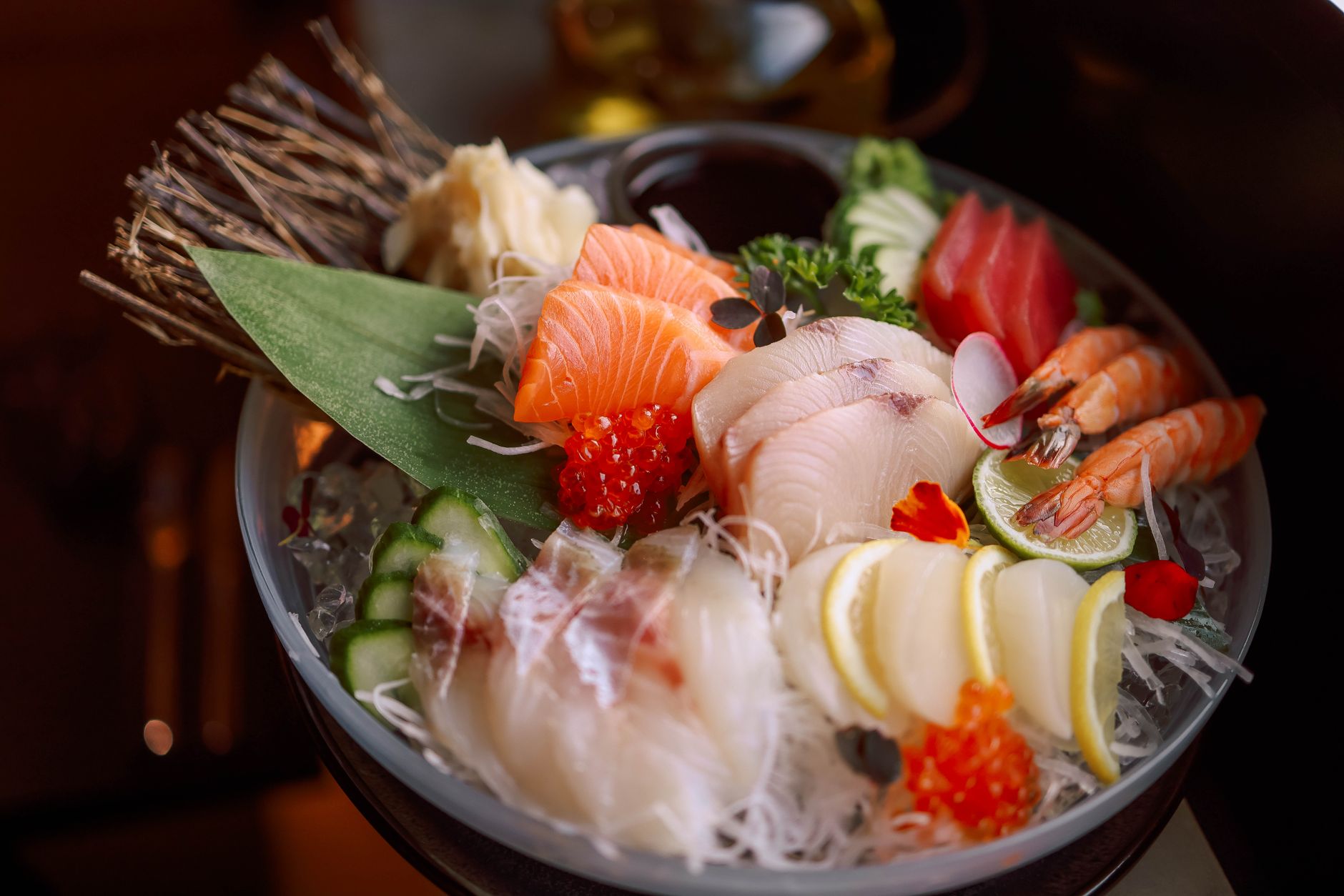
If you‘ve ever browsed a sushi menu or tried Japanese seafood, you might have wondered about the real difference between nigiri vs sashimi. Both involve raw fish and are staples of Japanese cuisine, but they offer distinct experiences. Nigiri consists of seasoned sushi rice topped with fresh fish or seafood, while sashimi is simply thinly sliced raw fish served on its own. Knowing the difference can make your dining choices clearer and deepen your appreciation for these carefully crafted dishes.
What is Nigiri?
What Makes Nigiri Unique?
Nigiri is a traditional type of sushi. Its foundation is a small mound of vinegared rice, carefully molded by hand. On top rests a slice of raw or cooked fish, seafood, or sometimes a topping like tamago (Japanese omelet). The balance between soft, slightly sticky rice and the fresh, flavorful seafood is what defines nigiri. Often, a small dab of wasabi is placed between the rice and fish to enhance flavor and add a gentle heat.
The quality of sushi rice is just as important as the fish. Properly prepared sushi rice is seasoned with rice vinegar, sugar, and salt to create a mildly tangy and slightly sweet flavor. This seasoned rice sets nigiri apart from other raw fish dishes by adding texture and taste dimensions.
How is Nigiri Prepared?
Crafting nigiri is an art form. Sushi chefs steam the rice to the ideal stickiness and cool it to body temperature before shaping it by hand into small bite-sized pieces, usually around 20 grams each. Then, slices of fishsuch as tuna, salmon, or yellowtailare carefully selected for freshness and cut with precision knives to enhance texture and appearance.
A thin layer of wasabi often goes between the fish and rice, serving a dual role: a flavor enhancer and a traditional antimicrobial. When eating nigiri, it‘s best to dip the fish side gently into soy sauce rather than the rice to preserve the rices delicate texture and avoid excessive saltiness.
Popular Nigiri Types
- Tuna (Maguro) Nigiri: Firm texture with a clean taste.
- Salmon (Sake) Nigiri: Rich, fatty, and buttery.
- Eel (Unagi) Nigiri: Grilled and sweet with a smoky finish.
- Shrimp (Ebi) Nigiri: Cooked and slightly sweet.
- Octopus (Tako) Nigiri: Chewy with a mild flavor.
Expert chefs recommend opting for fish labeled sashimi-grade or sushi-grade to ensure freshness and safety, especially when choosing raw toppings.
What is Sashimi?
How Does Sashimi Differ from Nigiri?
Sashimi is all about pure, unadulterated raw fish or seafood. Unlike nigiri, sashimi is served without rice. Its presented as thin, precise slices that showcase the fish‘s texture and full flavor. Because sashimi doesn‘t have rice or seasoning added, the quality and freshness of the fish become the main focus.
Common sashimi choices rely heavily on the fishs texture and flavor profile. The slices are typically thicker than the fish on nigiri, allowing diners to experience the natural taste fully. The dish is commonly served with soy sauce, wasabi, and sometimes garnish like shiso leaves or daikon radish to cleanse the palate.
Sashimi Preparation Techniques
Preparing sashimi requires expert knife skills. Chefs use specialized yanagiba knives, designed for single strokes that create clean cuts without bruising the flesh. Depending on the type of fish, slicing angles and thickness vary to highlight texturesome slices are paper-thin, while others are chunkier for mouthfeel contrast.
Fish quality is paramount for sashimi since no rice or other elements mask imperfections. High-grade, traceable seafood from trusted suppliers is essential. Places with Halal certification, like those recognized by bodies such as JAKIM or IFANCA, assure consumers of stringent sourcing and handling standards.
Common Sashimi Types
- Maguro (Tuna): Deep red, firm, and mild.
- Hamachi (Yellowtail): Tender, oily, and rich.
- Tako (Octopus): Slightly chewy with a delicate sweetness.
- Salmon (Sake): Smooth and buttery with natural oils.
- Scallop (Hotate): Soft, sweet, and creamy.
When served, sashimi often accompanies fresh garnishes like shredded daikon or shiso leaves, which add subtle flavor and refresh the palate.

Nigiri vs Sashimi Comparison
Ingredients and Composition
The clearest difference is rice. Nigiri always includes a portion of seasoned sushi rice, while sashimi is exclusively raw fish or seafood without any accompaniments like rice. This difference affects not only taste but also the overall texture and mouthfeel.
Culinary Experience
Nigiri offers a balance between vinegared rices mild tanginess and the seafoods fresh flavor. The softness of rice complements the fishs texture, making it more accessible for those new to sushi. Sashimi, however, delivers an intense, pure fish flavor and a firmer texture, appealing to seafood lovers eager for an unadulterated experience.
Nutritional Differences
Because nigiri includes rice, it contains carbohydrates and slightly more calories. For example, a single tuna nigiri piece has approximately 42 to 50 calories, mostly from rice and fish combined. Sashimi, being just fish, is lower in calories and carbohydrates but high in protein and healthy omega-3 fatty acids. According to the USDA FoodData Central, a 3-ounce serving of tuna sashimi contains roughly 120 calories and minimal carbs.
Comparison Table: Nigiri vs Sashimi
| Aspect | Nigiri | Sashimi |
|---|---|---|
| Main components | Seasoned sushi rice + fish/seafood | Thinly sliced raw fish/seafood only |
| Preparation | Hand-shaped rice topped with sliced fish | Precision-sliced raw fish using special knives |
| Flavor experience | Balanced, mild with vinegared rice | Pure fish flavor, intense and clean |
| Typical serving style | With soy sauce, wasabi; dip fish side | With soy sauce, wasabi; garnished with radish/shiso |
Chef experts often suggest that those watching their carb intake or seeking pure seafood nutrition favor sashimi, while nigiri delivers a fuller flavor profile with rice‘s contrast. For Halal-conscious consumers, ensuring fish is sourced and prepared under certified processes is essential for both dishes.
Health Aspects
Benefits of Nigiri and Sashimi
Both dishes provide excellent sources of high-quality protein and heart-healthy omega-3 fatty acids. Fresh fish contributes vitamins like D and B12 while remaining low in calories when served raw. Nigiri adds some carbohydrate fuel through the rice, giving a more sustained energy release. The fresh, minimally processed ingredients keep nutrient retention high.
Potential Risks to Know
Eating raw seafood always carries a risk of parasites, bacteria, or allergic reactions. Sashimis lack of rice means you taste fish in its purest form, so freshness and hygiene are crucial. Proper sourcing, handling, and Halal certification, such as complying with JAKIM Halal standards, reduce these risks significantly. Avoiding fish from dubious sources lowers chances of contamination.
Tips for Safe Consumption
- Choose restaurants or vendors with Halal certification logos like JAKIM, HMC, or IFANCA.
- Ensure fish is marked sashimi-grade or sushi-grade.
- Consume raw fish dishes within 24 hours of purchase or dining.
- Do not store raw seafood longer than 12 days at 04C in sealed containers.
These guidelines help you enjoy nigiri and sashimi safely, preserving not only nutrition but flavor and texture integrity.
When to Choose Each?
Which Suits Beginners?
If youre new to sushi, nigiri is typically easier to enjoy. The rice softens the texture and balances raw fishs intensity, making it less intimidating. Sashimi is better for those who appreciate fish in its purest form and want to savor the natural flavor nuances without distractions.
Pairing Suggestions
Both nigiri and sashimi pair wonderfully with traditional Japanese condiments and sides like soy sauce, wasabi, pickled ginger, and miso soup. To complete the meal, consider pairing with green tea or sake for an authentic experience. For an accessible fusion twist, try sushi with Halal-certified sauces and sides that suit your dietary needs.
Building a balanced meal could include various sushi types along with sashimi to explore different textures and flavors. Interested readers might also find value in understanding What is masago, an interesting sushi topping often used in these dishes.

Personal Experience
Some diners find their first bite of nigiri easier to enjoy due to balancing rice, while sashimis texture can be surprising at firstespecially firm or chewy varieties like octopus. Over time, many develop a fondness for both, appreciating nigiri‘s complexity and sashimi‘s purity alike.
Is Nigiri Actually Halal What Should I Check?
To ensure nigiri is Halal, verify that the fish and all ingredients come from halal-certified suppliers compliant with recognized authorities like JAKIM or IFANCA. Confirm there is no cross-contamination with non-Halal items like alcohol-based sauces or non-Halal seafood. Look for certification logos on food outlets or packaged products to be confident in Halal status.
When Is the Best Time to Eat Nigiri or Sashimi?
The freshest experience comes from eating soon after preparation, ideally within 30 minutes to an hour in a restaurant setting. At home, consume sashimi and nigiri within 24 hours of purchase if refrigerated properly at 04C. Eating raw seafood during warmer months requires extra caution to maintain freshness.
Can I Eat Nigiri or Sashimi if I‘m New to Raw Fish?
Absolutely! Start with nigiri featuring milder fish like cooked shrimp or seared salmon. Gradually try sashimi options with softer textures like salmon or scallops. This approach allows your palate to adjust while enjoying delicious, nutritious dishes safely.
What Are Halal Alternatives in Sushi?
Some sushi restaurants offer halal-certified nigiri and sashimi using fish varieties permitted in Islamic dietary law. Alternatives like cooked eel, tamago, or vegetarian options provide diverse choices without compromising Halal requirements.
How Should I Store Leftover Nigiri or Sashimi?
If you have leftovers, store them in airtight containers at refrigerator temperatures (04C). Consume nigiri within 24 hours to maintain rice texture and fish freshness. Sashimi can keep up to 48 hours if wrapped tightly, but flavor and safety are best within the first day.
Why Does Good Sushi Taste Different Across Restaurants?
The skill of sushi chefs, quality of rice, fish freshness, and even water quality affect flavor and texture. Authentic sushi bars that prioritize sourcing and preparation create superior nigiri and sashimi experiences compared to mass-produced or fast-food outlets.
Is Wasabi Necessary with Nigiri or Sashimi?
Wasabi adds heat and antimicrobial benefits, historically useful in raw fish consumption. However, whether to include it is personal. Authentic nigiri often includes a thin layer, while sashimi diners add it according to taste. Genuine wasabi differs from the common horseradish-based paste, offering a cleaner heat.
Pro Tips
- Most Overlooked Mistake: Dipping nigiri rice in soy sauce can cause it to fall apart and overpower delicate flavors.
- Why Cheap Versions Disappoint: Inferior rice or low-grade fish ruin the balance and freshness fundamental to great nigiri or sashimi.
- Expert Tip: When trying nigiri, eat it in one bite to experience the full harmony of rice, fish, and wasabi. For sashimi, savor each slice slowly to appreciate the texture and pure flavor nuances.
More You Might Like
Discover other Japanese food insights like the subtle layering of What is masago and its role in sushi. For quick meals on-the-go, check out options like the Burger king breakfast tailored for Halal-friendly diets.

Understanding the difference between nigiri vs sashimi elevates your appreciation of Japanese raw fish dishes. Whether you prefer the gentle balance of nigiri or the pure, intense taste of sashimi, knowing whats on your plate helps you enjoy these delicacies safely and fully. Next time you choose sushi, use this knowledge to pick the right dish for your mood and dietary needs. Dont hesitate to share your favorite nigiri or sashimi experiences below!
FAQs
Is Nigiri vs Sashimi actually Halal — what should I check on the label?
To ensure nigiri or sashimi is Halal, verify that the fish and all ingredients come from halal-certified suppliers like JAKIM or IFANCA. Also, confirm there is no cross-contamination with non-Halal items such as alcohol-based sauces. Look for certification logos on packaging or at restaurants for confidence in Halal compliance.
When is the best time to eat Nigiri vs Sashimi?
The freshest enjoyment comes from eating nigiri or sashimi soon after preparation, ideally within 30 minutes to an hour. If at home, consume within 24 hours if properly refrigerated at 4°C to maintain flavor and safety.
How long do nigiri and sashimi last after opening or preparation?
Nigiri is best eaten within 24 hours to preserve rice texture and fish freshness. Sashimi can be stored up to 48 hours tightly wrapped in the refrigerator, but consuming it within 24 hours ensures optimal taste and safety.
What is the main difference between nigiri, sashimi, and other sushi styles?
Nigiri includes seasoned sushi rice shaped by hand with fish on top, while sashimi is simply thin slices of raw fish without rice. Other sushi types like maki rolls have rice and fillings wrapped in seaweed, offering more variety in texture and flavor.
Where can I buy reliable halal nigiri and sashimi?
Look for Japanese restaurants or seafood vendors with clear halal certification such as JAKIM or IFANCA. Some specialty stores and halal markets also offer sushi-grade fish and prepared nigiri or sashimi that meet halal standards.