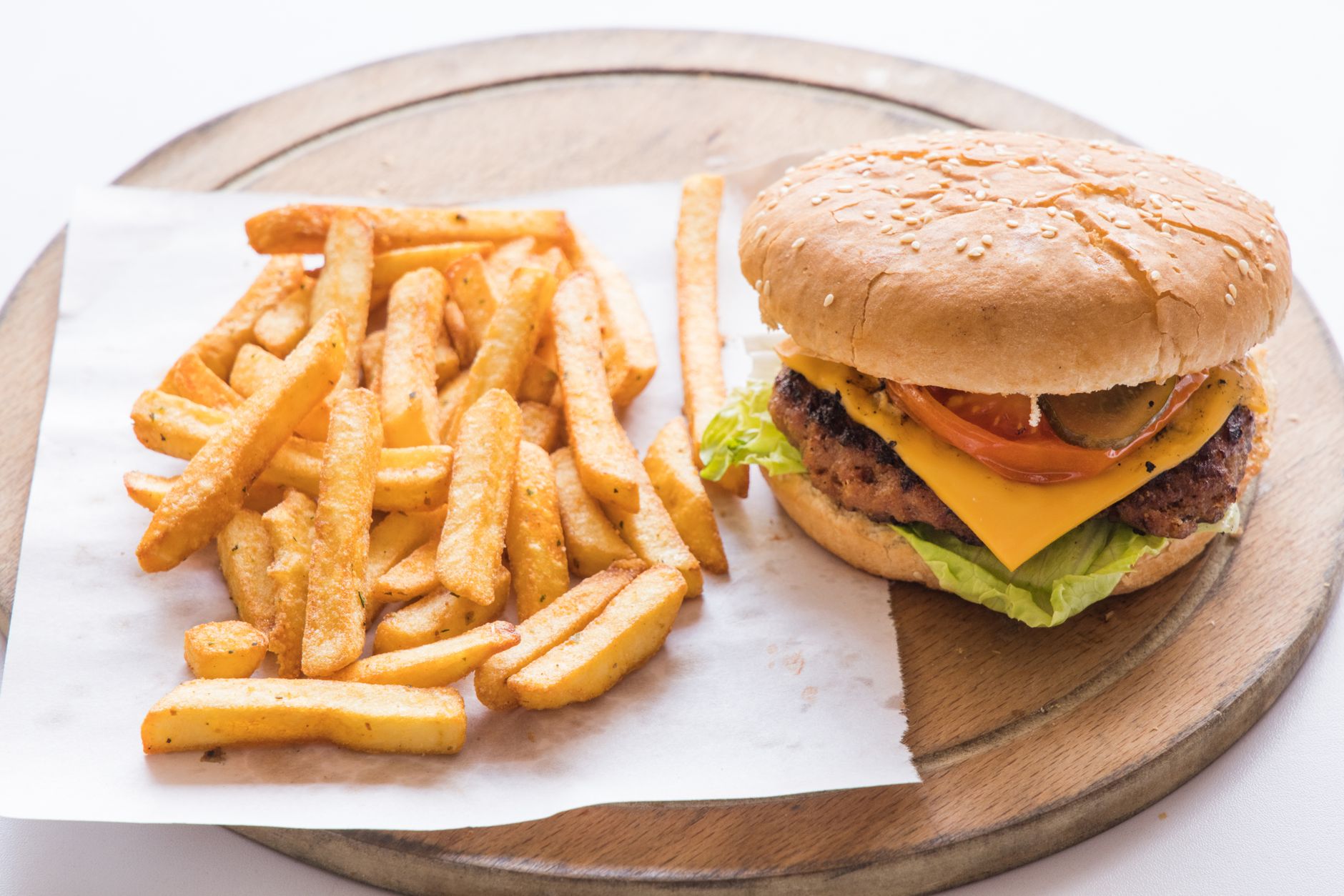
If youre wondering whether Burger King fries gluten-free status holds up for those with celiac disease or gluten sensitivity, youre not alone. Many fast food fans want to enjoy crispy fries without health risks. Understanding how Burger King prepares their fries, ingredient details, and cross-contamination risks can help you make safer dining choices.
Gluten-Free Basics
What Is Gluten?
Gluten is a protein found mainly in wheat, barley, and rye. For people with celiac disease or gluten intolerance, ingesting gluten can cause digestive distress, inflammation, or serious health issues. Avoiding gluten means steering clear of foods that naturally contain it or have been contaminated.
How Fries Can Be Gluten-Free
French fries by themselves are usually made from potatoes, which contain no gluten. However, fries can become unsafe if coated with wheat-based seasonings or cooked in oil shared with gluten-containing foods. Cross-contact during frying is a common concern in fast food kitchens.
Burger King Fries Ingredients
Whats in Burger King Fries?
Burger King fries are made primarily from potatoes, vegetable oils, dextrose (a sugar), and salt. According to Burger Kings official allergen information, they do not add wheat, barley, rye, or any gluten-containing ingredients to their fries. This ingredient profile suggests the fries themselves should be free of gluten.

Is Gluten Used Elsewhere in the Frying Process?
The big question is whether Burger King fries are cooked in oil thats exclusive to fries or shared with gluten-containing items. Burger King often fries items like chicken nuggets or fish sandwiches, which may have wheat coatings. Using shared fryers increases cross-contamination risk. BKs allergen guide indicates fryers are shared, which means gluten traces can be present.
Oil and Cross-Contamination
Burger King uses vegetable oil blends for frying that do not contain gluten ingredients. However, cross-contact happens when fryers hold multiple products. For strict gluten-free diets, this shared fryer environment is a significant risk factor, even if the fries themselves have no wheat.
Cross-Contact Risks at Burger King
What Is Cross-Contact?
Cross-contact happens when gluten from one food touches gluten-free food, making it unsafe for sensitive individuals. It is different from cross-contamination with bacteria because it involves allergen proteins.
Burger Kings Prevention Efforts
Burger King provides allergen information openly but does not have dedicated gluten-free fryers in most locations. This limitation is common across many fast food chains. BK recommends that customers with severe gluten allergies speak with staff or avoid fries if cross-contact is a concern.
Tips to Minimize Gluten Exposure
- Ask staff if fryers are shared before ordering.
- Opt for fresh, unopened packaging when available (e.g., snack packs in grocery stores).
- Consider alternatives like side salads or baked potatoes at BK.
- Bring safe gluten-free snacks when concerned about cross-contact risks.

Comparing Fast Food Fries
Fries at Other Chains
Some chains use dedicated fryers for their fries or certify their fries gluten-free. For example, Chick-fil-A fries are known to be cooked in a dedicated fryer and have a lower cross-contact risk, while McDonalds fries in the US contain wheat derivatives and are not gluten-free.
What Makes Fries Safe?
Besides ingredient purity, exclusive cooking equipment and allergen control policies make fries safer. Some places add wheat flour or seasoning that contains gluten, making fries unsafe. Others have a clean label approach with single-ingredient potato fries.
| Certification | Price Range | Common Formats | Shelf Life | Key Allergens |
|---|---|---|---|---|
| Burger King - No Formal Gluten Certification | $1.50 - $3.00 per serving | Fresh-cut fries, Frozen prepackaged | Cooked Fries - Immediate consumption Frozen - 6-12 months | Potential gluten from cross-contact (shared fryers) |
| Chick-fil-A - Gluten-Free Certified Fries | $2.00 - $3.50 per serving | Fresh-cut fries cooked in separate fryer | Immediate consumption | None (dedicated fryer ensures gluten-free) |
| Five Guys - Gluten-Free Option | $2.50 - $4.00 per serving | Fresh-cut fries Cooked in peanut oil | Immediate consumption | Peanuts (allergen), no gluten |
Side-by-Side: Burger King vs Competitors
Knowing how different chains handle their fries helps decide what fits your gluten-free lifestyle best. BK fries lack of gluten ingredients is a good start, but fryer sharing means risk remains. Checking allergen info before ordering can keep you safer.
Burger King Allergen Info
Finding Official Details
Access Burger Kings allergen charts on their official website or in-store brochures. They update ingredient lists regularly, reflecting formulation or supplier changes. JAKIM Halal certification is available for several BK products in Malaysia and some other markets, adding reassurance on ingredient sourcing for halal concerns.
What Allergen Labels Mean
Contains no gluten ingredients does not guarantee zero gluten presence. It simply means no gluten-containing substances were intentionally added. Cross-contact warnings caution people with severe allergies or celiac disease to be aware of risk despite ingredient purity.
Smart Ordering Tips
- Always double-check current ingredient and fryer practices at your location.
- Inform staff about your gluten sensitivity to ensure safer prep.
- Consider trying gluten-free sauces or toppings to complement your fries.
Internal Link
If you enjoy fast food but want to compare more sandwich options, check out our guide on Mcdouble vs daily double for a helpful comparison of two popular choices.
Best Practices When Eating BK Fries Gluten-Free
Most Overlooked Mistake
Assuming potato-only means safe. The frying method and oil use generally cause the most confusion among consumers. Never skip confirming fryer use and cross-contact potential.
Why Cheaper Fries May Disappoint
Some budget frozen fries contain wheat starch or flavoring that adds gluten. In-store, cheap fries may vary in cooking technique or handling, affecting gluten cross-contact risks.
Expert Tip
When in doubt, ask for packaging or ingredient lists, and consider bringing your own certified gluten-free snacks. This reduces accidental exposure and keeps meals enjoyable.
Internal Link
Concerned about food safety after eating out? Our Leftover pizza safety guide offers useful tips on food handling that apply to fast food leftovers too.
7 Gluten-FrEe Questions
Is Burger King fries gluten-free what should I check?
Check ingredients for wheat-derived items and confirm the cooking oil and fryer practices. Since BK uses shared fryers for gluten and non-gluten items, risk of cross-contact exists. Always ask or check allergen info online before ordering.
Can people with celiac eat Burger King fries safely?
It depends on individual sensitivity. While the fries have no gluten ingredients, shared fryers can cause cross-contact. Those with severe celiac should avoid or proceed with caution.
Are Burger King fries Halal certified?
In selected countries, Burger King outlets have Halal certification compliant with bodies like JAKIM or HMC. Confirm local certification status if Halal compliance is important to you.
Do Burger King fries contain allergens besides gluten?
Fries may contain or come into contact with other allergens such as soy or corn, depending on oil composition. Always check BKs detailed allergen chart for current info.
Are Burger King fries suitable for vegan diets?
Burger King fries typically do not contain animal products, making them vegan-friendly. However, some locations may season fries with animal-derived flavorings. Confirm local ingredient info to be sure.
Can gluten-free fries be reheated safely?
Yes, if stored properly in airtight containers and reheated until hot throughout, fries can be safely consumed within 3-4 days of original cooking.
What is the difference between gluten-free and gluten-safe fries?
Gluten-free means no gluten ingredients and minimal cross-contact risk; gluten-safe means precautions are in place but trace gluten might exist. BK fries are gluten-free in ingredients but not guaranteed gluten-safe due to fryer sharing.
Summary
Burger King fries gluten-free status is clear on ingredients but complicated by shared cooking oil and fryers. Without dedicated fryers, cross-contact risk exists for gluten-sensitive customers. Knowing the facts helps you enjoy BK fries with awareness and care. Next time you visit, check the latest allergen info or bring your own snacks to stay safe.
Have you tried BK fries with a gluten-free diet? Share your experience or questions below to help others in the community!
FAQs
Is Burger King fries gluten-free actually Halal — what should I check on the label?
Some Burger King locations in selected countries have Halal certification through bodies like JAKIM or HMC. To confirm if fries are Halal, check local store certifications and ingredient lists. Halal certification ensures compliance with dietary laws and ingredient sourcing, which can vary by region.
How long do Burger King fries stay safe to eat after opening?
Burger King fries are best consumed immediately after cooking for quality and safety. If stored properly in airtight containers and refrigerated, they can be safely eaten within 3-4 days when reheated thoroughly.
What makes Burger King fries different from other gluten-free fries?
Burger King fries contain no gluten ingredients but are cooked in shared fryers, increasing cross-contact risk. Other chains like Chick-fil-A use dedicated fryers, reducing gluten exposure, which makes those fries safer for strict gluten-free diets.
Can people with celiac disease eat Burger King fries safely every day?
People with celiac disease should be cautious as BK fries are cooked in shared fryers with gluten-containing items. Occasional consumption may be safe for some, but daily eating involves a higher risk of gluten cross-contact and is not recommended without confirmation.
Where can I buy Burger King fries that are gluten-free and safe?
Buy Burger King fries directly from BK restaurants but inquire about fryer practices before ordering. Alternatively, look for frozen or snack-pack versions labeled gluten-free in grocery stores to minimize cross-contact risks.