If youve ever enjoyed a crab salad or a California roll, you might have tasted imitation crab meat. But what exactly is imitation crab meat, and how can you use it in your cooking? This affordable, accessible seafood alternative is made from finely processed white fish and shaped to look and taste like crab. It offers a quick, versatile option for many recipes without the cost of real crab. In this article, youll learn everything about imitation crab meatfrom its origin and nutritional profile to how to spot Halal-certified versions and delicious ways to cook it.
What Is Imitation Crab Meat?
The Basics Understanding Imitation Crab
Imitation crab meat, widely known as surimi, is a processed seafood product created from white fish, usually Alaska pollock. The fish is mashed into a paste, flavored, colored, and shaped to mimic the texture, flavor, and appearance of real crab meat. Unlike fresh crab, imitation crab is both cheaper and widely available, often found in grocery stores, sushi bars, and ready-made salads.
According to the USDA FoodData Central, imitation crab contains less protein than natural crab but delivers a similar mild seafood flavor thanks to added seasonings. Its essential to recognize that imitation crab is not a direct substitute for real crab in texture, but it provides a consistent taste that many enjoy.
How Is Imitation Crab Made?
The manufacturing process begins by cleaning white fish fillets and grinding them into a fine paste, called surimi. Seasonings, starches, egg whites, salt, and sugars are then added to improve texture and flavor. Next, the surimi is shaped into sticks or chunks and colored with natural or artificial dyes to resemble cooked crab meats pinkish-red hue.
High-quality producers follow strict food safety regulations and maintain quality control to deliver a safe, flavorful product. The standards can vary depending on the brand or region, especially regarding ingredients and colorants.
Why Do People Use Imitation Crab Meat?
Advantages of Imitation Crab
- Cost-Effective: Real crab can be expensive and seasonal, but imitation crab offers an affordable alternative accessible year-round.
- Long Shelf Life: Packaged imitation crab typically lasts 57 days in the refrigerator after opening and is often sold frozen for longer storage.
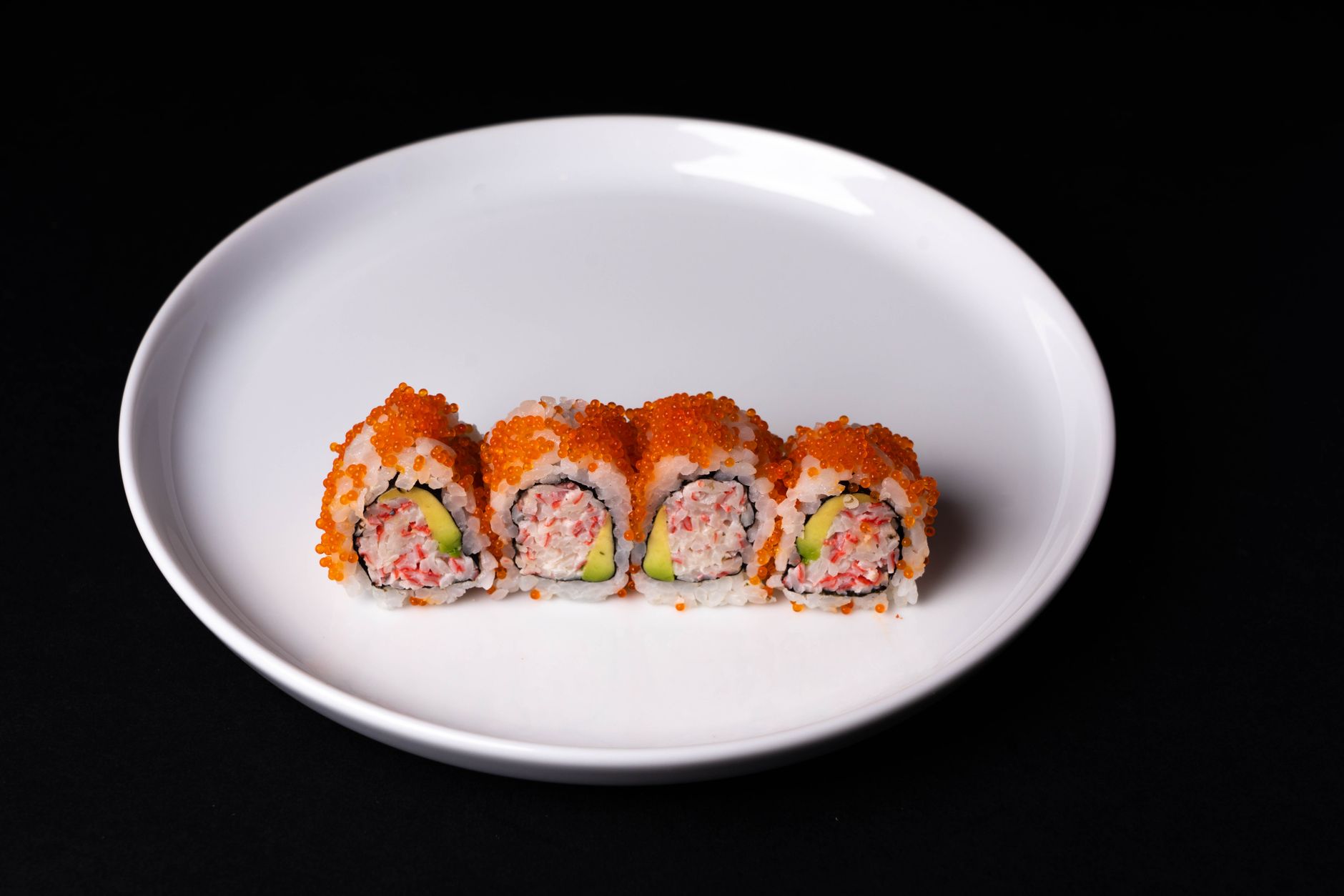
- Versatility: Its mild flavor works well in sushi rolls, seafood salads, casseroles, and stir-fries.
- Environmentally Friendly: Using sustainably harvested fish like Alaska pollock reduces pressure on crab fisheries.
Potential Drawbacks and Considerations
While imitation crab is convenient, its not a perfect substitute for real crab. It contains less protein and fewer vitamins such as B12 and zinc. Additives like starch, sugar, and sodium are common, and some products include allergens such as gluten or egg whites.
Those with shellfish allergies may tolerate imitation crab since its made from fish, not crustaceansthough some cross-contamination can occur. Reading labels carefully is a must to avoid gluten or MSG if sensitive.
How Do You Cook With Imitation Crab Meat?
Cooking Tips and Techniques
One great thing about imitation crab is that its pre-cooked, so no long cooking times are needed. It can be eaten straight from the package or gently warmed. To avoid drying out, reheat on low heat for about 3 minutes or pan-sear briefly with light seasoning.
Imitation crab blends well into recipes that call for mild seafood flavor but dont require intense texture. Try tossing it cold into salads, folding it into pasta with creamy sauces, or using it as a filling for sushi rolls.
Easy Imitation Crab Recipes to Try
Here are some simple ideas to get you started:
- Seafood Salad: Mix shredded imitation crab with mayonnaise, diced celery, lemon juice, and fresh dill. Chill for 30 minutes before serving on greens or bread.
- Imitation Crab Cakes: Combine chopped crab, breadcrumbs, egg, and seasoning. Shape into patties and pan-fry on medium heat for 4 minutes per side.
- Crab Pasta: Toss warm cooked pasta with butter, garlic, imitation crab chunks, and parsley. Heat for 5 minutes and serve topped with Parmesan cheese.
| Prep time | Cook time | Total time | Servings | Calories | Diet tags |
|---|---|---|---|---|---|
| 10 min | 10 min | 20 min | 4 | 220 kcal | Halal, Low-fat |

How to Identify Imitation Crab Meat When Eating Out or Shopping
When shopping, labels usually mention imitation crab, surimi, or crab-flavored seafood. The ingredient list should prioritize fish like Alaska pollock first. Be mindful of added starch, sugar, and additives.
Look for Halal certification logos from trusted bodies such as JAKIM, HMC, or IFANCA if Halal status is important. Packaging with these logos ensures the product is halal-compliant and traceable.
At restaurants, if youre unsure whether crab is real or imitation, simply ask. Some places specialize in authentic seafood, while others use imitation to reduce costs. Visual cues include uniform shape and color of crab sticks and a less fibrous texture.
Imitation Crab Meat vs. Crab Meat Substitutes
Comparing Common Crab Substitutes
| Substitute | Taste & Texture | Price | Nutritional Value | Common Uses |
|---|---|---|---|---|
| Real Crab Meat | Sweet, flaky, firm | High | High protein, vitamins | Gourmet dishes, sushi, salads |
| Imitation Crab Meat | Mild, soft, uniform | Low | Moderate protein, some additives | Sushi, salads, casseroles |
| Canned Crab | Strong flavor, flaky | Medium | High protein | Crab cakes, dips, soups |
| Plant-Based Crab | Varies, often chewy | Medium to high | Variable, often protein-fortified | Vegan dishes, sushi, salads |
When to Choose Imitation Crab vs. Other Options
If budget or availability is a concern, imitation crab is a safe, tasty alternative. For recipes demanding authentic crab flavors or a flaky texture, real crab or canned crab meat is preferred. Plant-based crab substitutes suit vegan or vegetarian diets but vary in taste and texture.
Chefs often appreciate imitation crab for its reliable texture and ease of use, especially in mass-prepared meals or casual dining.
For those interested in diverse cooking styles, check out the Julia child british meal and Make ahead breakfast sandwiches for inspiration on including seafood alternatives in balanced meals.

Is imitation crab meat actually Halal what should I check?
Not all imitation crab meat is halal by default. Since it is made from fish, it usually aligns with halal dietary guidelines, but additives, processing, or cross-contamination can affect compliance. Always look for certification logos from reliable organizations such as JAKIM, HMC, or IFANCA indicated on the packaging. This ensures the product meets strict halal standards.
What ingredients should I avoid in imitation crab if I have allergies?
Check the label for possible allergens like gluten, soy, egg whites, and MSG. Some brands use wheat starch as a binder, which contains gluten. If you have sensitivities, select products labeled gluten-free or free from artificial additives.
How long can I keep imitation crab meat in the fridge?
Once opened, imitation crab meat keeps fresh for 57 days when stored in a sealed, airtight container and refrigerated at or below 4C (39F). If unopened and frozen, it can last up to 6 months. Always check for off smells or texture changes before use.
Can I use imitation crab meat in hot dishes?
Yes. Since imitation crab is pre-cooked, it requires only gentle warming. Overcooking can make it dry and rubbery. For pan-frying, use medium heat and cook for 35 minutes. Its perfect in soups, casseroles, and pasta dishes.
Does imitation crab meat contain real crab flavor?
Imitation crab meats flavor comes from seasonings and flavor enhancers added during production. It has a mild seafood taste but lacks the depth and sweetness of real crab meat. The reddish coloring and texture are designed to visually mimic crab but wont fully replicate its rich profile.
Is imitation crab meat suitable for children?
Yes, imitation crab meat is safe for children if they are not allergic to fish or other ingredients in the product. It is low in mercury and has a soft texture, making it easier to chew than many other seafood options.
What does surimi mean on the label?
Surimi is the base fish paste used to make imitation crab meat and other seafood products. Seeing surimi on the label indicates the product is derived from ground white fish, usually Alaska pollock, processed to create a crab-like texture.
Pro Tips and Buying Tips
The most overlooked buying mistake is choosing imitation crab solely based on price. Extremely cheap brands might use fillers with little real fish, resulting in bland flavor and poor texture. Investing in trusted brands with clear labels and halal certification logos ensures better taste and safety.
An expert tip: When cooking, add a pinch of Old Bay seasoning or a squeeze of lemon juice to enhance imitation crab‘s natural flavor. Avoid overcooking to maintain tenderness. For homemade crab cakes, mix in finely chopped fresh herbs and a small amount of mayonnaise for moisture.
What to Look For On Labels
Start by verifying the fish sourcepreferably Alaska pollockas main ingredient. Check for allergen warnings such as gluten or egg. Sodium levels can vary but typically range around 420mg per 100g; choose lower sodium if possible.
Look for halal certification symbols from trusted bodies: JAKIM, HMC, or IFANCA. Also, avoid products with vague seafood extract or natural flavors that may hide undisclosed additives. Prefer clean-label products with minimal preservatives and natural coloring.
| Certification | Price Range | Common Formats | Shelf Life | Key Allergens |
|---|---|---|---|---|
| JAKIM, HMC, IFANCA | $3$10 per pack (200-500g) | Sticks, chunks, flakes | 57 days refrigeration; 6 months frozen | Fish, gluten, egg whites (varies) |
Being informed helps you choose imitation crab meat that fits your health goals, budget, and halal requirements.
More You Might Like
If you enjoy cooking with seafood alternatives, explore creative twists on classic meals like the Julia child british meal to add international flair. Or save time with convenient ideas such as Make ahead breakfast sandwiches that can include seafood fillings for a nutritious start.
Conclusion
Imitation crab meat offers an affordable, flavorful way to enjoy seafood dishes without the high cost of real crab. Its mild taste and versatility make it popular in many kitchens, especially when Halal certification and health-conscious choices matter. Next time you shop, check the label carefully and consider trying one of the easy recipes mentioned here. Feel free to share your own experiences or ask questions below!
FAQs
Is imitation crab meat actually Halal — what should I check on the label?
Not all imitation crab meat is halal by default. Check for halal certification logos from trusted bodies like JAKIM, HMC, or IFANCA on the packaging. These certifications ensure the product complies with halal dietary laws and avoids non-permissible ingredients or cross-contamination.
How long does imitation crab meat last after opening?
Once opened, imitation crab meat should be stored in a sealed container in the refrigerator and typically stays fresh for 5 to 7 days. Always check for any off smells or texture changes before use to ensure safety.
What is the main difference between imitation crab meat and real crab meat?
Imitation crab meat is made from processed white fish paste called surimi, flavored and colored to resemble crab, with a milder taste and softer texture. Real crab meat is sweeter, flaky, higher in protein, and more expensive.
Is imitation crab meat safe to eat daily?
Yes, imitation crab meat is generally safe for daily consumption if you are not allergic to fish or other ingredients. However, it contains additives and less protein than real crab, so balanced intake with other nutrients is advised.
Where can I buy high-quality imitation crab meat?
High-quality imitation crab meat is widely available at supermarkets, seafood markets, and Asian grocery stores. Look for trusted brands with clear ingredient lists and halal certification if needed, both in-store and online.