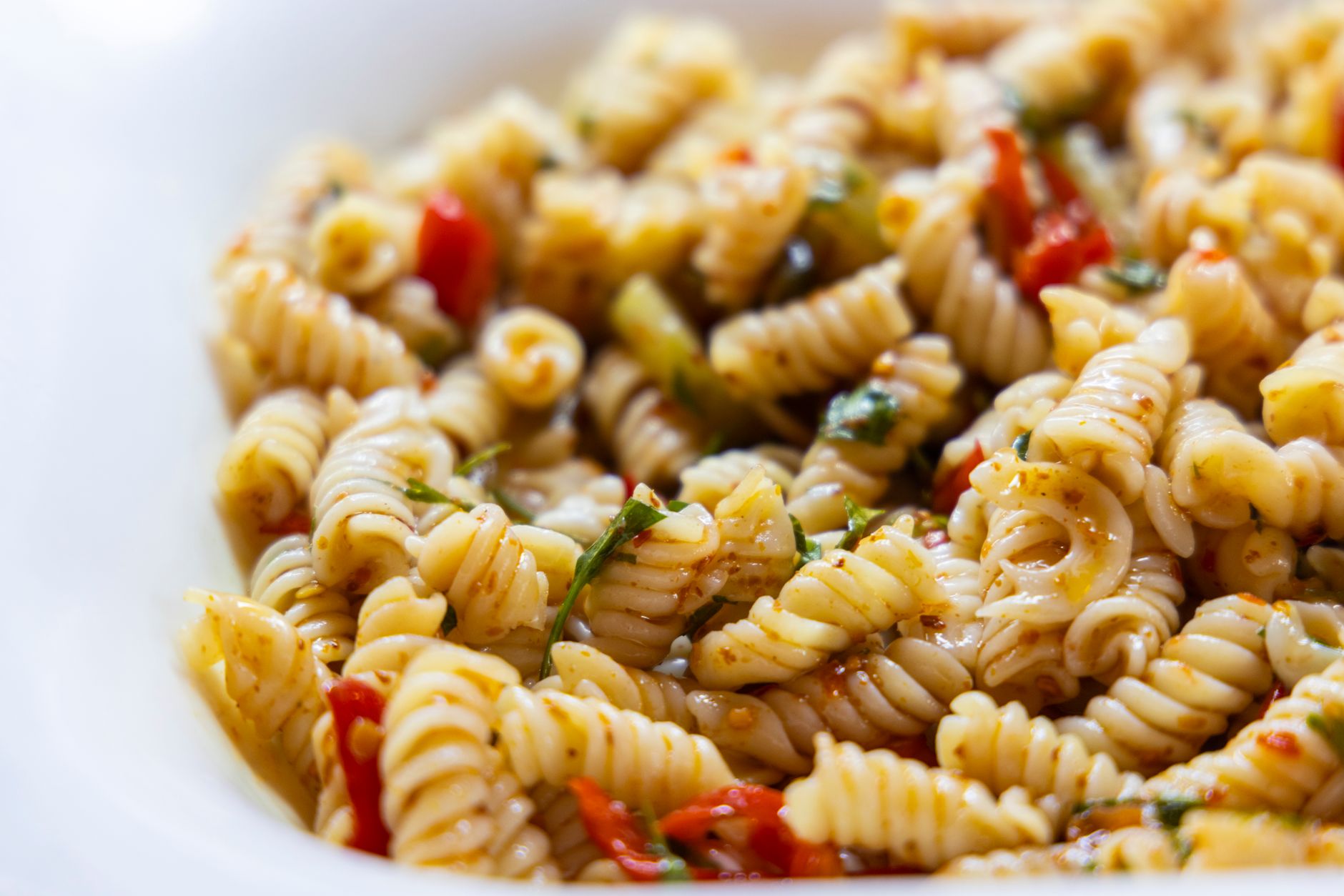
Wondering how long cooked pasta fridge storage keeps your leftovers fresh and safe? Generally, cooked pasta stays good in the fridge for about 3 to 5 days, but several factors can influence this timeframe. Knowing these details can save you from unpleasant surprises and foodborne illnesses. Lets unpack what affects pasta freshness, from pasta type to storage methods, so you can enjoy every bite worry-free.
Shelf Life Basics
How Long Does Cooked Pasta Last in the Fridge?
Cooked pasta stored properly in the fridge typically remains safe and tasty for 3 to 5 days, according to USDA food safety guidelines. This range assumes you refrigerate the pasta promptly, within two hours of cooking, and keep it in an airtight container at a consistent temperature below 4C (40F).
Several elements affect exactly how long cooked pasta lasts: the kind of pasta, whether it has sauce or not, and how well you store it. For example, plain cooked pasta without sauce can last slightly longer than pasta mixed with cream or tomato sauces, which may spoil faster due to dairy or acidic ingredients.
Does Pasta Type Affect Storage Time?
The type of pasta you store plays a role in fridge shelf life. Plain dried pasta thats been cooked usually holds up for 3 to 5 days safely. Fresh pasta, which contains more moisture, is more perishable and is best eaten within 1 to 2 days after cooking.
Sauces matter too. Tomato-based or cream sauces create different environments that impact how long the dish lasts. Cream sauces spoil more quickly because of dairy content, while oil-based or simple olive oil dressings may help preserve the noodles slightly better.
| Pasta Type | Sauce Type | Fridge Shelf Life | Notes |
|---|---|---|---|
| Plain cooked | No sauce | 3-5 days | Store airtight to prevent drying out |
| Sauced | Tomato or cream based | 3-4 days | Cream sauces spoil faster |
| Fresh pasta | Any | 1-2 days | More perishable, consume promptly |
Storage Best Practices
How to Store Cooked Pasta Properly
Proper storage helps prolong the life of your cold pasta. Cool the pasta quickly after cooking by spreading it out on a baking sheet or shallow pan at room temperature for no longer than 1 hour. Then, transfer it to a clean, airtight container or sealable plastic bag. Avoid using flimsy plastic wrap alone, as it may not seal tightly enough.
Keep the container in the coldest part of your fridge, typically near the back or bottom shelf, where temperature fluctuations are minimal. Be sure your fridge is set at or below 4C (40F).
Does Adding Oil or Sauce Help Pasta Last Longer?
Many believe that coating pasta with olive oil helps it stay fresh longer. While oil can prevent noodles from sticking together, it doesnt significantly extend shelf life. Sauces, on the other hand, influence freshness differently. Cream sauces, dairy-based sauces, or meat additions speed up spoilage, while lighter tomato or oil-based sauces may allow slightly longer refrigeration.
Step-by-Step Guide: Storing Leftover Pasta Safely
- 1. Cool pasta quickly within 1 hour of cooking.
- 2. Place pasta in clean, airtight containers or resealable bags.
- 3. Label containers with the storage date for tracking.
- 4. Store in the coldest part of your fridge (below 4C/40F).
- 5. Consume within 35 days (or 12 days for fresh pasta).

Recognizing Spoiled Pasta
Visual and Sensory Cues to Look For
How can you tell if cooked pasta has gone bad? Watch for:
- Mold or discoloration: Any fuzzy spots or odd coloring are clear signs of spoilage.
- Off smell: If the pasta smells sour, rancid, or unusual, its best to toss it.
- Texture changes: Sliminess or excessive stickiness indicates bacterial growth.
When in doubt, dont taste. Spoiled pasta can cause unpleasant digestive issues.
Is It Safe to Eat Pasta Left Out Overnight?
Leaving cooked pasta at room temperature overnight is risky. Bacteria such as Bacillus cereus can grow rapidly on starchy foods like pasta and produce toxins that dont disappear even after reheating. Its safest to refrigerate pasta within 2 hours of cooking to prevent food poisoning.
Freezing Cooked Pasta
How Freezing Changes Pasta Texture and Shelf Life
If you want to keep cooked pasta longer than a week, freezing is your friend. Freezing can extend pasta shelf life up to 12 months. However, freezing changes noodle textureoften making pasta softer or mushier once thawed, especially if overcooked initially.
To freeze, toss pasta with a small amount of oil or sauce to prevent clumping. Then place it in airtight, freezer-safe containers or heavy-duty bags. Label with date and freeze promptly after cooling.
How to Reheat Frozen Cooked Pasta Properly
Thaw frozen pasta in the refrigerator overnight or reheat directly by dipping briefly in boiling water or microwaving with moist cover. Avoid prolonged heating to prevent drying out. Add a splash of sauce or water when reheating to help restore texture and moisture.

Gelson‘s prepared foods menu
If you want convenient, Halal-certified chilled meals that retain freshness, explore options like Gelsons prepared foods menu. These feature strict storage and safety standards, ideal for quick, fresh meals including pasta dishes made with clean, trusted ingredients.
Corner bakery coupons
Looking for quality bakery items to complement your pasta meals? Try Corner bakery coupons for savings on fresh breads and snacks certified Halal and made with health-conscious recipes.
Is Cooked Pasta Halal?
Is cooked pasta fridge storage safe for Halal diets?
Cooked pasta can be fully Halal as long as the ingredients comply with Islamic dietary laws. Check packaging or recipes for Halal certification logos such as JAKIM or IFANCA. Sauces should not contain non-Halal meat, alcohol, or forbidden additives. Proper storage in the fridge prevents microbial growth, ensuring your meal remains wholesome and safe for Halal consumption.
When is the best time to eat cooked pasta leftovers?
Enjoy your cooked pasta leftovers within 3 to 5 days when stored properly in the fridge. Eating sooner ensures best flavor and texture. Fresh pasta leftovers should be consumed even sooner, ideally within 1 to 2 days for safety and quality.
Can you store cooked gluten-free pasta the same way?
Yes, gluten-free cooked pasta should be stored in airtight containers and refrigerated promptly. It generally lasts about the same time (35 days), but always check for texture changes as some gluten-free noodles are more delicate.
Does reheating pasta multiple times pose risks?
Repeatedly reheating pasta increases the risk of bacterial growth. Only reheat the portion you plan to eat immediately and discard any leftovers to stay safe.
What temperature should my fridge be for pasta storage?
Your refrigerator should be at or below 4C (40F). This temperature slows bacteria growth and keeps cooked pasta fresh longer.
Can you freeze pasta with sauce safely?
Yes, freezing pasta with sauces like tomato-based or pesto works well. Avoid freezing cream or dairy-based sauces as they can separate and affect texture upon reheating.
Is oil-based dressing Halal-friendly for pasta storage?
Oil-based dressings made from vegetable or olive oil are Halal-friendly and can help keep pasta from sticking. Always verify products for Halal certification to be sure.
Pro Tips for Pasta Storage
- Overlooked mistake: Storing pasta while still hot traps condensation and speeds spoilage.
- Cheap versions: Low-quality storage containers might leak or fail to seal airtight, risking faster spoilage.
- Expert tip: Label your pasta containers with the exact date and type to avoid accidental food waste and confusion.
More You Might Like
Discover how to enjoy creamy pasta sauces that maintain their flavor and freshness at home. Check out our guide on making velvety, rich Alfredo with Halal-certified ingredients for a easy, tasty upgrade.
Explore the best Halal snack options to pair with your pasta meals for balanced eating. Our roundup of health-conscious snacks gives you wholesome treats you can trust.
Learn trick for making fresh pasta from scratch with clean label flours and Halal-certified eggs, perfect for special occasions or weekly treats.
Conclusion
Cooked pasta fridge storage generally keeps your leftovers fresh and safe for 3 to 5 days, depending on pasta and sauce types as well as storage methods. Always refrigerate quickly in airtight containers and trust your senses to spot spoilage. Next time you enjoy a big batch of pasta, consider freezing extras for longer life or repurposing them soon to avoid waste. For Halal and health-conscious food tips, check the label carefully and try new recipes that match your lifestyle.
FAQs
Is Cooked pasta fridge actually Halal — what should I check on the label?
Cooked pasta is Halal if all ingredients comply with Islamic dietary laws. Check for Halal certification logos like JAKIM or IFANCA on packaging. Also ensure sauces and additives do not contain non-Halal meat, alcohol, or forbidden substances. Proper fridge storage helps maintain safety and freshness.
How long does cooked pasta last in the fridge after cooking?
Cooked pasta typically lasts 3 to 5 days in the fridge when stored in airtight containers at or below 4°C (40°F). Fresh pasta is more perishable and should be eaten within 1 to 2 days for best quality and safety.
What is the difference in fridge storage time between fresh and dried cooked pasta?
Dried cooked pasta lasts longer, about 3 to 5 days, due to lower moisture content. Fresh pasta contains more moisture and spoils faster, so it should be consumed within 1 to 2 days after cooking.
Is it safe to leave cooked pasta out overnight before refrigerating?
No, leaving cooked pasta out overnight is unsafe. Bacteria like Bacillus cereus can grow rapidly and produce toxins that remain harmful even after reheating. Always refrigerate pasta within 2 hours of cooking to prevent foodborne illness.
Where can I find Halal-certified cooked pasta or ready meals?
Look for Halal-certified products from trusted brands and retailers, such as Gelson’s prepared foods menu, which ensures strict safety and Halal compliance. You can also check Halal sections in grocery stores or specialty halal markets.