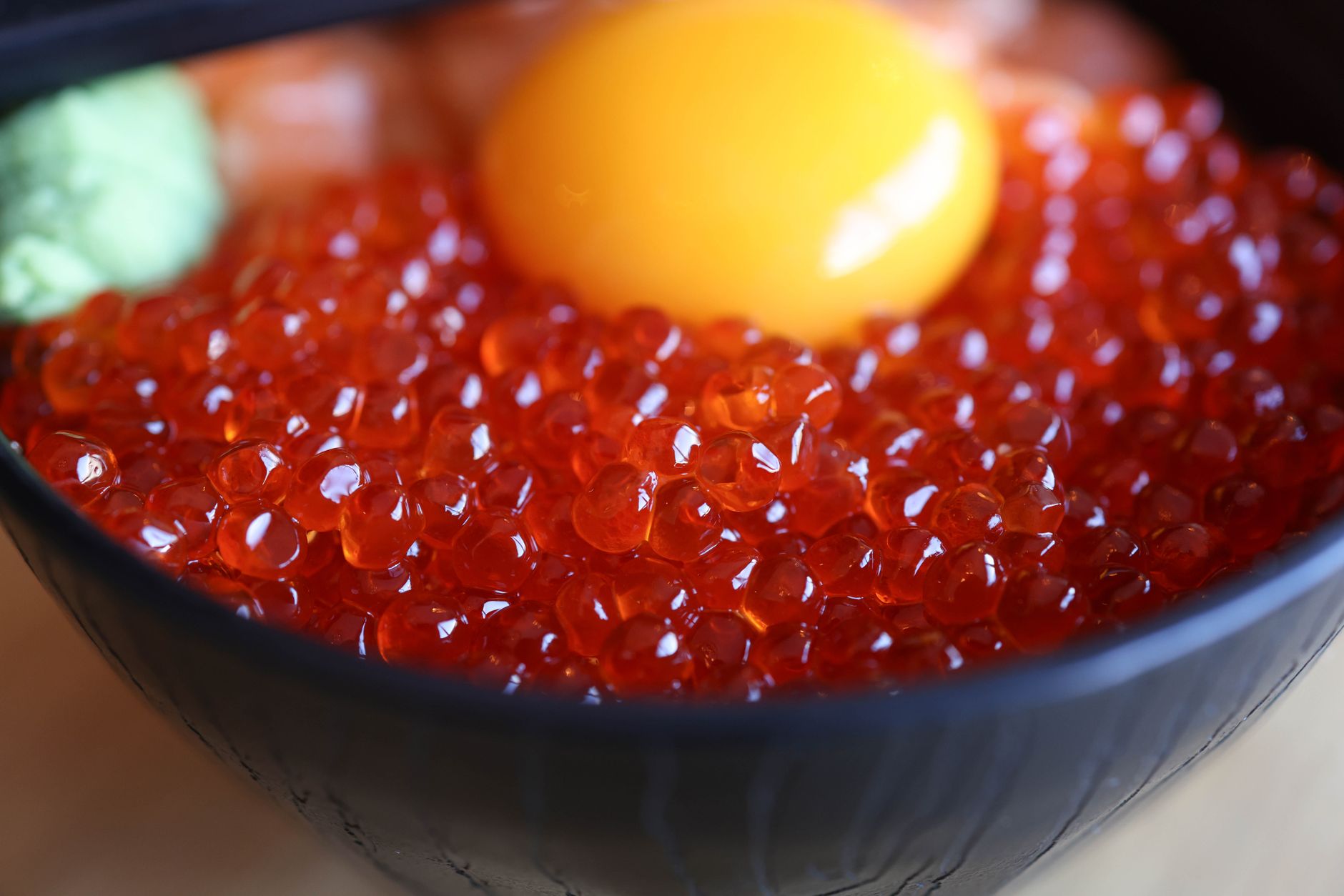
Tobiko flavor profile offers sushi lovers an exciting blend of smoky, salty, and subtly sweet notes combined with a distinctive crunch. These tiny flying fish eggs are not just a garnishthey bring a dynamic burst of texture and flavor that enhances many dishes. Whether you enjoy tobiko on sushi rolls or explore it in fusion cuisine, understanding its flavor profile helps you appreciate its role in the culinary world and make mindful choices when including it in your halal and health-conscious diet.
Defining Tobiko Taste
Tobiko stands out because of its delicate but vibrant flavor and crunchy texture. Typically, it carries a light briny saltiness, reminiscent of the sea, mingled with a smoky undertone. This smokiness comes from natural curing methods and sometimes slight smoking to enhance the flavor. The sweetness is subtle and does not overpower but balances the saltiness beautifully.
Texture is keyeach tiny egg bursts gently between your teeth, offering a satisfying pop and crunch. This combination of taste and mouthfeel is why tobiko is a favored ingredient beyond just sushi.
What Makes Tobiko Different from Other Fish Roe?
When discussing the tobiko flavor profile, its essential to understand how it differs from other fish roe like ikura (salmon roe) or masago (capelin roe). Tobiko eggs are smaller than ikura and have a firmer texture than masago. Their sizewhich averages around 0.5 to 0.8 millimetersis larger than masagos but smaller than ikuras, striking a perfect balance between noticeable crunch and delicacy.
The fresh or well-preserved state of tobiko also directly impacts its flavor. Fresh tobiko is clean and bright in taste without off-putting fishiness, while older or lower-quality tobiko may taste overly fishy or muddy. The natural orange color of tobiko is a good sign, while discolored eggs often signal degradation.
Flavor Variations
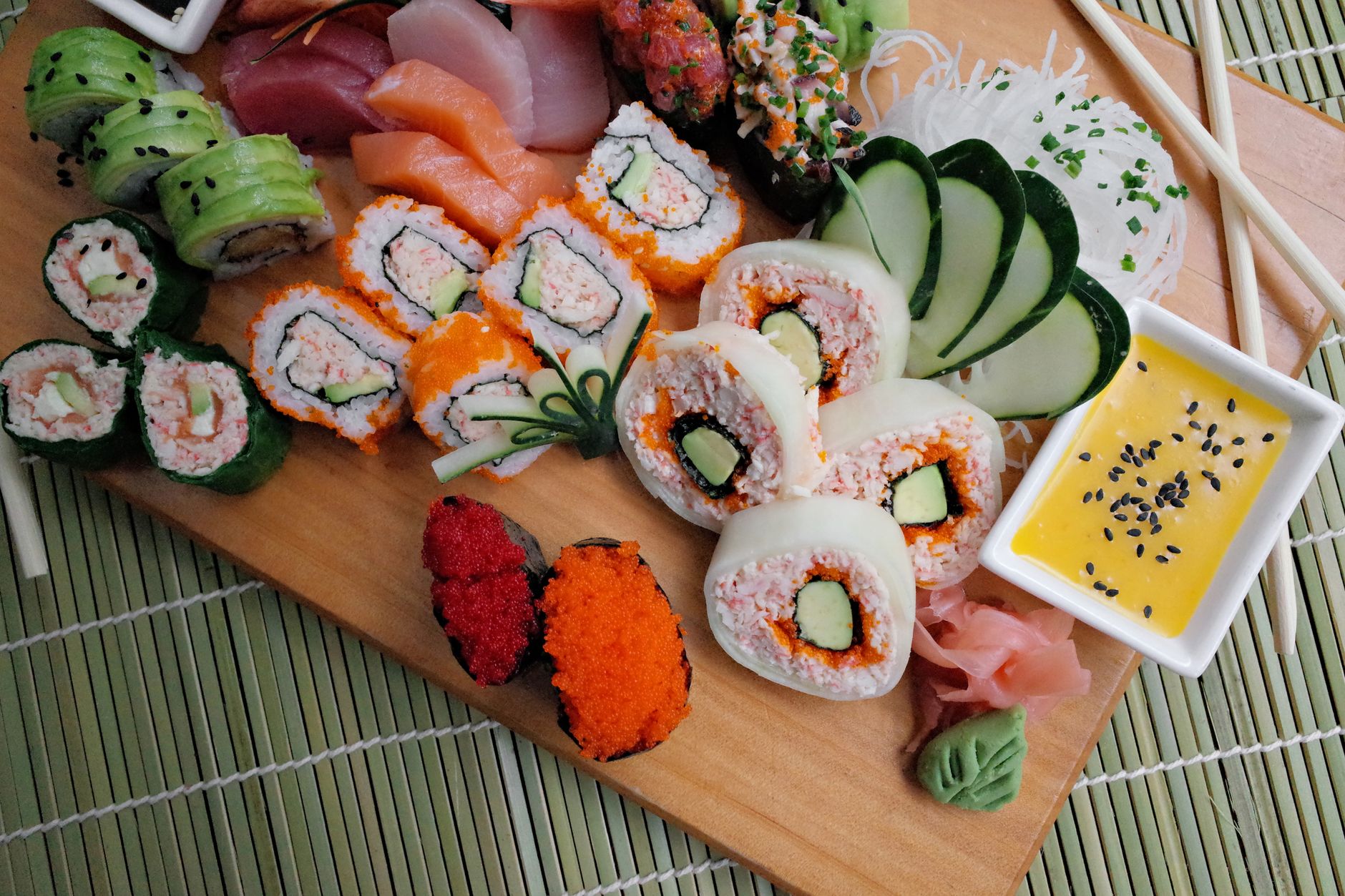
Tobiko isnt always just orange. Its different colors come from seasoning or natural additives that subtly shift the flavor profile:
- Natural Orange Tobiko: The classic, slightly smoky, salty, and subtly sweet with natural oceanic brininess.
- Green Wasabi Tobiko: Infused with wasabi for a mild heat and peppery sharpness that complements the crunch.
- Yellow Yuzu Tobiko: Flavored with yuzu citrus, adding a tangy, bright, and fragrant twist with a hint of sweetness.
- Black Squid Ink Tobiko: Richer and deeper in flavor with a slightly savory but less sweet profile.
These variations are popular in modern sushi bars as they introduce new flavor dimensions while keeping tobikos delicate texture intact. They allow chefs to layer flavors without overpowering the dish.
Culinary Uses
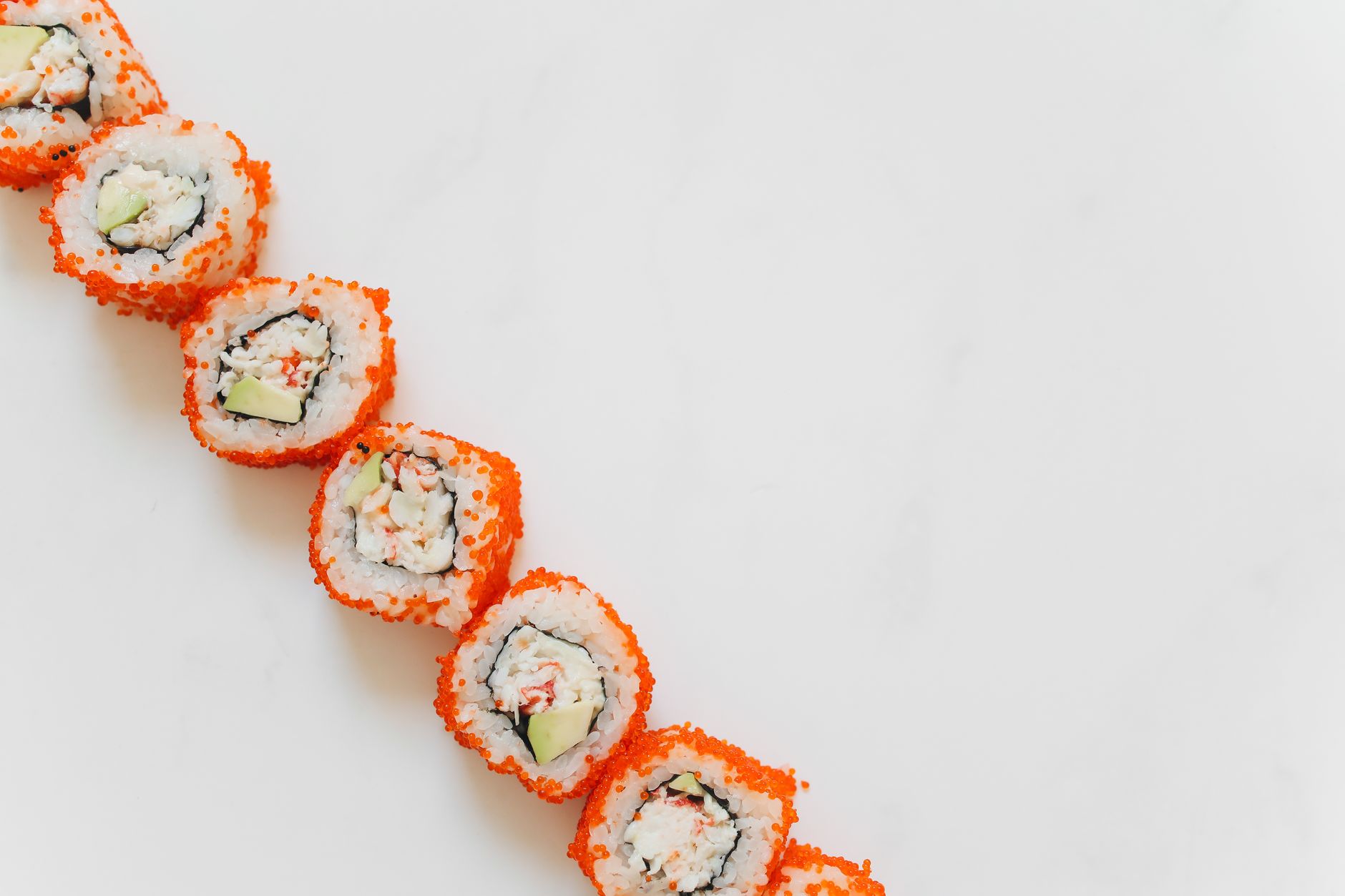
Most often, tobiko is known as a sushi topping. It adds a vivid pop of color and an interesting contrast to soft rice and fish. But tobikos culinary uses extend far beyond sushi. It appears in rice bowls, salads, canaps, and even tempura dishes, introducing texture and richness.
How Does Tobiko Enhance Taste and Texture?
Tobikos crunch and brininess act like flavor seasoning and texture contrast in dishes. For example, when combined with creamy avocado or tender sashimi, tobiko adds a clean burst of saltiness and a textural pop. The mild sweetness and smoky undertones also create a layering effect, making every bite more complex and enjoyable.
Its slight saltiness can even reduce the need for added soy sauce or other salty condiments, making it a flavorful but balanced choice.
Halal-conscious diners should ensure tobiko is sourced and certified carefully, especially when paired with other ingredients. Check for Halal certification logos such as JAKIM, HMC, or IFANCA when buying prepared dishes to stay safe.
Giant eagle prepared foods sometimes feature tobiko in their sushi selections, so be sure to read labels carefully when considering convenience options.
Simple Recipes with Tobiko
Try these quick ideas for enjoying tobiko in your kitchen:
- Tobiko Sushi Rolls: Layer tobiko on California rolls or spicy tuna rolls for texture.
- Rice Bowls: Sprinkle tobiko on warm rice with avocado, cucumber, and a drizzle of sesame oil.
- Salads: Add tobiko to seaweed or cucumber salads for a crunchy, salty enhancement.
- Canaps: Spread cream cheese on crackers, top with smoked salmon and tobiko for elegant appetizers.
Nutrition Benefits
Tobiko is rich in protein, omega-3 fatty acids, and essential vitamins like B12 and D. According to the USDA FoodData Central, tobiko contains about 270 calories per 100 grams, with a high concentration of healthy fats important for heart health.
Health Benefits
Omega-3 fatty acids in tobiko support cardiovascular health by lowering blood pressure and reducing inflammation. The high-quality protein helps muscle repair and supports overall body function. Vitamins B12 and D contribute to neurological health and bone strength, making tobiko a nutrient-dense choice.
Considerations and Risks
While tobiko offers health benefits, it also contains notable sodiumtypically around 420 mg of sodium per 50-gram servingso moderation matters, especially for those monitoring salt intake.
Fish roe can trigger allergies in sensitive individuals, particularly those allergic to seafood. When buying, check labels for any allergen warnings or cross-contamination notices. Also, sourcing tobiko from reputable suppliers is essential to avoid contamination with heavy metals or toxins.
Expert Insights
Culinary expert Chef Kenji Yamamoto explains that tobikos appeal lies in its textural play and subtle smoky notes that complement delicate fish. According to marine biologist Dr. Sarah Li, the flavor compounds responsible for tobikos distinctive taste include trimethylamine for saltiness and phenolic compounds contributing to smokiness.
In halal food production, certified suppliers ensure the roe is harvested using methods that comply with Islamic dietary laws, further reassuring consumers about quality and safety.
For more ideas on high-quality ready-made foods that might include ingredients like tobiko or similar fish roe, explore Costco prepared foods for party.

Is tobiko actually Halal what should I check?
Tobiko can be halal if sourced and processed according to Islamic dietary guidelines. Look for logos and certifications from trusted bodies like JAKIM (Malaysia), HMC (UK), or IFANCA (North America). The harvesting method must ensure no contamination with non-halal substances. When buying packaged tobiko, verify the certification on the label and inquire about the production process if possible.
When is the best time to eat tobiko?
The best time to enjoy tobiko is fresh, ideally within 12 days of purchase when refrigerated at 24C (3539F). Fresh tobiko offers the cleanest, most vibrant flavor profile and crunch. Eating tobiko as part of meals like lunch or dinner highlights its taste, but it can also be a delightful appetizer or snack.
How should I store tobiko at home?
Store unopened tobiko in the refrigerator at 24C. Once opened, keep it in an airtight container and consume within 35 days for optimal freshness. Avoid freezing tobiko, as ice crystals damage the texture and flavor.
What are common pairings to enhance tobiko‘s flavor?
Tobiko pairs well with avocado, cucumber, nori, and delicate seafood like raw fish or crab. Light soy sauce or ponzu complements its brininess. You can also enhance tobiko with a squeeze of yuzu or a dab of wasabi.
Can tobiko be included in halal diets?
Yes, provided it holds proper halal certification and is sourced from compliant suppliers. Tobiko itself is fish roe, which is generally considered halal, but cross-contamination or processing methods must meet Halal standards.
Why does tobiko have different colors?
The different hues come mostly from natural additives or flavor infusions. For example, green tobiko often has wasabi, yellow has citrus like yuzu, and black is infused with squid ink. These variations modify flavor slightly while maintaining the signature crunch.
Does tobiko contain high sodium?
Yes, tobiko typically contains moderate to high sodium levels, averaging around 420 mg sodium per 50 grams. People on low-sodium diets should consume it sparingly or balance it with low-sodium foods.
Whats the difference between tobiko and masago in flavor?
Mildly sharper and crunchier than masago, tobiko offers a smokier, fuller taste. Masago is smaller, softer, and less intense, with a cleaner sea flavor but less texture contrast.
Pro Tips for Buying Tobiko
- Check Certification: Always look for trusted halal certification logos like JAKIM or HMC to ensure the tobiko is halal.
- Freshness Matters: Avoid dull or discolored eggs; vibrant orange or bright-colored eggs indicate quality.
- Watch Sodium Levels: If you monitor salt intake, review nutritional labels and choose brands with lower sodium.
- Source Transparency: Opt for suppliers who disclose catch location and processing methods to avoid contamination worries.
- Avoid Cheap Versions: Very inexpensive tobiko may be old, heavily processed, or mixed with fillers, compromising texture and taste.
More You Might Like
Looking for trustworthy, ready-made meal options that include halal-certified ingredients? Check out our article on Giant eagle prepared foods for a great selection.
If youre planning a gathering, explore our detailed guide on Costco prepared foods for party to find halal-friendly options that impress guests without hassle.
Conclusion
The tobiko flavor profile offers a delightful mix of smokiness, saltiness, subtle sweetness, and that unmistakable crunch. Knowing these flavor nuances alongside its nutritional benefits lets you appreciate tobiko beyond just a sushi topping. The next time you enjoy this vibrant roe, take a moment to savor its unique character. Consider checking the label for halal certification or experimenting with tobiko in your own kitchenyou might discover a new favorite ingredient worth keeping on hand.
FAQs
Is Tobiko flavor profile actually Halal — what should I check on the label?
Tobiko can be halal if sourced and processed according to Islamic dietary laws. Look for halal certification logos such as JAKIM, HMC, or IFANCA on the packaging. Also, verify that the harvesting and processing methods prevent contamination with non-halal substances.
When is the best time to eat Tobiko flavor profile?
The ideal time to enjoy tobiko is fresh, within about 12 days if refrigerated properly at 2-4°C. Fresh tobiko offers the cleanest flavor and the best crunchy texture, typically enjoyed during lunch or dinner meals.
How long does Tobiko last after opening?
Once opened, keep tobiko in an airtight container in the refrigerator and consume it within 3-5 days to maintain freshness and optimal flavor. Avoid freezing as it damages texture and taste.
What is the difference between Tobiko and Masago in flavor?
Tobiko is larger, crunchier, and has a slightly smokier, fuller taste compared to masago, which is smaller, softer, with a milder salty sea flavor and less textural contrast.
Where can I buy quality Halal-certified Tobiko?
Look for halal-certified tobiko at specialty Asian markets, reputable sushi suppliers, and online halal seafood retailers. Always check for certification marks to ensure compliance with halal standards.