If you think fast food kitchens buzz with dozens of shiny gadgets, youd be surprised by In-N-Out appliancesor rather, whats missing from their lineup. Unlike many competitors, In-N-Out keeps its kitchen equipment intentionally simple to prioritize freshness and quality. This minimalist approach to their kitchen tools is part of why their burgers taste so clean and pure, without any shortcuts or hidden automation.
Appliance Strategy
What Is In-N-Outs Minimal Appliance Philosophy?
In-N-Out has built its reputation on freshness, quality, and consistency. Their strategy with kitchen appliances is straightforward: fewer machines, more hands-on preparation. Avoiding complex or overly automated appliances helps maintain control over every ingredient and cooking step.
Food quality experts often note that when machines handle too much, food can lose texture and flavor nuances. At In-N-Out, by limiting appliances, the kitchen staff focuses on crafting burgers, fries, and shakes with a human touch. This hands-on method reduces the risk of overcooking or prepackaging shortcuts common in many fast food chains.
How Does This Affect Preparation Speed and Consistency?
You might wonder if fewer appliances slow down service. Surprisingly, In-N-Out balances speed and quality by having a well-trained team working efficiently with simple tools. While other fast food places rely on microwaves, conveyor ovens, or automatic fryers, In-N-Outs manual grills and fresh-cut potatoes keep things moving smoothly.
Unlike fully industrialized kitchens, In-N-Outs model trades off a bit of extreme automation for fresh, made-to-order results. This approach creates consistent taste and texture while still serving customers promptly during peak hours.
Missing Appliances
Which Appliances Dont In-N-Out Use?
Several staple appliances common at fast food restaurants are conspicuously absent in In-N-Out kitchens. For example:
- Microwaves: Not used for reheating or cooking ingredients, ensuring everything is freshly prepared.
- Toasters: Instead of toasting with a machine, buns receive careful grilling for a perfect texture.
- Extensive Freezing Units: Unlike many chains, In-N-Out stores fresh ingredients for only short periods.
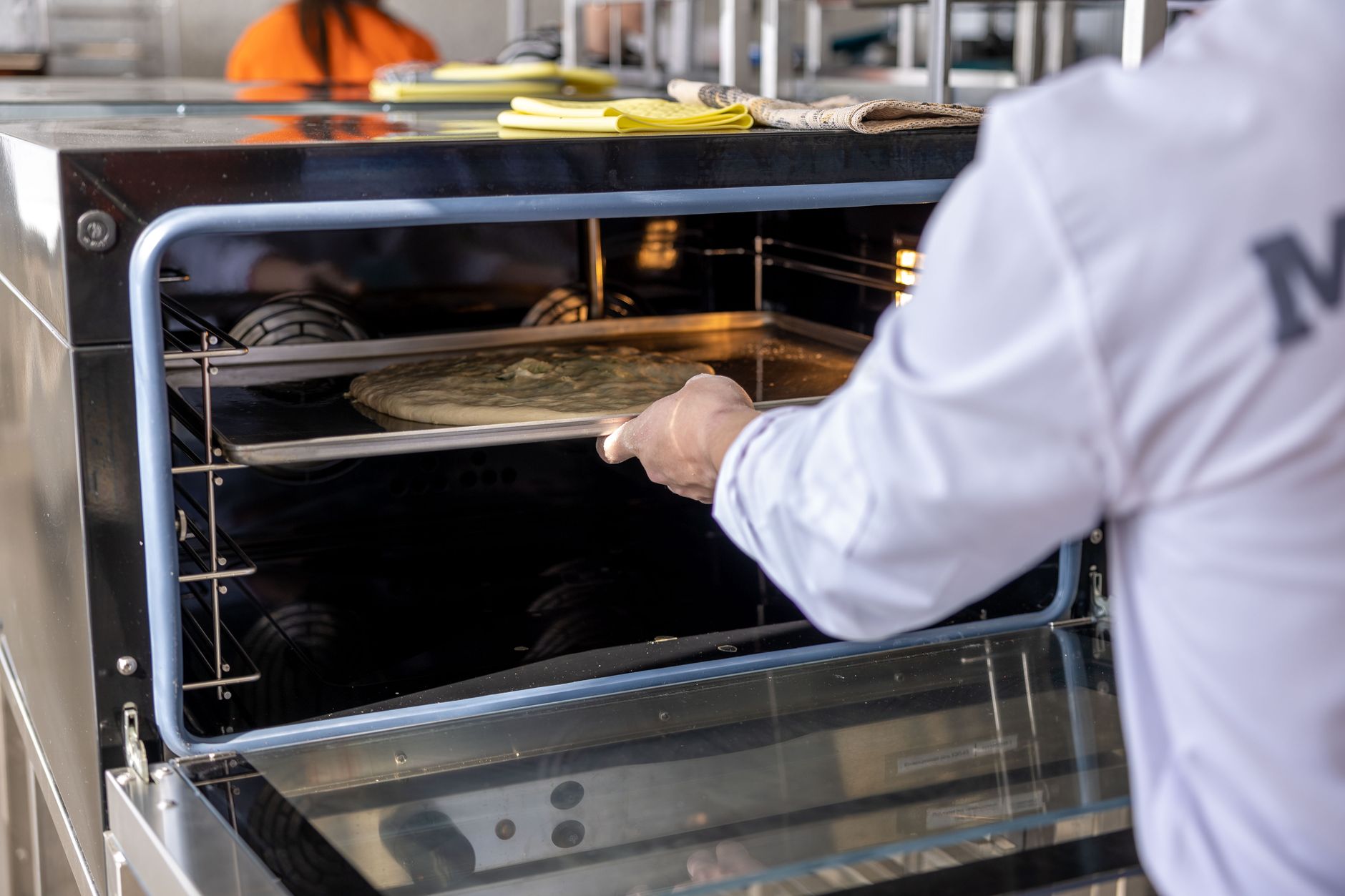
- Conveyor Ovens: Absent to avoid processed heating; grilling happens on flat-top grills with human oversight.
This simplified appliance setup reflects their dedication to fresh, never frozen beef and hand-cut fries that are cooked on the spot.
| Common Appliance | Present in Typical Fast Food | Presence in In-N-Out |
|---|---|---|
| Microwave | Yes | No |
| Toaster | Yes | No |
| Deep Fryer (Automated) | Yes | Yes (simple manual fryers) |
| Conveyor Oven | Yes | No |
| Freezer (Long term) | Yes | Minimal, only short-term storage |
How Does This Appliance Choice Reflect In-N-Outs Secrets?
In-N-Outs kitchen is famous for fresh patties and hand-cut fries. The absence of things like microwaves or conveyor ovens ensures the ingredients are delivered fresh, cooked just right, with no frozen shortcuts.
The hand-cut fries, for example, come from fresh potatoes cut daily and fried immediately. This requires manual skill rather than relying on pre-cut or frozen fries heated by machines. Similarly, burgers are grilled from fresh beef thats never frozen, maintaining juiciness and flavor that appliances cant replicate.
Customer Impact
How Fewer Appliances Benefit Customers
By avoiding overly processed methods enabled by some kitchen machines, In-N-Out offers healthier and fresher fast food options. Customers get produce that tastes closer to homemade and avoid additives sometimes needed for frozen or pre-prepped items.
This creates a transparent experience you know you‘re not biting into food reheated or heavily automated products. Trust builds on that simplicity, and it becomes a key reason customers remain loyal.
Any Challenges With Minimal Appliances?
Limiting appliances means In-N-Out depends heavily on skilled staff and manual work. This can present challenges like slower prep times during extreme rushes or difficulties expanding to new markets with limited operational flexibility.
Also, scaling while keeping quality high requires more training and oversight, an investment not every chain can easily afford.
Growing But Keeping Their Core
As In-N-Out expands, they cautiously introduce newer equipment to maintain efficiency but avoid losing their minimalist essence. For example, some locations have upgraded fryers or refrigeration units to handle volume but still abstain from microwaves or conveyor ovens.
Industry experts praise this balancebringing subtle innovation without sacrificing the brands key qualities.
Lessons from In-N-Out
Balancing Freshness and Efficiency
For fast food kitchens aiming to improve quality, In-N-Out shows that less automation can mean more flavor. Using only essential appliances encourages staff attention and manual control a strategy many operators can consider when freshness is the priority.
Practical Tips to Emulate Their Appliance Philosophy
Restaurants wanting a fresh, handmade quality might:
- Invest in quality flat-top grills instead of complex ovens
- Use manual fryers and fresh ingredient prep areas rather than frozen goods
- Train staff extensively on simple appliances with a focus on consistency
These steps support wholesome cooking practices seen in brands like Panera breakfast sandwiches, where freshness is a core value. The lessons from In-N-Out also align with healthier fast food burger trends emphasizing clean labels and natural preparation.
Is In-N-Out Actually Halal What Should I Check?
While In-N-Out offers fresh and quality food, it is not certified Halal under common certification bodies like JAKIM or IFANCA. For Halal-conscious diners, it‘s crucial to look for brands with explicit Halal certifications marked on packaging or menus. Always check the ingredient labels or ask restaurant management about their certification.
When is the Best Time to Eat In-N-Outs Food?
The freshest In-N-Out items are best enjoyed immediately after preparation at the restaurant. Since no microwaving or freezing preserves the items, their taste and texture peak minutes after cooking. Ordering during non-peak hours can ensure a fresher serving experience.
What Cooking Appliances Does In-N-Out Use?
In-N-Out primarily uses flat-top grills for their burgers and manual deep fryers for fries. These appliances support quick, consistent cooking without the need for reheating or processed shortcuts.
What Are the Health Benefits of Minimal Appliances?
Minimal appliance use helps reduce processed ingredients and additives. Cooking fresh meat and potatoes on simple grills and fryers keeps the ingredient list clean and minimizes chemical preservatives common in frozen or pre-cooked foods.
Does Using Fewer Appliances Affect Food Safety?
Not necessarily. In-N-Out maintains strict hygiene and food safety standards despite minimal appliances. Manual handling is paired with rigorous cleaning and control to ensure food remains safe and fresh.
Are Their Fries Really Fresh-Cut Every Day?
Yes, In-N-Out prides itself on hand-cut fries prepared daily. This is possible because their kitchens avoid frozen or pre-prep appliances that standardize the process, allowing for better flavor and texture.
Can Other Restaurants Match Their Quality Appliance Setup?
Yes, but it requires investment in staff training and sourcing fresh ingredients regularly. Focusing on simple, reliable tools rather than complex automation supports quality but demands operational commitment.
Pro Tips for Choosing Fast Food With Quality Equipment
Many shoppers overlook kitchen appliance choices when picking fast food. One common mistake is assuming all fries or burgers are fresh simply because theyre served hot. Look for brands that highlight made-to-order items and minimal processing equipment, indicating more genuine cooking.
Cheap fast food versions often rely on microwaving or frozen goods, sacrificing flavor and texture. Choose places like In-N-Out that invest in manual grilling and fresh cutting. Industry experts suggest focusing on kitchen transparency as a key sign of quality.
Try combining these selections with complementary products, such as order one from Panera breakfast sandwiches or other fast food burgers that prioritize freshness and kitchen integrity.
Summary
In-N-Out appliances are notable for their purposeful minimalism, supporting a fresh, hand-crafted food philosophy. By skipping microwaves, conveyor ovens, and long-term freezing, they deliver burgers and fries with exceptional flavor and integrity. While this approach demands skilled labor and operational discipline, the payoff is a more enjoyable customer experience with healthier, fresher food. Next time you enjoy fast food, consider how appliance choices impact whats on your plate. Feel free to leave your thoughts or questions below.
FAQs
Is In-N-Out appliances actually Halal — what should I check on the label?
In-N-Out is not certified Halal by common bodies like JAKIM or IFANCA. Halal-conscious consumers should look for explicit certification marks on packaging or menus and verify ingredient sources directly with the restaurant before ordering.
When is the best time to eat In-N-Out’s food?
The best time to enjoy In-N-Out food is immediately after preparation since they avoid microwaving or freezing. Ordering during non-peak hours ensures a fresher serving with optimal taste and texture.
Does using fewer appliances affect food safety at In-N-Out?
No. Despite minimal appliances, In-N-Out maintains strict hygiene standards. Manual preparation is paired with rigorous cleaning protocols to ensure food safety and freshness.
Are In-N-Out’s fries really fresh-cut every day?
Yes, their fries are hand-cut daily from fresh potatoes without using frozen or pre-prepped fries, which contributes to their unique fresh flavor and texture.
Can other restaurants match In-N-Out’s appliance setup and quality?
Yes, but it requires significant investment in staff training and sourcing fresh ingredients. Emphasizing simple, reliable appliances over complex automation supports quality but demands operational commitment.