You walk through those oversized doors, grab a flatbed cart, and suddenly you are surrounded by fifty-pound bags of rice, industrial-sized cans of tomatoes, and whole cuts of meat wrapped in plastic. Restaurant Depot shopping is a different experience compared to your typical grocery run. The scale alone can feel overwhelming. But for those who understand how this wholesale model works, the savings are real and the quality can be excellent. This guide walks you through everything you need to know before you head inside.
Understanding Restaurant Depot Basics
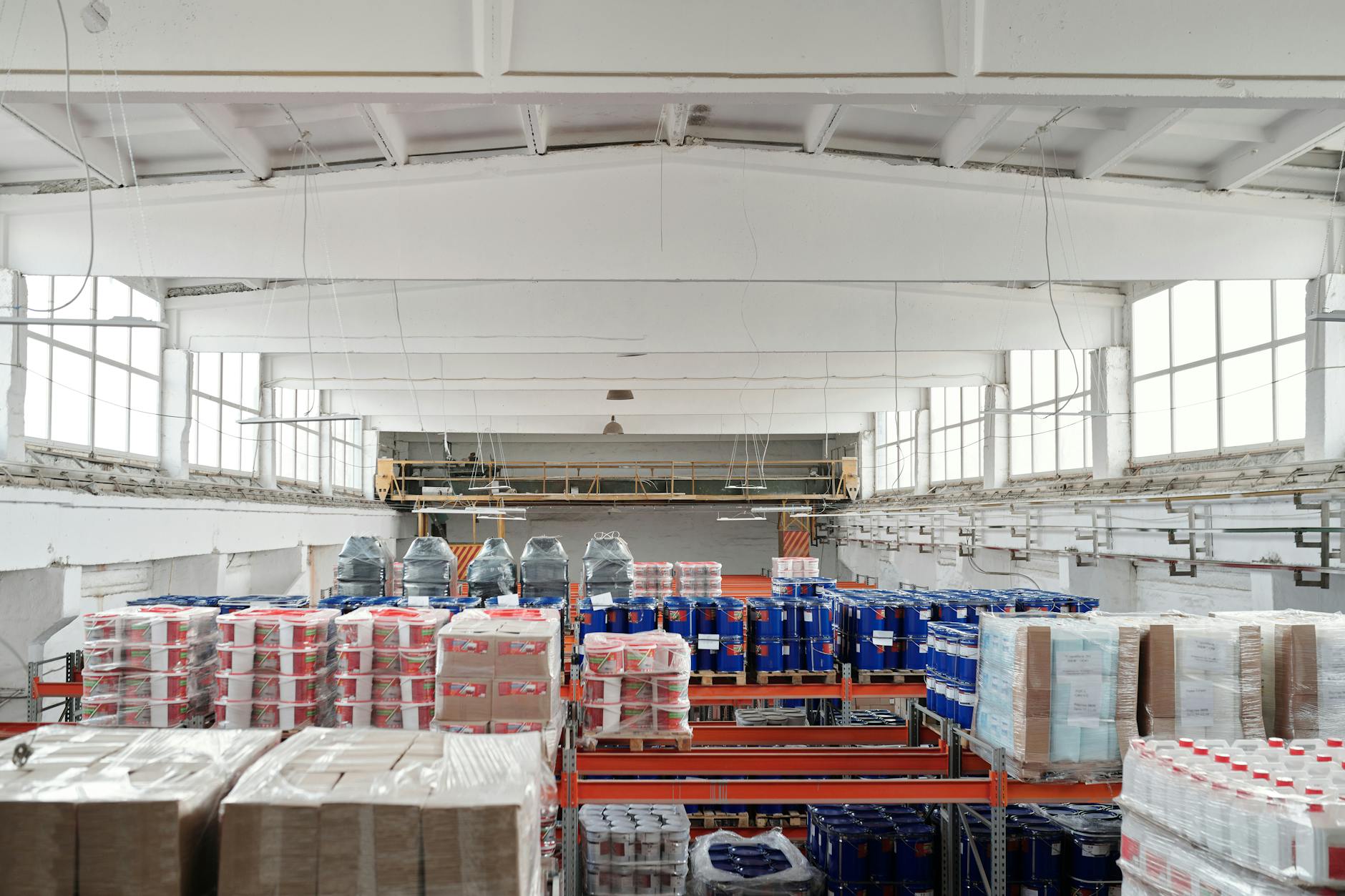
Restaurant Depot operates as a wholesale club focused on food service professionals. Unlike Costco or Sam‘s Club, the primary customer here is a business owner, not a household shopper. The store stocks commercial-grade ingredients, equipment, and supplies in quantities that make sense for restaurants, caterers, and food trucks.
The layout follows a warehouse model with tall shelving, pallet displays, and minimal frills. You will not find sample stations or a food court. What you will find are competitive prices on high-volume staples like flour, oil, spices, proteins, and produce.
Who Should Shop at Restaurant Depot?
The ideal customer for Restaurant Depot shopping is someone who runs a food-related business or organization. Small restaurant owners, catering companies, church groups, school cafeterias, and meal-prep services all fit the profile. If you cook in large volumes weekly, this store makes financial sense. Casual home cooks who want to buy one jar of mayonnaise will likely struggle with the minimum sizes and the membership requirements.

What Can You Buy There?
The product range is broad and deep. You will find fresh meat and poultry in primal cuts, seafood packed on ice, dairy in gallon and five-gallon sizes, frozen vegetables, bulk spices, cooking oils, paper goods, cleaning chemicals, and commercial kitchen equipment. Many locations also carry a selection of international ingredients such as halal-certified meats, Middle Eastern spices, and specialty grains. If you are looking for niche items like hot honey brands in bulk, you may spot them in the condiment aisle alongside gallon jugs of sriracha and balsamic vinegar. The store also stocks bread and bakery items in commercial packs, which pairs well with a guide to wheat bread brands if you are building a sandwich program for a cafe or deli.
The Benefits of Shopping at Restaurant Depot
Price is the main draw. Buying in bulk drops the per-unit cost significantly compared to retail grocery stores. A gallon of cooking oil that costs $14 at a supermarket might be $8 at Restaurant Depot. A case of 24 cans of crushed tomatoes could save you 30 percent or more. These savings add up fast when you purchase regularly.
Another advantage is product availability. Restaurant Depot stocks commercial sizes that standard grocery stores simply do not carry. Need a five-pound block of mozzarella? A twenty-pound bag of bread flour? A case of sixty eggs? You will find them here without special ordering.
The store also offers a consistent supply chain. Restocking happens frequently, so produce and meat are typically fresh. Many locations receive deliveries multiple times per week, which means the rotation is good and expired goods are rare.
How to Maximize Your Savings
Plan your shopping list around items you use in high volume. Do not buy a fifty-pound bag of rice if your household eats rice twice a month. Calculate your weekly usage, then buy the size that matches your consumption rate. Pair large purchases with proper storage at home. A chest freezer and a pantry shelving system will pay for themselves within a few trips.
Compare unit prices across different pack sizes. Sometimes the largest bag is not the best deal per ounce. Look at the price tag on the shelf edge, which shows the unit cost. That number tells you the real value.
The Downsides and Risks
Membership is the first hurdle. Restaurant Depot requires a valid business license, tax-exempt certificate, or proof of nonprofit status to obtain a membership card. Casual shoppers without a business cannot simply walk in and buy. Some locations allow day passes with a higher markup, but that defeats the savings purpose.
Pack sizes can also lead to waste. A five-gallon bucket of pickles sounds like a great deal until you realize your family will eat three pickles and throw the rest away. Spoilage is a real risk if you lack proper storage or if your volume does not justify the bulk purchase.
The shopping experience itself can feel chaotic. Store layouts vary by location, aisles are narrow for flatbed carts, and checkout lines move slowly during peak hours. Customer service is minimal. You are expected to know what you want and move through the store efficiently.
Potential Pitfalls to Watch Out For
Overbuying fresh produce is a common mistake. A case of bell peppers contains fifteen to twenty pounds. Unless you are running a restaurant, that volume will spoil before you finish it. Stick to shelf-stable or frozen items if you shop for a small household. Also watch expiration dates on dairy and meat. Some items are close to their sell-by date and are priced to move quickly. That works only if you use them within a day or two.
Another pitfall is impulse buying. The store is designed to feel like a treasure hunt, with deals on pallets scattered throughout the aisles. Stick to your list. That fifty-pound sack of onions may be cheap, but you still have to haul it to your car and find room for it at home.
Comparison with Other Suppliers
Compared to Costco, Restaurant Depot offers larger pack sizes and a wider selection of commercial-grade items. Costco is friendlier for households and has better customer service, but its bulk sizes are smaller and its meat is often pre-portioned. Compared to Sysco or US Foods, Restaurant Depot gives you the advantage of seeing products before you buy. You can inspect the marbling on a case of ribeye or check the color of a flat of strawberries. Delivery suppliers do not offer that visual inspection.
Buyer‘s Checklist for Bulk Products at Restaurant Depot
When you evaluate any bulk product at this store, keep these factors in mind. The table below summarizes the key points across common food categories.
| Certification | Price Range | Common Formats | Shelf Life | Key Allergens |
|---|---|---|---|---|
| Halal (look for JAKIM, IFANCA, or HMC logos on meat and poultry) | $8$50 per case depending on protein type | 1040 lb cases, whole primal cuts, portion-controlled packs | 37 days fresh, 612 months frozen | None inherent, but cross-check marinades for dairy or soy |
| USDA Grade A (dairy, eggs) | $12$35 per case | Gallon jugs, 5-gallon bags, 30-dozen egg flats | 714 days after opening for milk, 45 weeks for eggs | Milk, eggs |
| Kosher or Halal (grains, spices) | $5$25 per bag or box | 1050 lb bags, 5 lb bulk spice containers | 612 months in cool dry storage | Wheat, gluten (check for cross-contact on shared equipment) |
| Non-GMO Project Verified (oils, canned goods) | $10$40 per case | 1-gallon jugs, #10 cans, 6-pack cases | 1224 months unopened | Soy (in oil blends), corn (in corn oil) |
Tips for First-Time Shoppers
Your first trip to Restaurant Depot should feel planned, not spontaneous. Bring your business license or tax-exempt certificate. Without it, you will be turned away at the membership desk. Arrive early in the morning, ideally between 7:00 AM and 9:00 AM, when the store is freshly stocked and crowds are thin. Weekdays are calmer than weekends.
Take a flatbed cart even if you plan to buy only a few items. The boxes and bags are heavy, and a shopping cart fills up fast. Wear comfortable shoes. The concrete floors are hard on your feet, and you will walk more than you expect.
Shopping Checklist and Dos & Don‘ts
Dos:
- Do bring your membership card and a photo ID every time.
- Do check the unit price on the shelf label before grabbing the largest size.
- Do inspect fresh meat and produce closely. Open the box if possible.
- Do bring insulated bags or a cooler for perishable items, especially in summer.
Don‘ts:
- Don‘t shop without a list. Impulse buys are expensive in bulk.
- Don‘t assume every item is cheaper. Compare with your regular supplier.
- Don‘t ignore expiration dates. Some stock is close to the sell-by date.
- Don‘t forget to budget for storage space before you buy large quantities.
Pro Buying Tips for Restaurant Depot
The most overlooked mistake new shoppers make is buying fresh items in quantities they cannot use before spoilage sets in. A case of fresh chicken breasts may contain forty pounds. Unless you have a commercial freezer or a large family, that chicken will go bad. Instead, focus on frozen proteins, canned goods, dry staples, and paper products for your early trips. These items store well and give you time to learn the store layout without pressure.
Cheaper versions of spices and oils often disappoint because they sit on the shelf too long or come from lower-grade sources. Restaurant Depot carries both commodity-grade and premium options. For spices, look for brands with a clear harvest or pack date printed on the label. For olive oil, check for a harvest year and a seal from the International Olive Council. The extra dollar per bottle usually delivers noticeably better flavor.
One expert tip: develop a relationship with the meat department manager. Ask which days fresh deliveries arrive and whether you can request specific cuts or halal-certified options. Many locations will special-order products if you ask in advance, and the manager can alert you to markdowns on high-quality meat that needs to move quickly.
Is food from Restaurant Depot Halal-certified what should I check?
Many Restaurant Depot locations carry halal-certified meat, poultry, and processed foods. Look for certification logos from JAKIM, IFANCA, HMC, or the Islamic Society of North America on the packaging. In the meat section, the halal items are often grouped together on labeled shelves. If you are unsure, ask the meat department manager for a list of certified suppliers. Not all stock is halal, so reading the label is essential.
Do I need a membership to shop at Restaurant Depot?
Yes, a membership is required. You must present a valid business license, tax-exempt certificate, or nonprofit documentation at the membership desk. Some locations offer a day pass with a surcharge, but it reduces your savings significantly. The membership is free for qualified businesses and organizations.
Can individuals shop at Restaurant Depot without a business license?
Strictly speaking, no. The membership policy requires proof of business or nonprofit status. However, some individuals join through community groups, church kitchens, or shared memberships with a licensed friend. That arrangement is not officially allowed, and your friend assumes liability for your purchases.
What are the best days to shop at Restaurant Depot?
Tuesday through Thursday mornings are the quietest and best-stocked days. Monday mornings can be busy after weekend closures, and Fridays see a rush of restaurant owners preparing for weekend service. Sunday hours are limited or nonexistent at many locations.
How do I store bulk food from Restaurant Depot?
Invest in airtight containers for dry goods like flour, rice, and sugar. Use vacuum sealer bags for meat and fish, then freeze them flat. Dairy and eggs should stay in the original packaging in a refrigerator set below 40 degrees Fahrenheit. Label everything with the purchase date so you rotate stock properly.
Is Restaurant Depot cheaper than regular grocery stores?
For many items, yes. The per-unit price on staples like oil, flour, canned tomatoes, and cleaning supplies is typically 20 to 40 percent lower than retail grocery prices. However, specialty items, spices in small jars, and single-serving products are not good deals here. Compare prices on your regular shopping list before committing to bulk sizes.
What payment methods does Restaurant Depot accept?
Most locations accept major credit cards, debit cards, cash, and checks. Some stores also accept EBT for eligible food items. Business checks are common among regular customers. Contact your local store to confirm exact payment options, as they vary slightly by region.
More You Might Like
If you are building a menu around bold flavors, check out our guide to the top hot honey brands on the market. It covers heat level, consistency, and how each brand performs in cooking and drizzling.
For cafe owners and bakers, our roundup of the best wheat bread brands can help you choose commercial loaves that balance nutrition, texture, and shelf life for your customers.
Conclusion
Restaurant Depot shopping offers real advantages for anyone who buys food in volume. The prices are low, the selection is deep, and the commercial-grade quality is consistent. But the model works only if you match the pack sizes to your actual usage, store your purchases properly, and navigate the membership process with the right documents. Next time you plan a bulk run, check your storage space first, bring your license, and walk in with a focused list. Your wallet and your kitchen will thank you.
FAQs
Is Restaurant Depot shopping actually Halal — what should I check on the label?
Many Restaurant Depot locations carry halal-certified meat and poultry. Check for logos from JAKIM, IFANCA, HMC, or ISNA on the packaging. Halal items are often grouped on labeled shelves. Always inspect the label for certification logos and ask the meat department manager for a list of certified suppliers if unsure. Not all stock is halal, so reading labels is essential.
What is the shelf life of bulk food after opening at Restaurant Depot?
Shelf life varies by product. Dry goods like flour, rice, and spices last 6–12 months in airtight containers. Opened dairy (milk, eggs) should be used within 7–14 days. Fresh meat and poultry last 3–7 days refrigerated, but can be frozen for 6–12 months. Always check the sell-by date and store properly to maximize freshness.
How does Restaurant Depot differ from regular grocery stores or Costco?
Restaurant Depot focuses on commercial-grade products in much larger pack sizes, requiring a business license for membership. Unlike Costco, it has no samples or food court and offers primal cuts of meat and bulk spices. Compared to regular grocery stores, per-unit prices are 20–40% lower on staples, but you must buy in volume and have storage space.
Is it safe to buy fresh produce and meat in bulk from Restaurant Depot every week?
Yes, if you have proper storage and high usage. The store receives multiple deliveries weekly, so stock is generally fresh. However, inspect produce and meat closely before buying. For small households, focus on frozen items and shelf-stable goods to avoid spoilage. Always check expiration dates and refrigerate perishables promptly.
Where can I find halal-certified meat and specialty items at Restaurant Depot?
Halal-certified meat is typically located in the refrigerated meat section, often on labeled shelves or with signs. Ask the meat department manager for specific halal suppliers. Some locations also carry halal spices, grains, and processed foods. For specialty items like hot honey or wheat bread, check the condiment and bakery aisles.